
Tuesday, May 5, 2026
No menu items!
spot_img
Home Blog Page 15

NBS Bank finances Lindian US$11.6M equipment

0

By Linda Kwanjana

Australian resources firm Lindian Resources, which is constructing the Kangankunde Mine in Balaka, has secured US$11.6-million equipment finance and working capital facility from NBS Bank to support construction of the mine.

Lindian said in a statement that the NBS Bank facilities reinforce its deliberate strategy of building long-term partnerships with in country Malawian financial institutions and supporting the growth of Malawi’s domestic economy.

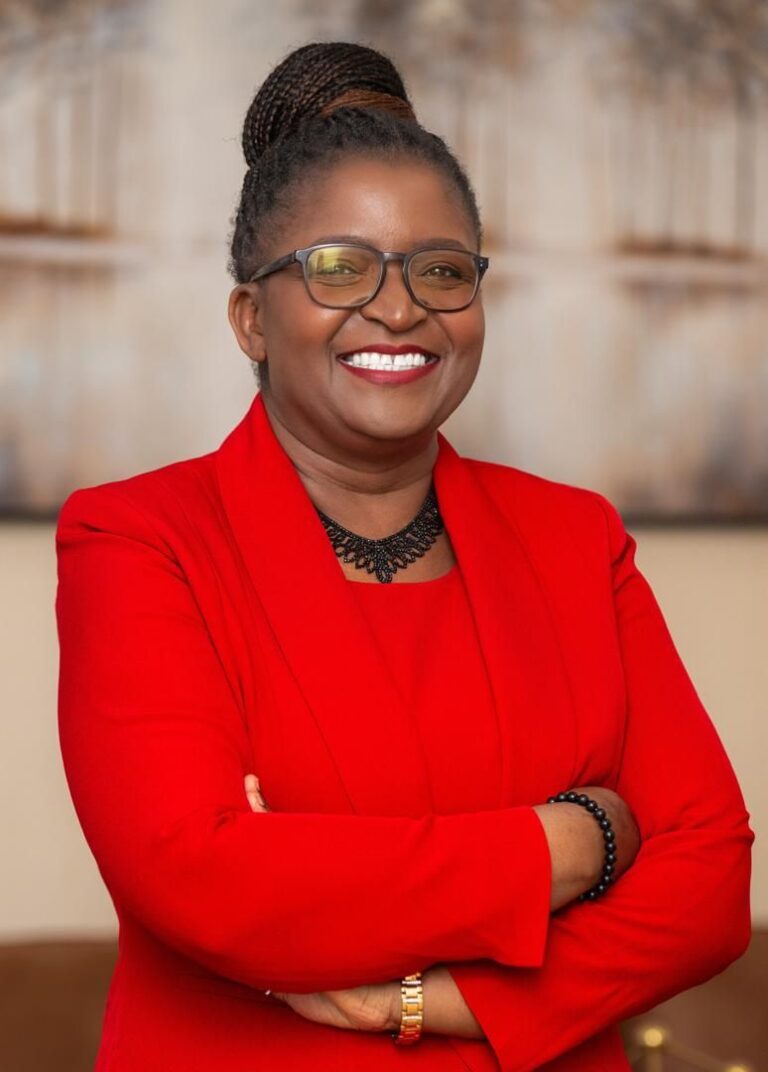
Lindian Resources’ Director, Teck Lim said: “The NBS Bank facilities reflect the maturity of Lindian’s financial strategy as Kangankunde progresses main construction. The asset finance provides a locally sourced, structured solution for the Komatsu mining fleet, while the working capital facility provides additional standby liquidity buffer.”

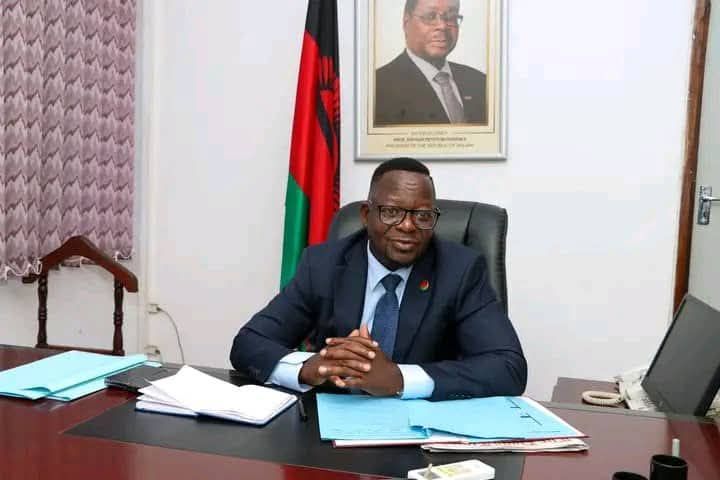
Temwani Simwaka


“Securing these facilities through NBS Bank, one of Malawi’s most respected financial institutions provides strong validation for the Kangankunde Rare Earths Project and demonstrates genuine commitment to building close partnerships in Malawi and ensuring that the economic activity generated by Kangankunde flows through local institutions and local procurement.”

NBS Bank’s Chief Executive Officer, Temwani Simwaka commented that NBS Bank is pleased to partner with Lindian Resources in support of the Kangankunde Rare Earths Project, a strategically important development for Malawi.

“Lindian’s decision to structure both equipment finance and working capital facilities through a Malawian financial institution reflects a clear commitment to supporting local involvement with the Project. Kangankunde represents a significant opportunity to contribute to economic development, employment and the growth of Malawi’s mining sector. NBS Bank looks forward to supporting Lindian as the Project advances to first production.”

Kangankunde is expected to start exporting rare  earth concentrate to refineries in Australia and Kazakhstan in the second half of this year.
Is Zamba above the law?


By Burnett Munthali

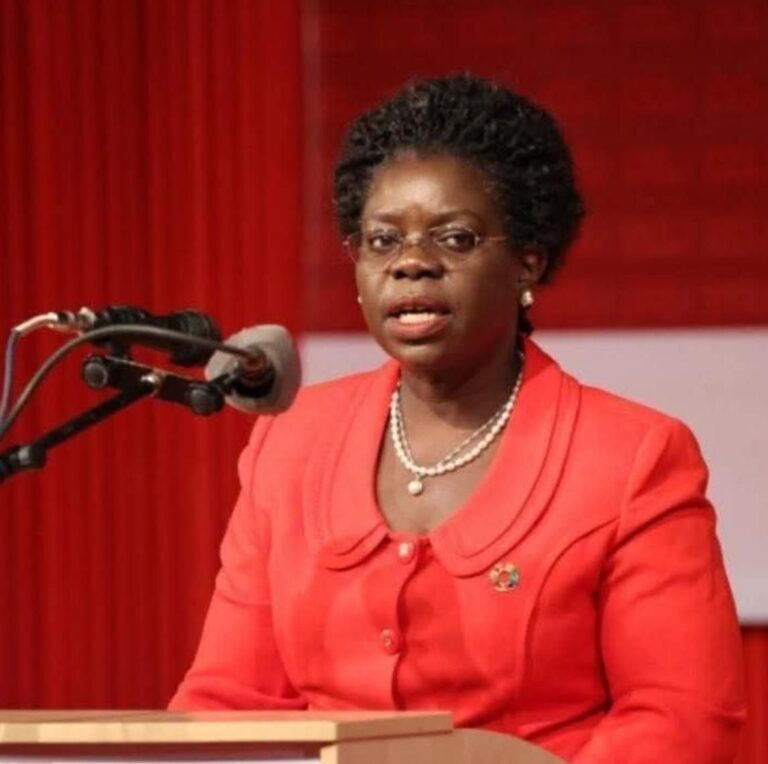
Colleen Zamba, Malawi’s former Secretary to the President and Cabinet (SPC), has refused to appear before the Public Accounts Committee (PAC) of Parliament for the third time, sparking a constitutional crisis and raising questions about the rule of law in the southern African nation.

Zamba’s lawyer, George Kadzipatike, has cited a court case related to the same matter, the purchase of Amaryllis Hotel by the Public Service Pension Trust Fund (PSPTF), as the reason for her non-appearance.

However, PAC insiders say this is just another example of Zamba’s attempts to evade accountability.

The PAC has expressed frustration at Zamba’s repeated refusals to appear, and Chairperson Steve Malondera has warned that the committee will invoke its powers to compel attendance.

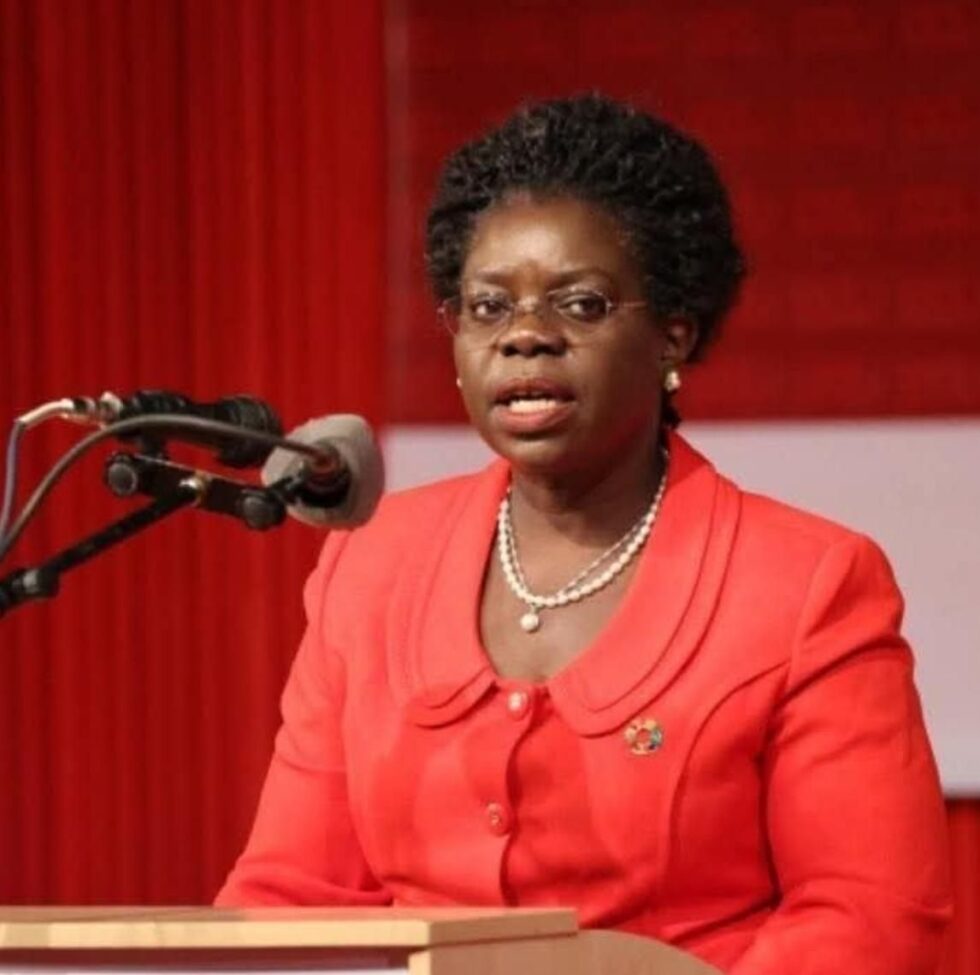
Zamba


“The committee will invoke its powers to ensure attendance and the production of necessary information where it is required,” he said.

Zamba’s actions have sparked concerns about parliamentary oversight and whether senior public officers can shield themselves behind court processes or medical claims.

The former SPC is not new to controversy, having previously refused to appear before the PAC in 2022 during an inquiry into NOCMA fuel procurement.

The Malawi Law Society has publicly disagreed with Zamba’s stance, saying that she is not above the law.

The society’s stance has added pressure on Zamba to cooperate with the PAC.

Kadzipatike’s letter to the Clerk of Parliament stated that Zamba is currently receiving medical treatment outside the country, but PAC insiders question the timing and validity of this claim.

The Amaryllis Hotel probe continues, with notable figures including the current SPC, Justin Saidi, and Amaryllis Hotel owners, Yusuf Investment Limited, expected to appear for interview.

Zamba’s testimony is seen as critical to understanding the role of senior government officials in the controversial PSPTF transaction.

The standoff raises serious questions about the accountability of senior public officials in Malawi and the effectiveness of parliamentary oversight.

The PAC’s next steps will be closely watched, as it seeks to assert its authority and ensure that Zamba is held to account.

The Malawi government has a reputation for tackling corruption, but Zamba’s case will test its commitment to the rule of law and accountability.

The international community is watching closely, as the outcome will have implications for Malawi’s governance and economic development.

As the standoff continues, Malawians are asking: will Zamba ultimately bow to the law, or will she continue to defy Parliament?

The answer remains uncertain, but one thing is clear – the eyes of the nation are on the SPC’s office and the PAC.

Is Namalomba the worst information minister in Malawi history?

By Durell Namasani

In an office once graced by communicators who understood the pulse of the nation, the current Minister of Information, Shadric Namalomba, is rapidly earning a reputation as a man running out of his depth. And Malawi’s media fraternity is taking notice.

The latest flashpoint: Namalomba’s decision to boycott phone interviews altogether. Announced via a Facebook post—ironically, a medium notorious for its own distortion risks—the minister declared he would no longer take calls from journalists, claiming his statements were often misrepresented.

For a man whose constitutional role includes being the government’s chief spokesperson, this retreat from direct engagement is nothing short of bewildering.

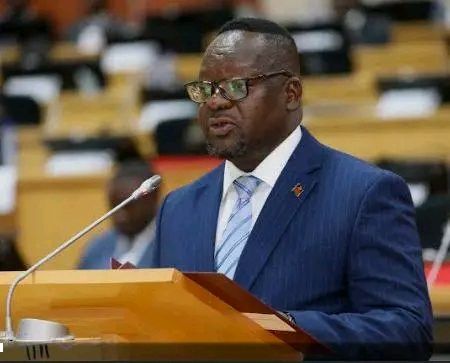
Namalomba


To understand just how far Namalomba has fallen, one need only glance at the recent occupants of his office.

Moses Kunkuyu, the previous Information Minister was a master of message control without hiding from the microphone. He understood that a minister’s job is not to be liked but to be clear—and he answered the tough calls, even when the news was bad.

Then there was Gospel Kazako, whose tenure during the COVID-19 pandemic was a masterclass in crisis communication. Kazako was everywhere: on radio, on television, on Zoom. He didn’t hide from hard questions; he leaned into them, earning rare cross-party respect. He understood that a government spokesman who refuses to speak is a contradiction in terms.

Now compare that to Namalomba. Instead of engaging with the media to address concerns over distortion—a legitimate grievance that could be solved through recording interviews or issuing follow-up written clarifications—he has chosen a bunker mentality. His Facebook post is not leadership; it is petulance dressed in policy.

MISA has wisely proposed dialogue, pledging to engage the minister to resolve the matter. But the onus is on Namalomba to show up. If he continues to hide behind social media posts while refusing the basic tools of his trade—the telephone, the interview, the press conference—he risks not just his own credibility but the government’s transparency.

Malawians have seen good information ministers and bad ones. But a minister who refuses to be reached by the very journalists tasked with informing the public is not merely ineffective. He is a liability to democracy.

Is Namalomba the worst in history? The verdict is not yet sealed, but the evidence is mounting. And if he continues to confuse his comfort with the public’s right to know, history will not judge him kindly.

Malawi’s media fraternity concerned over Minister’s boycott of phone interviews

0


By Our  Reporter

The Media Institute of Southern Africa (MISA) Malawi has expressed disappointment over Information Minister Shadric Namalomba’s decision to stop granting phone interviews to journalists, citing concerns over distortion.

The move has been described as an “unfortunate development” by MISA Malawi Chairperson, Golden Matonga, who emphasizes that journalists rely heavily on access to duty bearers to provide accurate and balanced information to the public.

Speaking to Capital FM, Matonga stressed that the ability of journalists to reach out to government officials is crucial in providing clarity on various issues.

Namalomba


“Journalists thrive because of access to duty bearers,” he said, highlighting the importance of this interaction in ensuring that citizens are well-informed about government policies and decisions.

Namalomba announced his decision in a Facebook post, arguing that his statements were often misrepresented.

However, Matonga believes that restricting access could undermine the media’s role in informing citizens and instead advocates for dialogue between the minister and the media to address any concerns.

MISA Malawi plans to engage with the minister to resolve the matter and ensure continued interaction between the media and the Ministry of Information.

“We would like to see the minister and the media engage if there are issues that have pushed him to make this position,” Matonga said, emphasizing the need for direct engagement between public officials and journalists as a critical channel for government communication with the general public.

The institute believes that it is through such engagement that the country can understand government policies and decisions.

Matonga added that MISA Malawi will work with the minister to ensure that he continues to communicate effectively with the public, as this is essential for transparency and accountability.

Matonga

Former Zambia Leader’s Body Reportedly Missing from South African Mortuary

By Rahim Abdul

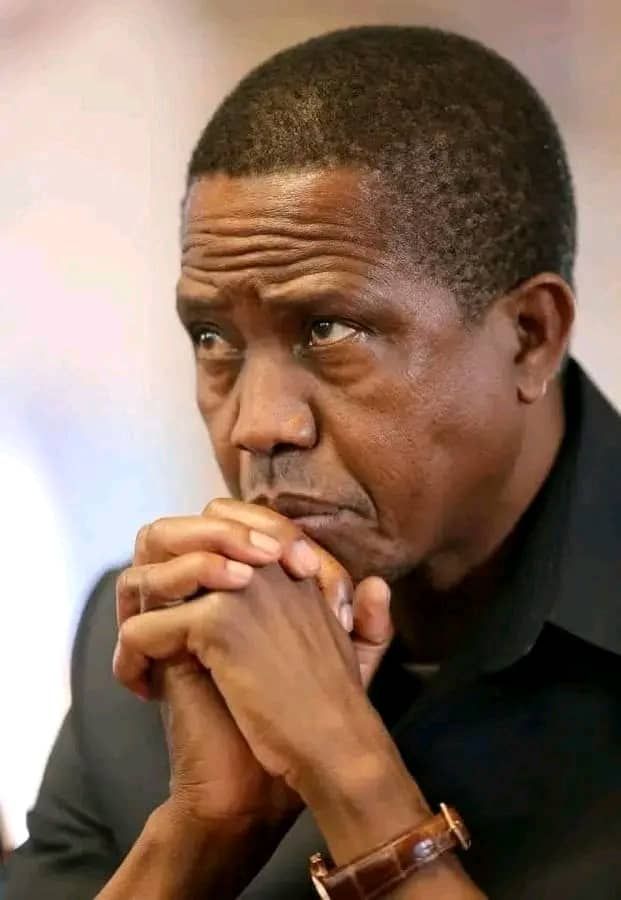
The body of former Zambian President Edgar Chagwa Lungu has reportedly gone missing from a mortuary in Pretoria, raising shock and concern among family members and the general public.

According to reports aired by KBN TV, a close family source confirmed that the remains of the late leader cannot be located, sparking fears of possible foul play.

“It is true, they have stolen the body of ECL,” the source is quoted as saying, while stressing that the family is demanding answers regarding the disappearance.

Lungu

The development has left many in Zambia in disbelief with citizens and political commentators calling for urgent investigations into the matter.

Lungu, who served as Zambia’s Head of State, died on June 5, 2025, in South Africa, and his body had remained in the mortuary awaiting burial arrangements.

The delay in burial had already attracted public attention but the latest reports have intensified the situation, turning it into a matter of national and regional concern.

Authorities in South Africa are yet to issue an official statement regarding the alleged disappearance, leaving many questions unanswered.

Meanwhile, the family of the late president is reportedly working closely with relevant authorities to establish the circumstances surrounding the incident.

As investigations are expected to unfold, many are hoping for clarity and accountability to ensure dignity for the late former leader.