Mzati Radio and Television have resumed normal broadcasting after destructive fire damaged transmission equipment earlier this month.
In a statement released on Tuesday, the station’s management indicates their engineers have been working tirelessly to address the problem.
“We assure you that we will continue giving you nothing but the best in as far as informing, entertaining and educating the masses is concerned,” reads the statement.
Soon after hearing about the accident, Information Minister Moses Kunkuyu had visited the station in Mulanje district where he pledged government supportent’s support to ensure quick resumption of programming.
The station had indicated it would require K20 million to replace the damaged equipment.
Mzati Radio, which started as a geographical community radio, has grown and developed in the past five years to satisfy the information, education and entertainment needs of many Malawians.
Mzati Television is also one of very few stations providing the much-needed pluralism and diversity in Malawi’s budding television industry.
In a major stride to ensure universal access to water and sanitation, the governments of Malawi and South Sudan on Monday announced the launch of Presidential Compacts on Water and Sanitation.
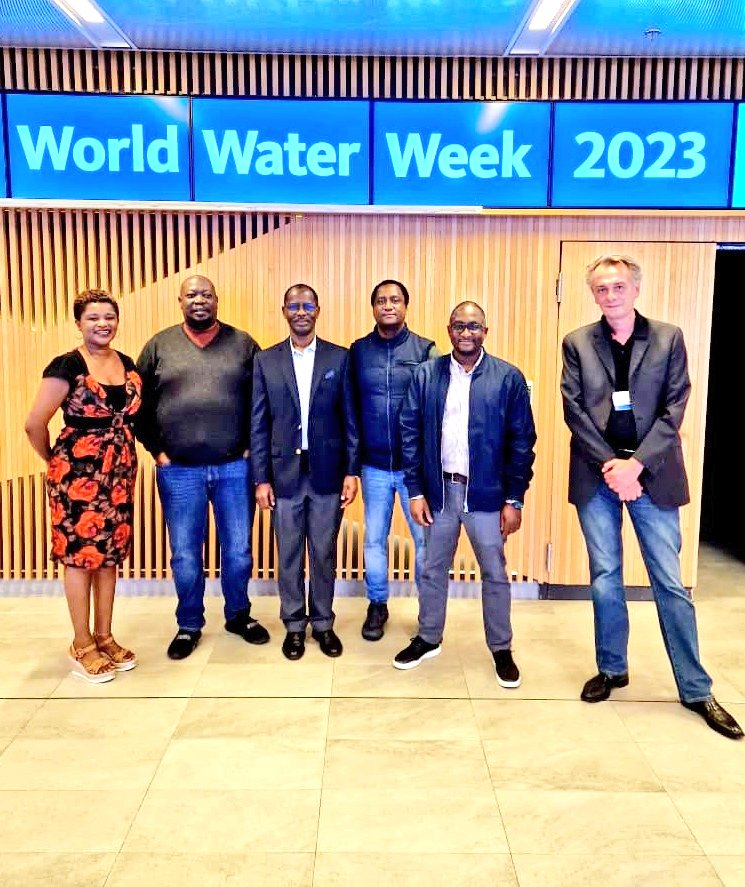
The announcement was made at Stockholm World Water Week, which gathered thousands of international leaders and experts this week to address the water and sanitation crisis.
Presidential Compacts on Water and Sanitation mark a significant step forward in improving public health, ending open defecation, and increasing climate resiliency. The Compacts are built upon clear commitments that encompass increased budget allocations, innovative sources of financing, and comprehensive plans for the construction of vital water and sanitation infrastructure.
The Key Compact commitments of the Compact include;
Malawi: In support of the $145 million in funding received from the World Bank, the Compact will provide a blueprint for rebuilding water and sanitation infrastructure and enhancing climate resiliency following the devastation from Cyclone Freddy.
South Sudan: The country has earmarked $56 million – equivalent to nearly 2% of the country’s GDP – to bolster their Compact strategies, which include empowering communities to end open defecation by 2030. They will also will expedite the passing of Water Bill 2014 to ensure a safe water supply.
The Compacts are part of the “Heads of State Initiatives” project, a groundbreaking effort aimed at advancing water and sanitation services worldwide, which was jointly launched during Stockholm World Water Week by the Government of the Netherlands, IRC WASH, the UN-hosted Sanitation and Water for All global partnership (SWA) and UNICEF. The partners will serve in an advisory capacity to the Compacts, providing critical technical expertise and coordinated advocacy.
Additionally, Nigeria announced its intention to serve as a Compact mentor, providing its expertise in engaging Heads of State to ensure the prioritization of water and sanitation.
Speaking at the launch event, the partners commended Malawi and South Sudan for their announcements: Patrick Moriarty, CEO of IRC WASH said Clean, safe drinking water and safely managed sanitation services aren’t just human rights, they’re fundamental building blocks for human and economic development and resilience in the face of climate change. “They are fundamental to any country’s development and need to be given the highest priority – championed by heads of state, prioritized around the cabinet table.”
Catarina de Albuquerque, who is the CEO of SWA called for accountability from the Presidents and Prime Ministers saying: “To achieve water and sanitation for all by 2030, we’ll need a roughly six-fold increase in current rates of progress worldwide. However, we won’t get there without ambition, action and accountability from Presidents and Prime Ministers. Clean water and sanitation are fundamental human rights and essential for achieving secure stable resilient futures for every country. These Compacts demonstrate a collective commitment to transforming the lives of millions.”
Omar Abdi, Deputy Executive Director, Programmes, UNICEF said “Empowering children with access to safe water and sanitation is not just a commitment, but a testament to a brighter, healthier future. As governments unite in their pledge to increase access to these basic necessities, we provide not only access to safe water services and sanitation, but bridges to a world where children can thrive without the risk of waterborne disease or compromise their learning or safety while collecting water.”
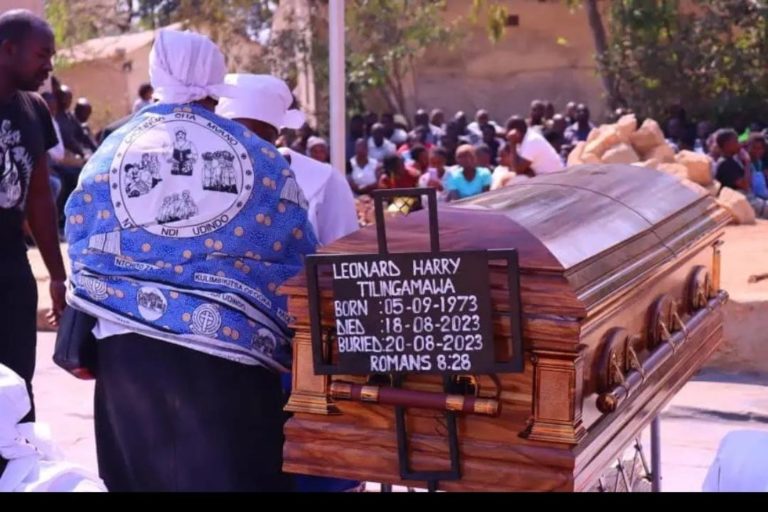
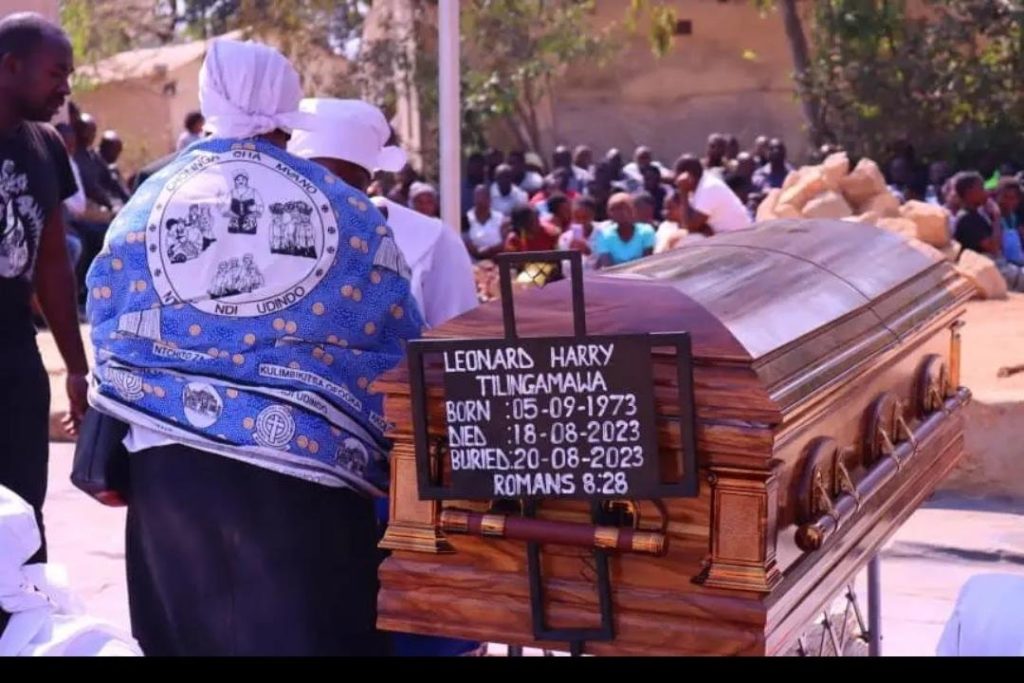
The body of Leonard Tilingamawa, who untilill his death, was Parliament’s Chief Research Officer, has on Sunday been laid to rest at his home, Machinjiri in Blantyre.
Tilingamawa died on Friday, August 18, 2023.
In her eulogy, the Speaker of Parliament, Catherine Gotani Hara, said late Leonard Tilingamawa was a dedicated member of staff such that Parliament will greatly miss his services.
Leonard Tilingamawa
“We are saddened by his death. Late Tilingamawa demonstrated commitment towards work.
“He championed the establishment of Parliament Staff Union, which means he was putting the needs of fellow employees above his,” said Hara.
Among other notable people who attended the burial ceremony were Chairperson of the Women’s Caucus, Hon. Roseby Gadama, Hon. Commissioner Zulu, Hon. John Bande and several Members of Parliament.
23 refugees who were forcibly relocated to Dzaleka Refugee Camp in Dowa district on the night of Friday, August 18, 2023 escaped from carbon monoxide poisoning death in one of the overcrowded tents which has become home for returned refugees since May 17, 2023.
According to Innocent Magambi, a refugee rights advocate and Chief Executive Officer (CEO) of Inua Advocacy, men, women and children began vomiting, fainting and struggling to breathe just before midnight of Friday 18th August, 2023.
Magambi said the victims were rushed to Dzaleka clinic where they were informed by the health personnel that the facility could not handle the situation and were referred to the main Dowa District Hospital.
He said due to UNHCR funding shortages, the Dzaleka Ambulance had not been fueled thanking the intervention of a Dzaleka community leader who used his own car and fuel to transport the victims to Dowa District Hospital.
‘’The sick received vital assistance to regain their conscious escaping from carbon monoxide poisoning death,’’said Magambi.
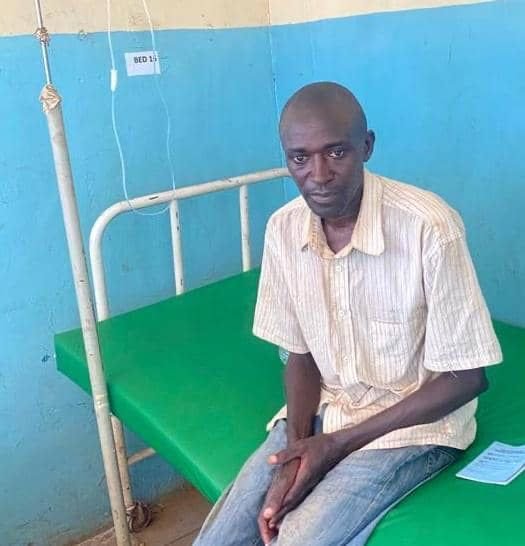
The Rights Advocate said those affected by the carbon monoxide poisoning have since been discharged except one, a-46-year-old man, Francis Nkurunziza who had just regained conscious on Sunday morning, 20th August, 2023 and was on the fifth drip.
In May, 2023 Francis Nkurunzinza attacked by police in Salima where he was plying his business during the relocation exercise, all of his wares were either stolen or burnt and he returned to Dzaleka Camp in Dowa empty-handed.
Magambi said the UNHCR funding cuts has resulted in a lack of electricity at the Dzaleka Camp making the provision of a water pump not operational and there are no lights making lives of the returnees so bearable.
He said tents are the only place where these returnees can sleep, cook and store their beddings lamenting that the people who are being affected by these events were all previously able to provide a dignified living by themselves and their children while contributing to the local economy as active members of the society.
The Rights Activist has expressed fears that because of the Refugee Act which they find it discriminatory and unjust, the refugees in Malawi have been reduced to a complete dependence on insufficient aid, a development which is worrisome to all.
National Epilepsy Association of Malawi (NEAM)has disclosed that about 65 percent of learners with epilepsy have been absconding schools due stigma impact.
Speaking in an interview, National Coordinator for NEAM ,Chifundo Zamadunga said following the magnitude of the stigma,NEAM had embarked on “Stigma free program” in which it seeks to coordinate with concerned stakeholders to curb the challenge and commenced working together in April last last year.
” we learnt with shock that a lot of people in schools, were absconding classes and we registered a higher rate of school drop outs as a result of stigma among those with Epilepsy, in the country,hence the engagements” Said Zamadunga.
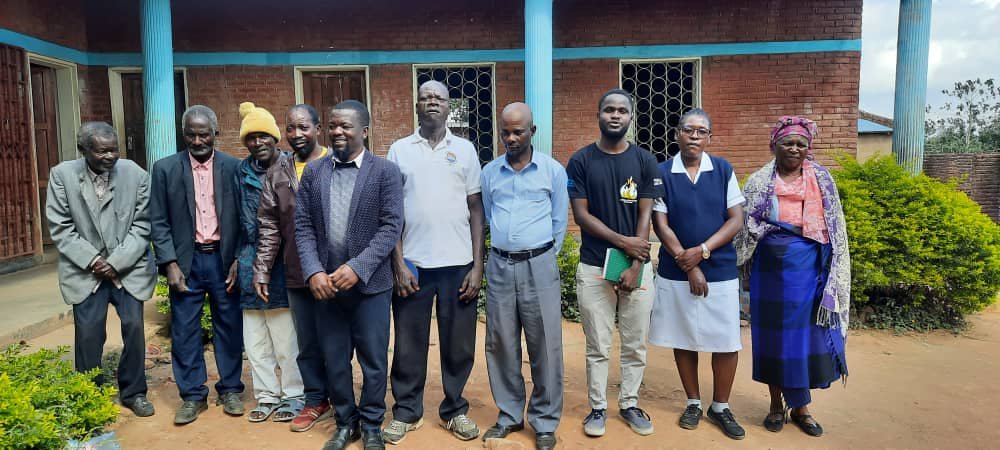
Village Custodians, Chiefs, Nurse,Teachers
And in her evaluation of the current outputs, Zamadunga described the progress as positive for among the stakeholders Traditional leaders, Parents of the clients and Teachers have shown their passion to serve as village custodians in sensitizing the learners to live a stigma free life,so as toproceed with their education in addition to taking medication.
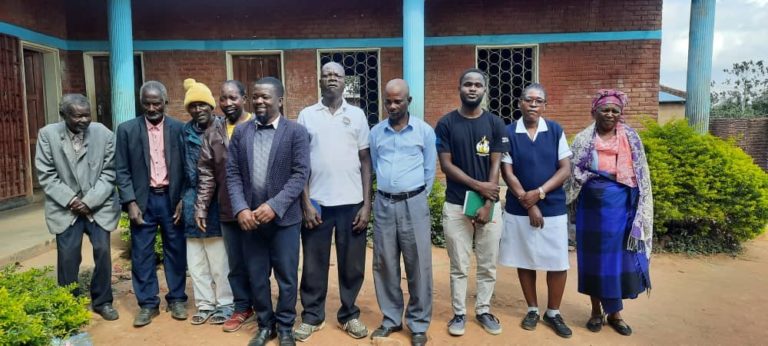
She Said”Today, we successfully managed to have an engagement meeting with the chiefs to serve as village custodians and we have advised parents and guardians to make sure that the clients are getting medication as required”.
Zamadunga further cited shortage of drug as another hiccup which prompted the learners to develop the fear.
She said ,some learners could choose to drop out of schools for fear of the unknown which is commonly manifested by the stigma therefore engagements of the ministrynistry of Education and Health is fully needed.
NEAM has since reached four schools both primary and secondary,among them are Mpemba primary school in Blantyre, Tsogolo and Kawale primary schools in Lilongwe and promised to reach all the districts of the country.
NEAM clients, LearnersNEAM, National Coordinator-Chifundo Zamadunga