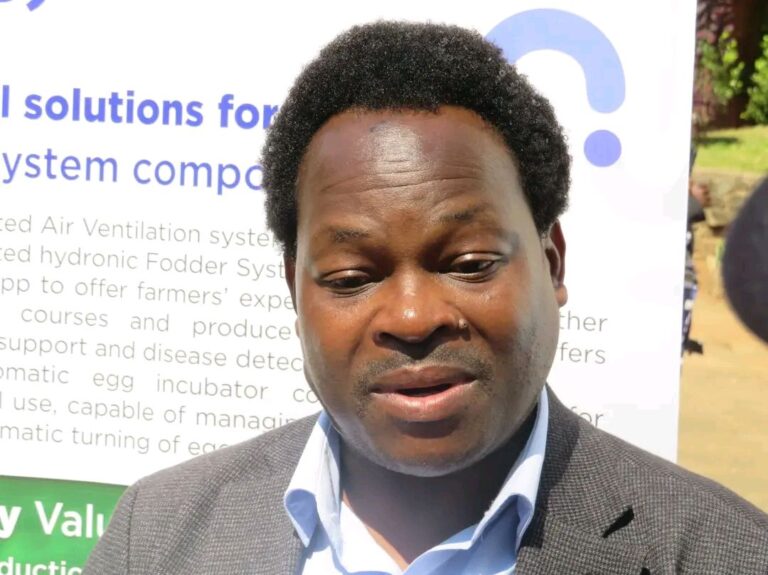
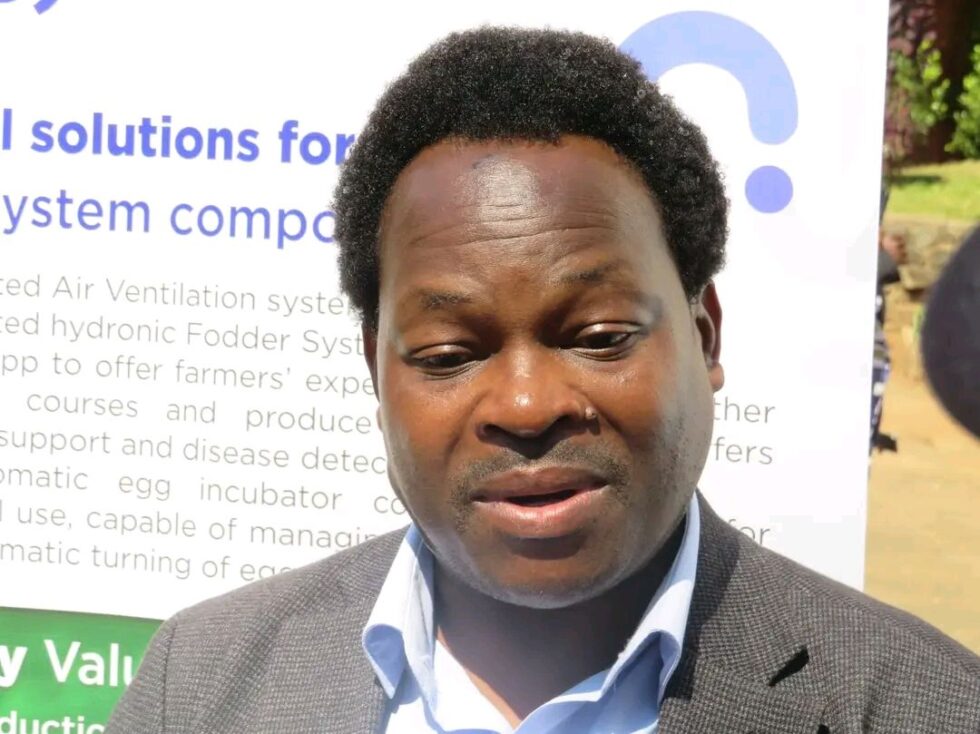
University of Malawi (UNIMA) Executive Dean for the School of Natural and Applied Sciences, Professor Cosmo Ngongondo, has called on universities in the country to play a more active role in promoting and supporting community-based businesses.
Ngongondo, who also leads the university’s Centre for Resilient Agri-Food Systems (CRAFS), made the appeal in Zomba during a seed funding awards ceremony on Friday, where Unima awarded grants in US dollars to seven local enterprises.
Ngongondo
He explained that the funding is aimed at supporting businesses that address pressing community needs in sectors such as agribusiness, value addition, and technology.
“Malawi 2063 can be achieved if universities invest in the growth and sustainability of local enterprises,” said Ngongondo.
In her remarks,one of the beneficiaries, Rita Kumwenda of Parah Enterprises in Zomba’s Matawale Township, received US$5,500 for her oyster mushroom and spawn production business.
She said the funds will be used to purchase machinery and enhance value addition processes.
The selected entrepreneurs who also hail from districts such as Blantyre and Mzuzu were drawn from a pool of 200 incubatees who pitched their business ideas to Unima before being shortlisted for support.
Eris Properties has urged people in the country to make meaningful investments that create lasting value and legacies for future generations.
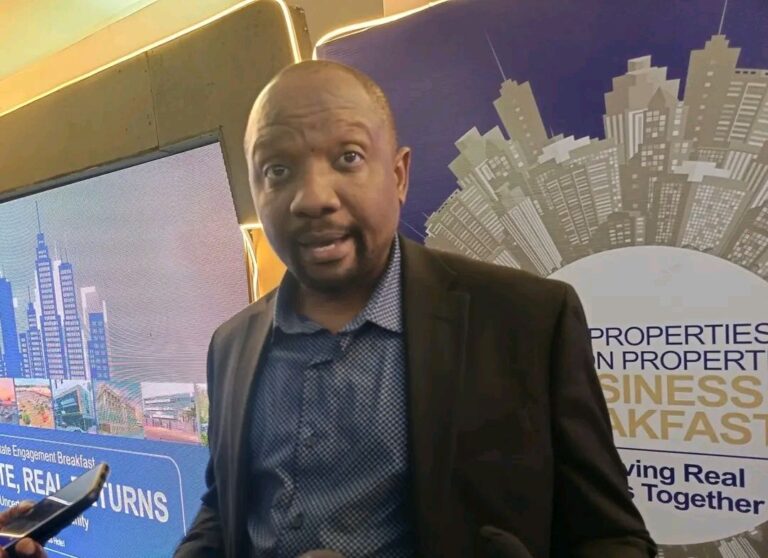
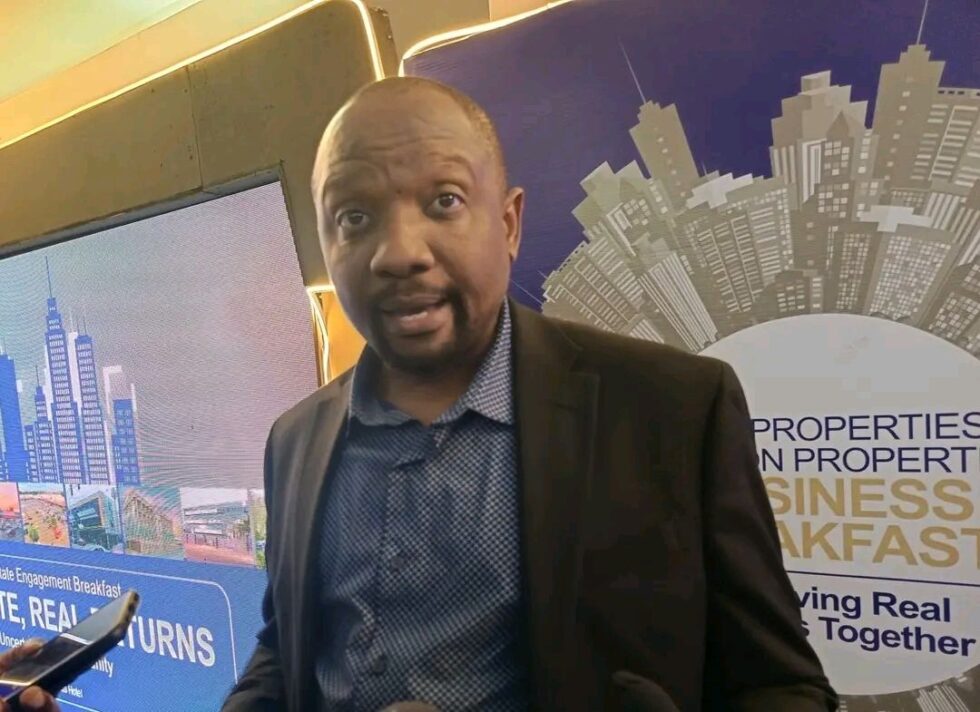
Speaking at a business breakfast in Blantyre on Friday,jointly organised with Icon Properties plc,Eris Properties Chief Executive Officer (CEO) Washington Chimuzu encouraged participants to focus on investments that stand the test of time.
Chimuzu
“Operation Gold Star is about investing in something that lasts, doesn’t rust, and continues to appreciate in value,” he said.
Chimuzu also underscored the importance of engaging reputable professionals in the market to unlock the full potential of property investments.
The event, designed to engage shareholders and close knowledge gaps, highlighted emerging opportunities in Malawi’s real estate sector.
Eris Properties and Icon Properties plc both subsidiaries of Malawi Stock Exchange(MSE )-listed Nico Holdings plc said they will continue sharing their expertise to help individuals maximise returns from property investments.
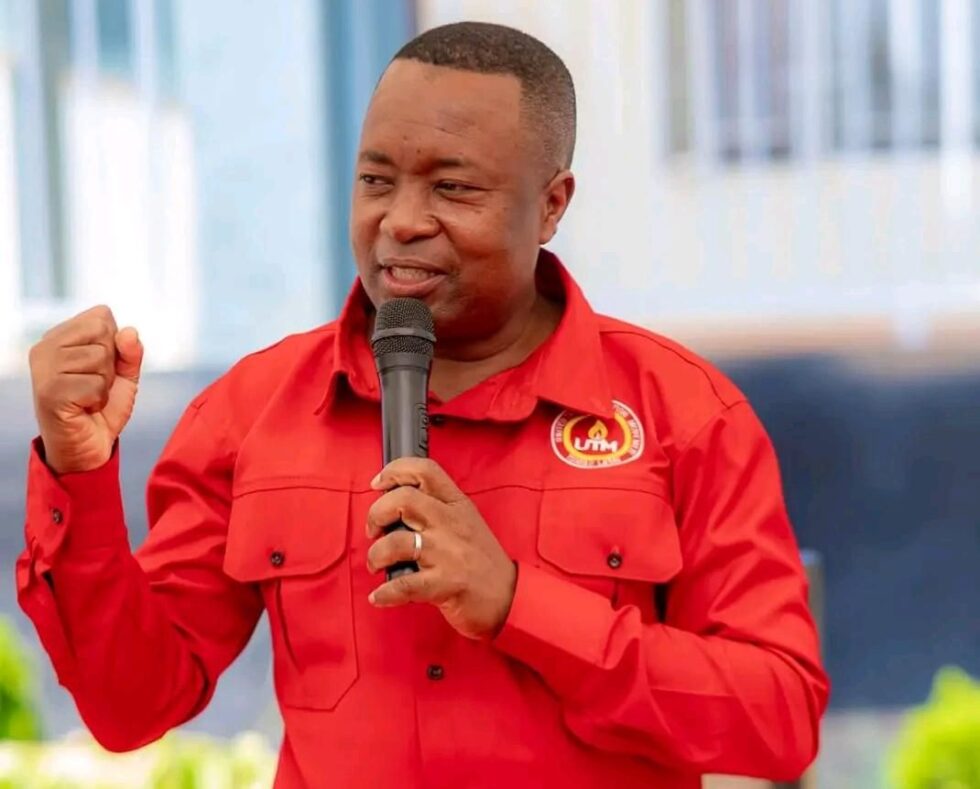
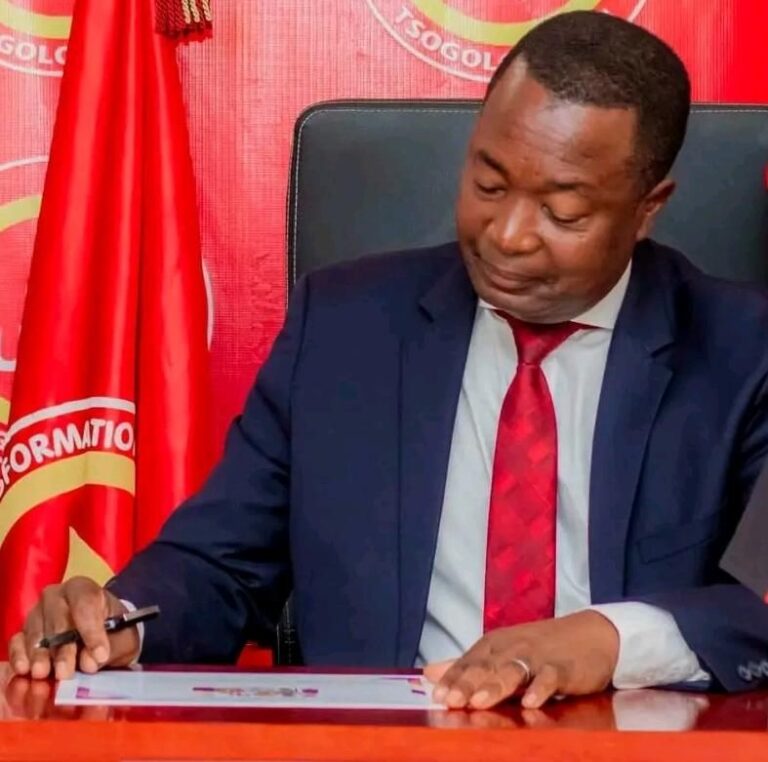
United Transformation Movement (UTM) president Dalitso Kabambe says his academic qualifications and economics experience make him the most suitable candidate to lead the country out of its current economic challenges.
In an interview with 247 Malawi News, Kabambe stressed the importance of matching leadership roles with relevant education and technical expertise.
He said just as companies hire specialists to solve technical problems, the nation needs a president whose education and skills directly align with the country’s biggest challenges.
Kabambe
Kabambe detailed his academic journey, which includes a Bachelor’s degree in Agricultural Economics from the Lilongwe University of Agriculture and Natural Resources (LUANAR ), a Master’s degree in Development Economics from Imperial College in London, one of the world’s leading universities and a PhD in Development Economics from the same institution.
He argued that these qualifications equip him with specialised knowledge to manage and grow the economy of a developing country like Malawi.
“It is good to have an economist as president, but it is best to have one who specialises in development economics and agricultural economics, given that Malawi’s economy depends heavily on agriculture,” he said.
Kabambe criticised the current state of the economy, pointing to persistent shortages of fuel and foreign exchange, rising prices, food insecurity, poverty, and high unemployment.
He recalled that under former president Bingu wa Mutharika, himself an economist, Malawi experienced rapid economic growth and even ranked as the second-fastest growing economy in the world at the time.
Turning to his work experience, Kabambe emphasised that academic qualifications must be complemented by ‘hands-on experience.’
He said his professional record in economic management, particularly during his tenure as Governor of the Reserve Bank of Malawi (RBM) from 2017 to 2020, speaks for itself.
“When I arrived at RBM in 2017, the institution was making losses, inflation stood at 22 percent, and interest rates were high.
“Within that year, I reduced inflation to 18 percent and posted a profit of K7 billion. Over four years, I maintained the kwacha’s stability at K732.40 to the US dollar, brought inflation down to 7 percent by 2020, increased foreign exchange reserves from two weeks of import cover to six months, and reduced interest rates from around 20 percent to 12 percent,”.
The UTM leader contrasted this with the period before his appointment, when inflation was high, foreign reserves were low, and the RBM was posting losses.
“This is my record.The work of my own hands,” he said.
In closing, Kabambe urged voters to choose leaders with proven capacity to fix the nation’s economic problems.
“If you are struggling with legal issues, you go to a lawyer. If you are sick, you go to a doctor.But if your problem is lack of forex, rising prices, unemployment, hunger, and stagnant business, come to me. I will not waste your time within two years, we will fix the system and set Malawi on the path to prosperity,” he said.
United Transformation Movement (UTM) president Dalitso Kabambe has pledged that, if elected in the upcoming September 16 general elections, his government will invest K500 billion annually in the country’s tourism sector to attract more international visitors, generate billions of dollars in revenue, and create up to one million jobs.
Speaking to 247 Malawi News, Kabambe compared Malawi’s tourism earnings with those of other countries in Africa and beyond, saying the country’s performance falls far short of its potential.
Kabambe
The UTM leader cited Dubai’s projected $62.8 billion in tourism revenue for this year, Kenya’s expected $5 billion and 1.7 million jobs in 2025, and Tanzania’s projected $3.92 billion, noting that millions of people in those countries are employed in the tourism sector.
“In 2024, Malawi earned only $647 million from tourism not even a billion dollars despite being blessed with natural beauty, freshwater lakes, rich wildlife, and the third-largest mountain in Africa,” said Kabambe.
The former Reserve Bank of Malawi (RBM ) Governor argued that Malawi’s low tourism earnings are due to poor infrastructure and underinvestment in tourism facilities.
He pointed to poor road networks to key tourist destinations, the limited availability of high-standard restaurants and accommodation, the lack of modern transport and amenities at Mulanje Mountain, and the absence of tourism infrastructure in the northern part of Lake Malawi despite its scenic beauty.
Kabambe stressed that natural beauty alone is not enough to attract large numbers of visitors, likening it to ‘a woman who must be well-groomed and dressed to stand out.’
He said a UTM-led government would channel K500 billion annually into improving infrastructure, upgrading tourist sites, and adding modern facilities.
The economist said this investment could transform Malawi’s tourism into a billion-dollar industry and significantly reduce unemployment.
“This vision will only become reality if Malawians vote for Dr. Kabambe and UTM,” he said.
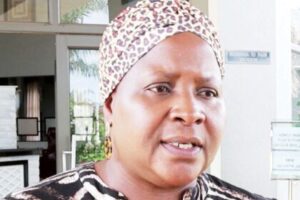
Minister of Health Khumbize Kandodo Chiponda says her ministry is set to conduct a comprehensive audit of the workforce in health facilities, citing concerns over the possible presence of ghost workers.
Chiponda made the remarks in Mzuzu on Friday after commissioning the expansion and rehabilitation of Mzuzu Urban Community Hospital, alongside 11 other hospitals in the Northern Region, under the Germany-funded Basic Health Services Project.
Khumbize
The minister noted that, despite the recruitment of over 22,000 health workers across various cadres, staffing shortages continue to hinder service delivery.
“We want to have a clear database of all workers for example, how many people are working at Rumphi Hospital or Mzuzu Central Hospital? We do not want to have ghost workers,” she said.
On the €10 million Basic Health Services Project,Chiponda commended the German government for its support, noting that most of the rehabilitated hospitals are located in rural areas.
German Ambassador to Malawi Ute König praised the quality of the work, despite challenges such as COVID-19 and adverse weather conditions that affected timelines.