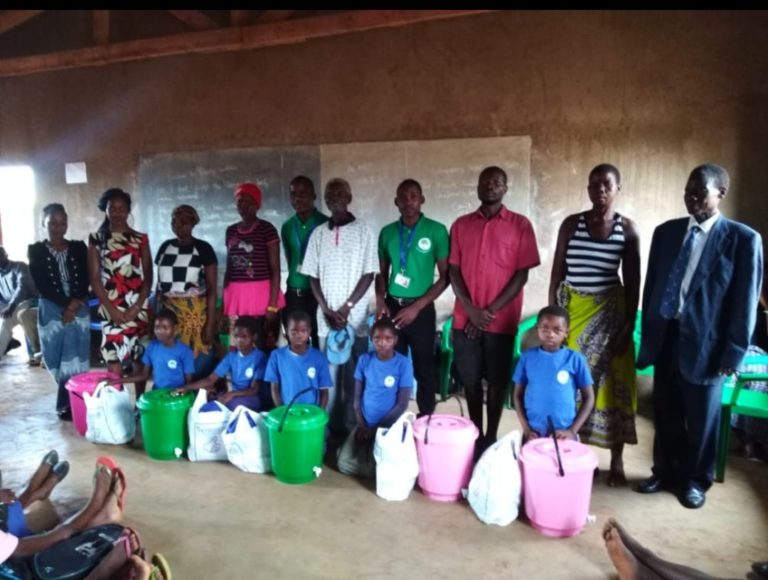
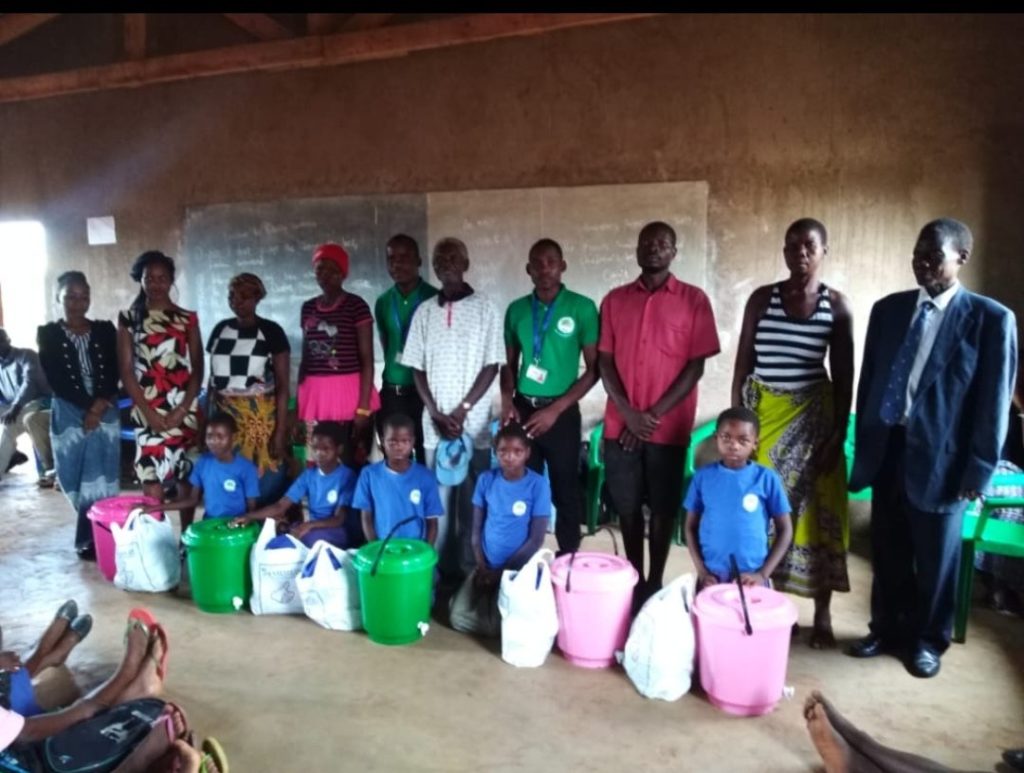
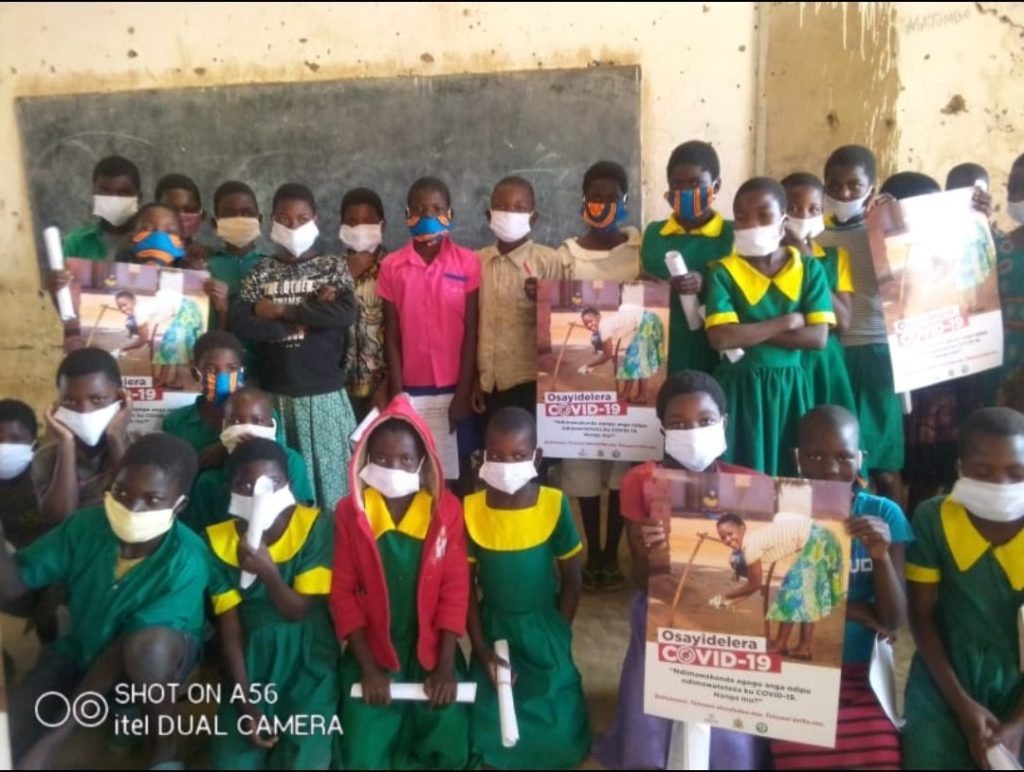
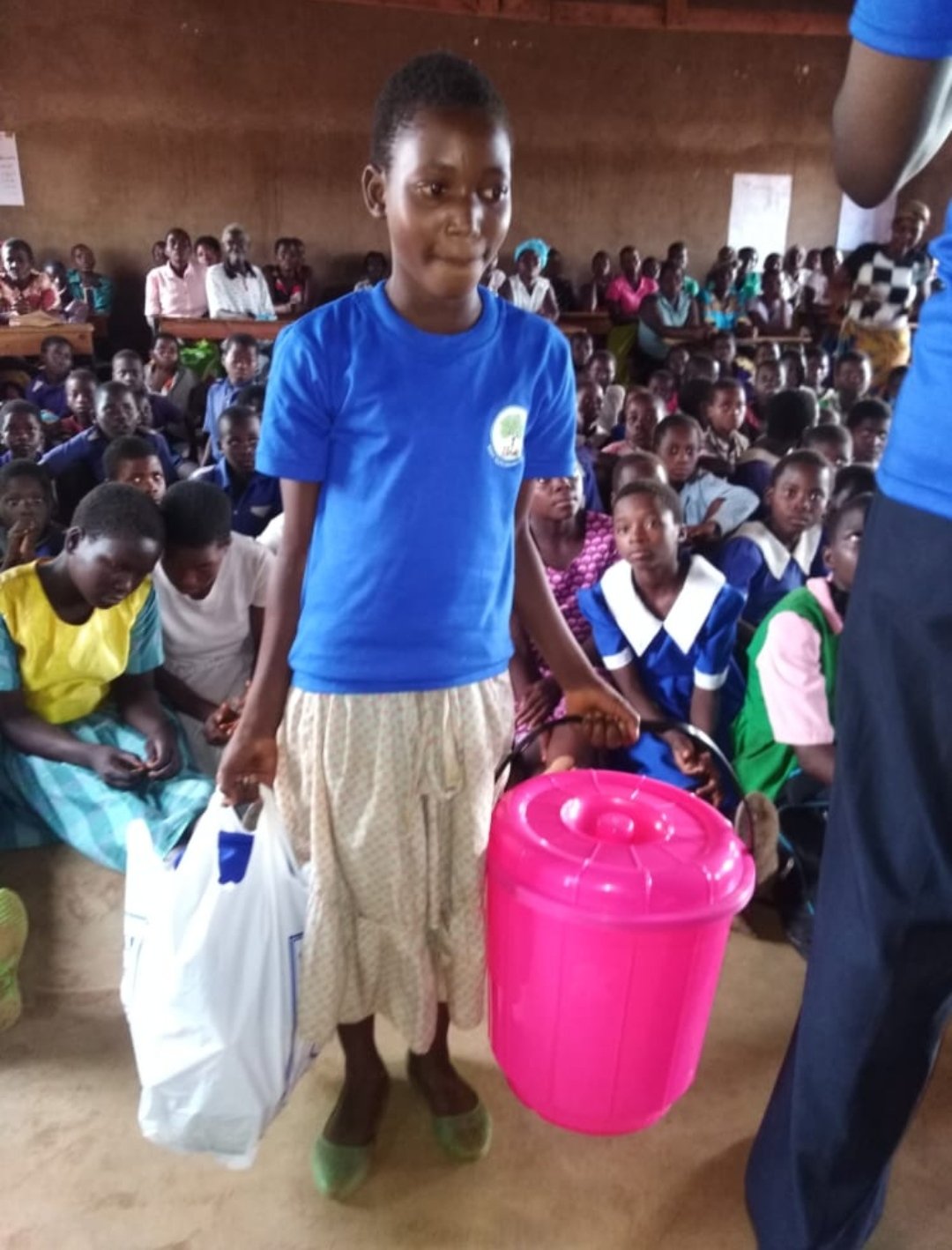
As one way of making sure that students are accessing quality education, a Lunzu-based youth non-governmental organization, Mzati Youth Organization on Saturday donated assorted school necessities to students at Chigodi Primary school in Lunzu, Blantyre.The school necessities include exercise books, pens, soap, toothpastes, mathematical instruments and school uniforms.
Speaking when making the donation, Executive Director for Mzati Youth Organization Lawrence Kumpama said their organization always believes in the importance of education hence made the donation so as to help those who cannot because they do not have the school necessities have the chance to do. ” As a youth organization, we always believe in the importance of education and educating a child most especially a girl child hence making the donation to these students so as they can have a chance of going to without any challenge. ” You know sometimes, students miss classes because they do not have exercise books, uniforms, instruments and even pens. We feel their pain when we see them not going to school for lacking these things and that is why we do share a little we have to make education accessible to all”, said Kumpama.
Kumpama said despite their organization have passion in helping the needy students in primary schools, they still meet challenges to make things happen. He said currently, the organization has no any donor or sponsor to fund their projects making it hard for them to reach out many schools with support hence called on the government and other well wisher for financial support towards the organization’s projects. ” Currently, we do not have any donor or sponsor to fund our projects so as we reach to many students in various schools. In all activities we do, we depend on I the executive officer and my friend Gift John who is the organization’s Programs Officer. “I and my friend John wake up early in the morning everyday and stand on Chileka road around Kameza roundabout to sell sausages for us to get money to support the office like office rentals, school fees for the students, and other office support. We really need support for our works to be done smoothly”, said Kumpama.
In his remarks, the school headteacher at Chigodi Primary School Felix Malekano thanked Mzati youth organization for making the donation at his school and called on other organizations to emulate what Mzati is doing. ” I am very happy that Mzati is here at Chigodi Primary School donating these items to the students. This should not just end here, we pray for the organization to have donars and supporters so as they reach out many students with the support”, said Malekano.
Malekano said at a time before the donation made, they were registering a high number of students missing the classes due to lack of school uniforms and other school materials but now he has hope that with the school uniforms and other schools materials they have received from the organization, the number will go down.
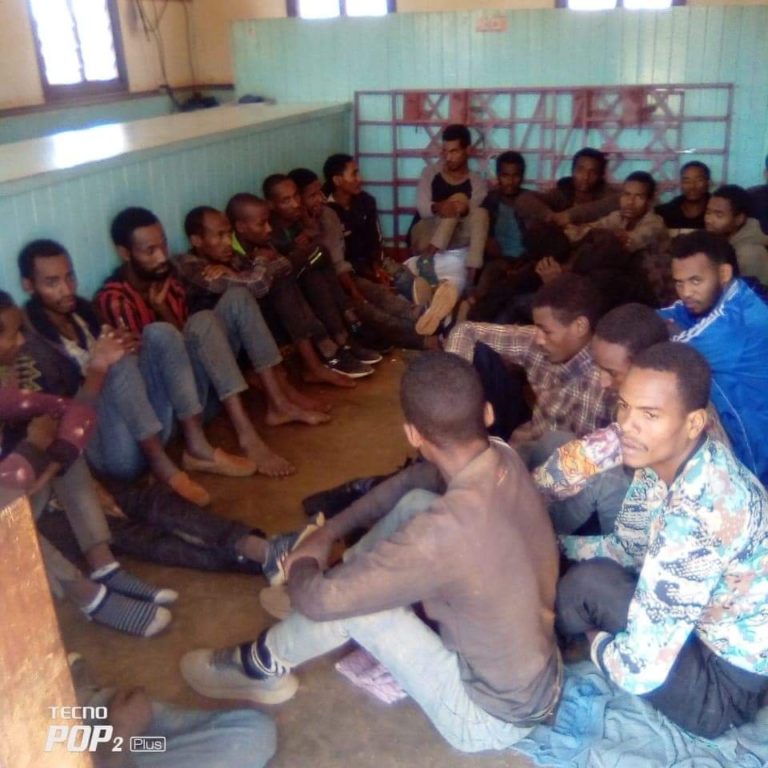
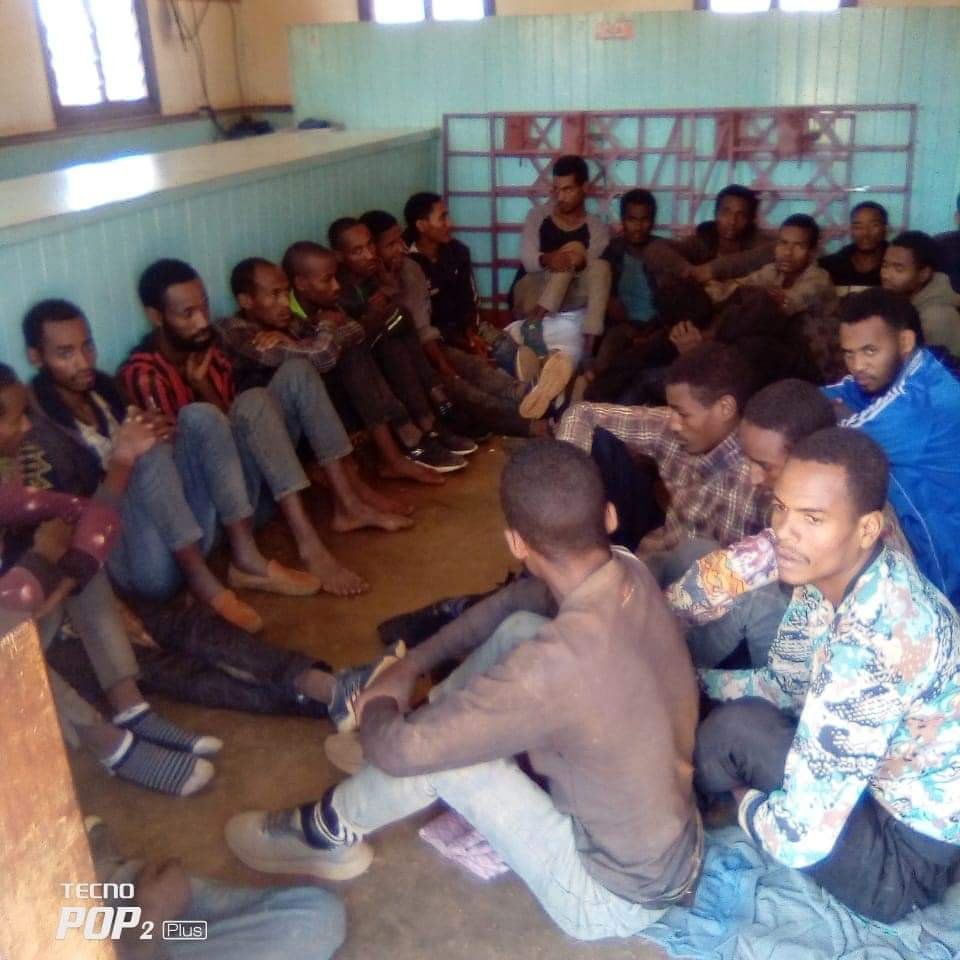
The Immigration Office in Lilongwe will this Wednesday deport over 100 Ethiopians back to their home country for illegally entering the country.
Central Region Immigration spokesperson Martin Gongolo has confirmed the development. He says the illegal immigrants will be deported through the Kamuzu International Airport in Lilongwe.
According to Gongolo, the Ethiopians were arrested between November last year and March this year.
“They will board an Ethiopian airline plane which has been chartered by the International Organisation on Migration (I.O.M),” he says.
Back in July this year,Police in Chitipa arrested 77 Ethiopians who had entered Malawi illegally
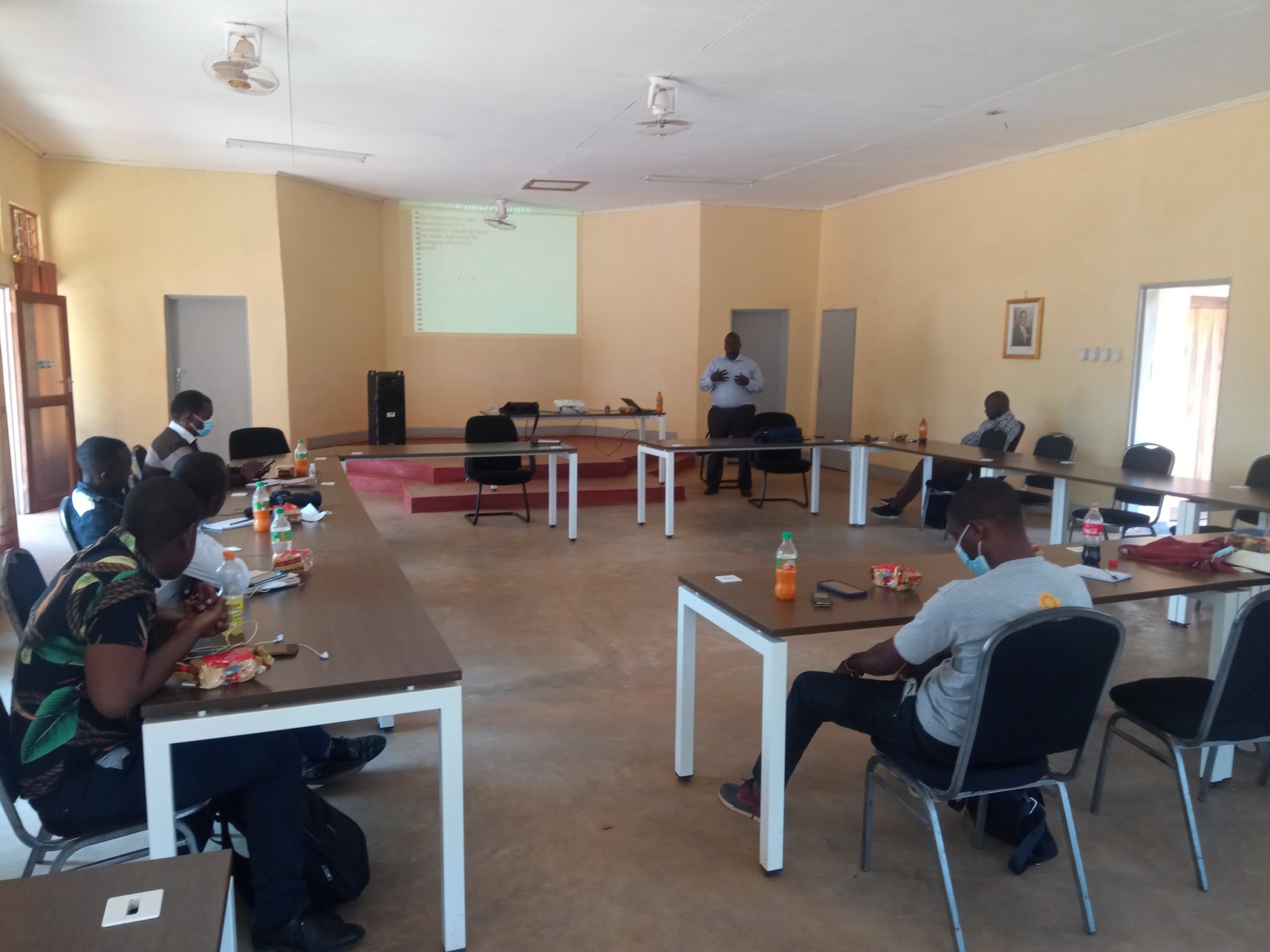
The Department of Disaster Management Affairs (DoDMA) in Karonga District has on Monday drilled Karonga based journalists on effective reporting on disaster risk management to enhance correct and positive reporting.
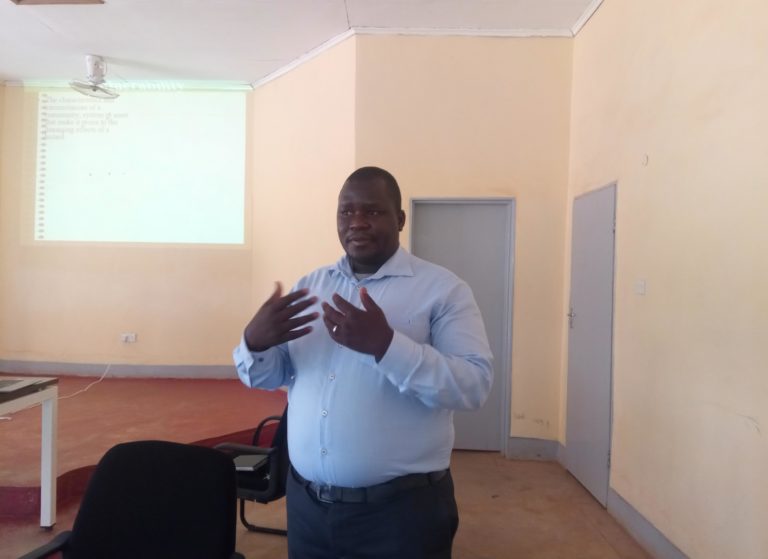
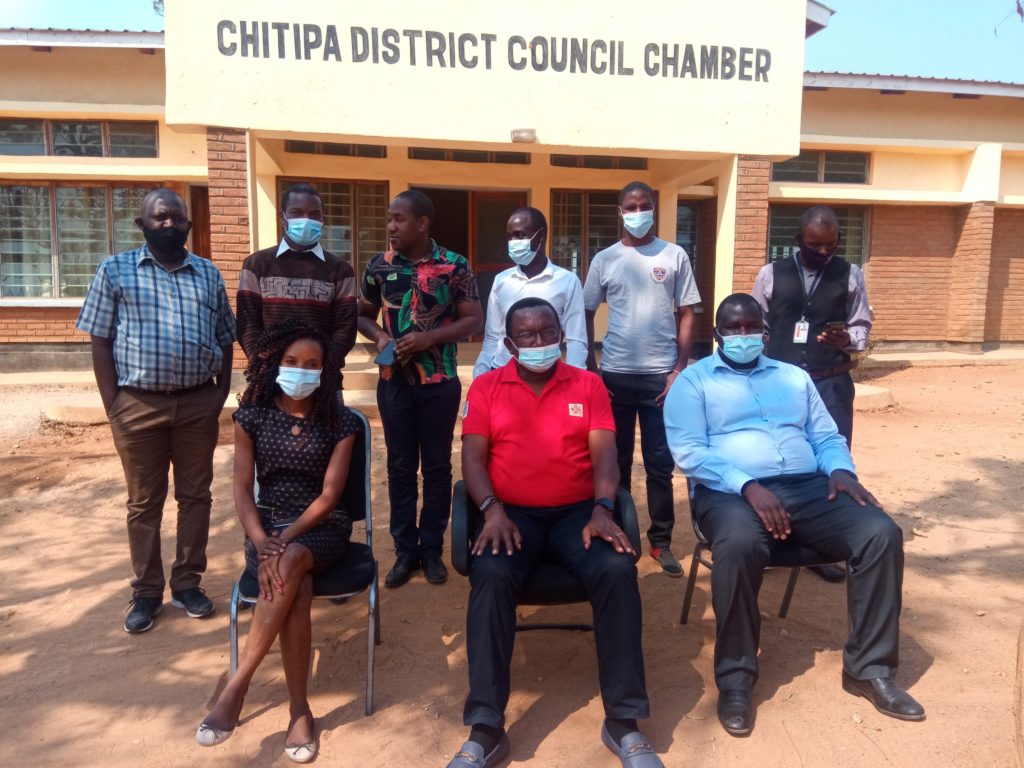
Speaking after disaster risk management orientation workshop for news reporters that took place at Chitipa District Council Chamber, the district Relief and Rehabilitation Officer, Shepherd Jere said journalists have a vital role in dissemination of information hence the need for the orientation.
He said: “The media is a very powerful resource in disseminating information about disaster risk management, so to reduce the communication gap between district council officials and the media practitioners we thought it wise to come together. “Our interaction was meant to share knowledge on what we are doing about disaster risk management and enlighten the media of effective ways of reporting on disaster risk management through which impacts of disasters can be mitigated.”
Jere has since urged journalists in the district to put more efforts in reporting about mitigation of the effects of disasters. “As much as journalists focus on reporting on the extent of the damage of a disaster, they should also focus on reporting on the mitigation, preparedness, response and recovery measures to the communities to reduce the impacts of disasters when they occur.” He said.
On his part, District Commissioner for Karonga, Paul Kalilombe hailed the workshop saying it is very important because disasters are a very sensitive issue and the media is a the means of disseminating information about disasters. “It is very important that the media should be oriented on disaster reporting because we want to establish common procedures when reporting on disasters in the district.” He said.
In a separate interview with one of the reporters who attended the workshop, Lusekero Mhango described the orientation as an eye opener. “The workshop has been an eye opener because we have gained a lot of knowledge on effective reporting on disaster risk management and we need more of these workshops so that we can always report effectively about floods.” He said The disaster risk management orientation workshop brought together selected reporters who are based in Karonga District.
Standard Bank recently convened a virtual matchmaking conference for Malawian and other African suppliers who the bank matched with Chinese buyers as way of increasing trade flows between Africa and its largest export partner.
The conference – Supply Demand Virtual Matchmaking Conference – was organized by Industrial Commercial Bank of China (ICBC) ahead of the 2nd China-Africa Economic and Trade Expo (CAETE) slated for this month end in China’s Hunan Province.
ICBC, the world’s largest bank by assets, has a controlling stake of 20 percent in Standard Bank Group and has over the years facilitated the opening up of a trade flows between Africa and China.
Head, Business and Commercial Clients at Standard Bank, Graham Chipande
Standard Bank on the other hand operates a trade corridor facility known as Africa China Trade Solutions (ACTS) which is designed to facilitate Sino-Africa trade by doing away with logistical and trade barriers.
During the matchmaking event two Malawian businesses, Nyasa Mining Cooperative (precious stones and jewels) and Saeed Investments Limited (farm produce), were paired with numerous buyers from China, kick-starting a process where they will enhance their export capabilities through creation and nurturing of synergies within respective industries.
The two companies will send samples to the Expo to further increase both network reach and visibility of their products.
The Expo will attract over 500 businesses from across 16 African economies.
Head, Business and Commercial Clients at Standard Bank, Graham Chipande, says the matchmaking exercise and sending of samples to Hunan gives Malawian businesses a chance to penetrate Chinese market and make substantial export gains in the post Covid-19 era.
“Many local businesses are looking for ways to diversify. Standard Bank is therefore connecting clients to right suppliers and buyers to build a comprehensive trade corridor between Malawi and China. In doing so we are finding new ways of making things possible for our clients,” says Chipande.
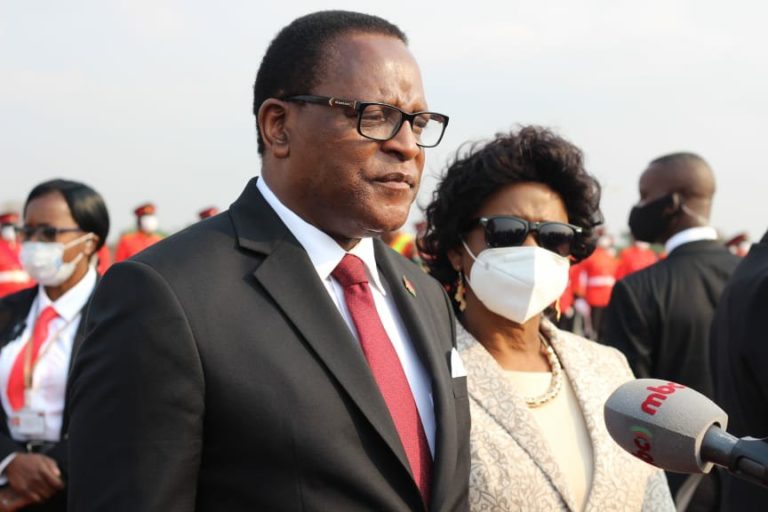
That President Lazarus Chakwera wishes Malawians well is incontestable. Slightly over a year in office, President Chakwera has already demonstrated, through speech and action, his burning desire to ensure that the interests and aspirations of the people of Malawi, especially the ultra-poor, are at the centre of all business of the Malawi Congress Party (MCP) government.
President Chakwera is a servant leader whose main focus is on growth of the economy and well-being of Malawians. The President has encouraged Malawians to reject the notion Malawi is a poor country, arguing that with US$85 million in gold exported to the Middle East every year, “surely my country is not poor”. Malawi, with a freshwater lake and multiple rivers capable of generating US$100 million a year in revenue, cannot be a poor country, the President further contends. Malawi poverty is “man-made”, says the Malawi leader, and that Malawi is a country stripped of its God-given wealth and potential by syndicates of people in the public sector who have exploited decades of bad government policies and practices to enrich themselves at the expense of Malawians. President Chakwera’s solemn pledge is that this ‘man-made’ poverty is going to be “unmad
Since coming to power, the President and his administration have gone full-throttle, implementing social and economic programmes that are primarily aimed at achieving a better life for all Malawians. Agriculture, the mainstay of the economy, which accounts for a third of the country’s Gross Domestic Product (GDP), significantly contributes to employment, economic growth, export earnings, poverty reduction, food security, and nutrition in Malawi. In that regard, the Chakwera administration has initiated radical reforms in the agriculture sector, especially in pursuit of transforming the ‘traditional’ farming for food into agribusiness, which will encompass food production, marketing and management of agricultural commodities like grains, vegetables, fruits and livestock. But most importantly, in order to achieve household and national food security, in the short and medium term, the Chakwera administration successfully implemented the Agriculture Input Program (AIP) during the last farming season, which has resulted in an unprecedented harvest, with a huge surplus. Most Malawian households are now food security. Under the AIP, 4.3 million smallholder farmers received subsidized seeds and fertilizers. This has been one of the most success stories of the one-year old administration.
President Chakwera
Super Hi5 in Motion
The Super Hi5 agenda will indeed help his administration build a New Malawi that would be enjoyed by all Malawians in all corners of the country through the guided implementation of social and economic reforms. President Chakwera has initiated reforms in various sectors, including the three arms of government, namely the Executive, Judiciary, and Legislature, all aimed at improving service delivery for the benefit of Malawians.
On reforming the EXECUTIVE, the Chakwera administration initiated a full-scale orientation of the public sector to the President’s Super Hi5 agenda pillars, which are Servant Leadership, Uniting Malawi, Prospering Together, Ending Corruption, and Rule of Law. This programme is already in motion. It began with Controlling Officers, to promote and inculcate the public sector reforms necessary for mind-set change and structural reform as a catalyst for achieving Sustainable Development Goals (SDGs). To fast track this process, the President has already put in place the key performance indicators for ensuring that he and cabinet ministers embody the Super Hi5 pillars by their example. In fulfilment of an accountable and transparent government, the President has appeared before Parliament several times to respond to questions from Members of Parliament (MPs) as required by the Malawi Constitution, which never happened with the previous Presidents. Additionally, the State House has been holding regular media briefs to update Malawians on government’s engagements and those of the President, and provide them with other information of public importance. Furthermore, to ensure that Malawians prosper together, President Chakwera appointed a cabinet with the highest representation of women and young people in history.
As a demonstration of his commitment to ending corruption, President Chakwera has made the Anti-Corruption Bureau (ACB) fully independent and resourced to investigate and prosecute financial crimes.
On the JUDICIARY, the President has pledged his full support of the Judiciary’s reform agenda. President Chakwera he has keenly followed and supported the innovative approaches to justice that the Judiciary has been undertaking. Below the Supreme Court, which now sits as a full bench of not less than seven (7) Justices of Appeal, specialized divisions of the High Court have been created, including the Criminal Division, Civil Division, Commercial Division, and Revenue Division and plans have been at an advanced stage to establish the Probate and Family Division, as well as the Financial Crimes Division to fast track the disposal of corruption cases.
This has increased the number of Judges of the High Court to support the new divisions, clear a backlog of cases, and ensure a fair distribution of work across the justice system. It has also meant improving both the number and distribution of courts across the country, with the goal of having Senior Resident Magistrates in all 28 Districts by the end of 2022. 50 Non-Professional Magistrates have been recruited and deployed to satellite courts throughout the country, and a functional review of the proposed reforms is about to be completed.
Considering the crucial role that the Judiciary plays in the upholding of democracy, human rights and rule of law, President Chakwera has said it is unacceptable that the entire Judiciary be allocated less than one (1) percent of the National Budget.The Head of State has since asked Parliament to support his administration’s measures to correct this and ring-fence the Judiciary’s funding. It is not right that the Judiciary should be at the mercy of the Executive for its finances, nor to operate without proper infrastructure, courtrooms, or offices, the President has said. To address the challenge of improper infrastructure, the government is in the process of constructing a state-of-the-art Judicial Complex opposite Parliament Building in Lilongwe which will comprise the Court House, the Sherriff’s Warehouse, and official residence of the Chief Justice. The government has also introduced a Customs Procedures Code (CPC) to cater for duty free importation of motor vehicles by the Justices of Appeal and High Court Judges, among other public officers.
President Chakwera believes that there can be no ‘New Malawi’ until the courts are able to administer justice without hindrance and that all Malawians are equal under the law, so justice must never be the preserve of the rich or powerful. President Chakwera has emphasized that the LEGISLATURE has a critical role to play in consolidating democracy and that being a house of representatives, it gives citizens the chance to participate in the governance process. It is for that reason, that President Chakwera’s administration is supporting the implementation of the development of the 2020-2025 Parliament of Malawi Strategic Plan to guide implementation of activities; and the automation of both the Hansard Transcription System and Chamber Voting System to address delays.
The government will also construct Constituency Offices to serve as permanent points of access for Malawians to reach their MPs and also construct new office blocks to increase Committee Rooms and offices for MPs and parliamentary staff, among others.
Conclusion
President Chakwera’s administration officially launched the Malawi Vision 2063, which is national development blueprint developed through a consultative process by the government, through National Planning Commission. The Malawi Vision 2063 core objective is that Malawi becomes an inclusively self-reliant middle-income economy by the set year. All what President Chakwera and his government plan and implement in the short, medium and long term, is and will be aligned to the 2063 vision.
In his ‘Foreword’ contained in the Vision 2063 development blueprint, President Chakwera observes that while some commendable development strides have been made over the years of political independence, Malawi is far from attaining economic independence. The President says time has come for Malawians to create wealth in an inclusive manner and be self-reliant. “As a country, we are endowed with abundant natural, human and cultural resources. We now have a youth-centric Vision that shall take us from the basics for attaining economic freedom to our children living dignified lives and forever walking tall on the face of the Earth.
“You can count on me as your leader in laying the foundations for attaining this much desired Vision. Know this, however, fellow Malawians, beyond me and any future leader giving you the much-needed leadership, you too are leaders, although without the given leadership titles,” the President says. It is in that spirit that Malawians, regardless of politics, religion, tribe, region, race or creed, should support the President’s agenda of taking Malawi to another social and economic development level. It is possible!