
Saturday, December 27, 2025
No menu items!
spot_img
Home Blog Page 233

Expert says Malawi needs industrial automation for economic growth

0

By Chisomo Phiri

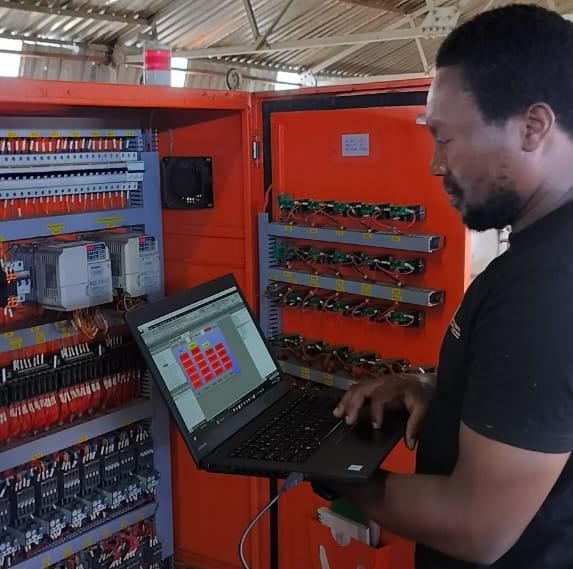
Malawian Electrical and Automation Technician based in South Africa, Chimwemwe Phiri, says  industrial automation has the potential to transform the Malawi’s economy if well utilized.

Industrial automation is the use of robotics, machines and control systems to perform tasks that can be carried out by human workers. 
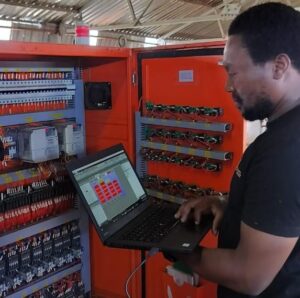


In an interview with 247 Malawi News, Phiri, who works with a Danish company called Fibertex South Africa, said automation can boost productivity, reduce costs, and foster innovation.

He said automation can create new job opportunities, particularly in technology and related fields, despite potential job replacement in certain sectors.

“Automation leads to economic growth, higher living standards, and increased competitiveness for businesses,” said Phiri.

The automation expert noted that one of the greatest challenges in Malawi is that most companies do not provide lifelong learning opportunities for their workforce.

He urged companies to encourage lifelong learning by providing resources and incentives for individuals to acquire automation skills.

In terms of the manufacturing industry, Phiri said automation can improve competitiveness by improving product quality and increasing production speed.

“Automation gives flexibility and adaptability to machines, allowing manufacturers to easily switch between different products and production processes,” he said.

Phiri cited automated farming as one of the most successful automation projects that has made a significant difference in the world.

He also urged the government and private sector to invest in Science ,Technology,Engineering and Mathematics (STEM) education and training, as this is crucial for the country’s economic development.

“The government should invest in STEM projects to ensure that future generations have the skills needed to succeed in an economy that is increasingly dependent on technology and automation.

“The private sector should focus on upskilling the existing workforce by providing education and training tailored to specific industry needs,” said Phiri.

The automation expert emphasized the importance of automation in the agriculture sector, particularly in agro-processing.

“Malawi produces sunflower seeds and soya, but we fail to flood the market with cooking oil. Automation can make a significant impact if it is focused on the agriculture sector,” he said.

Africa’s wealth inequality crisis: Oxfam report reveals alarming disparities

0

By Jones Gadama

Oxfam Africa has sounded the alarm on the growing wealth inequality across the continent, highlighting the dire consequences of policy failures that favor the rich at the expense of the poor.

According to the organization’s latest report, “Africa’s Inequality Crisis and the Rise of the Super-Rich,” Africa is one of the world’s most unequal regions, with some of the highest poverty rates.

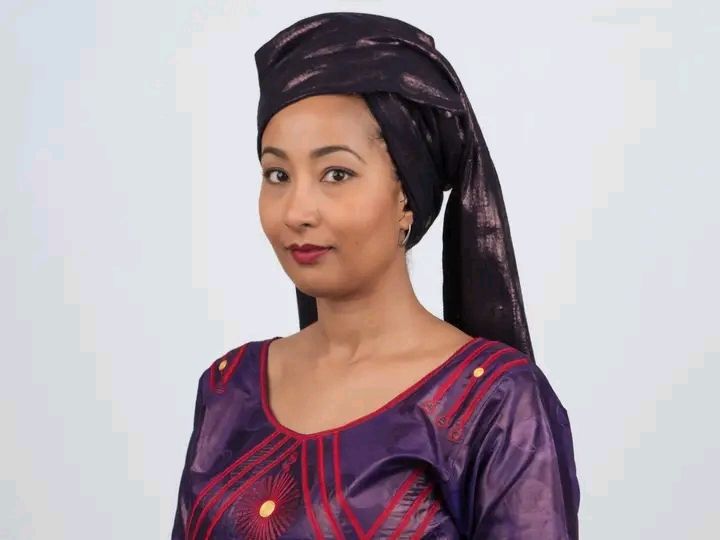
Fati N’Zi-Hassane


The report reveals that Africa’s four richest billionaires hold a staggering $57.4 billion in wealth, more than the combined wealth of 750 million people, or half the continent’s population.

The richest 5% of Africans now hold nearly $4 trillion in wealth, more than double the combined wealth of the remaining 95% of the population. Meanwhile, the poorest 50% own less than 1% of the continent’s wealth.

Fati N’Zi-Hassane, Africa Director for Oxfam, attributes the alarming disparities to policy failures, stating, “Africa’s wealth is not missing. It’s being siphoned off by a rigged system that allows a small elite to amass vast fortunes while denying hundreds of millions even the most basic services.”

The report notes that African governments collect only 0.3% of GDP in wealth taxes, the lowest rate globally.

The report urges African governments to adopt more equitable policies, including progressive taxation and increased investment in public services. N’Zi-Hassane emphasizes, “Tax the rich and invest in the majority. Anything less is a betrayal.”

The report’s findings serve as a call to action for African leaders to address the growing wealth inequality and promote more inclusive economic growth.

Vice President Usi Launches Maseko Ngoni Heritage Website to Promote Tourism and Cultural Preservation

0

By Wadza Botomani

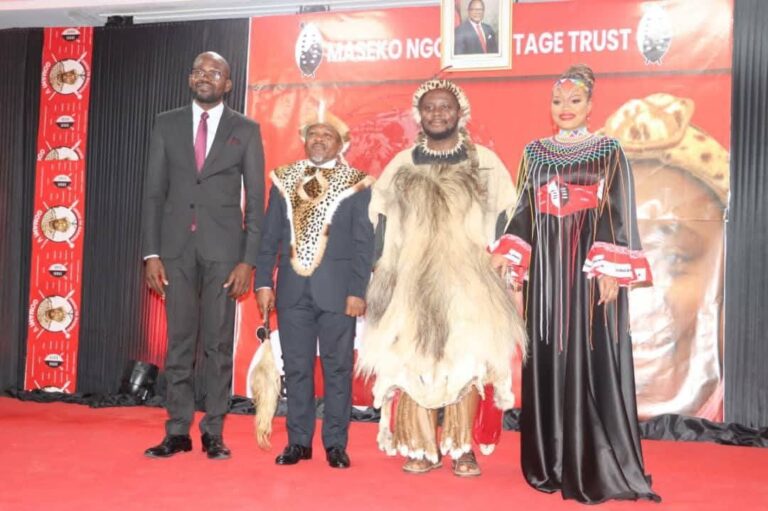
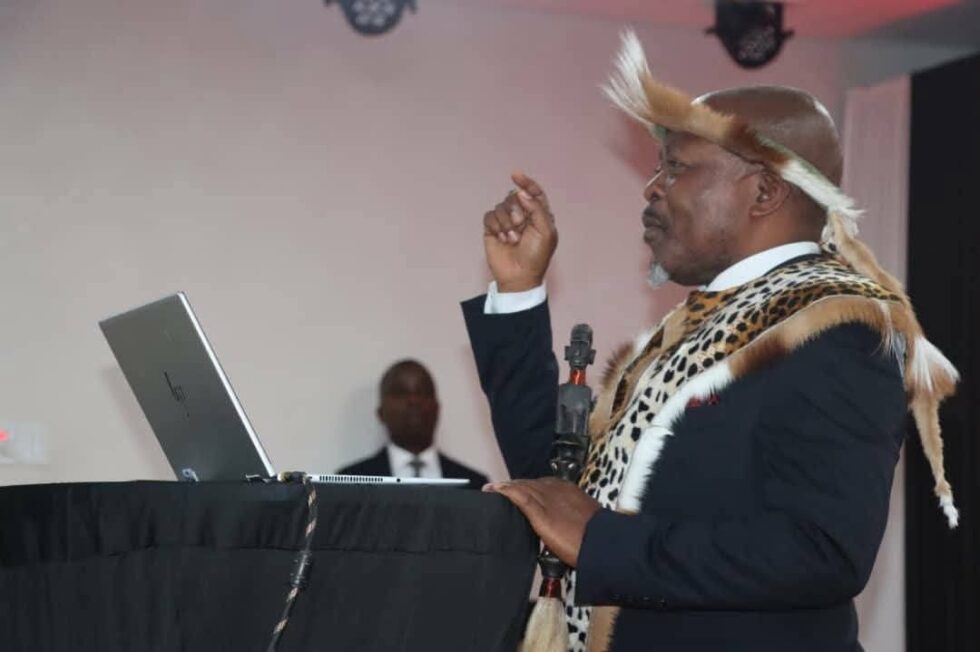
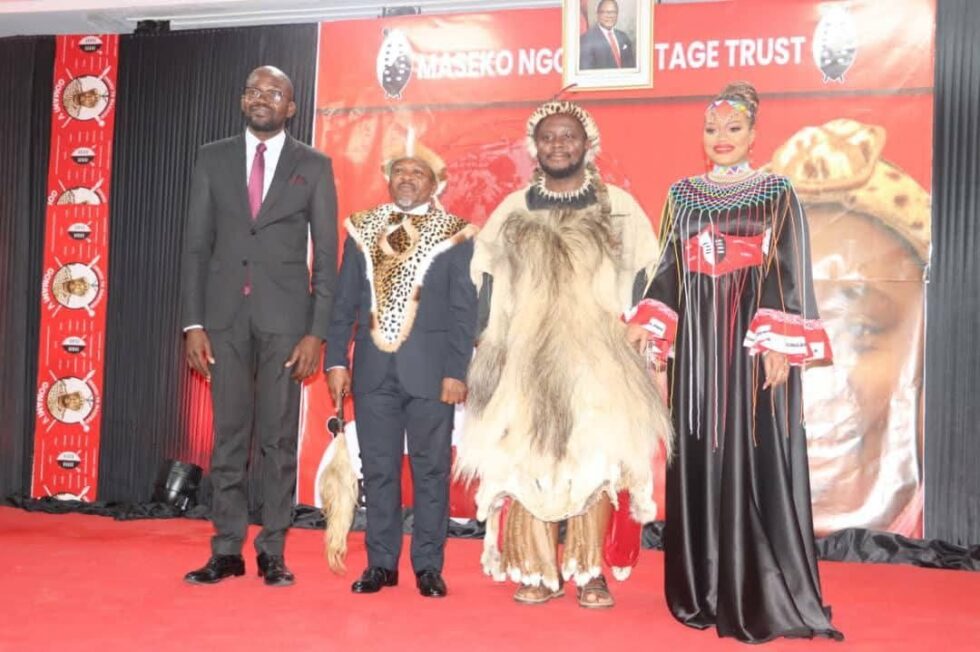
Vice President Dr. Michael Usi has expressed optimism that the newly launched Maseko Ngoni Heritage website will serve as a vital platform for promoting tourism and economic opportunities in Malawi and beyond. He made the remarks on Thursday in Blantyre while presiding over the official launch of the website, which aims to showcase the cultural festivals, historical sites, and artefacts of the Maseko Ngoni people. 

Dr. Usi emphasized that the website will not only boost tourism but also create job opportunities in line with Malawi’s 2063 national development vision. He stated, “It is my sincere hope that the website will promote unity and identity by showcasing the achievements and contributions of the Maseko Ngoni, ensuring that their legacy remains vibrant and accessible to future generations.” He also encouraged Malawian youth to actively engage with the platform to learn about their heritage, including traditions, language, and customs, and to take ownership of preserving their cultural identity. 

Michael Usi


Moses Kunkuyu, Minister of Information and Digitalisation, praised the initiative, stating that it aligns with the government’s goal of promoting digital inclusion and cultural preservation. He said, “As the ministry responsible for information and digitization, we take pride in witnessing the fusion of Malawi’s rich cultural heritage with modern technologies. This digital archive opens doors for education, tourism, cultural exchange, and national pride.” 

Inkosi ya Makosi Gomani, a key leader of the Maseko Ngoni, highlighted the importance of preserving the tribe’s history and encouraged other Malawian communities to follow suit. “The Maseko Ngoni have a rich and beautiful history that people from all walks of life need to know. We urge other tribes to embrace similar initiatives to safeguard our collective heritage,” he said. 

In a show of support for the project, Vice President Usi donated K5 million to the Maseko Ngoni Heritage initiative. The website, accessible at www.masengoni.org.mw, is expected to serve as a valuable resource for researchers, tourists, and Malawians seeking to connect with their cultural roots while contributing to the country’s socio-economic growth.

U.S. Diplomat Concludes Malawi Tour with Call for Peaceful Elections

0

By Wadza Botomani

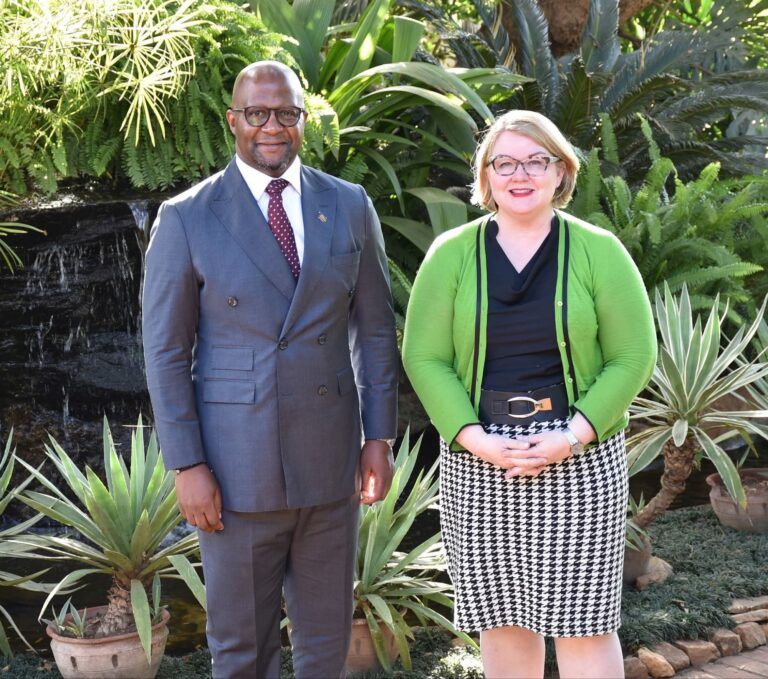
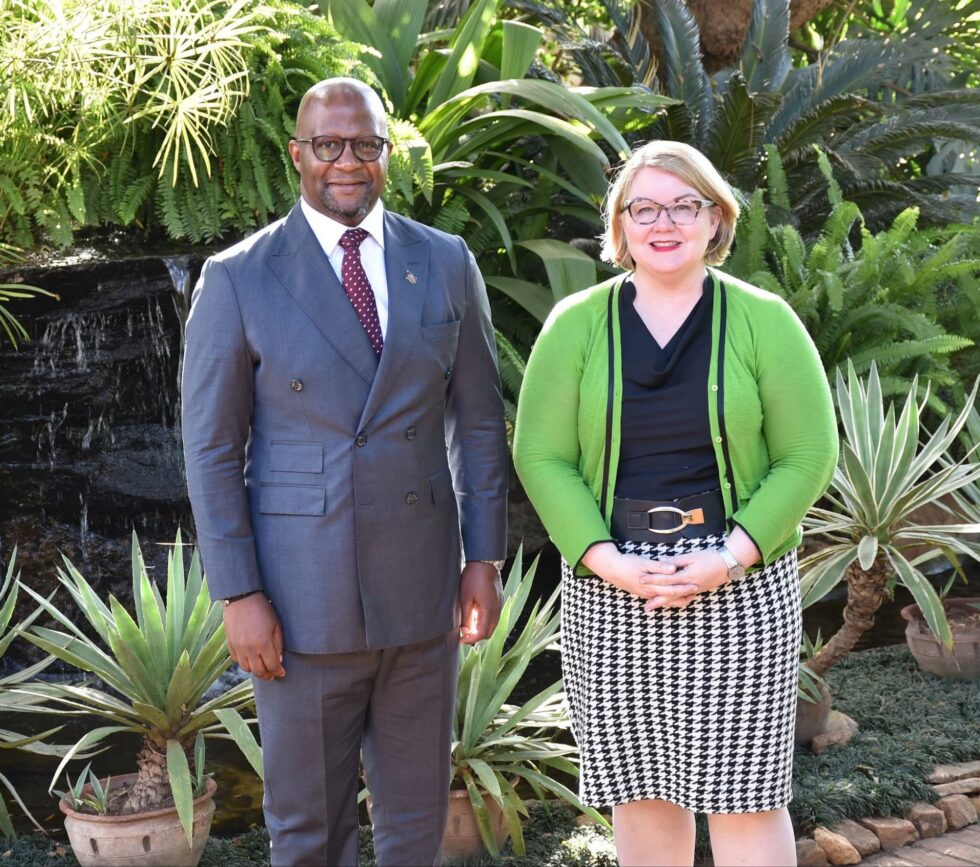
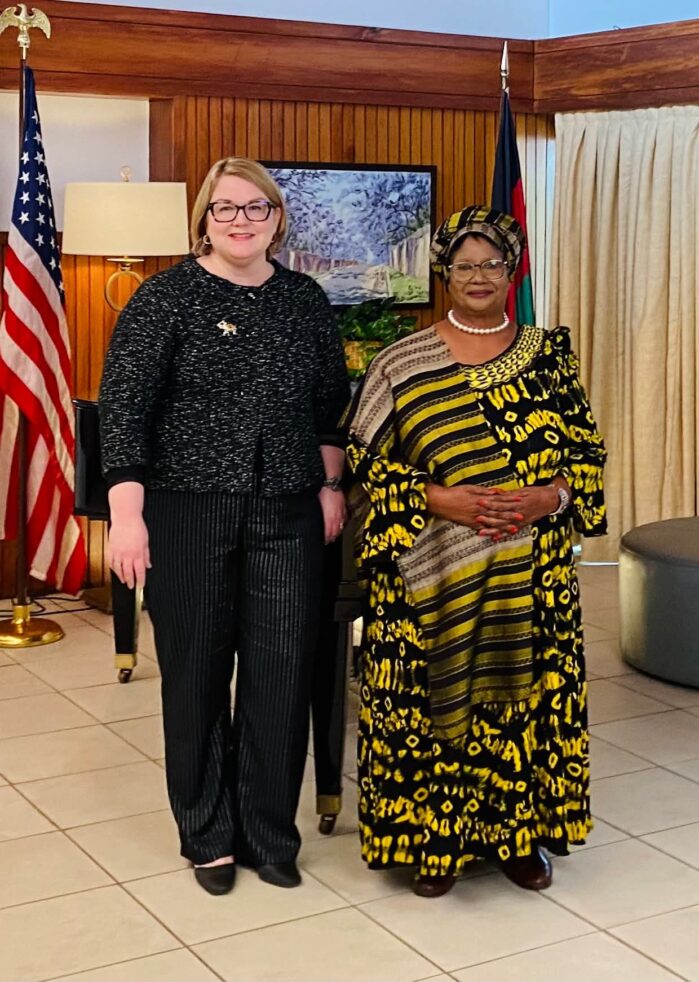
Outgoing U.S. Chargé d’Affaires Amy Diaz has wrapped up her diplomatic assignment in Malawi with a series of farewell meetings with the country’s political leaders, emphasizing the importance of maintaining peace and democratic principles ahead of next year’s elections. 

Diaz held discussions with prominent figures including former presidents Peter Mutharika and Joyce Banda, Democratic Progressive Party (DPP) secretary general Grezelder Jeffrey, United Democratic Front (UDF) leader Atupele Muluzi, and other key political stakeholders. The talks centered on safeguarding democratic values and preventing political violence in the lead-up to the September 16, 2025, general elections.

Diaz with Atupele Muluzi


“During my farewell meetings with Malawian political party leaders, we spoke about the importance of upholding democratic values and avoiding political violence,” Diaz said. “I stressed the need to maintain peace during the run-up to the elections.” 

Her engagements underscored the U.S. government’s commitment to supporting Malawi’s democracy and stability. Diaz’s tenure in the country saw strengthened bilateral ties, particularly in governance, health, and economic development. 

As she departs, her message to Malawi’s political class remains clear: a peaceful and credible electoral process is crucial for the nation’s progress. The U.S. Embassy is expected to continue advocating for free and fair elections as Malawi prepares for the 2025 polls.

Diaz with Dr Joyce Banda

Government Calls for Youth Involvement in Agriculture to Drive Malawi’s Self-Reliance

0

By Wadza Botomani

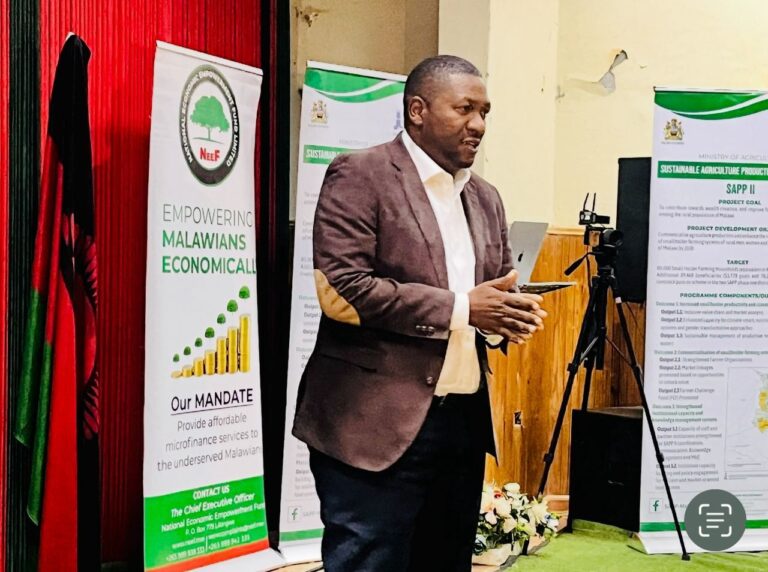
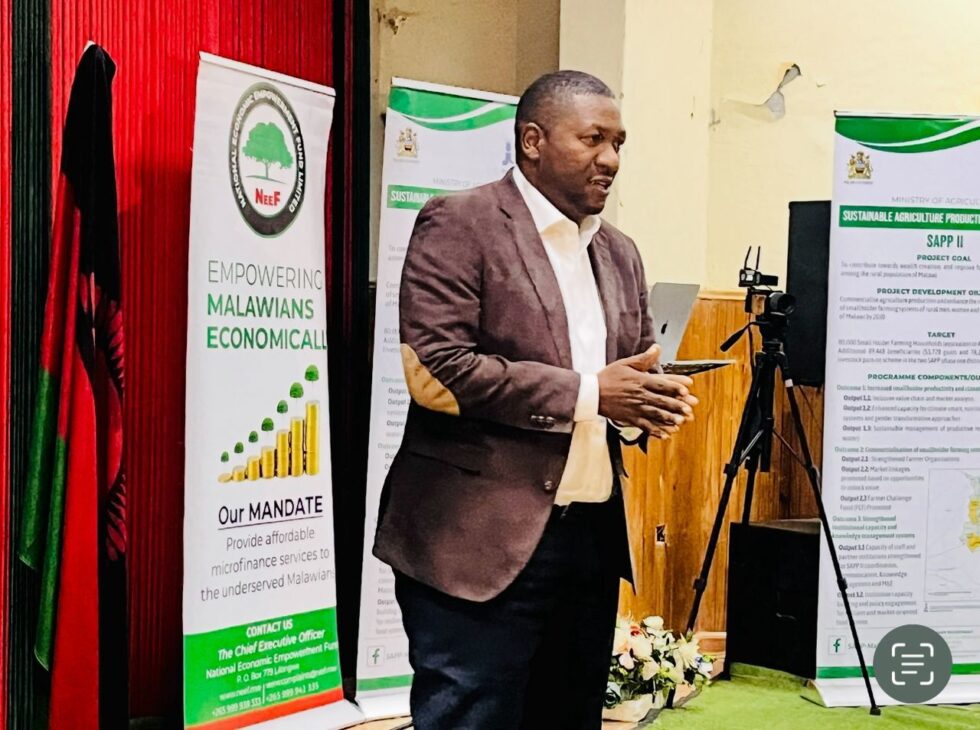
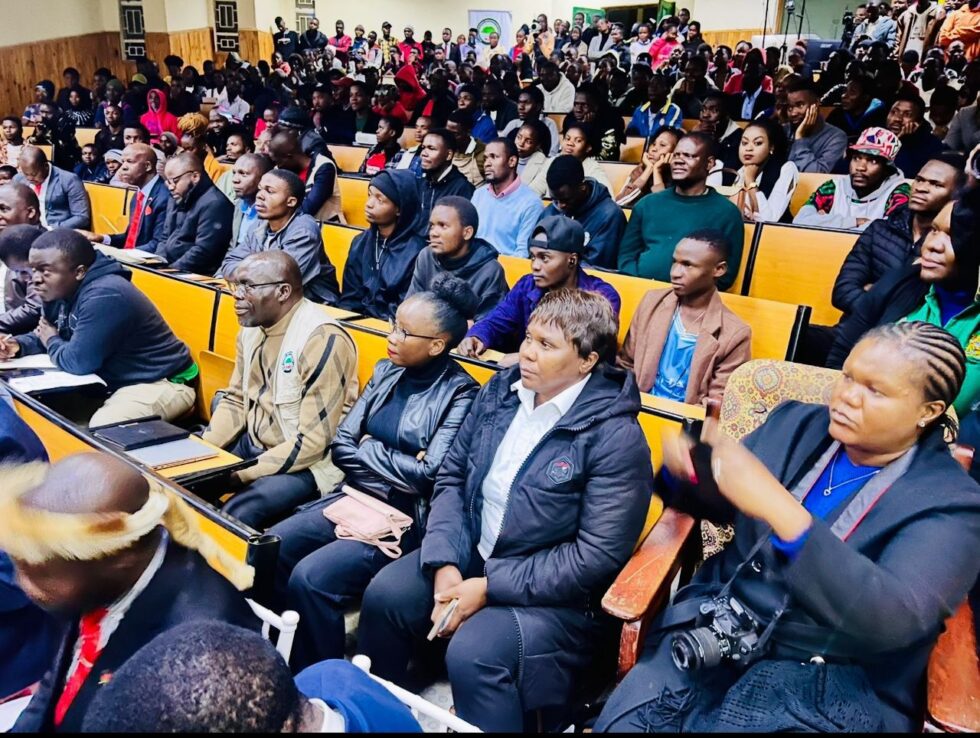
The Minister  of Agriculture Sam Kawale has urged students at Mzuzu University to actively participate in agriculture, emphasizing its role as the backbone of Malawi’s economy. The call was made during a public lecture titled “The Malawi We Want: Fostering Self-Reliance and Sustainable Development Through Agriculture,” held on Thursday night at the university. 

The lecture highlighted agriculture’s critical importance, with the sector employing over 80% of Malawi’s population and contributing significantly to the country’s GDP. Discussions focused on how academic programs at Mzuzu University are equipping students with skills in agricultural production, innovation, agribusiness, and value chain development to transform the sector. 

Sam Kawale


Key government initiatives under President Dr. Lazarus Chakwera’s administration were also outlined, including the Agricultural Commercialization (AGCOM) Project, climate-smart agriculture programs, the Youth Innovation Fund, and the National Economic Empowerment Fund (NEEF). These programs aim to boost productivity, enhance climate resilience, and create wealth through modernized agribusiness ventures. 

Students engaged actively, raising pressing questions on access to financing, land ownership, job creation, technology adoption, market access, and policy support. The official commended their enthusiasm and encouraged them to take advantage of available opportunities, stressing that their involvement is crucial for building a self-reliant and sustainably developed Malawi. 

The event concluded with a reaffirmed commitment to collaborative efforts in shaping a prosperous future for the country through agriculture. “Together, we can build the Malawi we want,” the official said.