
Tuesday, December 16, 2025
No menu items!
spot_img
Home Blog Page 24

Dr. Nkosazana Dlamini-Zuma calls for an end to the ill-treatment of Africans by fellow Africans


Former South African Minister and AU Commission Chairperson urges unity and respect among African nations

By Burnett Munthali

Former South African Minister of Home Affairs and African Union Commission Chairperson, Dr. Nkosazana Dlamini-Zuma, has called for an end to the ill-treatment of Africans by fellow African nationals.

She emphasized that Africans should treat one another with dignity, respect, and fairness, regardless of nationality or background.

Dr. Dlamini-Zuma highlighted that the mistreatment of African citizens within the continent undermines unity and hampers collective progress.

She further noted that incidents of discrimination, harassment, and xenophobic attacks among African nationals have persisted in several countries and must be addressed urgently.


The former minister urged governments, civil society, and community leaders to work together to promote tolerance and mutual understanding among African populations.

She stressed that unity and solidarity are critical for the continent’s development and for achieving the goals of the African Union’s Agenda 2063.

Dr. Dlamini-Zuma also called on individuals to reject prejudice and cultivate a culture of empathy, cooperation, and shared responsibility across borders.

Her statement comes amid growing concerns over reports of xenophobic incidents in parts of Africa, which have sparked regional and international condemnation.

She concluded by reiterating that Africans must embrace humanity and fairness toward one another to ensure a peaceful and prosperous continent for future generations.

A President in Hiding? Mutharika’s Unexplained Remembrance Day Absence Betrays a Nation’s Trust

By Wadza Botomani


In what should be the honeymoon phase of his dramatic political comeback, President Arthur Peter Mutharika has chosen to break with tradition by absenting himself from national Remembrance Day ceremonies, instead delegating his ministers to represent him at events across the country.

This decision has sparked concern among political analysts and citizens alike, raising fundamental questions about whether this represents a routine exercise of presidential power or a failure to fulfill core constitutional and symbolic duties. The 85-year-old leader, who secured a convincing electoral victory in the September 16 polls, has opted to remain conspicuously absent from this significant national event.

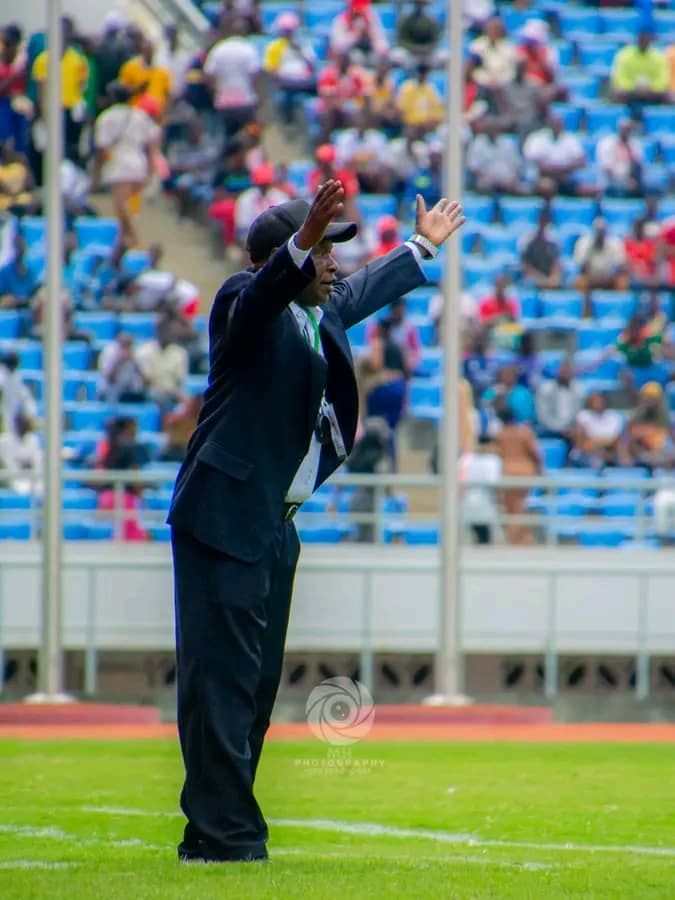
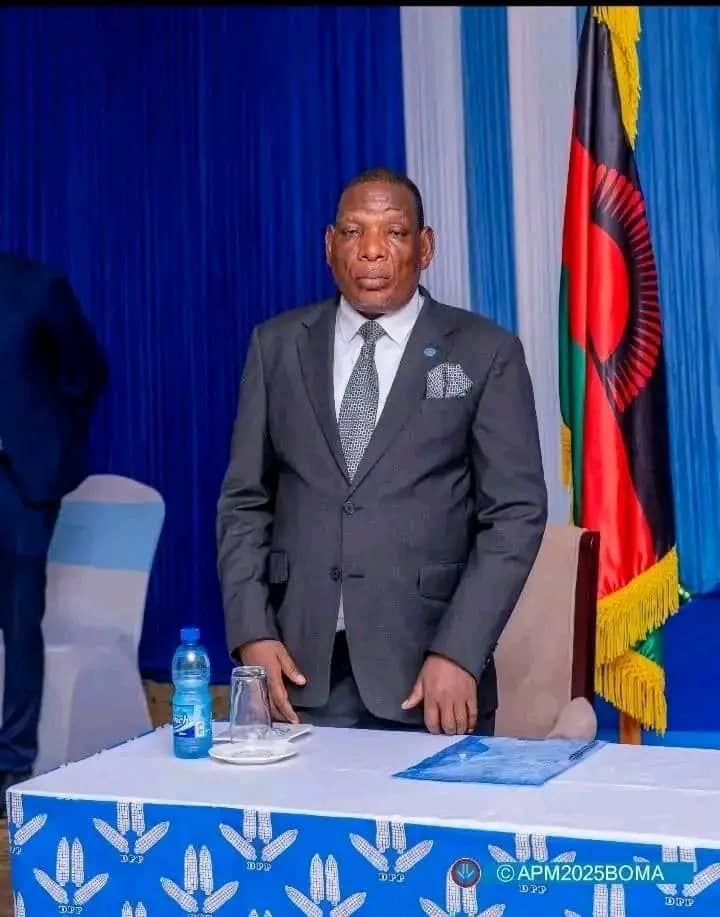
Mutharika, no show in Remembrance day events

The President delegated Jane Ansah to Zomba, Enock Chihana to Mzuzu, and Navicha to another ceremony, leaving Malawians with an information blackout as to the reasons behind his decision.

Under Malawi’s Constitution, the President serves as both Head of State and Government, bearing the responsibility to provide executive leadership in the interest of national unity. While the constitution does provide for delegation of functions, the critical question remains whether certain symbolic duties are so intrinsically tied to the office that their delegation constitutes an abrogation of fundamental responsibility.

The presidency is not merely an administrative office but the nation’s highest unifying symbol. When it comes to events that commemorate national sacrifice and identity, the physical presence of the President carries profound significance that cannot be fully transferred to surrogates.

This is not the first time Mutharika has employed strategic absence from public events. During his campaign, his limited appearance at political rallies was described by supporters as a calculated strategy. However, governing requires different norms than campaigning. What might be excused as political gamesmanship during an election becomes more concerning when applied to the solemn duties of national remembrance.

What makes this situation particularly worrying is the complete information blackout regarding the President’s reasoning. In a healthy democracy, citizens have a right to understand material decisions made by their leaders, especially when those decisions break with longstanding tradition. If the President had pressing state business or legitimate health concerns, straightforward communication would have demonstrated respect for the public’s right to know.

The silence, however, fuels speculation and undermines the principles of an open, accountable, and transparent Government. Mutharika himself recently challenged his newly sworn-in cabinet ministers to work with competence and integrity. These standards must apply equally to the president, particularly regarding communication and accountability for decisions that affect national unity.

To understand the gravity of this absence, one must appreciate what Martyrs’ Day represents. This national holiday honors the political heroes who gave their lives in the struggle against British colonialism. It is a powerful reminder of the bravery and determination of those who fought against colonial oppression and is deeply woven into the fabric of the nation’s history. When the President—who literally stands on the shoulders of these sacrifices—chooses to absent himself without explanation, it risks diminishing the significance of this national ritual and the sacrifices it commemorates.

President Mutharika inherits a nation facing severe challenges and has pledged to fix this country. However, leadership in times of crisis requires not only administrative competence but also symbolic stewardship that reinforces national unity and purpose. The new administration has moved swiftly on economic appointments, demonstrating an understanding of practical governance needs. Yet symbolic leadership matters equally, particularly for a president who vowed to provide renewed leadership. The public trust extends not only to policy decisions but to the symbolic duties that reinforce national identity.

While delegation is sometimes necessary, the decision to break with tradition without transparency demands greater accountability. President Mutharika owes Malawians an explanation. The “warm heart of Africa” deserves leaders who honor both the practical and symbolic dimensions of their office with equal commitment and transparency.

A President in Hiding? Mutharika’s Unexplained Remembrance Day Absence Betrays a Nation’s Trust

By Wadza Botomani


In what should be the honeymoon phase of his dramatic political comeback, President Arthur Peter Mutharika has chosen to break with tradition by absenting himself from national Remembrance Day ceremonies, instead delegating his ministers to represent him at events across the country.

This decision has sparked concern among political analysts and citizens alike, raising fundamental questions about whether this represents a routine exercise of presidential power or a failure to fulfill core constitutional and symbolic duties. The 85-year-old leader, who secured a convincing electoral victory in the September 16 polls, has opted to remain conspicuously absent from this significant national event.

Mutharika, no show in Remembrance day events

The President delegated Jane Ansah to Zomba, Enock Chihana to Mzuzu, and Navicha to another ceremony, leaving Malawians with an information blackout as to the reasons behind his decision.

Under Malawi’s Constitution, the President serves as both Head of State and Government, bearing the responsibility to provide executive leadership in the interest of national unity. While the constitution does provide for delegation of functions, the critical question remains whether certain symbolic duties are so intrinsically tied to the office that their delegation constitutes an abrogation of fundamental responsibility.

The presidency is not merely an administrative office but the nation’s highest unifying symbol. When it comes to events that commemorate national sacrifice and identity, the physical presence of the President carries profound significance that cannot be fully transferred to surrogates.

This is not the first time Mutharika has employed strategic absence from public events. During his campaign, his limited appearance at political rallies was described by supporters as a calculated strategy. However, governing requires different norms than campaigning. What might be excused as political gamesmanship during an election becomes more concerning when applied to the solemn duties of national remembrance.

What makes this situation particularly worrying is the complete information blackout regarding the President’s reasoning. In a healthy democracy, citizens have a right to understand material decisions made by their leaders, especially when those decisions break with longstanding tradition. If the President had pressing state business or legitimate health concerns, straightforward communication would have demonstrated respect for the public’s right to know.

The silence, however, fuels speculation and undermines the principles of an open, accountable, and transparent Government. Mutharika himself recently challenged his newly sworn-in cabinet ministers to work with competence and integrity. These standards must apply equally to the president, particularly regarding communication and accountability for decisions that affect national unity.

To understand the gravity of this absence, one must appreciate what Martyrs’ Day represents. This national holiday honors the political heroes who gave their lives in the struggle against British colonialism. It is a powerful reminder of the bravery and determination of those who fought against colonial oppression and is deeply woven into the fabric of the nation’s history. When the President—who literally stands on the shoulders of these sacrifices—chooses to absent himself without explanation, it risks diminishing the significance of this national ritual and the sacrifices it commemorates.

President Mutharika inherits a nation facing severe challenges and has pledged to fix this country. However, leadership in times of crisis requires not only administrative competence but also symbolic stewardship that reinforces national unity and purpose. The new administration has moved swiftly on economic appointments, demonstrating an understanding of practical governance needs. Yet symbolic leadership matters equally, particularly for a president who vowed to provide renewed leadership. The public trust extends not only to policy decisions but to the symbolic duties that reinforce national identity.

While delegation is sometimes necessary, the decision to break with tradition without transparency demands greater accountability. President Mutharika owes Malawians an explanation. The “warm heart of Africa” deserves leaders who honor both the practical and symbolic dimensions of their office with equal commitment and transparency.

Chihana leads Northern Region in honouring fallen heroes on Remembrance Day

0


Second Vice President Enoch Chihana joined Malawians in Mzuzu to pay tribute to soldiers who died in the two World Wars, reaffirming the nation’s gratitude and commitment to honouring their sacrifice.


By Burnett Munthali

Second Vice President Enoch Chihana on Sunday led Malawians in the northern city of Mzuzu in commemorating Remembrance Day, a solemn occasion dedicated to honouring soldiers who died in service to humanity during the two World Wars.

The ceremony took place at the Mzuzu Cenotaph, where Chihana laid his wreath in tribute to the fallen heroes who fought for peace, freedom, and justice.

He was followed by the Malawi Defence Force (MDF) Deputy Chief, Lieutenant General Kondwani Gift Karino, and Deputy Inspector General of Police responsible for Administration, Noel Kaira, who jointly laid their wreaths in remembrance.

Chihana


Other senior government officials also participated in the wreath-laying ceremony, including the First Deputy Speaker of the National Assembly, Victor Musowa.

Daniel Chintonya represented the Leader of Opposition in Parliament and also laid a wreath in honour of the departed soldiers.

Mzuzu City Council Chief Executive Officer Gomezgani Nyasulu represented the Mayor of the city and paid tribute on behalf of the municipal leadership.

The ceremony, which drew participation from both government and civil society, served as a reminder of the enduring value of courage, sacrifice, and unity.

According to historical records, about 30,000 Malawian soldiers fought in the two World Wars, serving across different regions including Ethiopia, the Democratic Republic of Congo, Madagascar, Burma, and Jamaica.

Their contribution remains one of Malawi’s most significant demonstrations of global solidarity and bravery during some of the world’s darkest moments.

Earlier this week, President Professor Arthur Peter Mutharika, while launching the Poppy Week, pledged to revamp rehabilitation programmes for military camps housing veterans across the nation.

The President emphasised that the government remains committed to ensuring that those who served the country with honour are cared for and remembered with dignity.

Remembrance Sunday, also known as Poppy Day, is observed globally on the second Sunday of November each year.

The day symbolises national gratitude for the soldiers who sacrificed their lives in wars and peacekeeping missions, and it continues to unite nations under the shared values of peace and humanity.

In Mzuzu, the ceremony concluded with a moment of silence as the crowd reflected on the courage and patriotism of those who paid the ultimate price for freedom.

Through this annual observance, Malawians reaffirmed their respect for the fallen and their hope for a world built on peace, justice, and remembrance.

Broken Promises: Malawi’s Deepening Crisis Under Mutharika’s Return

By Wadza Botomani


The Democratic Progressive Party (DPP) and Peter Mutharika promised a “return to proven leadership” when they won the government on September 16th. Instead of stability, Malawians are now facing a relentless barrage of crises that are making daily life increasingly unbearable. The nation is now gripped by prolonged electric blackouts, severe fuel scarcity, and a growing lack of access to clean water. With each passing day, Malawians are starting to question whether the government has any solution at all to this downward spiral.

The ruling DPP must tell Malawians the blunt truth: the current dire economic situation, including the critical lack of forex and fuel, will not end soon. The DPP does not possess a magic wand to turn around these deep-seated economic woes instantly. The problems are structural and require more than just political rhetoric.


I am aware that the DPP is banking on the International Monetary Fund’s Extended Credit Facility (ECF) as a lifeline to boost the economy and replenish forex reserves. However, this financial rescue is far from guaranteed and is certainly not imminent. The IMF team that was in the country recently was merely on a fact-finding mission to understand the extent of Malawi’s economic troubles. Formal discussions for a new program have not even begun.

The path to securing an ECF is long and fraught with difficult conditions. For Malawi to qualify, the government will have to accept politically suicidal terms, most notably the devaluation of the Kwacha. There is a long, winding, and rough road before things get any better, if they do at all. Negotiations between the government and the IMF in Lilongwe and Washington could easily take a year or two. For the ordinary Malawian suffering today, there is no light at the end of the tunnel. Anthuwa kumawauza chilungamo—the people must be told the truth.