In a heartwarming display of patriotism and community commitment, Luthando Holdings Limited has gifted brand-new Yamaha YBR125 motorcycles to seven paramount chiefs across Malawi, valued at K128.8 million.
This generous donation coincides with the country’s 61st Independence Anniversary celebrations, highlighting the company’s dedication to supporting local communities.
The recipients of the motorcycles include Paramount Chief Kawinga of Machinga, Paramount Chief Lundu of Chikwawa, Paramount Chief Mbelwa of Mzimba, Paramount Chief Kyungu of Karonga, Paramount Chief Kaduya of Mulanje and Phalombe, Paramount Chief Chikulamayembe of Rumphi, and Paramount Chief Gomani V of Ntcheu.
These traditional leaders play a vital role in preserving cultural heritage, resolving disputes, and fostering community development.
According to Hendrix Laher, Managing Director of Luthando Holdings, the motorcycles will significantly ease the mobility challenges faced by paramount chiefs and their staff, enabling them to traverse long distances on rough roads with greater ease.
“Paramount chiefs and their staff often travel extensively to handle community matters, settle disputes, and perform their duties.These new motorcycles will make that travel much easier, especially on rough roads,” Laher explained.
This initiative underscores Luthando Holdings’ Corporate Social Responsibility (CSR) commitment to uplifting rural communities.
By empowering traditional leaders with the necessary tools, the company aims to enhance community engagement, conflict resolution, and overall development.
The donation has been well-received by the paramount chiefs, who expressed gratitude for the company’s recognition of their pivotal roles.
This philanthropic act not only demonstrates Luthando Holdings’ dedication to community development but also sets a powerful example of corporate commitment to sustainable development in Malawi.
As the country celebrates its 61st year of independence, this gesture serves as a reminder of the importance of community leadership and the impact of collaborative efforts in driving progress.
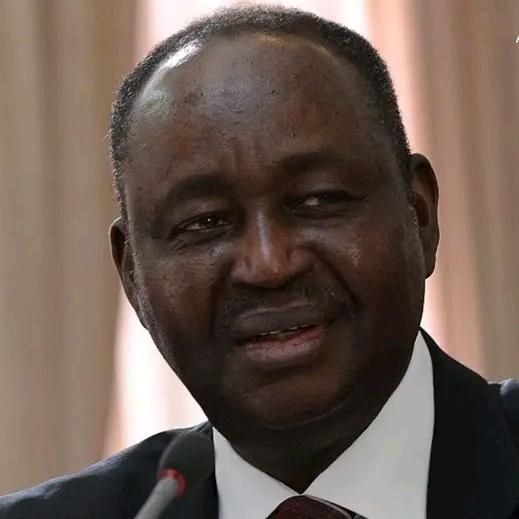
In a significant development in the Central African Republic’s pursuit of justice and stability, the Bangui Court of Appeal has handed down a life imprisonment sentence to former President François Bozizé.
The conviction, delivered in absentia, finds Bozizé guilty of undermining state security, conspiracy, rebellion, and assassinations.
Two of his sons and 20 other co-accused individuals, including prominent rebel leaders, have also been sentenced to life imprisonment.
President François Bozizé
The Rise and Fall of François Bozizé
Born on October 14, 1946, in Mouila, Gabon, Bozizé rose to prominence in the Central African Republic’s military and political landscape.
He became a brigadier general under dictator Jean-Bédel Bokassa in the 1970s and later seized power in a 2003 coup.
Bozizé was elected president in 2005 and re-elected in 2011 but was ousted by the Séléka rebel coalition in 2013.
Since then, he has been in exile, currently residing in Guinea-Bissau.
The Charges and Conviction
The charges against Bozizé stem from his alleged involvement in the armed offensive carried out during the presidential election of December 2020.
As the leader of the Coalition of Patriots for Change (CPC), a rebel alliance formed in 2020, Bozizé is accused of waging guerrilla warfare in northern CAR.
The CPC’s actions aimed to prevent the holding of the presidential vote following the invalidation of Bozizé’s candidacy.
Implications of the Sentence
The life sentence handed down to Bozizé and his co-accused underscores the Central African Republic’s ongoing struggle for justice and stability. The country’s turbulent history, marked by coups, sectarian violence, and foreign interventions, continues to impact its present.
The CPC, led by Bozizé, remains a significant force in the country’s conflict, controlling certain regions and carrying out sporadic attacks against the Central African armed forces and Russian mercenaries.
A Step Towards Accountability
The conviction of Bozizé is a crucial step towards holding those in power accountable for their actions.
However, the fact that the verdict was delivered in absentia raises concerns about the feasibility of enforcing the sentence.
Bozizé’s current residence in Guinea-Bissau and his continued leadership of the CPC suggest that the conflict in CAR is far from over.
The Road to Peace and Stability
The Central African Republic’s path to peace and stability remains fraught with challenges. The government faces the daunting task of confronting rebel groups and ensuring justice for past atrocities.
As the country navigates this complex landscape, the international community’s support and engagement will be crucial in promoting a peaceful and stable future.
The 62nd General Conference Session of the Seventh-Day Adventist Church, currently underway in St. Louis, United States, has witnessed a significant milestone.
Elder Dr. Erton Carlos Köhler, a Brazilian of German origin, has been elected as the President of the General Conference.
This marks a historic moment, as Köhler becomes the first South American to hold this esteemed position.
Elder Dr. Erton Carlos Köhler
Born in 1969, Köhler follows in his father’s footsteps, having served as a pastor in São Paulo from 1990 to 1994.
Over the past three decades, he has held various leadership roles within the Seventh-day Adventist Church.
Köhler’s academic credentials include a Bachelor’s degree in Theology, a Master’s degree in Pastoral Theology from the Brazilian Adventist University, and a Doctor of Philosophy degree from Andrews University.
Köhler is fluent in Portuguese, Spanish, and English, which will undoubtedly facilitate his work as the global leader of the Seventh-day Adventist Church.
He succeeds Elder Ted Wilson and is married to Adriene Marques. This new chapter in the church’s history is expected to bring fresh perspectives and leadership to the global Adventist community.
As Malawi marks its 61st Independence Day, a momentous occasion that commemorates the nation’s liberation from British colonial rule, it is imperative for both the ruling Malawi Congress Party (MCP) and the opposition to set aside their differences and celebrate this day together. Independence Day is not merely a historical milestone; it is a reminder of the sacrifices made by countless Malawians who fought for freedom, dignity, and self-determination.
In a time when political divisions threaten the very fabric of the nation, a united celebration can serve as a powerful symbol of reconciliation, solidarity, and a shared vision for the future.
The political landscape in Malawi has been characterized by deep-seated divisions, often exacerbated by a lack of trust and mutual respect between the ruling party and the opposition. These divisions have led to a polarized society, where political allegiance often supersedes national identity.
Joyce Banda
However, Independence Day presents a unique opportunity for both sides to reflect on their common heritage and the collective aspirations of the Malawian people. By coming together to celebrate, the MCP and the opposition can demonstrate that they prioritize the nation’s unity over partisan interests.
Celebrating Independence Day as a united front would send a strong message to the citizens of Malawi. It would signify that, despite political differences, the leaders of the nation are committed to the ideals of democracy, freedom, and national pride.
Such a display of unity could inspire citizens to embrace a more collaborative spirit, fostering a sense of belonging and shared purpose. In a country where political tensions often lead to unrest, a united celebration could serve as a balm, healing wounds and promoting dialogue among the populace.
Moreover, the act of celebrating together can help to bridge the gap between the government and the opposition.
It is essential for both parties to recognize that they are not adversaries but rather partners in the pursuit of a better Malawi. The challenges facing the nation—be it economic hardship, social inequality, or health crises—require a concerted effort from all political factions.
By collaborating on this day, the MCP and the opposition can lay the groundwork for future cooperation, demonstrating that they can work together for the common good, even amidst their differences.
Independence Day is also a time for reflection on the progress Malawi has made since gaining self-rule. It is an opportunity to celebrate the achievements of the nation, from advancements in education and healthcare to strides in infrastructure development.
However, it is equally important to acknowledge the challenges that remain. By coming together, the MCP and the opposition can collectively address these issues, presenting a united front to the citizens and the international community.
This collaboration can enhance the credibility of both parties, showing that they are willing to prioritize the nation’s welfare over political gain.
Furthermore, a joint celebration can serve as a platform for dialogue on pressing national issues. Leaders from both sides can use this occasion to engage in constructive discussions about the future of Malawi, focusing on policies that promote economic growth, social justice, and national cohesion.
By fostering an environment of open communication, the MCP and the opposition can work towards finding common ground on critical issues, ultimately benefiting the citizens they represent.
The symbolism of unity on Independence Day extends beyond the political realm; it resonates deeply with the cultural and social fabric of Malawi. The nation is rich in diversity, with various ethnic groups, languages, and traditions coexisting. This diversity is a source of strength, and a united celebration can highlight the beauty of this multicultural identity.
By embracing their differences and celebrating their shared history, Malawians can reinforce the notion that unity in diversity is not only possible but essential for the nation’s progress.
In addition, a joint celebration can serve as a powerful reminder of the sacrifices made by the freedom fighters who paved the way for independence. It is crucial for both the MCP and the opposition to honor these heroes collectively, recognizing that their struggles transcended political affiliations.
By paying tribute to the past, leaders can inspire future generations to uphold the values of unity, resilience, and patriotism. This legacy of independence should be a source of pride for all Malawians, regardless of their political beliefs.
Moreover, the international community is watching closely as Malawi navigates its political landscape.
A united front on Independence Day can enhance the country’s image abroad, showcasing a commitment to democracy and stability. This can attract foreign investment, tourism, and international partnerships, all of which are vital for the nation’s development.
By demonstrating political maturity and a willingness to collaborate, Malawi can position itself as a model for other nations grappling with similar challenges.
As Malawi celebrates 61 years of independence, it is crucial for the MCP and the opposition to bury the hatchet and come together in unity. This day is not just about reflecting on the past; it is an opportunity to forge a path towards a more inclusive and prosperous future.
By celebrating together, both parties can demonstrate their commitment to the nation and its people, fostering a spirit of reconciliation that transcends political divides. The challenges facing Malawi are significant, but they are not insurmountable.
Through collaboration, dialogue, and a shared vision, the MCP and the opposition can work together to build a brighter future for all Malawians.
Let this Independence Day be a turning point, a moment where unity triumphs over division, and a renewed commitment to the ideals of freedom and democracy is forged.
As I follow the ongoing debate about the September 16 general elections in the country, I am struck by the opposition parties,mainly Democratic Progressive Party’s (DPP) persistent calls for a Smartmatic System audit.
In my opinion, this demand is nothing more than a desperate attempt to cling to power and undermine the legitimacy of the electoral process.
The opposition’s cries for a Smartmatic System audit are baseless and lack concrete evidence to support their claims of electoral irregularities.
For instance,on several occasions, DPP’s National Organizing Secretary Sameer Suleman has been claiming that the electronic voting system was tampered with, but he fails to provide any credible proof to back up this assertion.
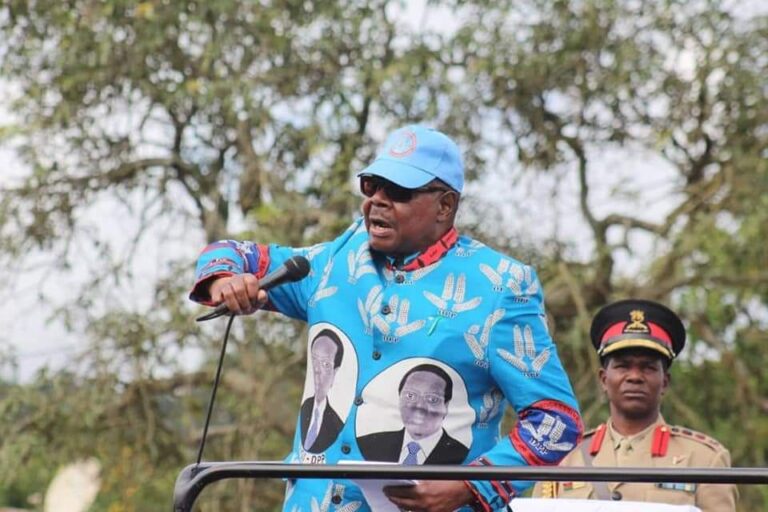
Mutharika
This lack of evidence raises questions about the party’s motivations and whether their demands are driven by a genuine desire for electoral reform or simply a desire to cast doubt on the outcome of the election.
One of the most egregious examples of the DPP’s lack of credibility on this issue is their failure to raise concerns about the electoral process during the actual voting period.
If the party had genuine concerns about the electronic voting system, why did they not raise them at the time? Instead, they are now trying to retroactively cast doubt on the outcome of the election.
This behavior is not only unbecoming but also undermines the integrity of the electoral process.
It is indeed true that when you want to sit for an examination but you are not ready for it, you create scapegoats. You line up all manner of excuses, blaming anything for your dreaded failure. You blame illness that never was. Or you blame teachers for allegedly not covering the whole syllabus. The fact of the matter is that you are preparing the ground to justify your imminent failure. You are scapegoating. And this is what the opposition are doing by demanding that the MEC should abandon use of the Smartmatic machines in the upcoming elections.
Scapegoating is not an invention of the opposition. The practice dates back to the biblical times when a goat was symbolically burdened with the sins of the community and released into the wilderness (Leviticus 16:8—10). But the opposition,mainly the corrupt DPP have embraced it hook, line and sinker as they inch towards the elections.
Their objection against the use of Elections Management Devices (EMDs) for transmitting results in the forthcoming elections is their Plan B. The aim is to displace blame and reduce guilt in the event that the polls do not go their way. They are misdirecting their frustration and inefficiencies on MEC.
Patriotic and well-meaning Malawians should be worried about this self-serving behaviour which is toxic, to say the least. This scapegoating is misinformation and disinformation that can heighten violence, both pre- and post-elections. The opposition are preparing their supporters to rise up in arms against MEC and everybody who thinks the electoral body is on the right track in the management of the electoral process so far. This is a dangerous trajectory and should be stopped by whatever it takes.
It is pity that even the DPP presidential candidate Peter Mutharika is propagating raw and unbridled propaganda about how MEC procured Smartmatic. What he said about Smartmatic System at his beach house in Mangochi on May 13 2025 are blue lies. Long and short, he said DPP commissioners in MEC rejected Smartmatic. Blue lies.
Smartmatic was procured in November 2023 when the MEC chair was Justice Dr Chifundo Kachale. Kachale was appointed by Mutharika in 2020 replacing Dr Jane Ansah who was removed by the courts for incompetence. So to the contrary, the commission that procured Smartmatic Machines had four commissioners nominated by DPP against MCP’s three commissioners. The incumbent MEC chair, Justice Annabel Mtalimanja, was only appointed on June 20 2024, seven months later. From the foregoing we can see that Smartmatic had the full blessings of commissioners who were in MEC on a DPP ticket.
I have one rejoinder for the former Mec chair Justice Kachale. Although he was a DPP nominee and appointed by Mutharika he was impartial and I rate him as one of the best chairs that MEC has ever had. He left at the expiry of his contract.
The incumbent MEC chair, Justice Mtalimanja adequately addressed the process of how Smartmatic System was procured and how MEC transitioned to the new electoral system in a press statement issued on October 16 2024. The process started in 2021 with learning visits by commissioners and stakeholders including opposition members to South Africa and Zambia. Smartmatic International of the Netherlands was successful from a team of four bidders after the others withdrew or failed to place the bid documents in the tender box by the closing date and time. The firm was confirmed as having met the requirements on November 25 2023.
On December 20 2023, Smartmatic conducted demonstrations and simulations of the electoral process to the IPDC, MEC commissioners and political parties’ representatives through the Centre for Multiparty Democracy. This shows that all stakeholders including political parties had adequate time to do their due diligence and if not satisfied reject the technology as far back as November 2023.
In the October 16 2024 press statement Mtalimanja also adequately addressed the issue of Smartmatic’s integrity following claims that the firm had faced various allegations of election interference in countries such as Venezuela, the Philippines, and Kenya. She, however, said after a thorough examination, these claims had been found to lack merit, with no substantiated evidence to support them.
So, the opposition’s rejection of Smartmatic System now is not only irrational and hypocritical but also borders on madness.
And by the way, opposition leaders seem oblivious of the implications of what they are demanding. Abandoning the technology now would mean postponing the elections for God-knows how long. It would mean amending the electoral law to provide another voting day. It would also mean that the cash-strapped MEC would have to raise more billions of kwacha.
Opposition parties wasted precious time from October to December last year when instead of mobilising their supporters to register as voters en mass, they were busy rallying them to go to the streets and demonstrate against the appointment of Mtalimanja and the MEC chief executive officer Andrew Mpesi. They realised their folly too late. Scapegoating is nothing but lying to oneself and others. But as someone said lies have short legs.