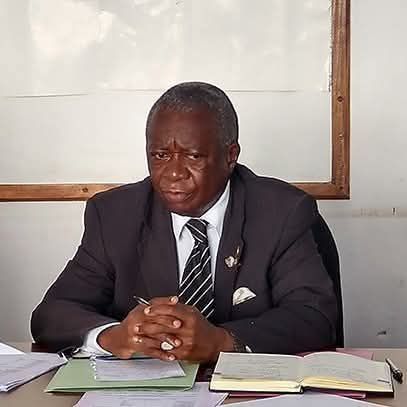
The Ministry of Gender, Children, Disability, and Social Welfare has publicly disowned a fraudulent press release circulating on social media that falsely claimed the government was taking steps to promote LGBTQI+ rights.
In an official statement dated November 7, 2025, the ministry urged the public to disregard the document, which it described as “fake and malicious.”
Kumbambe
“The Ministry has noted with concern a press release… purportedly to have been issued by the Ministry informing the public that government is taking significant steps to promote and protect the rights of Lesbian, Gay, Bisexual, Transgender, and Intersex (LGBTI) community,” the statement read. “The Ministry has not issued such a press release.”
The fake release suggested the government was moving to repeal or amend laws that criminalize same-sex relationships. The ministry explicitly denied these claims, asserting that no such legal reforms are being considered.
Signed by Principal Secretary for Administration Oliver Kumbambe, the statement condemned the individuals responsible for creating and spreading the disinformation.
“The Ministry condemns in the strongest terms ill-minded people who spread fake information for selfish and malevolent activities,” the statement read. It further warned that the government would pursue legal action against those found to be responsible for the hoax.
The incident highlights the ongoing tensions and legal landscape surrounding LGBTQI+ rights in Malawi, where same-sex relationships remain criminalized.
Foreign Minister Confirms Their Safe Release and Return to Families
By Burnett Munthali
Kenya’s Foreign Minister has announced the release of two Kenyan activists who were abducted in neighbouring Uganda five weeks ago.
The news has brought immense relief to the families and human rights communities that had been tirelessly campaigning for their safe return.
According to the minister, the two activists are now in safe hands and are being prepared for reunification with their families in Kenya.
The activists, whose identities have not yet been publicly disclosed for security reasons, were reportedly taken under unclear circumstances while conducting community engagement work near the Uganda–Kenya border.
Their disappearance sparked widespread concern across both countries, with civil society organisations demanding urgent action from authorities to locate and free them.
For weeks, speculation mounted as conflicting reports emerged about their whereabouts, with some suggesting they were being held by unidentified security operatives.
The Kenyan government said it had been working closely with Ugandan counterparts and international partners to secure their release through diplomatic channels.
In a statement issued on Friday, the Foreign Minister praised the efforts of both governments and human rights advocates who maintained pressure throughout the ordeal.
He reaffirmed Kenya’s commitment to protecting its citizens, both at home and abroad, saying that the government “will never relent in defending the rights and safety of all Kenyans wherever they may be.”
Human rights defenders have welcomed the release but continue to call for a full investigation into the abduction to ensure accountability and prevent similar incidents in the future.
They have also urged the Ugandan authorities to clarify the circumstances under which the activists were detained and to guarantee greater safety for cross-border civil society workers.
The case has reignited debate about the shrinking space for activism in parts of East Africa, where human rights defenders often face intimidation, harassment, or unlawful arrests.
As the two activists prepare to reunite with their families, their story serves as both a warning and a reminder — that the struggle for justice and human rights in the region remains fraught with risks but also powered by resilience and solidarity.
Mighty Wanderers coach Bob Mpinganjira says his side is ready to break the long-standing belief that Silver Strikers are one of the most difficult teams to beat in domestic cup finals.
He insists tomorrow’s FDH Bank Cup final is a chance for the Nomads to silence critics and stamp their name on the competition’s history.
Speaking during a press conference on Friday at Bingu National Stadium in Lilongwe, Mpinganjira urged his players to remain grounded despite their recent 1–0 victory over FCB Nyasa Big Bullets in the semifinals.
Mpinganjira
He said the team cannot afford to be distracted by past achievements because Silver Strikers present a different and tougher challenge.
He teased the confidence within his squad but remained cautious, saying each match comes with its own story.
“Every game is different, and what we know is that tomorrow we are going to change history and end the talk that says this cup is not ours,” he said.
Team captain Felix Zulu echoed his coach’s determination, saying Wanderers are fully charged and eager to lift the FDH Bank Cup for the first time since its introduction in 2021. Zulu called on the Nomads’ supporters to fill the stadium and give the team the energy they need to push over the finish line.
Wanderers secured their place in the final after edging Big Bullets 1–0, while Silver Strikers booked their ticket by defeating Civil Service United by the same margin.
On the other side, Silver Strikers coach Peter Mgangira brushed off any suggestions that his team feels pressure heading into the showdown.
He said the Bankers are fully prepared and confident because they understand what it takes to beat Wanderers, having done so on several big occasions before. Silver Strikers were the first team to win the FDH Bank Cup, and Mgangira believes that experience gives them an important advantage.
Both coaches shared their thoughts during a joint media briefing at Bingu National Stadium as the two sides completed their final preparations for the much-anticipated clash.
The winner of tomorrow’s final will walk away with a grand prize of 45 million kwacha, adding extra motivation in what promises to be a fiery battle between two of Malawi’s most celebrated football giants.
Deputy Minister of Homeland Security vows to crack down on corrupt officials accused of siphoning massive fuel reserves meant for government operations.
By Burnett Munthali
Deputy Minister of Homeland Security, Norman Chisale, has stirred national attention with a bold statement posted on his official Facebook page, exposing what he describes as a large-scale fuel theft scandal within government systems.
In his post, Chisale wrote in Chichewa: “Busy kosaka nduna zoba 30 million litters za mafuta agalimoto,” which translates to “Busy hunting down ministers who have stolen 30 million litres of vehicle fuel.”
The statement, though brief, has sent shockwaves across the political and public sectors, as it suggests that senior government officials may be implicated in a massive corruption and fuel mismanagement scheme.
Chisale
According to sources close to the ministry, the missing fuel was part of strategic reserves meant for official government vehicles, emergency services, and national transport operations.
The revelation has raised serious questions about transparency, accountability, and internal control systems within various government departments that handle public resources.
Observers have interpreted Chisale’s statement as a sign of growing frustration within the administration regarding rampant misuse of state assets by public officials who continue to engage in corrupt practices despite repeated government warnings.
Political analysts say Chisale’s decision to make such a declaration publicly reflects his growing confidence in taking a hard stance against corruption — a position that aligns with his image as a no-nonsense public servant since joining the Ministry of Homeland Security.
The Deputy Minister has previously emphasized his commitment to reforming the country’s security and administrative institutions, advocating for professionalism, discipline, and ethical conduct among civil servants.
This latest outburst, however, signals a potentially deeper crisis within government structures, as it may expose networks of high-level corruption linked to fuel procurement, storage, and distribution.
Insiders suggest that investigations could lead to arrests and dismissals once evidence is verified, though official details have not yet been released.
Members of the public have responded strongly to Chisale’s post, flooding social media with calls for immediate investigations and demanding that those responsible face the full force of the law.
Civil society organizations and anti-corruption advocates have also weighed in, urging the government to treat Chisale’s claims with utmost seriousness and to act swiftly in auditing all fuel-related transactions across ministries.
Fuel scandals have long been a recurring issue in Malawi’s public sector, often resulting in huge financial losses to taxpayers and crippling service delivery in critical departments such as health, security, and agriculture.
If verified, the alleged theft of 30 million litres of fuel would mark one of the largest corruption cases in recent years, comparable in scale to the infamous “Cashgate” scandal that rocked the country a decade ago.
Chisale’s statement is therefore being interpreted not just as an exposure but as a call to action — a challenge to fellow leaders to uphold honesty, protect public resources, and serve Malawians with integrity.
The Ministry of Homeland Security has not yet released an official statement expanding on Chisale’s remarks, but insiders suggest that internal audits are already underway.
As the story develops, many Malawians are watching closely to see whether this bold revelation will lead to meaningful action or whether it will become yet another unfulfilled promise in the nation’s long fight against corruption.
For now, Norman Chisale’s post has reignited public debate about ethics in leadership and the urgent need for accountability at the highest levels of government.
Deputy Minister of Homeland Security vows to crack down on corrupt officials accused of siphoning massive fuel reserves meant for government operations.
By Burnett Munthali
Deputy Minister of Homeland Security, Norman Chisale, has stirred national attention with a bold statement posted on his official Facebook page, exposing what he describes as a large-scale fuel theft scandal within government systems.
In his post, Chisale wrote in Chichewa: “Busy kosaka nduna zoba 30 million litters za mafuta agalimoto,” which translates to “Busy hunting down ministers who have stolen 30 million litres of vehicle fuel.”
The statement, though brief, has sent shockwaves across the political and public sectors, as it suggests that senior government officials may be implicated in a massive corruption and fuel mismanagement scheme.
Chisale
According to sources close to the ministry, the missing fuel was part of strategic reserves meant for official government vehicles, emergency services, and national transport operations.
The revelation has raised serious questions about transparency, accountability, and internal control systems within various government departments that handle public resources.
Observers have interpreted Chisale’s statement as a sign of growing frustration within the administration regarding rampant misuse of state assets by public officials who continue to engage in corrupt practices despite repeated government warnings.
Political analysts say Chisale’s decision to make such a declaration publicly reflects his growing confidence in taking a hard stance against corruption — a position that aligns with his image as a no-nonsense public servant since joining the Ministry of Homeland Security.
The Deputy Minister has previously emphasized his commitment to reforming the country’s security and administrative institutions, advocating for professionalism, discipline, and ethical conduct among civil servants.
This latest outburst, however, signals a potentially deeper crisis within government structures, as it may expose networks of high-level corruption linked to fuel procurement, storage, and distribution.
Insiders suggest that investigations could lead to arrests and dismissals once evidence is verified, though official details have not yet been released.
Members of the public have responded strongly to Chisale’s post, flooding social media with calls for immediate investigations and demanding that those responsible face the full force of the law.
Civil society organizations and anti-corruption advocates have also weighed in, urging the government to treat Chisale’s claims with utmost seriousness and to act swiftly in auditing all fuel-related transactions across ministries.
Fuel scandals have long been a recurring issue in Malawi’s public sector, often resulting in huge financial losses to taxpayers and crippling service delivery in critical departments such as health, security, and agriculture.
If verified, the alleged theft of 30 million litres of fuel would mark one of the largest corruption cases in recent years, comparable in scale to the infamous “Cashgate” scandal that rocked the country a decade ago.
Chisale’s statement is therefore being interpreted not just as an exposure but as a call to action — a challenge to fellow leaders to uphold honesty, protect public resources, and serve Malawians with integrity.
The Ministry of Homeland Security has not yet released an official statement expanding on Chisale’s remarks, but insiders suggest that internal audits are already underway.
As the story develops, many Malawians are watching closely to see whether this bold revelation will lead to meaningful action or whether it will become yet another unfulfilled promise in the nation’s long fight against corruption.
For now, Norman Chisale’s post has reignited public debate about ethics in leadership and the urgent need for accountability at the highest levels of government.