FDH Bricks, a basketball team sponsored by FDH Bank plc, have emerged champions of the Southern Zone Basketball League (SOZOBAL) Men’s Division One following a 69–56 win over Crazy Warriors in the final.
Speaking after the victory, Team Manager Khama Mtalimanja said the win was a result of lessons learned from last season and deliberate preparation.
“From losing in the finals last season, we learnt important lessons and set clear goals for this season. The team remained focused on executing its strategies, and this win shows the progress we have made. It also puts us on the right path towards competing for the national championship,” he said.
Mtalimanja said the team will now shift focus to the upcoming national finals, where it expects stiff competition.
“Preparation has been key to our success, and we will maintain the same approach. We know the teams at the nationals will be strong, but our work ethic and discipline will guide us,” he said.
FDH Bank plc Marketing Manager Tiyese Kaimila said the win reflects the Bank’s continued commitment to supporting sports development.
“This victory reflects the team’s discipline, consistency and strong execution on the court. As FDH Bank, we remain committed to supporting sport as a platform for talent development and community engagement, and we are confident the team will do well at the national level,” said Kaimila.
In the men’s category, Battle Hurricane finished third after defeating Mikoko 64–47. In the women’s division, Lady Hurricane won the title after beating Mikoko Mystics 106–94, while Kukoma Eagles secured third place with a 54–32 victory over Sparks.
The BASMAL National Championships are scheduled for May and June this year.
FDH Bank plc has reported a strong financial performance for the year ended 31 December 2025, with profit-after-tax rising to K147.8 billion, representing a 100 % increase from K74.06 billion recorded in 2024.
According to the Bank’s audited financial results signed by Board Chairperson Charity Mseka, Managing Director Noel Mkulichi, Chairperson of the Finance and Audit Committee Ulemu Katunga, and Head of Finance Richard Chipezaani, the growth was driven by significant increases in both interest and non-interest income streams.
“Net interest income rose by 82%, supported by expansion in the loan book, government securities, and other interest-bearing assets. Total assets also grew by 31%, largely due to a 65% increase in loans and advances and a 49% rise in government securities. Customer deposits increased by 27% from K883 billion to K1.125 trillion, reflecting growing customer confidence in the bank.”
“Non-interest income went up by 43%, mainly driven by higher fees and commissions, as well as increased international trade and domestic transaction volumes. Overall, total income grew by 71%, underscoring the bank’s strong revenue diversification strategy,” reads part of the statement.
The statement also highlights that despite the positive performance, operating expenses increased by 21% due to inflationary pressures and rising costs of doing business.
Additionally, challenging macroeconomic conditions led to higher expected credit losses, which rose by K8.4 billion, although this was partially offset by recoveries.
The Bank also highlighted a major milestone in its regional expansion, having acquired a 98.87% controlling stake in Ecobank Mozambique SA in September 2025.
“The acquisition is expected to enhance market expansion, revenue diversification, and operational efficiencies across the group,” reads the statement in part.
On dividends, FDH Bank declared and paid a total of K11.6 billion during the year, equivalent to K1.68 per share.
A further second interim dividend of K50.03 billion (K7.25 per share) was declared in January 2026 and paid in February 2026, reflecting improved shareholder returns.
Looking ahead, the Bank projects modest economic improvement in 2026, with growth expected at 3.8% and inflation averaging 24%.
“However, risks such as foreign exchange shortages and subdued economic activity remain. The Bank will continue implementing its 2024–2026 strategic plan, focusing on digital transformation, operational efficiency, and sustainable growth to deliver long-term value to customers, shareholders, and other stakeholders,” concludes the statement.
National Bank of Malawi (NBM) plc has announced an increase in its profit-after-tax to K197.97 billion, marking a 95% increase over the recorded previous profit after tax of K101.71 billion in 2024.
In the just-released financial statement signed by Chief Executive Officer (CEO) Harold Jiya, Board Chairperson Grant Kabango, Director Madalo Mwenelupembe, and Chief Financial Officer (CFO) Daniel Jere, NBM plc’s results were largely driven by growth in customer deposits, which fueled an increase in the loan book and fixed-income securities.
“Customer deposits increased by 44% (2024: 37%) year-on-year, while the loan book grew by 31% (2025:15%). Investments in fixed income securities increased by 33 % (2024: 65%)”.
“Other income grew by 93%, increasing from K103.95 billion, largely due to growth in profits on foreign exchange dealings, fees and commissions and capital appreciation on listed equity investment. Operating expenses increased by 25% below the annual headline inflation of 28.4%,” reads the statement in part.
The Bank also said the growth has been driven by better results in managing all its subsidiaries, including Akiba Commercial Bank in Tanzania.
“All subsidiaries registered improved performances compared to the prior year, contributing positively to Group profitability.
“Efforts to turn around Akiba Commercial Bank in Tanzania through short- and medium-term strategies have begun to bear positive outcomes, which resulted in the Bank reporting a lower loss compared to the previous year,” the statement reads.
NBM plc also said modest economic growth and easing inflation partly contributed to the increase in profits.
“The Malawi economy grew by an estimated 2.8% in 2025 (2024: 1.8%) attributed to a modest recovery in agricultural production. Modest gains in tourism and mining also helped boost economic activity. Annual average year-on-year inflation fell to 28.4% from 32.2% recorded in the prior year. This is attributed to Government policy interventions post-elections to import the staple grain from Zambia to support vulnerable families, which led to a fall in food prices,” reads part of the statement.
However, these gains were countered by persistent foreign exchange scarcity, high inflation, and the effects of rising public debt.
Interest rates, on the other hand, remained relatively stable, though still high, with the Reserve Bank of Malawi maintaining the policy rate at 26% per annum throughout the year. The official Malawi Kwacha exchange rate against the US Dollar remained unchanged in 2025 at K1,751, despite the market having been characterised by persistent foreign exchange scarcity.
Despite several challenged expected in the coming year, the Bank sees a projection of economic growth in the incoming year.
“Economic growth is projected to improve to 3.8% in 2026, from 2.7% in 2025, supported by increased investment in key productive sectors including agriculture, tourism, mining, and manufacturing. Government expenditure on critical enablers such as infrastructure, transport, and energy, together with policy initiatives aimed at promoting export diversification and import substitution under the National Economic Recovery Plan (NERP) and the 2026/2027 National Budget, are expected to improve foreign exchange availability and support external sector resilience.”
“Ongoing efforts to stabilise the macroeconomic environment through domestic debt restructuring, strengthened fiscal discipline, and improved revenue mobilisation are also expected to help moderate interest rates and encourage private sector economic activity,” reads the statement.
Meanwhile, the Bank has declared a total dividend of K92.4 billion, translating to K197.92 per ordinary share, up from K59.0 billion in 2024, which represented K126.35 per share.In 2023, the bank paid K102.80 per share in dividends.
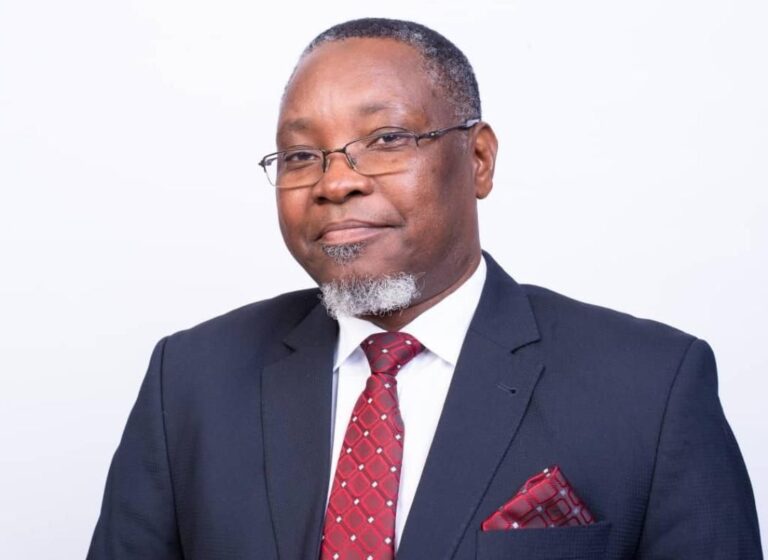
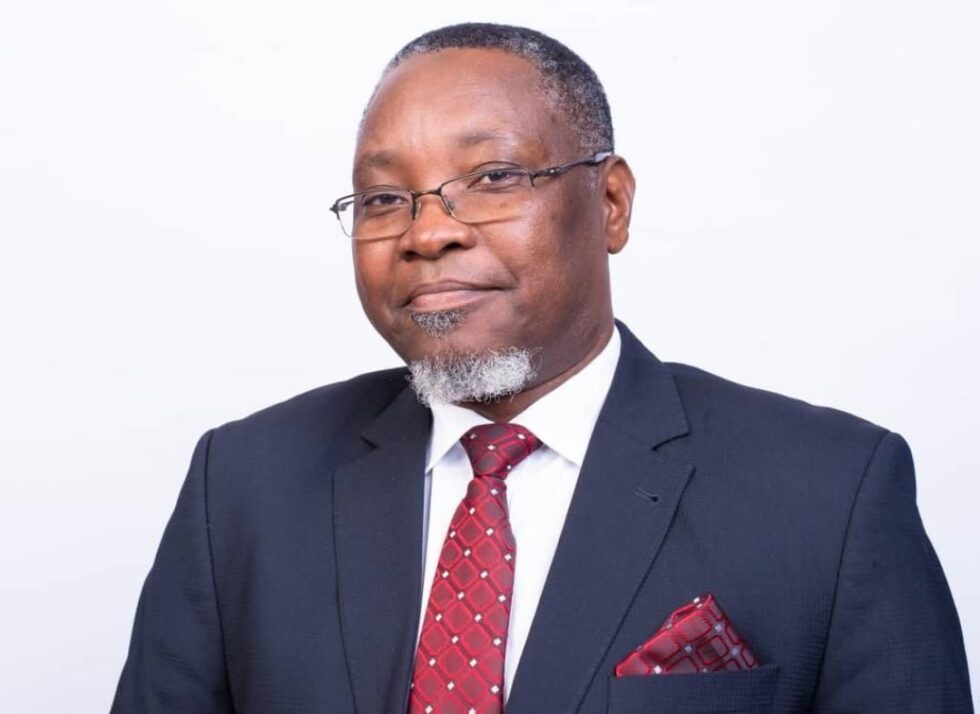
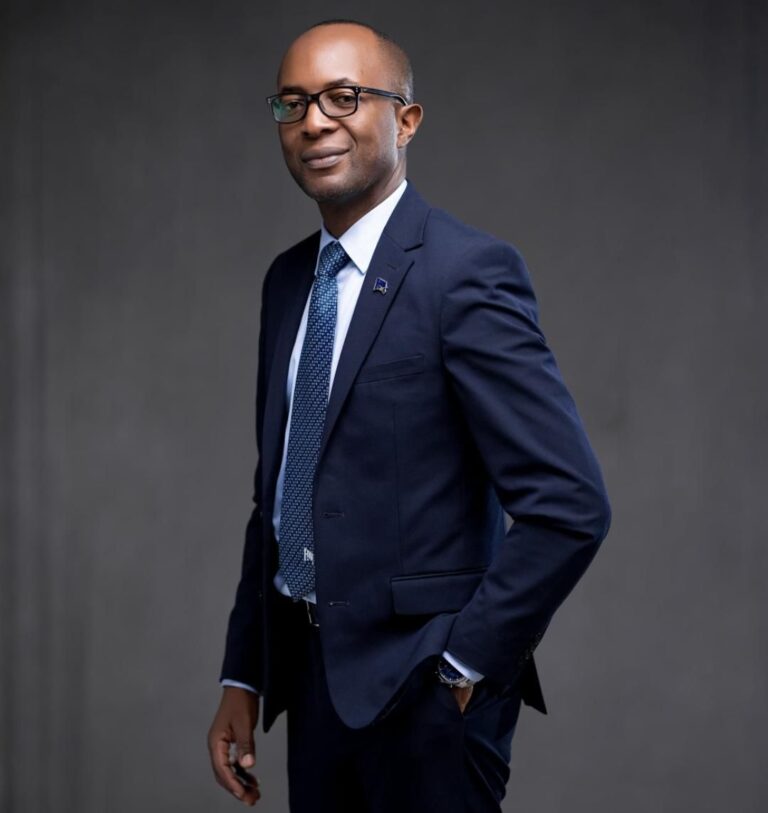
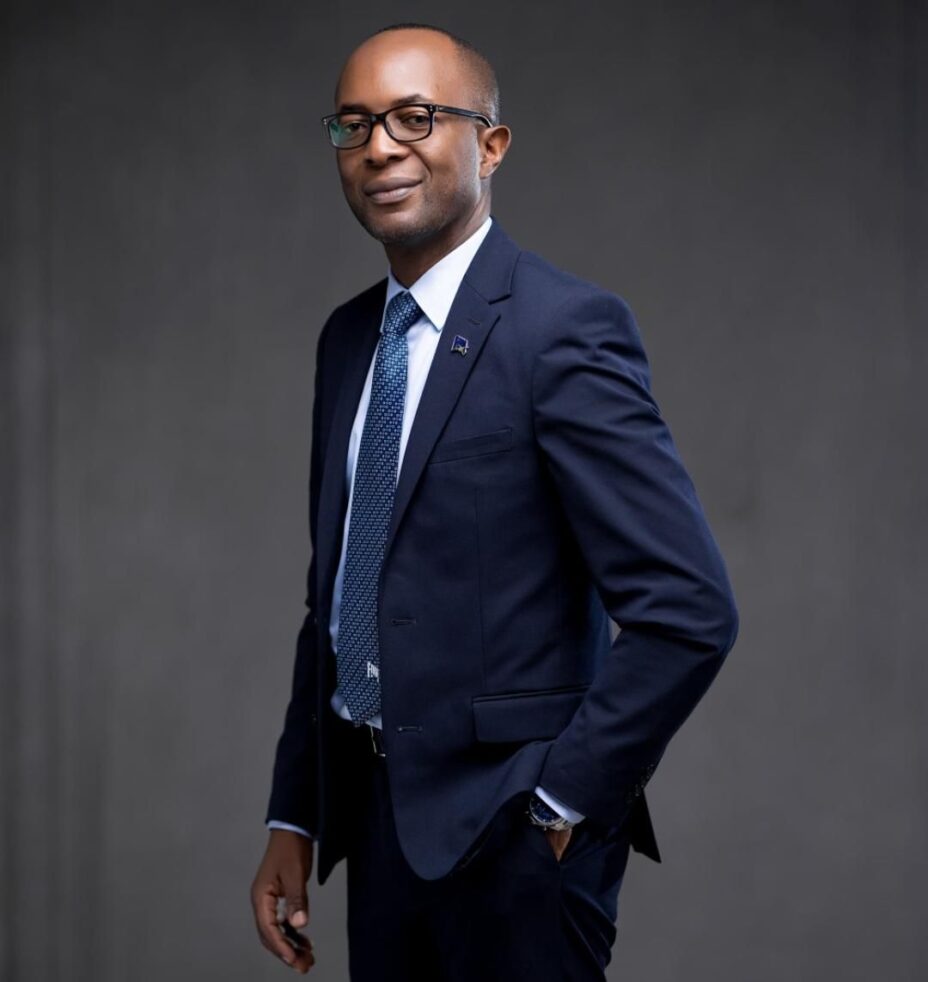
FDH Bank plc Head of Digital Financial Services Levie Nkunika, has been recognised among Africa’s 100 most impactful marketing, brand, and reputation leaders.
The inaugural Africa CMO 100 (ACMO100), compiled by Brand Africa, honours leaders demonstrating strong brand stewardship, consumer insight, revenue growth, and market positioning.
Reacting to the recognition, Nkunika said the award positions FDH Bank more strongly on the marketing landscape while motivating him personally to continue the driving impact.
Levie Nkunika
“Being named among the Top 100 Chief Marketing Officers in Africa is both humbling and deeply motivating. This recognition reflects the unwavering support of my executives, peers, and the dedication of my team,” he said.
He also applauded the Institute of Marketing in Malawi (IMM) for advancing the marketing profession.
“I am grateful to IMM for fostering excellence and increasing the visibility of Malawian professionals. I have embraced the role of a growth architect—leveraging data, technology, and customer insight,” he added.
Nkunika further said the recognition reinforces the importance of influencing strategy and driving innovation as Malawi shapes its industries and story on the continental and global stage.
Speaking on the recognition, Daniel Ngwira, Director of Communications and Public Relations at IMM, said the recognition reflects the growing impact of marketing professionals in Malawi.
“This award shows that professionals have been influential within their organisations and to IMM. It serves as an inspiration to current and future generations of marketers”.
“We believe this is just the beginning and look forward to seeing more Malawian marketers take up influential roles locally and internationally,” said Ngwira.
Among other Malawians recognised is Sobhuza Ngwenya, Marketing Director for TNM plc.
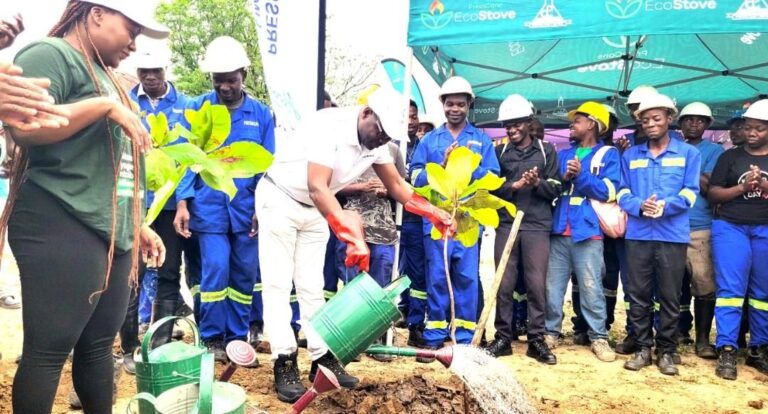
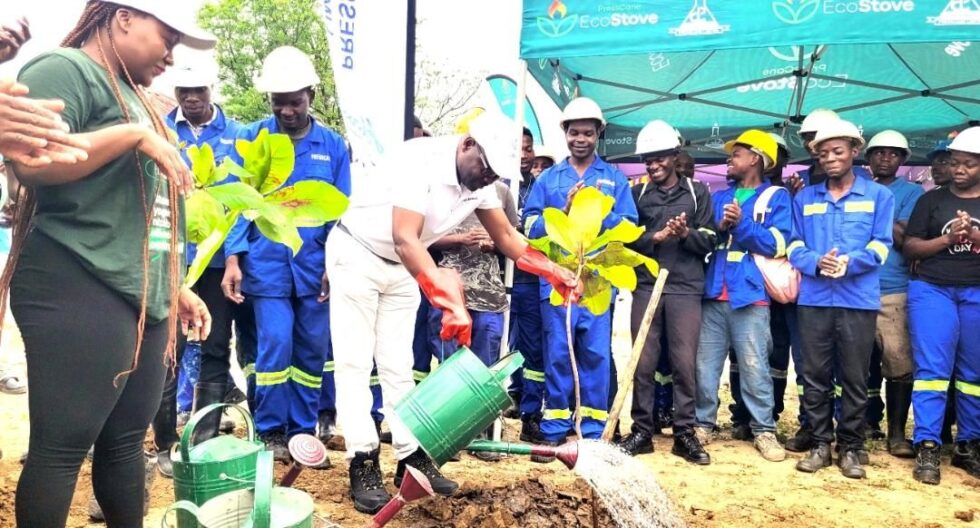
PressCane Limited has planted 400 trees around a pond area in Chikwawa, as part of efforts to promote environmental restoration in the district.
The Tree planting was exercised under the theme ‘Plant a Tree and Name It, Then Manage It’.
Speaking during the tree planting exercise on Monday, PressCane Chief Executive Officer Bryson Mkhomaanthu said the initiative is part of an ongoing programme to restore vegetation within the company’s operating area.
“It has always been our desire and habit to ensure the environment is safe. So far, we have planted over 12,000 trees since last month,” said Mkhomaanthu.
He added that the company will ensure the survival of the newly planted trees despite the early end of rainy season in the district.
“The trees we have planted will be irrigated to ensure they survive,” said Mkhomaanthu.
Mkhomaanthu further said the company plans to extend to surrounding communities willing to participate as the rainy season comes to an end.
PressCane Management Trainee Fatima Mkundula said the initiative will help improve soil stability and environmental sustainability.
She added that the location of the trees makes it easier to monitor and maintain them until maturity.
“There are people who work here throughout the week, making it easier to take care of the trees,” said Mkundula.
The trees will be tagged with the names of those who planted them, and individuals whose trees survive and grow will be rewarded.