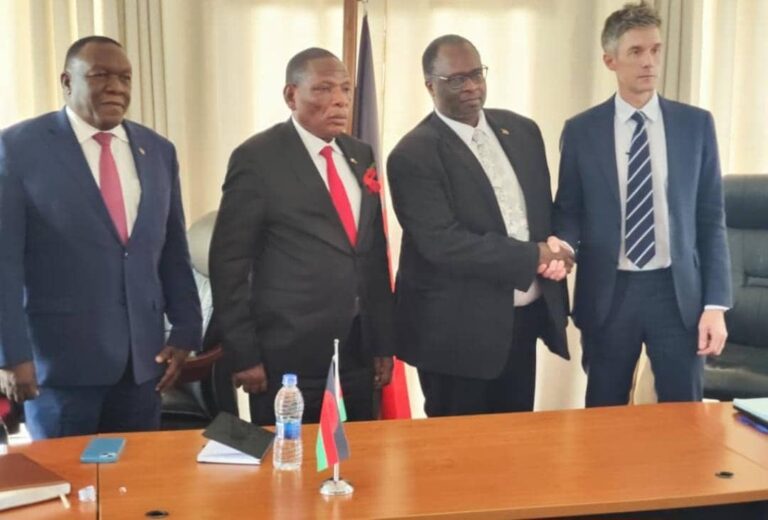
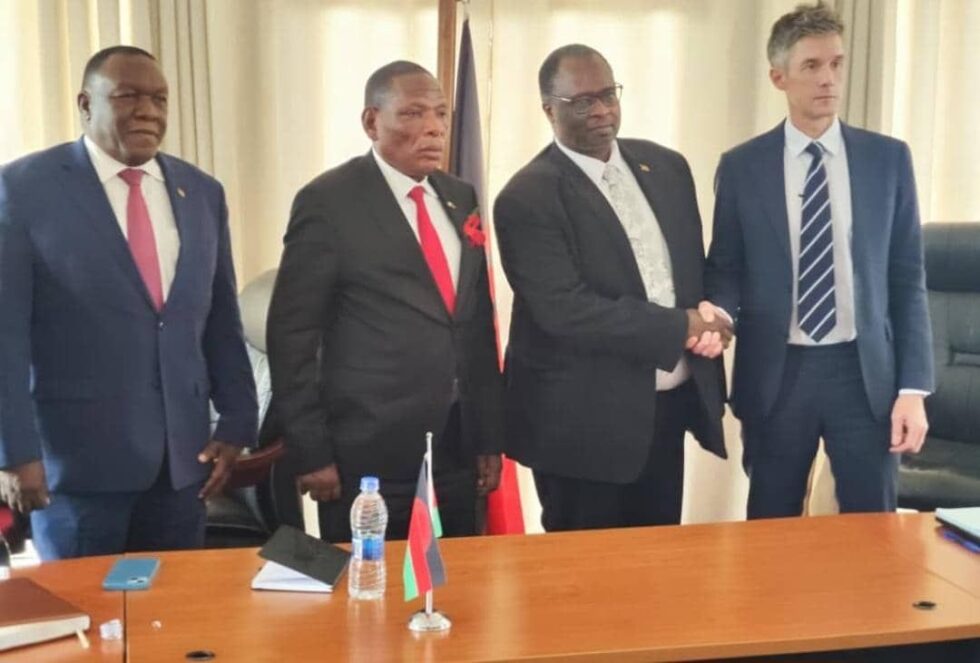
The International Monetary Fund (IMF) mission which has just concluded its discussions with Malawi Government officials has discribed the just concluded discussions as fruitful.
IMF Mission chief , Justin Tyson told journalists at Capital Hill that the just held discussions have been so successful.
He said the discussions focused on near-term policy priorities. He said the Staff agreed that urgent fiscal consolidation and tighter monetary policy are needed to tackle inflation, reduce imbalances, and stabilize the foreign exchange market.
Malawi delegation and IMF officials
He said the staff commend the authorities for reactivating the automatic fuel price mechanism and encourage them to operationalize the promised fiscal discipline and revenue mobilization, starting with the mid-year budget.
The team leader, said, Recent measures to control expenditure are a positive sign. Staff look forward to continued engagement with the authorities on their macroeconomic reform trajectory.
“We commend the government’s efforts to control spending in response to ongoing fiscal pressures. We look forward to seeing how these measures are integrated into a comprehensive package that supports long-term fiscal sustainability,” he said adding,
“We had very productive discussions with the authorities. We discussed the recent economic, financial and social developments, and as we all know, the macroeconomic challenges for the new government are significant. These include a worse than budgeted fiscal outturn of the mid year, accelerated inflation and continued pressures on the exchange rate,” he said.
The IMF Chief said Growth is projected to be modest in 2025 at 2.4% and food insecurity is elevated while public Debt dynamics remain unsustainable.
Speaking during the function, Minister of Finance Joseph Mwanamveka commended IMF for the fruitful discussions held as the country navigates towards economic recovery.
Mwanamveka said currently there is no any Extended Credit Facilities (ECF) programme with the IMF as other people have been insinuating.
The Minister assured IMF that there is economic recovery plan in place and Government is doing everything to ensure the economy is back at its lane.
Legal and economic experts are urging the Malawi government to settle its helicopter dispute with Zambian firm AYATechnologies before it spirals into a financial disaster. They warn that international arbitration in Paris could force Malawi to pay far more than the K8 billion currently being claimed.
Malawi could end up paying billions more if it refuses to settle its dispute with AYA Technologies Ltd, the Zambian company suing over the botched Bell 412 helicopter deal, legal and economic experts have warned.
The experts say the government’s decision to cancel the procurement after already paying a $500,000 (about K867 million) deposit gives AYA strong legal grounds — and that prolonged arbitration before the International Court of Arbitration (ICC) in Paris could bleed the Treasury. The dispute revolves around Malawi’s July 2024 move to cancel the purchase of two helicopters for the Malawi Defence Force (MDF) after a technical report found them unfit to fly. AYA Technologies has since sued for $4.6 million (around K8 billion), claiming breach of contract, while Attorney General Thabo Nyirenda insists the contract was invalid and is seeking to recover the deposit.
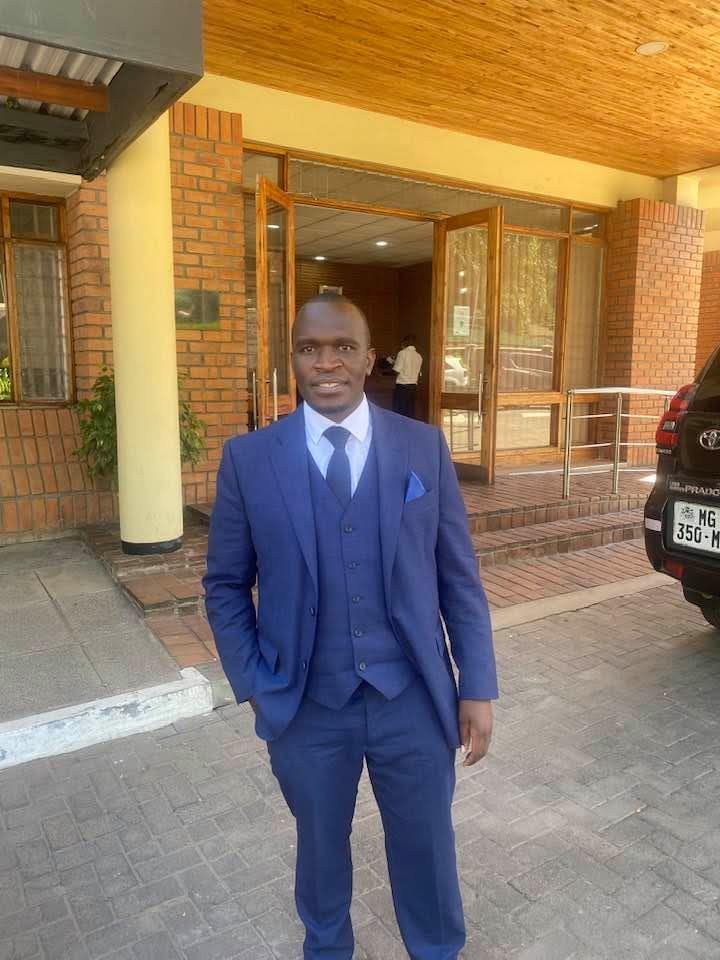
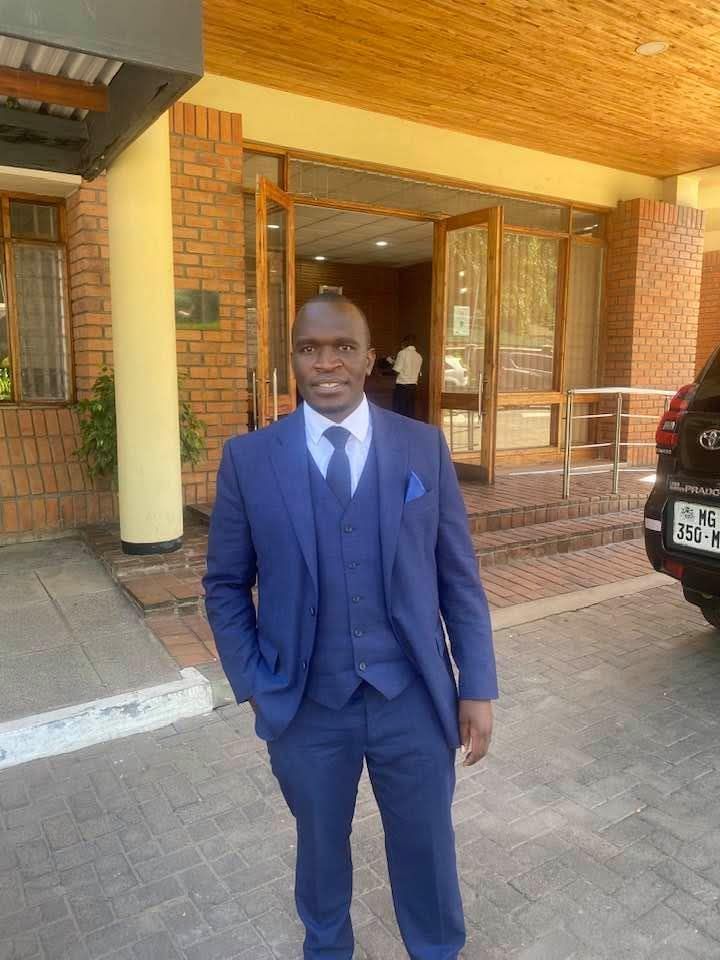
Thabo
But experts say the government’s position, while principled, is financially risky. “Payment means contract existed,” lawyer argues Commercial lawyer Chifundo Soko said the government’s $500,000 advance payment legally acknowledges the existence of a binding agreement. “By paying, the government effectively confirmed the contract. Whether or not the helicopters were suitable for service, that payment signals intent and consent to proceed,” said Soko. “Arbitrators often look at the parties’ conduct, not just technicalities. From a legal standpoint, Malawi could easily be ruled to have breached the deal, and the damages could multiply.”
Soko urged the government to pursue mediation before the matter escalates, warning that arbitration in Paris is both costly and slow. “If Malawi settles now, it could pay far less than it would after years of litigation. Mediation is cheaper, faster, and better for our international reputation,” he added.
Economists warn of ballooning financial risks
Economic governance expert Clifford Mwansambo said taking the case to full arbitration would drain public finances and likely cost Malawi far more than K8 billion. “International arbitration is expensive — add interest, legal fees, and currency penalties, and you could be talking about K12 to K15 billion before the case even ends,” Mwansambo said. “Government should cut its losses now and negotiate. We cannot afford to bleed billions defending a contract that was clearly mishandled from the start.” He said a prolonged fight would also damage Malawi’s creditworthiness and regional relations, particularly given AYA’s Zambian origin.
Middlemen at the centre of the crisis Procurement analyst Dr. Anthony Kamwana said the dispute exposes the government’s dependence on middlemen in defence contracts — a pattern that has historically led to inflated prices and corruption scandals. “If a deposit was made, it means the intermediary fulfilled part of their role. These middlemen need to be sorted out legally or compensated fairly, otherwise Malawi will face more penalties,” Kamwana explained. “Settling out of court doesn’t mean admitting guilt. It means being pragmatic and protecting public funds.”
A costly lesson from history Malawi has lost millions of dollars in previous arbitration cases involving cancelled contracts. In 2020, the government paid $8 million in a similar procurement dispute after failing to negotiate early. Former Solicitor General Janet Banda, now an international law consultant, warned that the helicopter case could follow the same path. “Arbitration tribunals focus on procedure. If Malawi didn’t follow proper termination processes, it could lose regardless of the aircraft’s condition,” Banda said. “Negotiation is the smartest move. Settle now, limit exposure, and move on.” Settle and save Experts agree that settling could save the country billions. A structured mediation that compensates AYA for incurred costs while formally terminating the deal would prevent mounting legal expenses. “Even if government paid half of the K8 billion as a negotiated exit, that’s still a win compared to the potential K15 billion after arbitration,” Mwansambo said.
A source at the Ministry of Finance echoed the warning, saying the Treasury is worried about the financial implications. “The truth is, the deposit was made, so legally we are already entangled,” the source said. “If we don’t act now, the cost will balloon beyond control.”
Malawi’s stubbornness could prove costly. Experts say the government should swallow its pride, negotiate with AYA Technologies, and settle out of court — because if it doesn’t, taxpayers will end up paying far more than the helicopters were ever worth.
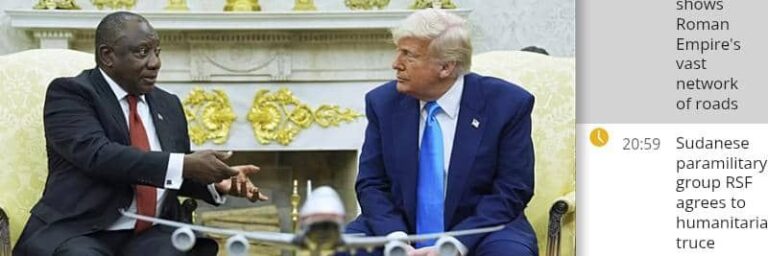
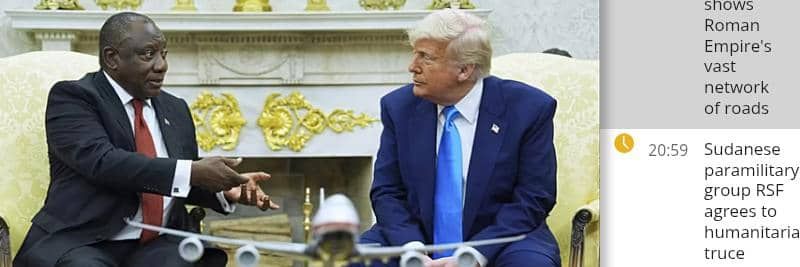
U.S. President Donald Trump criticizes South Africa’s governance and signals absence from the G20, sparking debate over Africa’s representation in global economic forums.
U.S. President Donald Trump has publicly stated that South Africa “shouldn’t even be in the G’s anymore, because what’s happened there is bad.”
He announced that he will not attend the upcoming G20 Summit in Johannesburg later this month, citing dissatisfaction with South Africa’s political and economic trajectory.
Trump claimed that the country has been “going in the wrong direction” and suggested that its domestic policies and human rights record undermine its standing among major global economies.
Speaking at a business forum in Miami, he also referenced South America and South Africa in criticizing left-leaning governments, highlighting perceived mismanagement and corruption.
The president’s remarks come amid heightened tensions in U.S.–South Africa relations, as Pretoria prepares to host the G20 under its rotating presidency.
Trump specifically cited South Africa’s land-reform policies and alleged human rights concerns as part of his justification for calling for the country’s removal from the elite group of economies.
In response, South African officials have rejected Trump’s statements as “factually inaccurate” and reaffirmed the country’s readiness to host the summit and play its role in global governance.
Analysts say Trump’s comments could overshadow the Johannesburg summit and complicate South Africa’s efforts to position itself as a bridge between developed and developing nations.
The United States will still participate in the summit, but Vice President J.D. Vance will represent the country in place of Trump, signaling an official diplomatic distancing.
Observers note that South Africa is the only African member of the G20, and its inclusion has historically reflected its transition from apartheid to democracy and its leadership role in representing the Global South.
Trump’s blunt dismissal, however, has reignited questions about membership criteria for global forums and the extent to which governance standards influence inclusion in elite international bodies.
South African diplomats emphasize that the country’s presence in the G20 reflects its potential to champion inclusive growth, economic reform, and African leadership on the global stage.
Despite these defenses, Trump’s statements signal growing impatience among some U.S. officials toward nations perceived as failing to meet certain governance and human rights benchmarks.
Cape Town and Pretoria now face the dual challenge of hosting a successful summit while managing diplomatic and reputational fallout from the White House’s criticisms.
The Johannesburg G20 is expected to focus on economic reform, global trade, equitable growth, and Africa’s role in the global economy—issues South Africa has long promoted.
By calling for South Africa’s removal, Trump has sparked debate not only about that country’s status but also about the legitimacy and inclusivity of global economic leadership forums.
As preparations continue, attention will remain on South Africa’s response and whether it can leverage the summit to bolster its international credibility or whether the criticism will overshadow its efforts.
U.S. President Donald Trump criticizes South Africa’s governance and signals absence from the G20, sparking debate over Africa’s representation in global economic forums.
U.S. President Donald Trump has publicly stated that South Africa “shouldn’t even be in the G’s anymore, because what’s happened there is bad.”
He announced that he will not attend the upcoming G20 Summit in Johannesburg later this month, citing dissatisfaction with South Africa’s political and economic trajectory.
Trump claimed that the country has been “going in the wrong direction” and suggested that its domestic policies and human rights record undermine its standing among major global economies.
Speaking at a business forum in Miami, he also referenced South America and South Africa in criticizing left-leaning governments, highlighting perceived mismanagement and corruption.
The president’s remarks come amid heightened tensions in U.S.–South Africa relations, as Pretoria prepares to host the G20 under its rotating presidency.
Trump specifically cited South Africa’s land-reform policies and alleged human rights concerns as part of his justification for calling for the country’s removal from the elite group of economies.
In response, South African officials have rejected Trump’s statements as “factually inaccurate” and reaffirmed the country’s readiness to host the summit and play its role in global governance.
Analysts say Trump’s comments could overshadow the Johannesburg summit and complicate South Africa’s efforts to position itself as a bridge between developed and developing nations.
The United States will still participate in the summit, but Vice President J.D. Vance will represent the country in place of Trump, signaling an official diplomatic distancing.
Observers note that South Africa is the only African member of the G20, and its inclusion has historically reflected its transition from apartheid to democracy and its leadership role in representing the Global South.
Trump’s blunt dismissal, however, has reignited questions about membership criteria for global forums and the extent to which governance standards influence inclusion in elite international bodies.
South African diplomats emphasize that the country’s presence in the G20 reflects its potential to champion inclusive growth, economic reform, and African leadership on the global stage.
Despite these defenses, Trump’s statements signal growing impatience among some U.S. officials toward nations perceived as failing to meet certain governance and human rights benchmarks.
Cape Town and Pretoria now face the dual challenge of hosting a successful summit while managing diplomatic and reputational fallout from the White House’s criticisms.
The Johannesburg G20 is expected to focus on economic reform, global trade, equitable growth, and Africa’s role in the global economy—issues South Africa has long promoted.
By calling for South Africa’s removal, Trump has sparked debate not only about that country’s status but also about the legitimacy and inclusivity of global economic leadership forums.
As preparations continue, attention will remain on South Africa’s response and whether it can leverage the summit to bolster its international credibility or whether the criticism will overshadow its efforts.
Musician Abiti Najere has made a heartfelt appeal to event organisers, asking them to start considering her for live performances.
In a message posted on her entertainment page, the singer expressed deep frustration over being repeatedly sidelined despite her efforts and dedication to her craft.
According to Najere, many organisers overlook her when selecting artists for shows, something she says has been happening since she began her music career.
Abiti Najere
“Invite me to your shows! Many artists keep leaving me out. Since I started singing, I have never been invited to perform at a show,” she lamented.
She added that the constant exclusion has left her emotionally drained and questioning her place in the industry.
“I work very hard and I’m always trying my best to entertain Malawians with my music. But it is painful and heartbreaking that most artists never include me. Sometimes I even think of giving up music,” she wrote.
Industry observers say Najere’s plea highlights a broader challenge faced by many emerging artists in Malawi, who struggle to break into major platforms dominated by established names.
Some commentators argue that organisers should embrace diversity and offer opportunities to rising talents to strengthen the industry as a whole.
Fans have since rallied behind Najere, encouraging her not to give up and urging event organisers to recognise her potential and dedication.