Thursday, December 18, 2025
No menu items!
spot_img
Home Blog Page 342

The trials and triumphs of Malawian Football: Challenges and the path forward

By Burnett Munthali

Malawian football continues to face numerous challenges that hinder its growth and international competitiveness.

One of the most persistent problems is the lack of proper infrastructure, including poor stadium conditions, inadequate training facilities, and limited access to quality equipment.

Many clubs operate without their own training grounds, forcing players to practice under substandard conditions that limit performance and development.


Another major challenge is the insufficient funding from both government and private sectors.

Football clubs often struggle to meet operational costs, pay players’ salaries, and invest in youth development programs.

This financial instability discourages talent retention, with many promising players abandoning their football careers due to economic hardships.

The league structure itself also presents a challenge, with inconsistent match scheduling and weak administrative capacity affecting the overall quality of competition.

Corruption and mismanagement within football governing bodies have further undermined the credibility and progress of the sport.

In addition, there is a glaring gap in talent development, with grassroots and school football receiving minimal attention and investment.

Without strong youth structures, Malawi cannot build a pipeline of skilled players for domestic and international success.

Coaching standards remain relatively low, with few opportunities for coaches to access modern training and certification programs.

Another critical issue is the lack of media coverage and commercialization of the sport, which limits revenue opportunities and fan engagement.

Yet despite these hurdles, Malawian football holds immense potential, especially given the passion and talent found across the country.

To address these challenges, there must be deliberate investment in infrastructure, including renovating stadiums and building community training centers.

The government, in partnership with the private sector, must increase funding and incentives to make football a viable career path.

Strengthening governance structures within the Football Association of Malawi (FAM) and Super League of Malawi (SULOM) is also essential for transparency and trust.

Revamping youth academies and integrating football into school curricula can serve as a foundation for long-term player development.

Training and certifying coaches with up-to-date methodologies will improve the technical quality of the game.

Furthermore, enhancing media partnerships and embracing digital platforms can boost visibility and attract sponsorships.

With the right mix of vision, investment, and accountability, Malawian football can overcome its current struggles and rise to become a regional powerhouse.

The journey will be difficult, but the goal is within reach if all stakeholders commit to genuine reform and development.
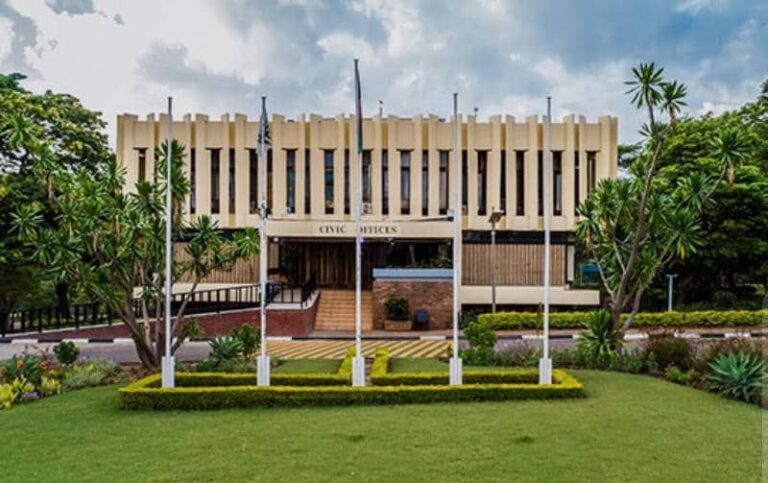
Analysis: Why City Assemblies in Malawi often get it wrong

By Burnett Munthali

In Malawi, city assemblies, also known as city councils, are the local government bodies responsible for urban areas. There are four city assemblies in Malawi: Blantyre, Lilongwe, Mzuzu, and Zomba. These assemblies provide local services and oversee the development of urban areas within their respective jurisdictions.

Malawi has a single-tier local government system, where city assemblies function as districts in their own right. They are made up of both a political arm (elected councillors) and a technical arm (council staff).


City assemblies are responsible for a wide range of municipal services, including infrastructure, sanitation, waste management, and local development initiatives. They also have the power to make bylaws.

Each city assembly is headed by a mayor, who is usually the elected leader of the council.

City assemblies operate under a system of delegated authority from the central government, meaning they have specific powers and responsibilities outlined in the Local Government Act.

Decentralization is a key strategy for the Malawian government, and city assemblies play a crucial role in the devolution of authority from central government to local levels.

City assemblies in Malawi frequently make decisions that fail to address the real needs of their constituents.

This chronic failure often stems from a lack of meaningful consultation with local communities.

Instead of engaging with residents and understanding their priorities, city officials tend to impose top-down solutions.

This approach leads to poorly planned infrastructure, misallocated resources, and projects that do not reflect the lived realities of ordinary people.

A glaring example is the construction of marketplaces or bus depots without considering traffic flow, sanitation needs, or access to water.

City assemblies also struggle with accountability, where decisions are made behind closed doors without transparent procurement or budgeting processes.

The absence of clear communication channels between assemblies and the public breeds suspicion and weakens trust in local governance.

Moreover, political interference plays a major role, as councillors and officials often pursue projects that serve partisan interests rather than the public good.

This undermines long-term urban development and erodes confidence in democratic processes at the local level.

Another critical issue is the lack of technical expertise within assemblies, where some members may not fully understand urban planning, engineering, or environmental impact.

This knowledge gap results in short-sighted decisions that later prove costly or unsustainable.

Compounding this is the underfunding of city assemblies, which leaves them unable to carry out even well-intentioned plans effectively.

Ultimately, for city assemblies to get it right, there must be a shift toward inclusive planning, transparent governance, and professional capacity building.

It is only through community involvement, depoliticized decision-making, and accountability that city assemblies can serve the needs of Malawi’s growing urban populations.

Three women arrested for burglary and theft in Lilongwe

0

By Shaffie A Mtambo

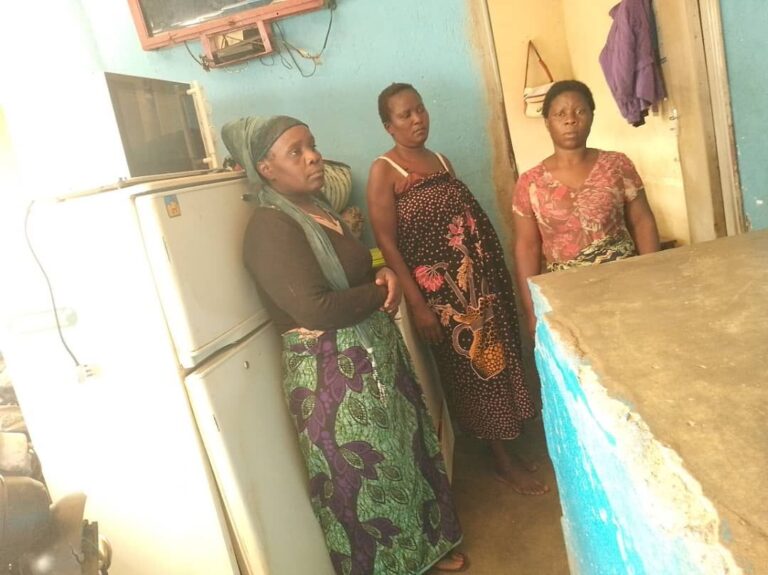
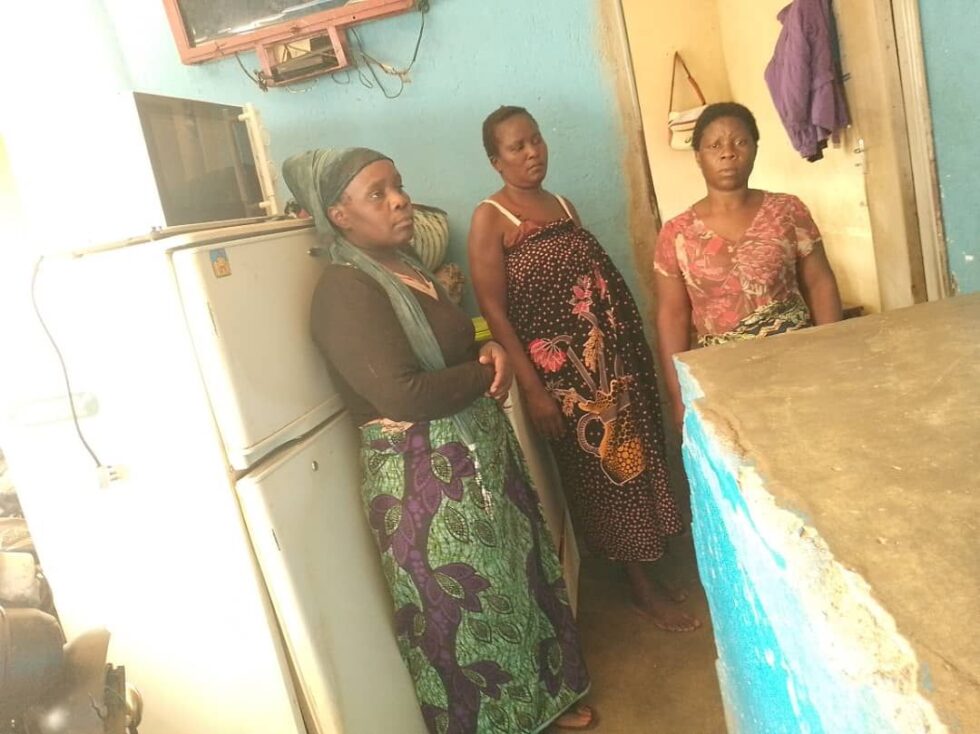
Police in Lilongwe have apprehended three women accused of stealing household items, including a deep freezer, upright fridge, and microwave, after allegedly hiring three men to assist them in the burglary.


According to Lilongwe Police Public Relations Officer Inspector Hestings Chigalu,the suspects are  Chimwemwe Chembe, 39 years old from Lunzu Village, Traditional Authority (T/A) Makata, Blantyre, Elizabeth Mkwezalamba, aged 36, from Awali Village, T/A Mthiramanja, Mulanje, and Memory Elias, 46 years old from Sikafado Village, T/A Sitola in Machinga District, were arrested following a tip-off to the police.


Chigalu added that  Chimwemwe, who stays in a house whose owner temporarily moved to Blantyre, conspired with Elizabeth to steal a microwave three days prior to the burglary.

However, Chimwemwe secretly stole the microwave and sold it without involving Elizabeth. Elizabeth then organized a burglary with a hired team of criminals, including Memory’s son, without Chimwemwe’s knowledge.

The burglary occurred on May 19, 2025, when the hired men broke into the house and stole several items, including a deep freezer, upright fridge, mattress, and beddings.

The police are currently searching for the three hired men, who are on the run.

The police are working to recover the stolen items and bring the perpetrators to justice.

DoDMA responds to 90% of reported disasters in Malawi

0


By Shaffie A Mtambo

The Department of Disaster Management Affairs (DoDMA) has announced that it has responded to 90% of disasters reported by various councils in Malawi this year.

The update was shared by DoDMA’s Principal Disaster Response Officer, Ephod Kachigwada, during a relief item distribution in Mulanje’s Muloza area, which was affected by Tropical Cyclone Jude on Friday.


The relief efforts were made possible through a K60 million donation from the Malawi Revenue Authority (MRA), benefiting approximately 700 people under Traditional Authority (TA) Njema in Mulanje.

Kachigwada highlighted DoDMA’s success in reaching many families impacted by disasters, including Tropical Cyclone Jude.

The MRA’s donation was part of their corporate social responsibility initiative, aimed at supporting vulnerable communities.

Wilma Chalulu, Acting Head of Corporate Affairs at MRA, emphasized the organization’s commitment to giving back to the community.

Controversy erupts over release of suspects in passport scandal*

0

By Jones Gadama

In a shocking turn of events, seven Malawians accused of using fake letters to obtain service passports have been released from custody after top government and Malawi Congress Party (MCP) officials intervened.

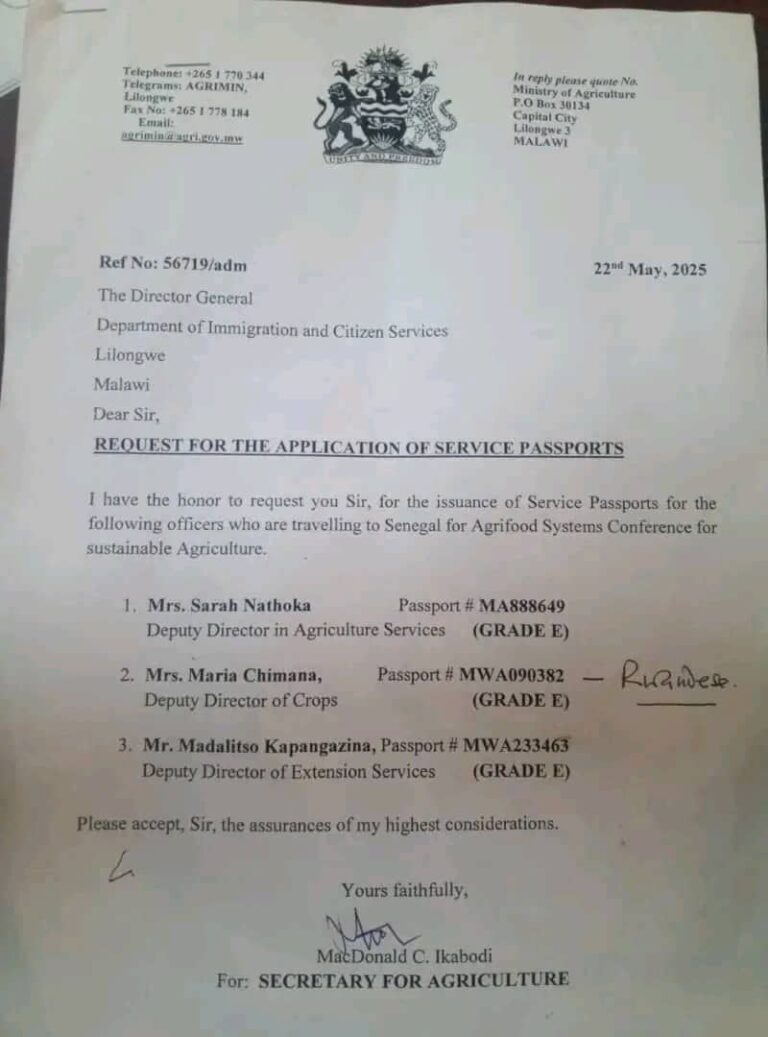
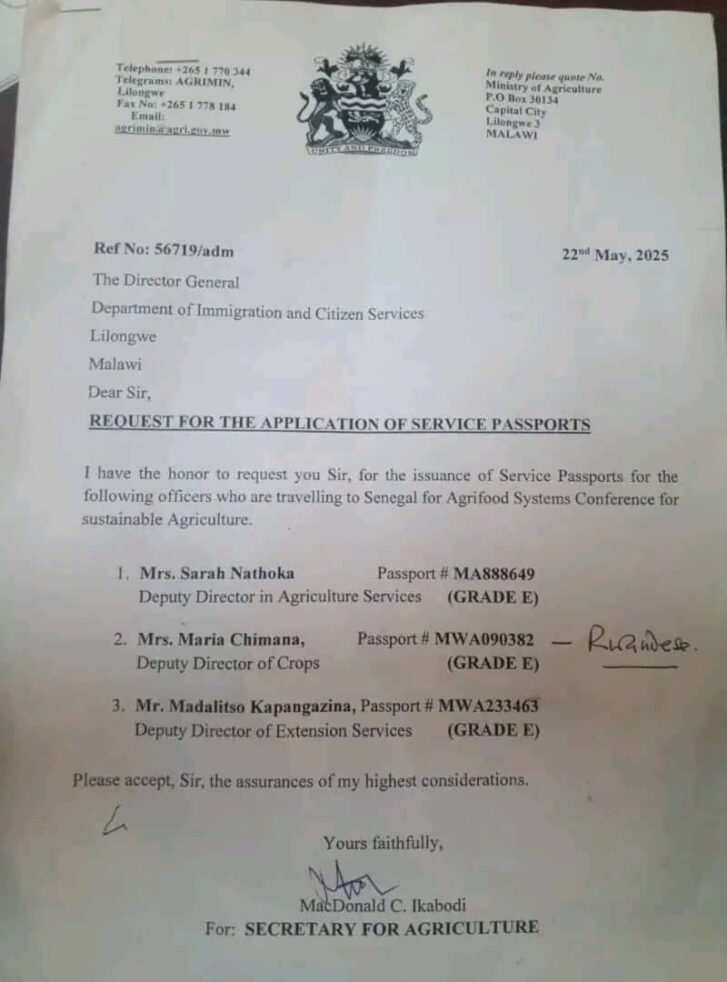
The suspects, who were arrested by the Department of Immigration in Lilongwe on Thursday, allegedly used fake letters from the Ministry of Trade and Industry and the Ministry of Agriculture to support their passport applications.


The suspects, identified as Mr. Madalitso Kapangazina, Mrs. Maria Chimana, Ms. Sarah Nanthoka, Mr. Stain Ethics Mabere, Chinsisi Richard Phiri, Thandi Aresandra Phiri, and Zaithwa Boston Kamanga, claimed to be directors in the respective ministries. They intended to travel to the United States for work.

After spending a night in police custody, the suspects were slated to appear in court.

However, immigration officials received calls from influential government and MCP officials, leading to their release.

Sources suggest that a party loyalist may have masterminded the scandal.

This incident raises concerns about corruption and undue influence in Malawi’s immigration system.

The Department of Immigration has faced operational issues and allegations of corruption in recent months.

In 2023, the country was placed on a US watchlist over issuance of diplomatic passports to shady individuals, including a Nigerian businessman convicted of fraud.

The development has sparked questions about the integrity of Malawi’s passport system and the role of influential individuals in undermining the law.