Saturday, April 11, 2026
No menu items!
spot_img
Home Blog Page 350

MCP breathes sigh of relief as court sets aside default judgment in Salima south constituency polls

0

By Jones Gadama

The Malawi Congress Party (MCP) has received a significant reprieve from the High Court in Lilongwe, which has set aside a default judgment that favored Madalitso Mazombwe in the Salima South Constituency polls.

The judgment would have compelled the party to field Mazombwe as its candidate in the parliamentary elections.

According to MCP Legal Director George Kadzipatike, the party had entrusted the case to a lawyer who failed to file a defense within the prescribed time, resulting in the default judgment. The court subsequently ordered the party to field Mazombwe as its candidate.

MCP Legal Director George Kadzipatike


However, Kadzipatike swiftly filed a motion to set aside the order, which has now been granted.

“We are ultimately happy that the default judgment has been set aside,” Kadzipatike said.

The MCP Legal Director also revealed that the party had prayed for compensation to cover costs incurred by Mazombwe and his lawyers due to the inconvenience caused by the former lawyer’s negligence. This resulted in a K1,500,000 order for party and party costs.

The development brings relief to the MCP, which can now proceed with its preferred candidate for the Salima South Constituency seat. The court’s decision allows the party to regroup and strategize for the upcoming parliamentary elections.

This case highlights the importance of diligence in legal matters, particularly in the context of electoral disputes.

MCP’s swift action in addressing the issue has paid off, and the party can now focus on the bigger picture of winning the elections.

The Salima South Constituency seat is one of the highly contested seats in the upcoming elections, and MCP’s candidate selection will play a crucial role in determining the party’s chances of winning.

With the default judgment set aside, MCP can now select its candidate without any court-imposed restrictions
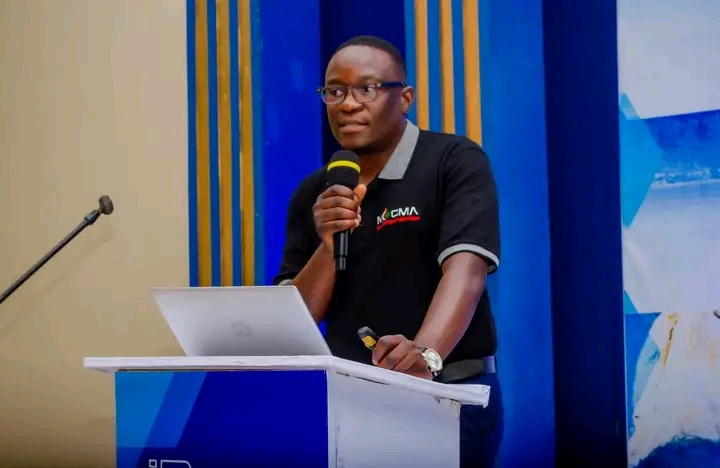

Malawi’s G2G Fuel Deal Cuts Costs by $100 per Metric Tonne

0

By Jones Gadama

Malawi’s new Government-to-Government (G2G) fuel procurement deal has brought significant cost savings, reducing fuel costs by approximately $100 per metric tonne.

According to National Oil Company of Malawi (NOCMA) spokesperson Raymond Likambale, the arrangement with OQ Trading of Oman and Abu Dhabi National Oil Company (Adnoc) is proving more cost-effective.


Under the new deal, diesel Cost, Insurance, and Freight (CIF) premiums have dropped to $77.17 per metric tonne, while petrol premiums now stand at $69.89 per metric tonne. In contrast, the previous tender-based system had diesel premiums at $175.71 per metric tonne and petrol at $185.90 per metric tonne.

The first vessels carrying fuel under this deal are expected to dock at the Tanzanian port of Tanga between July 9 and 12, and at Beira in Mozambique between July 14 and 16.

Fuel will be transported to Malawi by both road and rail. Likambale assured Malawians that inspections and discharge will proceed without delay.

Consumers Association of Malawi Executive Director John Kapito has urged NOCMA to maximize the gains from the G2G deal.

Malawi spends around $600 million annually on fuel imports, and this new arrangement could help alleviate some of the financial burden.

This development comes as Malawi continues to navigate its fuel procurement challenges, with the country using approximately 1 million liters of petrol and 850,000 liters of diesel daily.

The G2G deal is expected to provide some relief, but long-term implications and potential risks, such as those highlighted by the World Bank, will need to be closely monitored.

Malawi Shines Globally as 13 Students Secure Prestigious Indonesian Scholarships

0


By Jones Gadama

Malawi has made a significant mark on the global academic stage after 13 of its students were awarded the prestigious Kemitraan Negara Berkembang (KNB) Scholarship by the Government of Indonesia.

This fully-funded program is a testament to Indonesia’s commitment to uplifting developing nations through world-class academic opportunities.

The Indonesian Embassy in Maputo, accredited to Malawi, and the Honorary Consulate of Indonesia in Malawi played a pivotal role in promoting the scholarship and facilitating the successful application process.


Malawi’s achievement is notable, securing about 8% of the 171 scholarships awarded globally for the 2025 academic year.

This impressive feat places Malawi as the country with the fifth-largest awardees among 46 beneficiary countries worldwide and third in Africa.

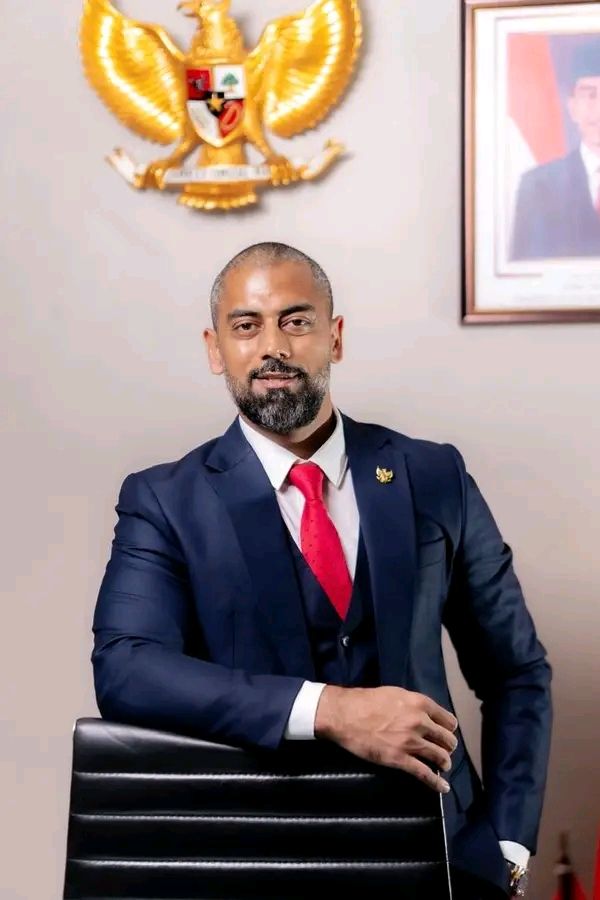
Honorary Consul of the Republic of Indonesia to Malawi, Tariq Kidy, expressed pride in Malawi’s achievement, highlighting Indonesia’s vision for global development anchored in solidarity, education, and empowerment.

“The KNB Scholarship reflects Indonesia’s genuine commitment to uplifting developing nations through world-class academic opportunities,” he said.

Among the awardees is Afera Hassan, who will pursue a Master’s in Communication Science at the University of Atma Jaya Yogyakarta.

“I am deeply grateful to the Indonesian Government for this prestigious KNB Scholarship,” she said, adding that,”To be selected for such a competitive and life-changing opportunity is a profound honour. I look forward to embarking on this academic journey.”

The KNB Scholarship covers tuition fees, living expenses, health insurance, and includes a year-long cultural and language orientation in Indonesia.

The awardees will study critical fields for Malawi’s development, including engineering, public health, agriculture, and economics, positioning themselves as future nation builders.

This achievement underscores the strong diplomatic ties between Malawi and Indonesia, with the Indonesian Government’s commitment to empowering students from developing nations.

As these 13 students prepare for their academic journey, they carry with them the dreams of a nation, poised to return as changemakers and champions of Malawi’s future.

Kenya’s President Ruto orders police to shoot protesters causing damage to property

By Jones Gadama

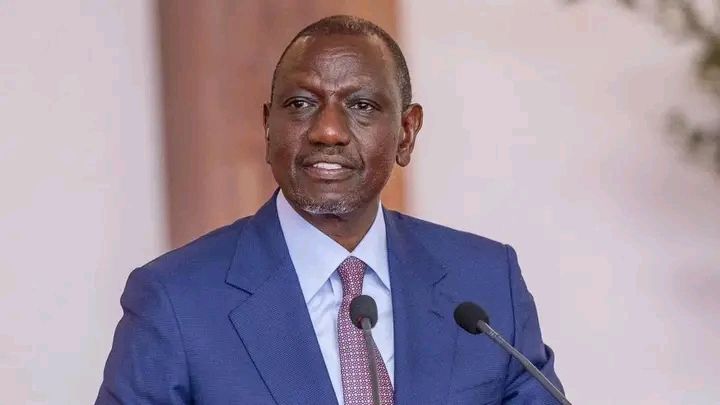
In a shocking move, Kenyan President William Ruto has instructed police to shoot protesters who damage property during demonstrations, sparking widespread concern over human rights.

According to BBC reports, Ruto’s directive is clear: anyone found destroying businesses or other people’s property should be shot in the leg, hospitalized, and then taken to court.

The president’s orders come amid escalating protests in Kenya, which have claimed 31 lives and injured 107 others, as reported by the Kenya National Commission on Human Rights.


The protests, marking 35 years since Kenyans demanded democratic rule, have been marred by violence and controversy.

Protest Background

The demonstrations appear to be driven by widespread discontent with Ruto’s administration, with citizens expressing frustration over various issues, including alleged killings and unexplained disappearances.

Ruto’s Warning to Politicians

In addition to instructing police to crack down on protesters, Ruto has warned politicians against supporting violent demonstrators, cautioning that such backing could lead to their removal from office.

Controversy and Concerns

Ruto’s directive has raised eyebrows, with many questioning the balance between maintaining law and order and protecting human rights.

The Kenya National Commission on Human Rights has been vocal about the need to respect human rights, even in the face of protests.

President Ruto’s Ties and Controversies

Interestingly, President Ruto has been in the news recently for his meeting with Zimbabwean businessman Wicknell Chivayo, who has a history of corruption scandals. This meeting has sparked debate about Ruto’s associations and their potential implications.

Malawi Defence Force Vehicle Scandal: Shiraz Ferreira’s $7.1 Million Claim Under Fire

0


By Jones Gadama

A shocking revelation has emerged in the High Court’s Commercial Division, casting a dark shadow over businessman Shiraz Ferreira’s $7.1 million claim against the Malawi government.

Ferreira, owner of SF International, allegedly supplied old and used vehicles to the Malawi Defence Force (MDF) between 2012 and 2017, contrary to the contract requirements.

According to testimony from Anti-Corruption Bureau (ACB) investigator Flattery Nkhata, the vehicles supplied, including Samil cargo trucks and Pumas, developed faults soon after distribution.


Nkhata revealed that Malawi Revenue Authority (MRA) documents show the vehicles were manufactured between 1980 and 1988, far from the “new, recent model” stipulation in the contract.

“The supplier had given us used and old vehicles but did not disclose this at the time of delivery,” Nkhata told the court.

This nondisclosure has sparked intense scrutiny over Ferreira’s claim, which includes $6,942,359.49 in compound interest and $202,270.78 in legal costs.

The contract, worth $30 million, was signed in 2017, with Ferreira delivering goods in 2019.

However, the government disputes Ferreira’s claim, alleging that his company was overpaid and owes the state $2.5 million.

Attorney General Thabo Chakaka Nyirenda argues that Ferreira did not supply all goods as stipulated in the contract.

This case has raised questions about corruption and accountability in government dealings.

Ferreira’s history with the Malawi government is checkered; he was previously arrested by the ACB and MRA for tax evasion and later paid back the owed amount in an out-of-court settlement.

The businessman has also been debarred by the Attorney General for entering into overpriced contracts with the government.

The court’s decision on Ferreira’s claim is eagerly awaited, with implications for government procurement processes and accountability