The government through the Ministry of Finance have mutually resolved to allow the Extended Credit Facility Program to lapse until further notice.
In a press statement the ministry has issued, Secretary for Treasury Betchani Tchereni says this follows the Government’s recent discussion with the International Monetary Fund (IMF) during the recent Spring meetings in Washington DC.
According to the statement, the ECF that was approved on 14th November, 2023 was aimed at restoring macroeconomic stability, a thing that has faced a number of exogenous shocks which made it difficult for the side of supply side to assist both increased revenue and enhanced production.
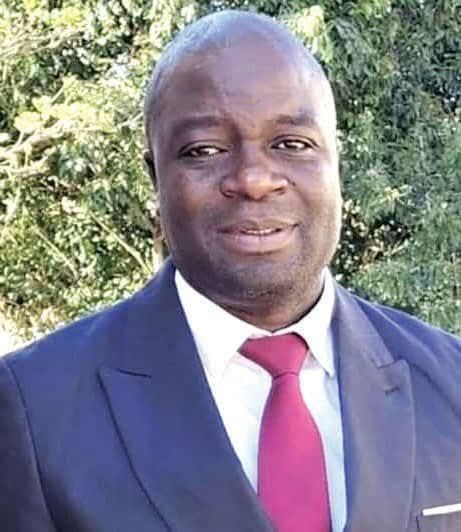
Tchereni
“This resolution allows the political environment necessary for the progression of the ECF program to normalize as is expected after the elections in September 2025,” reads part of the statement.
The statement also said this move will allow the Government to leverage its fresh electroal mandate in negotiating a more sustainable ECF package for the country to gain macroeconomic stability going forward.
The statement further said that as Government it remains confident that post-election, the partnership with the IMF will continue the progress made so far in restoring international donor confidence in Malawi’s committiment to the macroeconomic reforms necessary for staying on the path of recovery and debt sustainability.
The statement adds that IMF will send a mission end May 2025 to make consultations and monitoring for Malawi’s economic main stays in preparation for a tailor made Malawi Programme in the future and the Ministry assures the public that during this period where ECF program will be in the state of suspension, the economic reforms protocols established to exercise fiscal discipline will continue in force
Malawi President Dr Lazarus McCarthy Chakwera has expressed Government commitment to enhance mass production in order for his Government to register economic growth.
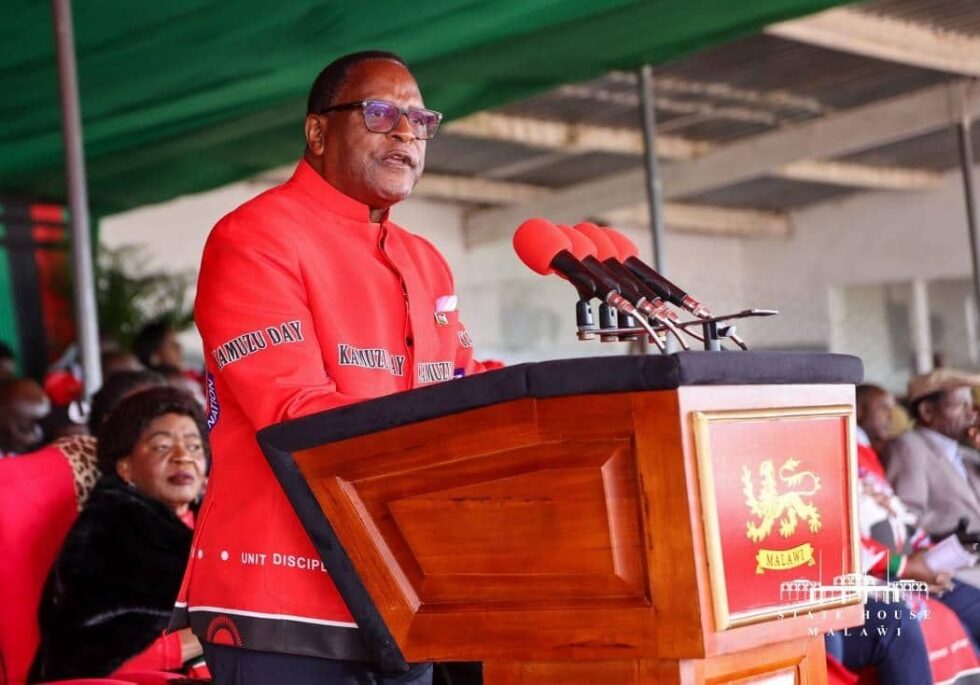
President Chakwera was speaking in Mzuzu during this year’s Kamuzu day celebration.
“Kamuzu encouraged manufacturing of various products locally which is crucual for our economic growth,” he said.
Apart from manufacturing the President also commended Kamuzu Banda for encourage agriculture, trade, roads as well as railways.
“I know that many of you are like me, dreamers who still believe in Malawi, dreamers who still believe in the rise of of Malawi to greatness and I am determined to restore the foundation Kamuzu laid inorder to make this a country where your dreams come true,” Chakwera said.
Chakwera
He also encouraged Malawians to remain positive about their dreams and not giving up the country to the same people who destroyed the foundations Kamuzu laid down for the fulfilment of that dream.
Chakwera also encouraged young people in the country to place their trust in him and give him the mandate to continue leading the nation to carry the country’s vision forward.
The Malawi leader has commended Malawians for putting their trust in him with hope that things will change to for betterment of every Malawian with his visionary leardership.
During the function Kamuzu family representative, Ken Kandodo commended Dr Lazarus McCarthy Chakwera for continuing with Kamuzu vision.
Secretary to the President and Cabinet (SPC), Colleen Zamba, has stated that her office is currently powerless to act against civil servants who are actively participating in political activities.
Zamba revealed that the inability to act stems from the fact that Parliament has not yet provided the necessary legal framework or prescriptions to guide her office in dealing with such cases.
Her remarks come amid rising concerns from legal experts, governance commentators, and the general public over the growing trend of public servants getting involved in partisan politics.
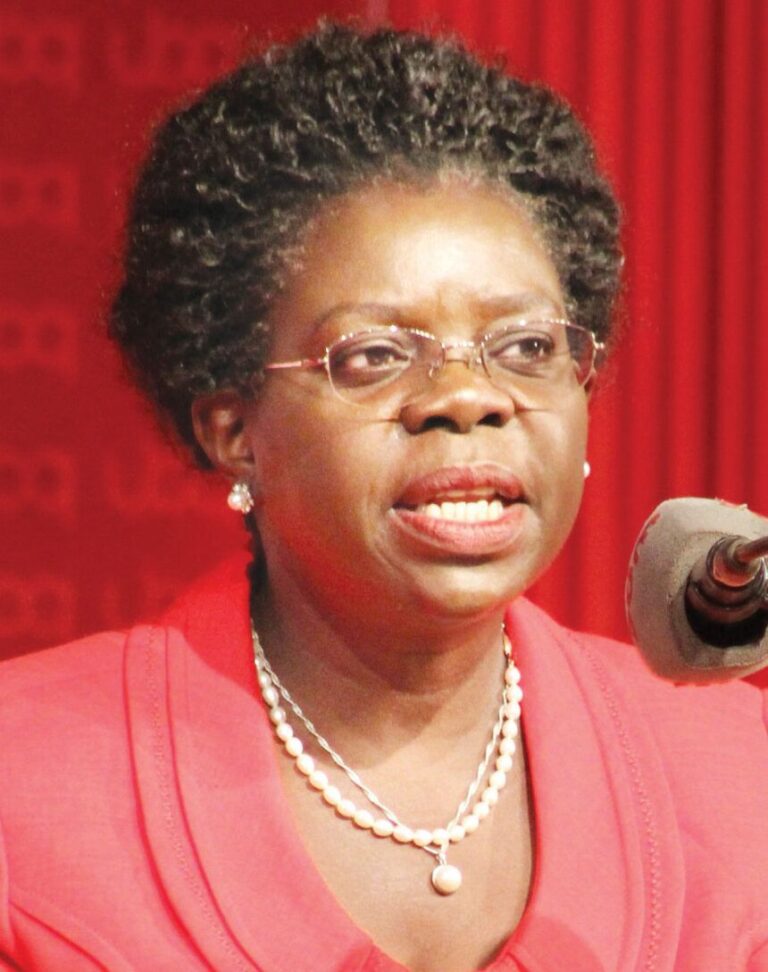
Zamba
The issue has become particularly pressing in light of the upcoming September 16 General Election, with reports indicating that some civil servants have gone as far as contesting in political party primaries.
Zamba’s comments suggest a significant gap in Malawi’s legal and administrative systems regarding the regulation of public servants’ conduct during election periods.
Speaking in response to these concerns, Zamba emphasized that while the Constitution and Civil Service regulations prohibit civil servants from engaging in active politics, there remains a lack of enforceable statutes specifically empowering her office to intervene.
She pointed out that until Parliament acts to address the legislative vacuum, her hands remain tied, regardless of how blatant the political engagement by civil servants may be.
According to Zamba, enforcement mechanisms must be clearly stipulated in law before disciplinary measures can be legally and fairly implemented.
The SPC further warned that taking action without legal backing would expose her office to accusations of political persecution or abuse of power.
This position has sparked debate among stakeholders, with some accusing the government of using the lack of legal prescriptions as an excuse to tolerate politically aligned civil servants.
Others argue that Parliament has been slow in addressing critical gaps in governance laws, thereby allowing a culture of impunity to fester within the public service.
Legal scholars, such as Professor Garton Kamchedzera, have argued that Malawi’s democratic values are undermined when civil servants, who are supposed to be neutral, take part in politics.
He insists that the Public Service Act and other governance instruments should be urgently reviewed to introduce clear sanctions for such conduct.
Meanwhile, civil society organizations have demanded swift action from both the executive and the legislature to protect the integrity of the civil service.
They argue that failure to act not only compromises professionalism but also erodes public trust in government institutions.
The Malawi Law Society has also weighed in, urging Parliament to prioritize the matter in its next session and enact laws that reinforce the nonpartisan nature of the civil service.
This controversy highlights broader concerns about the politicization of state institutions and the blurred lines between governance and party politics in Malawi.
Observers warn that if left unaddressed, the situation could have long-term implications for public accountability and the credibility of the 2025 electoral process.
Zamba’s call for legislative intervention is likely to pile pressure on lawmakers to move with urgency in crafting legal instruments that clearly define the boundaries for public servants.
As the countdown to the General Election continues, the spotlight will remain firmly on how the government handles this sensitive and politically charged issue.
Failure to resolve it may result in further entrenchment of political influence within public administration, thereby undermining democratic governance.
Zamba has made it clear that until Parliament acts, the executive branch’s ability to enforce neutrality in the civil service remains fundamentally limited.
As political temperatures rise, Malawi awaits decisive action to protect its democratic institutions and ensure a fair, professional, and impartial public service.
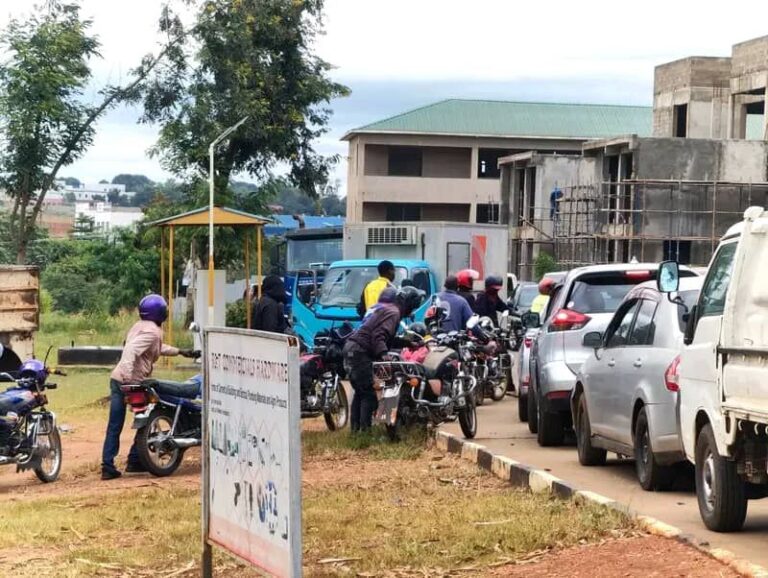
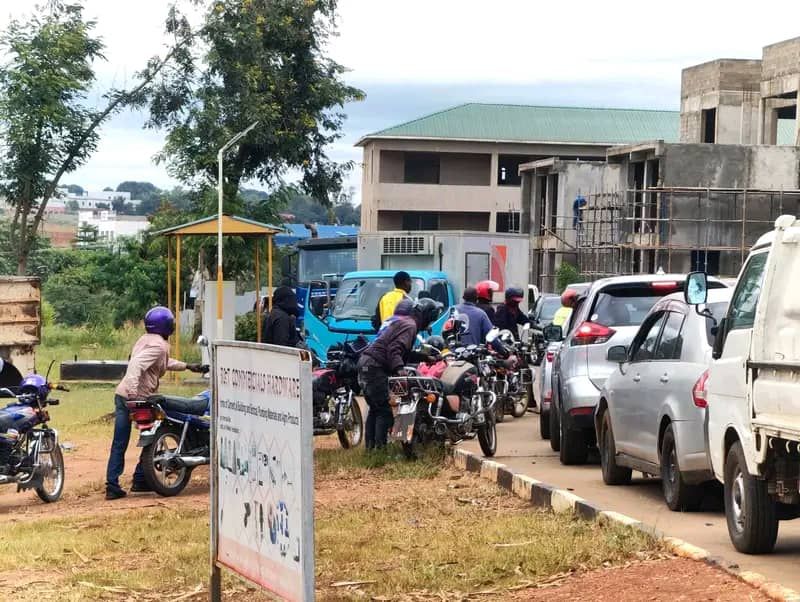
In Malawi, a growing concern over the persistent fuel shortages is casting a dark shadow on the nation’s economic prospects.
Citizens like Luka MacLoud from Lilongwe are struggling to make ends meet, with many unable to support their families due to the rising costs of fuel.
MacLoud, along with over ten others, lamented that despite the country’s foreign earnings from tobacco exports, fuel scarcity remains a major stumbling block.
The situation is creating a ripple effect across various sectors, from transport to agriculture, leaving many businesses in jeopardy.
Isaac Cheke Ziba, a local commentator, stressed the urgent need for sustainable solutions to address this challenge.
He suggested that the government should convene meetings with stakeholders to find lasting solutions to the fuel crisis.
Malawi’s economic stability, he argued, depends on addressing these critical issues.
The country, rich in natural resources and foreign trade opportunities, should not be left vulnerable to fuel supply disruptions.
The government’s focus on boosting economic recovery must include addressing these logistical constraints that hinder economic activities.
With fuel shortages putting a strain on everyday life, citizens are left wondering whether the country’s economic growth will ever reach its full potential.
Now is the time for bold decisions to pave the way for a future where fuel scarcity does not dictate the success of Malawi’s economy.
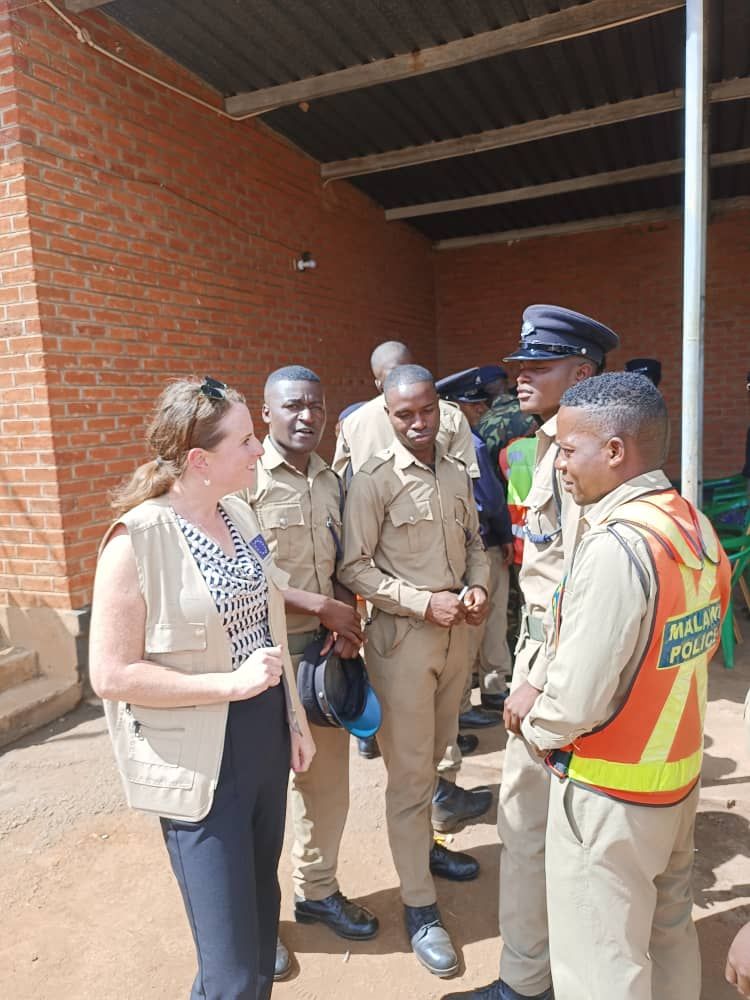
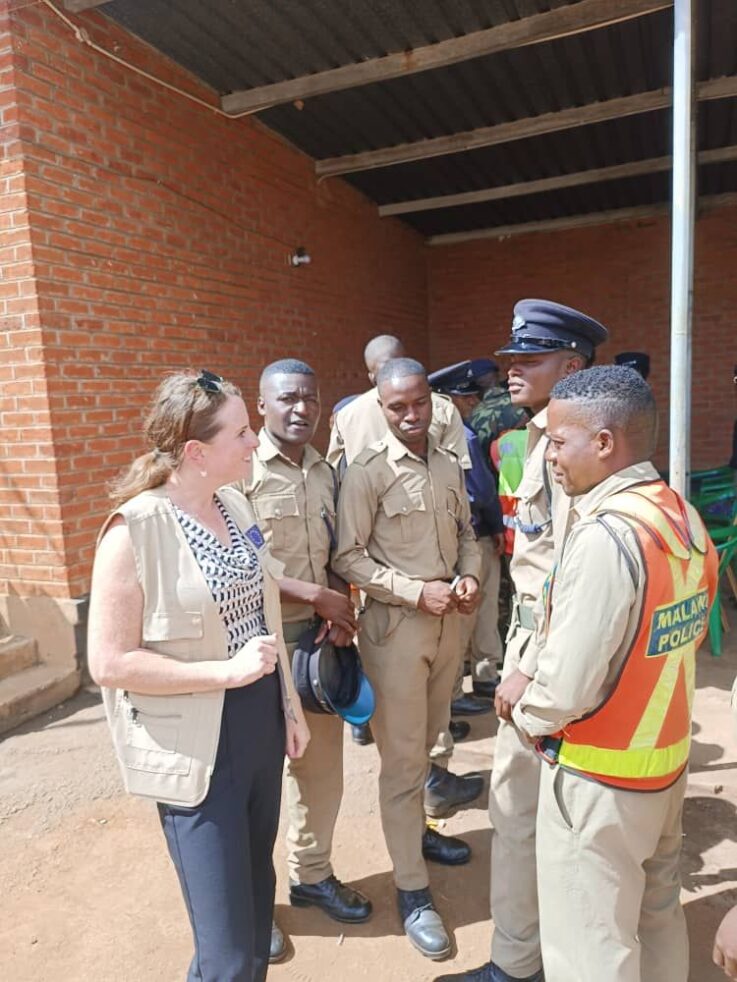
Irish Rule of Law International program Lawyer, Martha Pigott says adherence to Malawi Child care, protection and Justice Act is crucial in ensuring rehabilitation of children who are in conflict with the law.
She said this on Saturday at Lumbadzi Police Station during a refresher training of police officers on appropriate handling of child suspects.
Pic: Piggot interacting with officers after the training
Said Pigott: “Sometimes a child might be coming from a broken home, not having parents or support in school so in order to prevent them from committing more crimes or becoming more dangerous criminals before becoming adults we have to intervene and rehabilitate them now while still young and put them on a better path.”
She however observed that one of the challenges was inadequate safe homes which she said affected police officers when they come into contact with children who have committed offenses.
Malawi Child Care, Protection and Justice Act of 2010 prohibits children in conflict with the law from being held in police cells but instead be put in safe homes and also divert those children away from the criminal justice system for more minor offences.
Pigott urged the police officers to work hand in hand with parents of concerned children to ensure that they divert children’s cases away from court.
Lumbadzi police officer in-charge, Deputy Commissioner Mecklina Mtanthiko Medi commended the Irish rule of law officials for organizing the training saying it will help improve service delivery especially on children in conflict with the law.
The training was supported by Irish Rule of Law International and was aimed at reminding police officers on what the law says, discuss challenges and pave the way forward.