
Saturday, December 20, 2025
No menu items!
spot_img
Home Blog Page 382

Top three schools emerge from SWED Drama Festival to compete at national level

0

By Shaffie A Mtambo

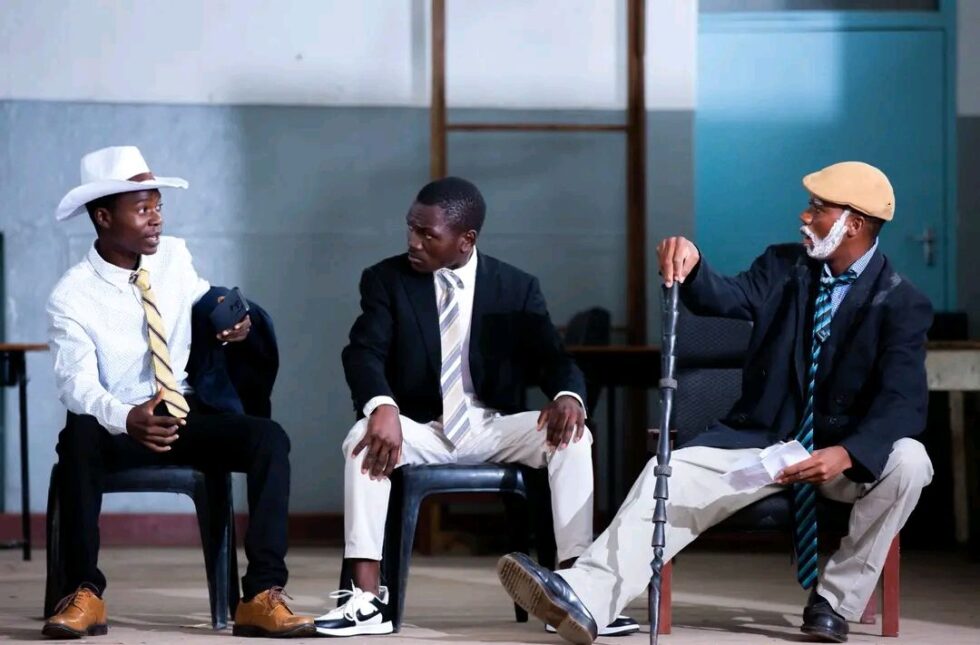
The South West Education Division (SWED) Drama Festival, held at Chichiri Secondary School, has crowned Stella Maris Girls Secondary School, Chichiri Secondary School, and Soche Hill Secondary School as the top three schools to represent the division at the national stage.

The festival, part of the Association for the Teaching of English in Malawi (ATEM) national drama competition series, saw nine schools competing in the drama festival.

The top-performing schools were recognized for their exceptional performances, with Stella Maris Girls Secondary School, Chichiri Secondary School, and Soche Hill Secondary School impressing the judges with their creativity, confidence, and command of English through drama.


Other participating schools included Chikonde CDSS, Matope CDSS, Chirimba CDSS, Chiwale CDSS, Manja Intensive, and Ntenjera CDSS.

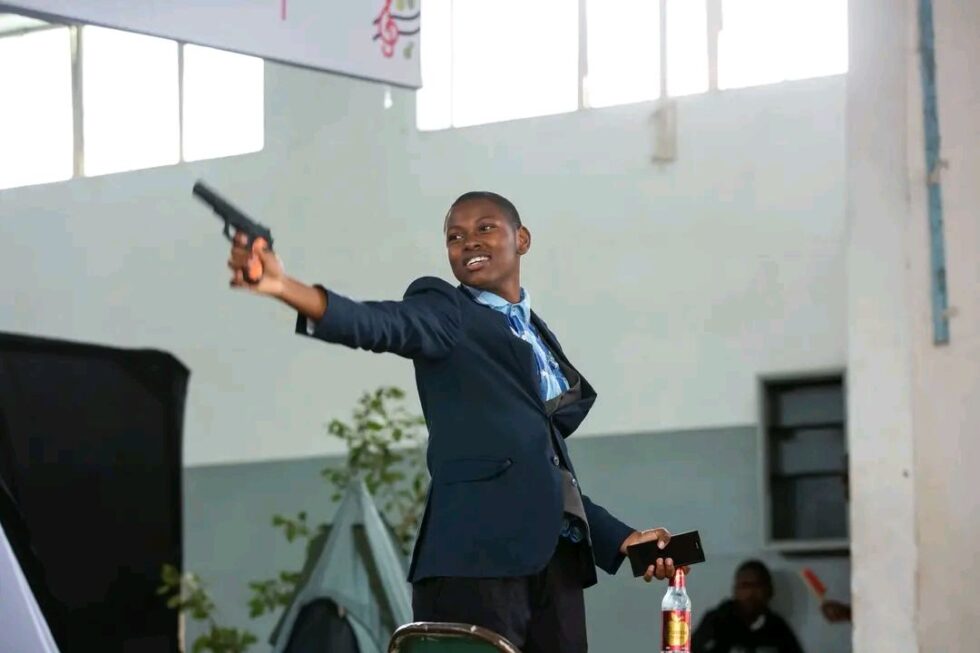
Several students were also recognized for their outstanding performances, including Giddes Praise Mkata (Chichiri Secondary) as Best Actor, Stance Mwapasa (Stella Maris) as Best Actress, Siyabonga Mbanga-Mbanga (Chichiri) as Best Supporting Actor, and Joyce Mlongoti (Stella Maris) as Best Supporting Actress. John Thapelo from Chichiri was awarded Best English Speaker.

The ATEM national drama competition series will continue with regional contests in other divisions, including NED (Mzuzu), CWED (Lilongwe), CEED (Kasungu), SEED (Machinga), and SHED (Luchenza). The top three schools from each division will advance to the national stage, where the best student performers will be showcased.

The SWED event was made possible through the support of Standard Bank and MobiSchool, highlighting the importance of partnerships in promoting arts and education in Malawi.
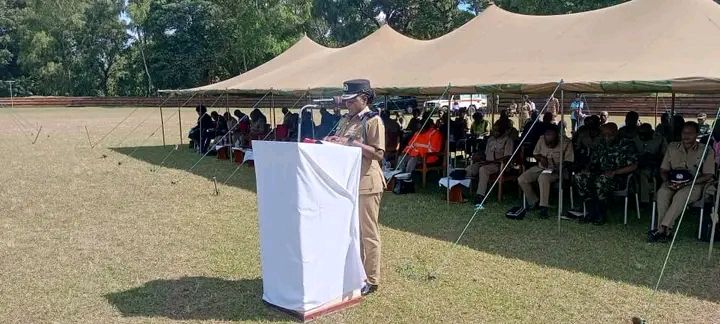
Malawi police service holds national prayer session ahead of elections

0

By Jones Gadama

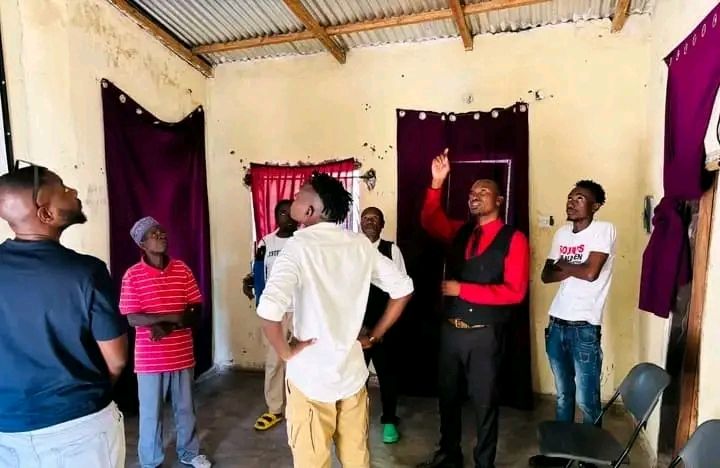
The Malawi Police Service (MPS) recently organized a national prayer session at its headquarters in anticipation of the general elections scheduled for September 16.

The event brought together senior MPS officials, religious leaders from various denominations, and other stakeholders to pray for peace and unity among Malawians before, during, and after the polls.

The prayer session is part of the MPS’s efforts to promote a peaceful and harmonious electoral process.

The MPS recognizes the crucial role that peace and unity play in ensuring the success of the elections and the country’s stability.

During the prayer session, participants prayed for guidance, wisdom, and protection for the MPS as they work to maintain law and order during the elections.


They also prayed for peace and unity among Malawians, urging citizens to respect the outcome of the elections and to resolve any disputes peacefully.

The MPS has been working tirelessly to ensure that the elections are free, fair, and peaceful.

The national prayer session is one of the initiatives aimed at promoting peace and stability during this critical period.

The event reflects the MPS’s commitment to upholding the rule of law and protecting the rights of all citizens.

By seeking divine guidance and intervention, the MPS hopes to ensure that the elections are conducted in a peaceful and orderly manner.

The national prayer session is also a demonstration of the MPS’s recognition of the importance of faith and spirituality in promoting peace and unity.

By bringing together religious leaders from various denominations, the MPS aims to harness the power of prayer and faith to promote a peaceful electoral process.

As the country heads towards the September 16 general elections, the MPS’s national prayer session serves as a reminder of the importance of peace and unity.

The MPS urges all Malawians to work together to ensure that the elections are peaceful and that the country’s stability is maintained.

The MPS’s efforts to promote peace and unity during the elections are commendable, and the national prayer session is a significant step in the right direction. By praying for peace and unity, Malawians can work together to build a brighter future for themselves and their country.

In the run-up to the elections, the MPS will continue to work tirelessly to ensure that the electoral process is peaceful and orderly.

The national prayer session is just one of the initiatives aimed at promoting peace and stability during this critical period.

As the country prepares for the elections, it is essential for all stakeholders to work together to ensure that the process is free, fair, and peaceful.

The MPS’s national prayer session is a positive step towards achieving this goal.

EU pledges K2 trillion investment in Malawi’s economy

0

By Jones Gadama

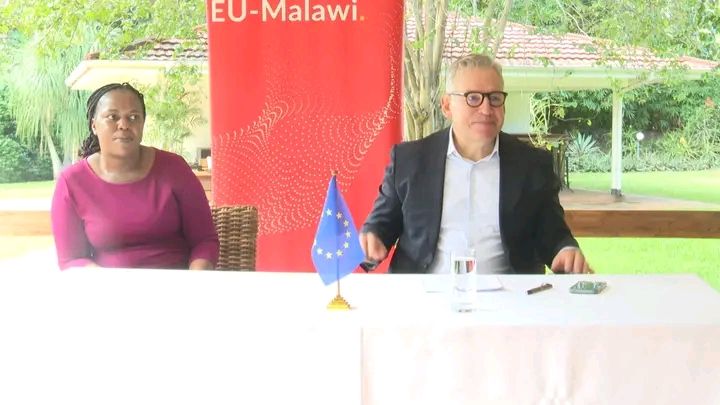
The European Union (EU) has announced plans to invest one billion euros, approximately K2 trillion, into Malawi’s economy.

EU Ambassador to Malawi, Rune Skinnebach, made the announcement during a briefing on Malawi-EU Day, celebrated annually on May 9.

According to Ambassador Skinnebach, the investment is part of the EU’s Global Gateway initiative, which aims to support sustainable development and economic growth in partner countries.


The EU has allocated 300 billion euros for investments globally, with 150 billion euros specifically earmarked for Africa.

This significant investment is expected to boost Malawi’s economic growth, aligning with the country’s development strategy, Malawi 2063.

The funding will likely focus on key areas such as green and resilient economic transformation, democratic and economic governance, and human development and social inclusion.

The EU’s investment in Malawi’s economy demonstrates the organization’s commitment to supporting the country’s development goals.

This partnership is expected to enhance living standards, promote long-term inclusive growth, and contribute to Malawi’s transformation into a middle-income economy.

In a recent development, the EU resumed budget support to Malawi with a total value of EUR 55 million, aimed at enhancing efficiency, effectiveness, and quality in secondary education services.

This support underscores the EU’s renewed partnership with Malawi, focusing on shared goals of stability, progress, and inclusive development.

The investment is also in line with the EU’s Global Gateway investment strategy, which aims to support a strong, inclusive, green, and digital transformation in partner countries.

With this significant investment, Malawi is poised to accelerate its economic growth and development, leveraging the EU’s support to achieve its vision for a prosperous future.

Musician Namadingo embarks on philanthropic project to build school block in Machinga

By Shaffie A Mtambo

Malawian musician Patience Namadingo has taken to social media to announce his latest philanthropic endeavor. The Pagoline music artist has started building a school block at Wataka Primary School in Machinga.

According to Namadingo, he will be calling Machinga home until the project is complete.

The project involves constructing a 33×8 meter school block with three classrooms. Namadingo has allocated a budget of MK 106,059,336.25 for the project.


The musician has expressed his commitment to seeing the project through to its completion.

In his Facebook post, Namadingo urged well-wishers to support the project. He emphasized the importance of education and the need for quality infrastructure in schools.

Namadingo’s project is expected to benefit the students and teachers at Wataka Primary School. The new school block will provide a conducive learning environment, enhancing the overall quality of education in the area.

The musician’s decision to embark on this project demonstrates his dedication to giving back to the community.

As Namadingo settles in Machinga for the duration of the project, he is likely to engage with the local community. The musician’s presence is expected to bring attention to the importance of education and the need for community support.

Africa must prioritize science, technology, and evidence-informed decision-making for sustainable development

0

By Jones Gadama

Minister of Higher Education, Jessie Kabwila, has emphasized the need for African nations to prioritize science, technology, and evidence-informed decision-making to drive sustainable development.

Speaking at the 2025 Evidence for Development (Evi4Dev) Conference in Nairobi, Kabwila highlighted the importance of homegrown solutions in addressing Africa’s pressing challenges.

Africa is grappling with numerous challenges, including climate change, youth unemployment, and weak health systems. Kabwila stressed that these challenges demand a bold shift toward locally funded development solutions, with science and evidence at the core.

Kabwila


This approach will enable African countries to develop innovative solutions tailored to their specific needs.

Evidence-informed decision-making is critical in shaping Africa’s future.

Kabwila emphasized the need for policymakers to rely on scientific evidence when making decisions. This approach will ensure that policies are effective, efficient, and sustainable.

The Evi4Dev Conference brought together policymakers, researchers, and development leaders to strategize on how to harness the power of evidence in driving development.

Kabwila also highlighted the need to include women and marginalized groups in development planning. These groups are often excluded from critical decision-making processes, despite being disproportionately affected by development challenges.

By including them in the planning process, African countries can ensure that their needs are taken into account, leading to more equitable and sustainable development outcomes.

The conference was organized by AUDA-NEPAD, AFIDEP, and the Science for Africa Foundation.

It provided a platform for stakeholders to share knowledge, experiences, and best practices in harnessing the power of evidence for development.

Building Africa’s science capacity requires broader, fairer collaboration. According to Jan Palmowski, secretary-general of the Guild of European Research-Intensive Universities, Africa’s share of global science production currently stands at just 4%.

To address this, the African Union has identified investments in science, technology, research, and innovation as key to its Agenda 2063.

The Evi4Dev Conference aimed to develop a unified framework for defining, assessing, and enhancing education system resilience, promote evidence-informed decision-making, and foster collaboration among stakeholders.

Kabwila’s call to action emphasizes the need for African nations to invest in science, technology, and evidence-informed decision-making.

By prioritizing these areas, African countries can develop innovative solutions to their pressing challenges, leading to sustainable development and improved livelihoods for their citizens.

The Evi4Dev Conference marked an important step towards achieving this goal.

Prioritizing science, technology, and evidence-informed decision-making is crucial for Africa’s sustainable development.

By working together, African countries can develop innovative solutions to their pressing challenges, leading to a brighter future for their citizens.