Thursday, December 18, 2025
No menu items!
spot_img
Home Blog Page 382

Africa must prioritize science, technology, and evidence-informed decision-making for sustainable development

0

By Jones Gadama

Minister of Higher Education, Jessie Kabwila, has emphasized the need for African nations to prioritize science, technology, and evidence-informed decision-making to drive sustainable development.

Speaking at the 2025 Evidence for Development (Evi4Dev) Conference in Nairobi, Kabwila highlighted the importance of homegrown solutions in addressing Africa’s pressing challenges.

Africa is grappling with numerous challenges, including climate change, youth unemployment, and weak health systems. Kabwila stressed that these challenges demand a bold shift toward locally funded development solutions, with science and evidence at the core.

Kabwila


This approach will enable African countries to develop innovative solutions tailored to their specific needs.

Evidence-informed decision-making is critical in shaping Africa’s future.

Kabwila emphasized the need for policymakers to rely on scientific evidence when making decisions. This approach will ensure that policies are effective, efficient, and sustainable.

The Evi4Dev Conference brought together policymakers, researchers, and development leaders to strategize on how to harness the power of evidence in driving development.

Kabwila also highlighted the need to include women and marginalized groups in development planning. These groups are often excluded from critical decision-making processes, despite being disproportionately affected by development challenges.

By including them in the planning process, African countries can ensure that their needs are taken into account, leading to more equitable and sustainable development outcomes.

The conference was organized by AUDA-NEPAD, AFIDEP, and the Science for Africa Foundation.

It provided a platform for stakeholders to share knowledge, experiences, and best practices in harnessing the power of evidence for development.

Building Africa’s science capacity requires broader, fairer collaboration. According to Jan Palmowski, secretary-general of the Guild of European Research-Intensive Universities, Africa’s share of global science production currently stands at just 4%.

To address this, the African Union has identified investments in science, technology, research, and innovation as key to its Agenda 2063.

The Evi4Dev Conference aimed to develop a unified framework for defining, assessing, and enhancing education system resilience, promote evidence-informed decision-making, and foster collaboration among stakeholders.

Kabwila’s call to action emphasizes the need for African nations to invest in science, technology, and evidence-informed decision-making.

By prioritizing these areas, African countries can develop innovative solutions to their pressing challenges, leading to sustainable development and improved livelihoods for their citizens.

The Evi4Dev Conference marked an important step towards achieving this goal.

Prioritizing science, technology, and evidence-informed decision-making is crucial for Africa’s sustainable development.

By working together, African countries can develop innovative solutions to their pressing challenges, leading to a brighter future for their citizens.

Malawi takes a step forward in enhancing education system resilience

0

By Jones Gadama

The University of Malawi has launched the Africa Regional Education System Resilience Observatory (ARESRO), a groundbreaking project aimed at strengthening the resilience of education systems across sub-Saharan Africa.

The project, coordinated in partnership with Makerere University of Uganda, was unveiled in Salima, Malawi.

Government officials, academia, and stakeholders converged to hail the initiative as a significant milestone in improving education quality through global partnerships.


The project’s timeliness in addressing Malawi’s education challenges, particularly those arising from natural disasters, was emphasized by Quality Assurance Director in the Ministry of Education, Professor Golden Msilimba.

“The launch of ARESRO is a great milestone in improving the quality of education in Malawi through a global partnership,” Msilimba stated.

He underscored the project’s potential to prepare countries for unforeseen events impacting the education sector.

The project is designed to examine education system resilience in selected African countries, including Malawi.

It explores potential future disruptions, shocks, stressors, and risks affecting education systems, including the COVID-19 pandemic.

According to Associate Professor Macjessie Mbewe, Leader of the Project, the pandemic served as an eye-opener for Malawi and other African countries, highlighting the need for robust education systems.

Vice Chancellor for the University of Malawi (UNIMA), Professor Samson Sajidu, noted that the ARESRO project would cement existing relationships with international universities.

The initiative aligns with efforts to strengthen Africa’s higher education sector, emphasizing research and innovation.

By fostering partnerships and leveraging expertise, ARESRO aims to create more inclusive and sustainable educational environments.

ARESRO’s objectives include developing a unified framework for defining, assessing, and enhancing education system resilience, establishing a virtual observatory to track current and future risks, and collaborating with regional bodies to influence policy and practice.

The project adopts a three-pronged research approach: context analysis, formative assessments, and foresight analysis.

By prioritizing collaborative efforts, knowledge sharing, and innovative solutions, stakeholders can work together to build more robust and adaptable education systems.

The launch of ARESRO marks a significant step towards enhancing education system resilience in Malawi and beyond.

By working together, stakeholders can contribute to improved education outcomes and increased resilience in the face of emerging challenges.

SAEK launches pre-election assessment mission in Malawi

0

By Jones Gadama

The Southern African Development Community Electoral Advisory Council (SEAC) has embarked on a pre-election assessment mission in Malawi to evaluate the country’s preparedness for the upcoming September elections.

As part of its stakeholder engagement efforts, SEAC held a meeting with journalists from various media houses to discuss the management of political and security issues leading up to the polls.

Led by Advocate Notemba TJipueja, the SEAC delegation emphasized that these meetings are a crucial component of their goodwill mission, which is conducted in all SADC countries preparing for elections.


The objective is to assess the Malawi Electoral Commission’s (MEC) readiness and identify areas that may require improvement.

During the meeting with journalists, discussions centered on the management of political tensions, party campaigns, and potential flashpoints that could impact the electoral process, as well as measures in place to ensure the safety and security of voters, candidates, and election officials.

TJipueja noted that after consulting with key stakeholders, including youth representatives, security agencies, and political parties, SEAC will compile its findings and provide recommendations to enhance the electoral process.

These stakeholders play a vital role in shaping the electoral landscape, and their input will be invaluable in informing SEAC’s assessment.

SEAC’s engagement with various stakeholders underscores the importance of collaborative efforts in ensuring credible and peaceful elections.

By soliciting views from a broad spectrum of society, SEAC aims to provide a comprehensive assessment of Malawi’s electoral preparedness.

The Malawi Electoral Commission (MEC) has been working to strengthen its capacity to deliver credible elections.

As the September elections draw near, the role of SEAC’s assessment mission becomes increasingly significant.

The recommendations arising from this mission will likely inform strategies to address potential challenges and improve the overall electoral process.

With SEAC’s assessment mission, Malawi is poised to take another step towards ensuring free, fair, and transparent elections.

The outcome of this mission will be closely watched by stakeholders, both locally and internationally, as the country heads towards a critical electoral milestone.

Malawi’s mining sector: A golden key to economic growth

0

By Jones Gadama

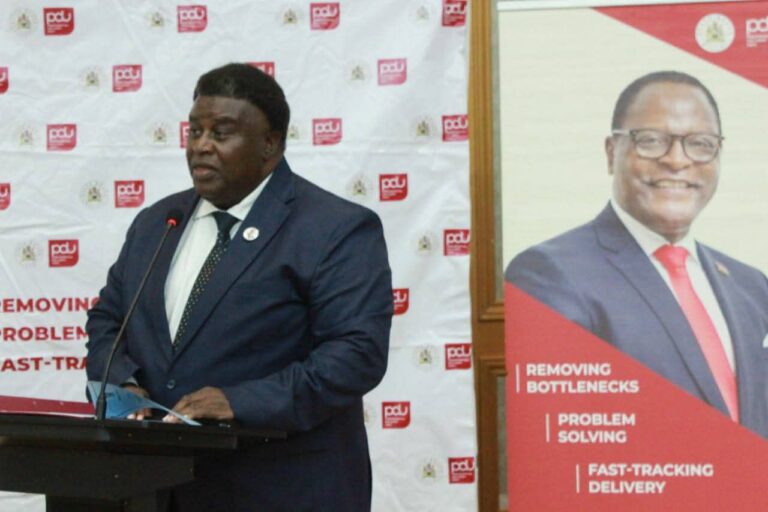
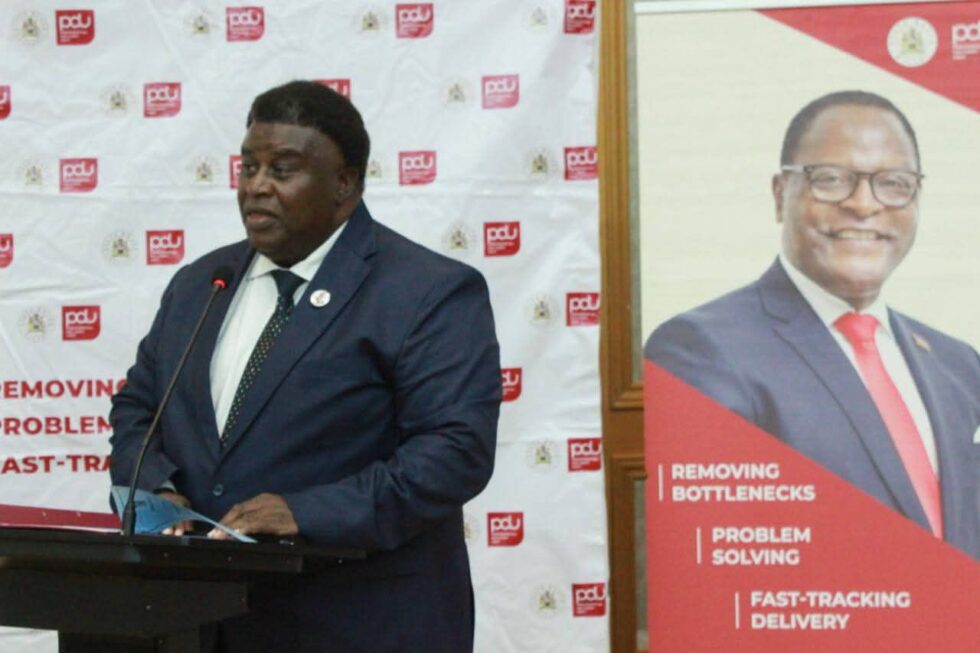
Vice President Dr. Michael Usi has emphasized the need for transparency in Malawi’s mining sector, highlighting its potential to unlock economic growth and propel the country into the middle-income bracket.

Dr. Usi made these remarks during the opening of the Presidential Delivery Unit’s Mining Lab in Lilongwe, a three-day meeting funded by the Government of Britain.

The meeting aims to bring together stakeholders to discuss the future of Malawi’s mining industry, exploring opportunities to improve the sector and ensure it benefits the entire nation, not just investors.

Dr Ken Zikhale Ng’oma


Minister of Mining, Ken Zikhale Ng’oma, described the mining sector as a game-changer for Malawi’s economy, expressing optimism that the meeting will yield positive outcomes.

“We believe that the mining sector can be a significant contributor to Malawi’s economic growth,” Dr. Usi said.

“However, for this to happen, we need to ensure transparency in mining processes across all mining sites,” he added.

The Vice President’s call for transparency is in line with his previous stance on promoting accountability in various sectors.

In a meeting with the National Economic Empowerment Fund (NEEF) members, Dr. Usi urged the organization to be transparent and accountable in its operations.

British High Commissioner to Malawi, Fiona Ritchie, reaffirmed the UK government’s commitment to supporting Malawi’s mining sector.

“We are pleased to be funding this meeting, which will provide a platform for stakeholders to discuss the future of Malawi’s mining industry,” she said.

The meeting is expected to explore ways to improve the mining sector, including increasing transparency and accountability, promoting local content, and ensuring that mining activities benefit local communities.

According to Dr. Usi, Malawi’s industrialization and the successful implementation of the Malawi 2063 strategy depend on the development of a robust economy, which the mining sector can significantly contribute to.

As Malawi strives to achieve its development goals, the mining sector is poised to play a crucial role.

With the right policies and practices in place, the sector can unlock opportunities for economic growth, create jobs, and improve the lives of Malawians.

The Presidential Delivery Unit’s Mining Lab provides a timely platform for stakeholders to discuss the challenges and opportunities in the mining sector.

By working together, Malawi can harness the potential of its mining industry to drive economic growth and development.

Dr. Usi’s call for transparency in the mining sector is a step in the right direction.

With the support of stakeholders, including the Government of Britain, Malawi can unlock the potential of its mining industry and propel the country towards economic growth and development

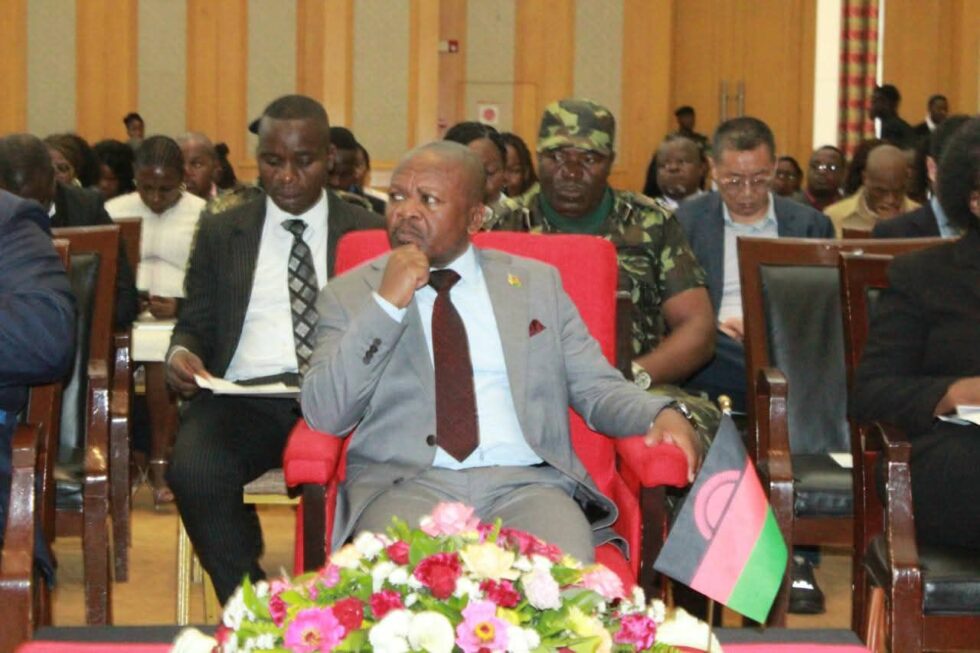
Vice President Usi in attendance
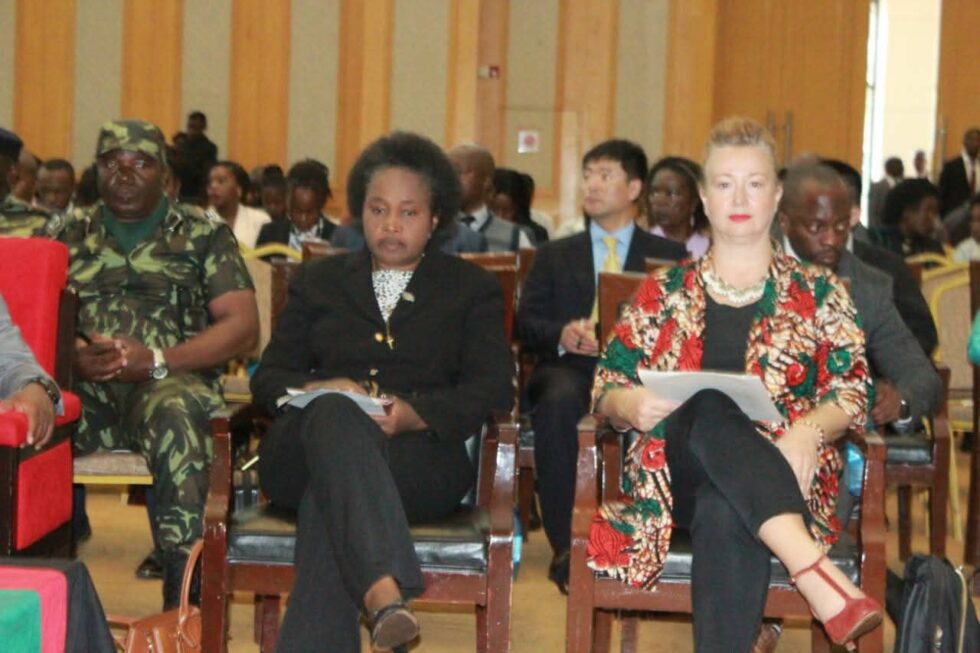
Other dignitaries at the event

Tension builds as MCP-covered box confiscated ahead of Zigwagwa Demonstrations

0

By Burnett Munthali

Some vendors brought a mysterious box to the planned demonstrations, intending to carry it as part of their protest display.

The box was wrapped in a cloth bearing the colors and symbols of the Malawi Congress Party (MCP).

However, the police forcefully confiscated the box, raising questions about its contents and purpose.


At the time of this report, the demonstrations had not yet started, as the vendors were still waiting for the arrival of a key speaker.

A total of eleven police vehicles had arrived at the Zigwagwa market area, the designated starting point for the demonstrations.

The heavy police presence signaled growing tension and anticipation as both protesters and law enforcement awaited the next development.