Speaker of Parliament Catherine Gotani Hara has emphasized the need for a deliberate legal framework to enhance youth participation in politics.
Speaking at the launch of the National Youth Manifesto for 2025 to 2030 in Lilongwe, Gotani Hara proposed setting aside a quarter of parliamentary seats for young people to advance the national youth agenda.
This call to action comes amid concerns that youths in Malawi have lost trust in the country’s democratic values.
Gotani Hara
Mwandida Theu, Coordinator for the Youth Decide Campaign, highlighted that the launch of the manifesto aims to address this issue and promote youth engagement in the political process.
The National Youth Manifesto for 2025 to 2030 serves as a critical document outlining the aspirations and priorities of young people in Malawi.
By launching this manifesto, stakeholders aim to create a platform for youth voices to be heard and valued in the country’s development.
The Old Mutual Pension Services Company (OMPSC) has commended the overwhelming success of its Mulinji Mu Peshoni Act 2023 campaign, aimed at raising awareness about changes in pension law.
The campaign, which started on April 1 and runs until June 30, has reached approximately 1.5 million people through digital and traditional media platforms.
According to OMPSC General Manager Tawonga Manda, the campaign’s primary objective was to simplify the revised Act for Malawians, particularly those contributing to pension schemes.
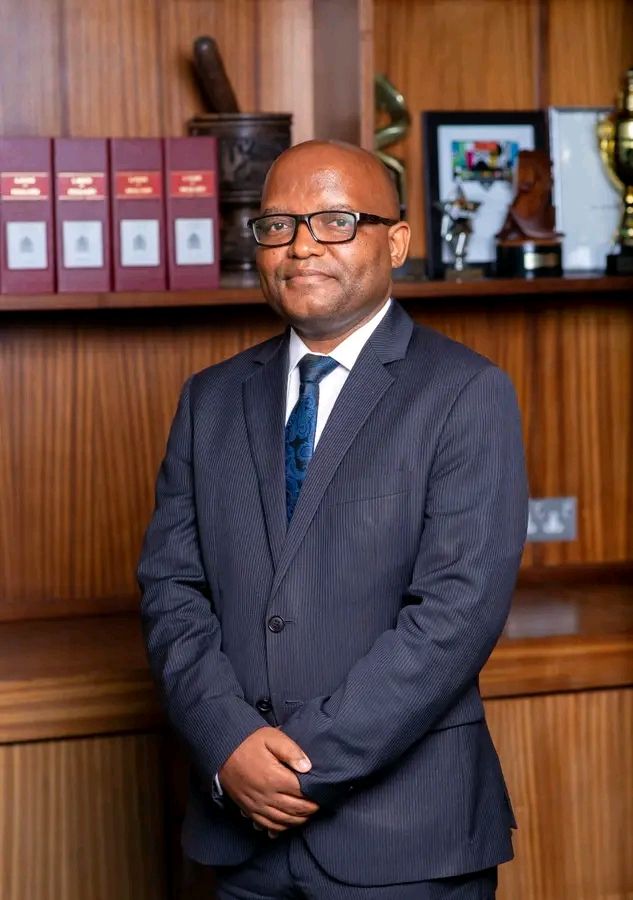
Tawonga Manda
The initiative has been instrumental in educating the public on key changes and their implications for current and future pensioners.
The campaign has not only clarified pension processes but also engaged the public in meaningful dialogue, resulting in a notable increase in pension-related inquiries and people taking deliberate steps to understand and manage their pension benefits.
OMPSC is proud to have empowered Malawians with knowledge, and the response has been overwhelming.
As a leading Pension Administrator in Malawi, OMPSC continues to play a vital role in informing and educating the public about pension-related matters.
The success of the Mulinji Mu Peshoni Act 2023 campaign underscores the company’s commitment to enhancing the understanding of pension laws and regulations among Malawians.
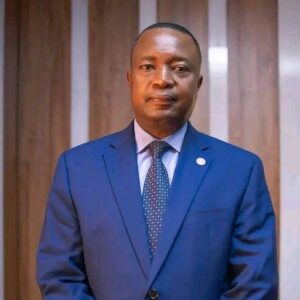
In a groundbreaking ceremony, the Global Association of Clinical Officers and Physician Associates (GACOPA) is set to honor Malawi’s Vice President Michael Usi for his unprecedented achievement as the first clinical officer globally to attain the vice presidency.
This esteemed recognition underscores the critical role clinical officers play in healthcare delivery and governance.
GACOPA President Austin Odour Otieno expressed pride in Usi’s accomplishment, highlighting his journey from clinical medicine to the nation’s second-highest office as a testament to dedication, perseverance, and exceptional leadership. The association expects Usi to champion the cause of health workers, particularly clinical officers, advocating for their vital role in healthcare delivery and policy-making.
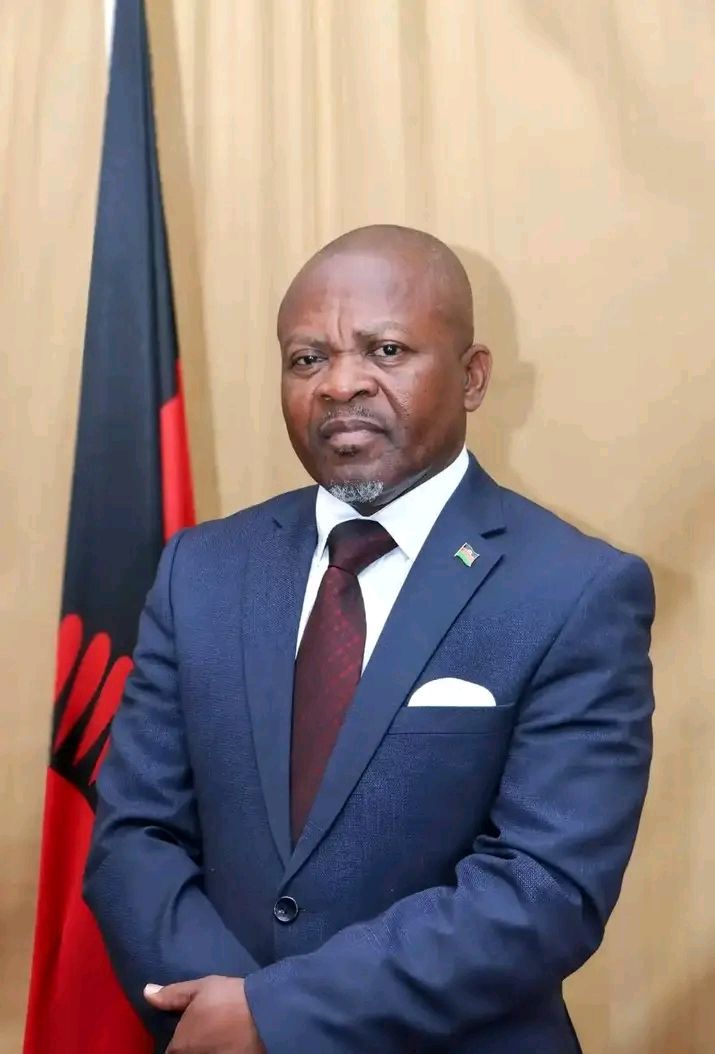
Usi
The Physicians Associates Union of Malawi (PAUM) also welcomes this recognition, with President Solomon David Chiomba emphasizing its significance not only for the profession but also for the nation.
Chiomba hopes Usi’s appointment will bring attention to the plight of clinical officers, pushing for improved working conditions, sustained promotions, and better benefits.
As Vice President, Usi is expected to leverage his background in clinical medicine to inform healthcare policies and decisions.
His appointment has sparked mixed reactions, with some questioning his suitability for the role while others praise President Chakwera for honoring the alliance between their parties.
The recognition ceremony marks a significant milestone in Usi’s career and for the clinical officer community globally.
As the first clinical officer to achieve such a high office, Usi’s appointment sets a precedent for future generations of healthcare professionals in politics.
As Malawi prepares for the 2025 general elections, political attention is increasingly turning toward the United Transformation Movement (UTM) and its newly endorsed presidential hopeful, Dr. Dalitso Kabambe.
Kabambe, an economist and former Reserve Bank of Malawi (RBM) Governor, is a fresh face in the top-tier political contest, yet he brings with him a reputation shaped by years of public service and economic stewardship.
Before joining frontline politics, Dr. Kabambe held various technical positions within Malawi’s civil service, including serving as the Principal Secretary in the Ministry of Foreign Affairs and at the Office of the President and Cabinet.
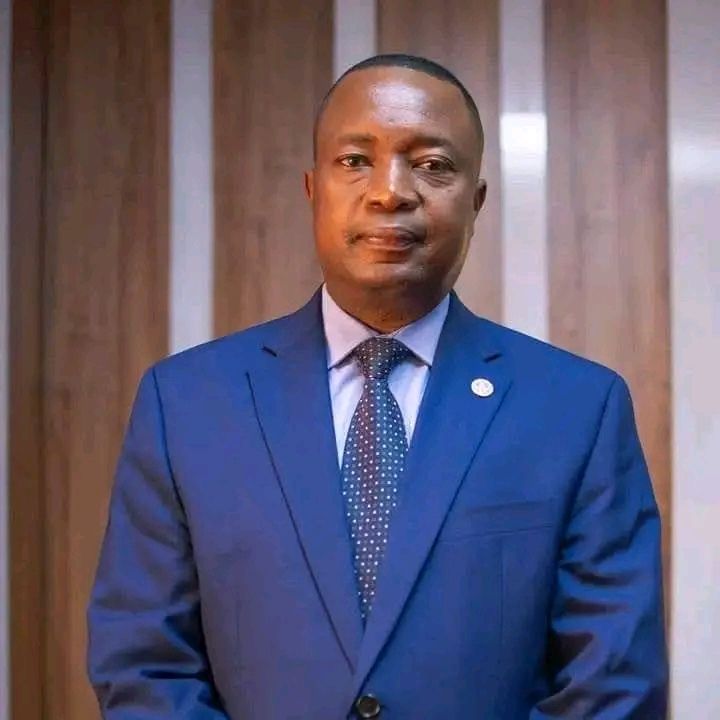
Kabambe
His most notable appointment came in 2017 when he was appointed Governor of the Reserve Bank of Malawi by then-President Peter Mutharika, a position he held until 2020.
During his tenure as RBM Governor, Kabambe was credited with implementing policies that stabilized the economy, reduced inflation, and strengthened the country’s foreign exchange reserves.
Under his leadership, the inflation rate fell to single digits, and Malawi’s gross official reserves increased from under US$600 million to over US$800 million, giving the country better import cover.
Kabambe also spearheaded Malawi’s switch to an interest rate-based monetary policy framework, aligning the country’s financial system more closely with international best practices.
He modernized banking supervision, improved digital payment systems, and advocated for financial inclusion through mobile money expansion and rural banking.
These accomplishments earned him praise from both local economists and international financial institutions, including the IMF and World Bank.
However, his record has not been without controversy.
In 2021, after leaving office, Kabambe was arrested and charged in connection with the alleged misreporting of Malawi’s reserve figures to the International Monetary Fund during his time as RBM Governor.
He has consistently maintained his innocence, and the case has been politically polarizing, with some viewing it as a targeted effort to tarnish his image ahead of a possible presidential run.
Kabambe officially joined the Democratic Progressive Party (DPP) and expressed interest in contesting for its leadership, but internal party conflicts and factionalism limited his rise within that structure.
In a strategic shift, he realigned himself with the United Transformation Movement (UTM), which had gained considerable popularity under the late Vice President Dr. Saulos Chilima.
Following Chilima’s tragic death in 2024, UTM found itself in need of new leadership — and Kabambe emerged as a unifying figure with both technocratic experience and national appeal.
The UTM’s decision to embrace Kabambe reflects its desire to maintain political relevance while moving beyond its founding leader’s personal charisma.
Kabambe has since rebranded the UTM narrative, combining its transformative ideals with a renewed emphasis on economic reform, youth empowerment, and anti-corruption.
His campaign rhetoric focuses on job creation, private sector revitalization, agricultural modernization, and fixing public sector inefficiencies.
He has also emphasized the need for political discipline, value-based leadership, and policy continuity, framing himself as a candidate who merges integrity with expertise.
Supporters believe Kabambe’s technical background offers hope for restoring fiscal discipline and reengineering Malawi’s fragile economy.
They argue that, unlike career politicians, Kabambe brings practical solutions rooted in evidence-based policymaking and experience from high-stakes public financial management.
Critics, however, caution that his political inexperience could become a liability in a terrain where grassroots mobilization, party structures, and coalition-building are key to electoral victory.
Others are skeptical about whether Kabambe can truly distance himself from the legacy of the DPP, especially given his previous alignment and the corruption allegations he faces.
Additionally, UTM itself faces the challenge of maintaining its core support base following Chilima’s demise, as many of its loyalists were bound by personal allegiance rather than party ideology.
To win the presidency, Kabambe will need to build a compelling, inclusive coalition that speaks to both urban and rural voters across Malawi’s diverse regions.
He must also offer more than economic credentials — he will need to prove that he understands the social, political, and cultural complexities that shape Malawi’s electoral behavior.
As 2025 approaches, the big question remains: will Malawians see Dr. Dalitso Kabambe and the UTM as credible agents of transformation, or as another experiment in elite technocracy?
Ultimately, the answer lies in whether Kabambe can convert his academic and professional success into a message that resonates with ordinary Malawians.
The road ahead is steep, but not impossible — if Kabambe can balance vision with humility, reform with realism, and leadership with grassroots trust.
As Malawi inches closer to the next general elections, the big question on many minds is whether the Malawi Congress Party (MCP) can still rally the support of Malawians.
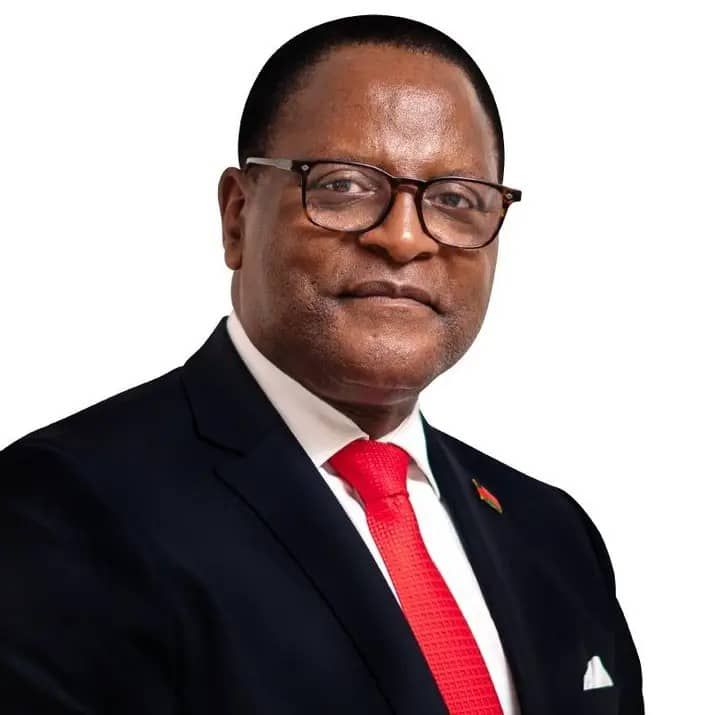
President Lazarus Chakwera came into power in 2020 with the Tonse Alliance, a coalition formed to challenge the status quo and promise a new era of transformation.
Central to his campaign was the “High Five” agenda — a blueprint comprising servant leadership, uniting Malawians, prospering together, delivering infrastructure development, and ending corruption.
Chakwera
Four years later, the nation stands at a crossroads, weighing whether the promises of the High Five have translated into lived realities.
Supporters argue that the MCP-led government has made important strides in areas such as road construction, education infrastructure, and digital transformation.
For instance, the construction and rehabilitation of key roads, including the M1, are often cited as tangible signs of progress under the Chakwera administration.
In education, the government has constructed and rehabilitated several classroom blocks, increasing access to learning for children in rural and urban areas.
In addition, proponents highlight improvements in public sector reforms, especially efforts to digitize government services through the Malawi Digital Economy Strategy.
Yet despite these developments, critics believe the Chakwera administration has fallen short on several fronts, undermining public trust.
One of the most cited grievances is the failure to decisively tackle corruption, despite promising zero tolerance when he assumed office.
High-profile corruption scandals have continued to emerge, with some involving individuals linked to the ruling party or government appointments.
The Anti-Corruption Bureau (ACB), though independent in principle, has been accused of facing political interference and lacking prosecutorial teeth.
Economic hardship has further fueled discontent, as the cost of living continues to rise while job opportunities remain scarce for many Malawians.
The devaluation of the kwacha, rising fuel prices, and persistent power outages have added to the frustration of citizens struggling to survive.
Furthermore, the Chakwera administration has come under fire for excessive foreign travel and the perception of bloated government spending.
Public sector wage delays and a freeze on civil service recruitment have also demoralized many, especially the youth who had high hopes for meaningful employment.
In rural communities, where promises of subsidized fertilizer under the Affordable Inputs Programme (AIP) once won massive support, inconsistent delivery has eroded confidence.
As a result, even within the MCP’s traditional strongholds, there are murmurs of discontent and debates over whether the party has truly delivered.
The death of Vice President Saulos Chilima in June 2024 also significantly altered the political landscape, leaving a vacuum in the Tonse Alliance and deepening uncertainty.
Chilima’s UTM supporters, once key allies of MCP, may not automatically vote for the ruling party again, especially without a renewed alliance deal.
To remain electorally viable, the MCP will need to regain lost trust, strengthen its internal unity, and realign its development agenda with citizens’ real needs.
President Chakwera, if seeking re-election, must present a compelling case that the next five years will be different — and better — than the last.
He will need to be honest about past missteps while clearly outlining new strategies to combat corruption, create jobs, and uplift the economy.
Malawians are no longer easily swayed by party colors or rhetoric; they are more politically conscious and demand visible, consistent results.
With voter expectations rising and the political opposition regrouping, 2025 will not be a walkover for the MCP.
Whether Malawians will vote for the MCP again depends not only on campaign promises but also on the credibility of past delivery.
The High Five agenda, once a symbol of hope, must now be backed by genuine, measurable outcomes that touch the lives of ordinary people.
In the end, the ballot will reflect whether Malawians still believe that the Malawi Congress Party — under President Chakwera — deserves a second chance.