
Tuesday, April 14, 2026
No menu items!
spot_img
Home Blog Page 387

Can DPP regain the presidency? Evaluating APM’s legacy and Malawi’s political mood*

By Burnett Munthali

As Malawi approaches the 2025 general elections, the return of the Democratic Progressive Party (DPP) to power is one of the central questions shaping political debates.

At the heart of this discussion is the legacy of former President Professor Arthur Peter Mutharika (APM), who served from 2014 until the court-sanctioned fresh elections of 2020.

Under APM’s leadership, Malawi experienced a mixture of economic growth, infrastructural development, and controversial governance challenges that continue to spark divergent views.

Supporters of the former president often point to infrastructural development as one of the major achievements of his administration.
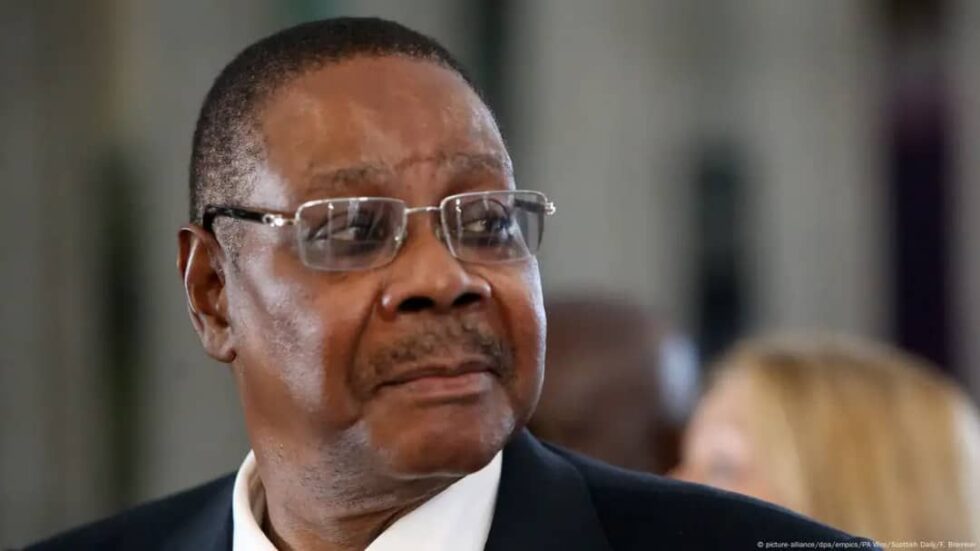
Mutharika

Key road projects such as the Liwonde–Mangochi Road, Karonga–Chitipa Road, and others were either completed or initiated under the DPP government.

The construction of the Bingu National Stadium, the Mombera University project in Mzimba (though incomplete), and the Community Technical Colleges initiative demonstrated his administration’s focus on long-term development.

In the education sector, Mutharika’s government expanded public university intake and introduced the “Community Day Secondary School” projects aimed at improving access in rural areas.

Electricity generation also received attention, with the DPP investing in projects such as the Tedzani IV Hydropower Plant and initiating solar energy expansion plans.

Additionally, the DPP government prided itself on launching the Decent and Affordable Housing Subsidy Programme (DAHSP), which provided homes for thousands of vulnerable families across the country.

Economically, Malawi maintained relative macroeconomic stability during APM’s tenure, with inflation reduced to single digits and the kwacha relatively stable for several years.

The International Monetary Fund (IMF) and the World Bank gave positive reviews of Malawi’s fiscal discipline under Finance Minister Goodall Gondwe during APM’s early years in office.

However, critics argue that Mutharika’s second term was marred by widespread corruption, nepotism, and a gradual erosion of democratic values.

The infamous cement-gate scandal, in which the president was accused of facilitating duty-free importation of cement using his tax exemption privileges, drew intense public scrutiny.

Cases of selective justice and the perceived shielding of politically connected individuals weakened public confidence in the justice system under his leadership.

The 2019 presidential election, widely regarded as flawed due to irregularities such as the use of correction fluid (Tippex), severely damaged APM’s democratic credentials.

It was this controversial election that led to the historic Constitutional Court ruling in February 2020, which nullified the results and ordered a fresh presidential poll — the first such ruling in Malawi and a landmark in African electoral jurisprudence.

The DPP’s handling of post-election unrest, including heavy-handed crackdowns on protesters and human rights defenders, further damaged its image domestically and internationally.

In terms of youth empowerment, critics say the DPP lacked a clear, long-term employment strategy, with youth unemployment remaining high despite the technical colleges initiative.

Civil servants and teachers also voiced frustrations over delayed salaries, stagnated promotions, and the general neglect of the public sector toward the end of Mutharika’s tenure.

Nonetheless, many DPP supporters argue that Malawi was relatively stable during APM’s presidency, especially when compared to the current economic hardships and governance concerns under the Tonse Alliance.

There is growing nostalgia, particularly in Southern and Eastern regions, for the perceived order, discipline, and predictability of APM’s rule.

Some citizens recall that fuel was relatively affordable, the cost of maize was manageable, and public transport fares were not as exorbitant as they are now.

With rising disillusionment over unmet promises, growing corruption concerns, and economic decline under the current administration, some Malawians are reconsidering the DPP as a viable alternative.

Yet, the DPP itself must confront internal divisions, clarify its leadership structure, and distance itself from past misdeeds if it hopes to rebuild trust and win back the electorate.

The party must also present a rejuvenated vision for Malawi — one that resonates with today’s youth, addresses inequality, and restores integrity in governance.

Whether Malawians will vote for the Democratic Progressive Party again in 2025 remains an open question — one that will be answered not just by nostalgia, but by vision, leadership renewal, and the ability to respond to the aspirations of an increasingly informed and demanding electorate.
Malawi Secures Major Mining Investment Deal with UAE

0

By Durell Namasani

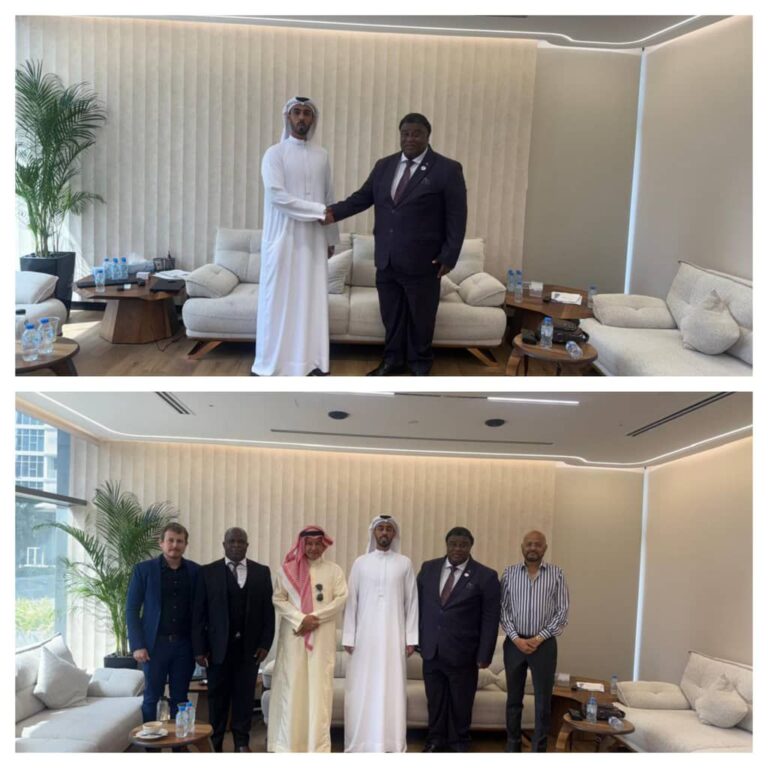
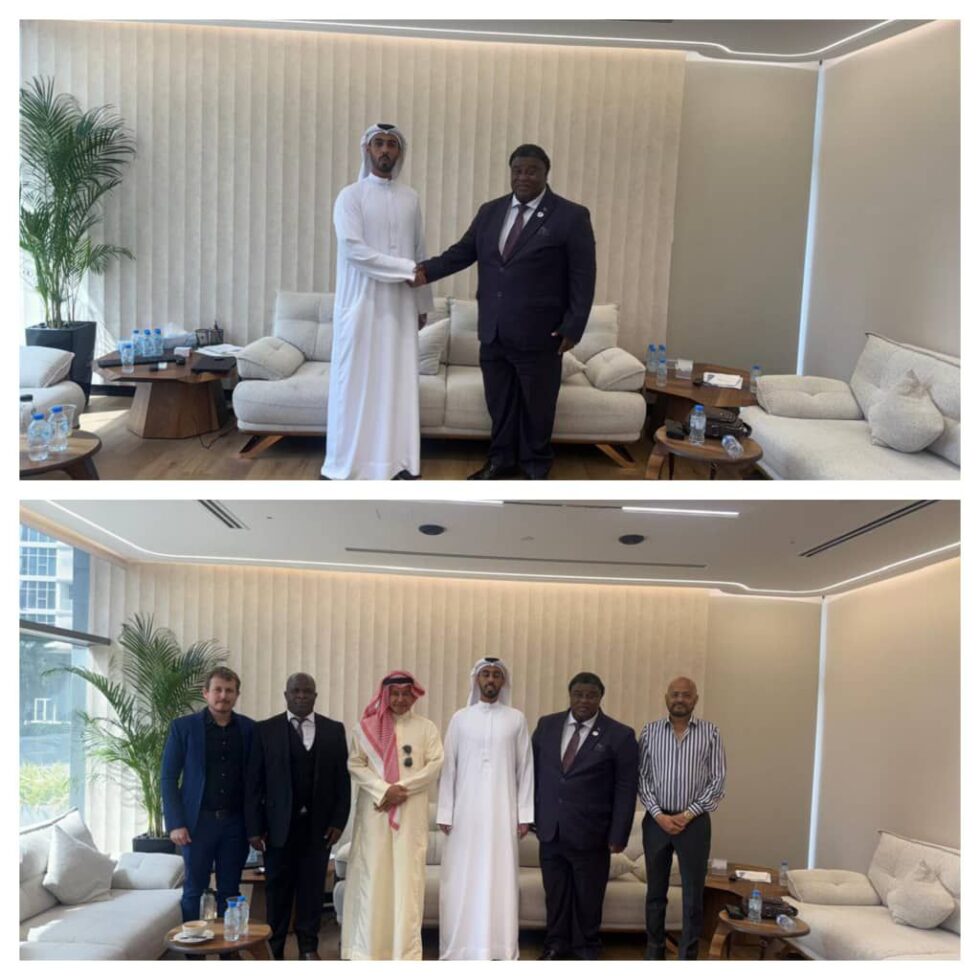
Malawi’s government has secured a lucrative mining investment opportunity following high-level talks with the United Arab Emirates (UAE) in Abu Dhabi. The delegation, led by Malawi’s Minister of Mining, Dr. Kenneth Zikhale Reeves Ng’oma, included the Director General of Mining, Mr. Samuel Sakhuta, and graphite investor Dr. Eyad, who acted as a translator. 

During the meeting, the Malawi team presented detailed mining data, successfully convincing UAE representatives to explore investment opportunities through International Resources Holdings (IRH), a subsidiary of the UAE government’s International Holding Company. Established in 2022, IRH manages multiple projects across Africa and Asia. 


As a result, UAE has dispatched two geologists—Shailender Sinha (Vice President of Exploration) and Ravi Sharma (Chief Operating Officer)—to attend Malawi’s National Artisan Small-Scale Mining Symposium (NASSMS) from July 14–16, 2025, at Bingu International Convention Centre (BICC) in Lilongwe. The symposium’s theme, “Revolutionizing Malawi’s Economy through Mineral-Driven Innovation, Creativity, and Entrepreneurship for Growth,” aligns with the UAE’s investment interests. 

The geologists will also meet Malawi’s Department of Geological Survey experts to finalize discussions before signing a formal agreement. Additionally, the UAE proposed that Malawi adopt an **AI-powered digital mining auction system** to enhance transparency and attract serious investors. 

How the Digital Mining Auction System Works: 
-Bid Bond: Ensures bidders’ financial commitment. 
– Net Present Value (NPV): Assesses mineral assets’ economic potential. 
– Confidence Levels: Evaluates geological risks and returns. 

Benefits for Malawi:
Increased Revenue– Transparent auctions maximize government earnings. 
Efficient Resource Allocation – Ensures minerals go to the highest-value investors. 
Foreign Investment Boost– Attracts global mining firms. 
Economic Growth– Creates jobs and improves livelihoods. 

Ali Alrashdi, CEO of IRH, praised Malawi’s President, Dr. Lazarus Chakwera, for sending a high-powered delegation in response to the UAE leaders’ visit to Malawi on May 6, 2025. This deal marks a significant step in strengthening Malawi’s mining sector and economic growth. 

Chakwera’s Government Okays Namiwa’s Demos

0

By Staff Reporter

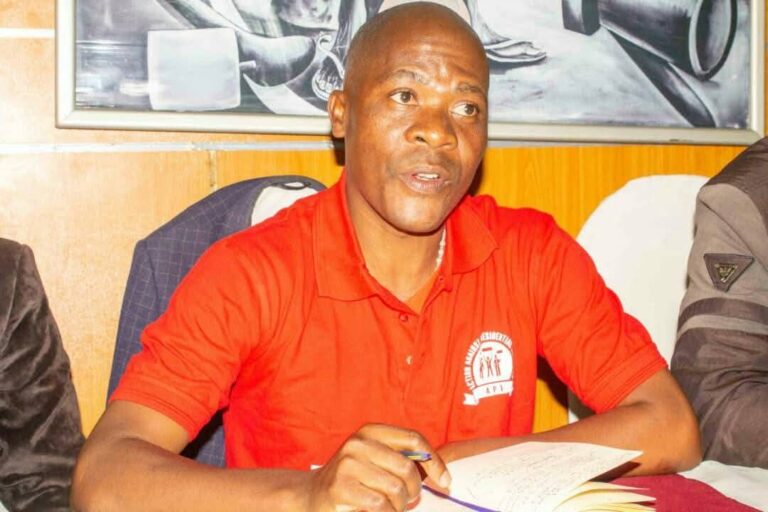
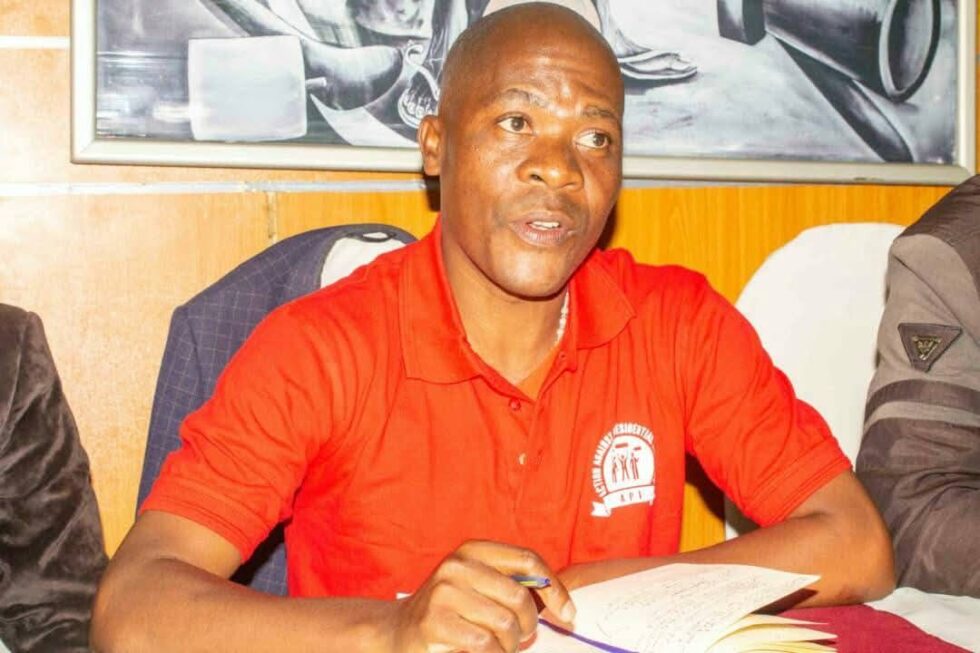
President Lazarus Chakwera’s government has given the green light to former Democratic Progressive Party (DPP) state house press officer Sylvester Namiwa’s planned peaceful demonstrations in Lilongwe.

The demonstrations, scheduled for June 26, 2025, will see citizens march to the District Commissioner’s office to present a petition.

While granting permission for the demonstrations, the government has stipulated certain conditions to ensure the protests remain peaceful and that citizens and business owners are protected.

Demonstrators are required to adhere to a specific dress code, wearing red and black clothes, and refrain from carrying any weapons.

Also, they will be escorted by the Malawi Police Service, with 100 marshals in reflectors supporting the police in maintaining order and identifying potential troublemakers.

Namiwa


This development highlights President Chakwera’s commitment to upholding citizens’ rights to peaceful assembly and demonstration.

Since assuming power in 2020 after a disputed and rigged election in 2019, Chakwera has consistently emphasized the importance of respecting citizens’ rights to express themselves.

Interestingly, there are rumors of other demonstrations being planned in support of the Malawi Electoral Commission (MEC) chair, amid allegations that the current demonstrations are being backed by the opposition.

Nonetheless, the government’s decision to allow Namiwa’s demonstrations reflects its dedication to fostering a culture of peace, dialogue, and democratic participation.

As President Chakwera prepares for the 2025 elections, his government’s stance on peaceful demonstrations will be a test in government’s commitment promoting national unity and stability.

Malawi takes lead in AI ethics and innovation

0

By Rahim Abdul

Malawi is making significant strides in the realm of artificial intelligence (AI) and science, technology, and innovation (STI).

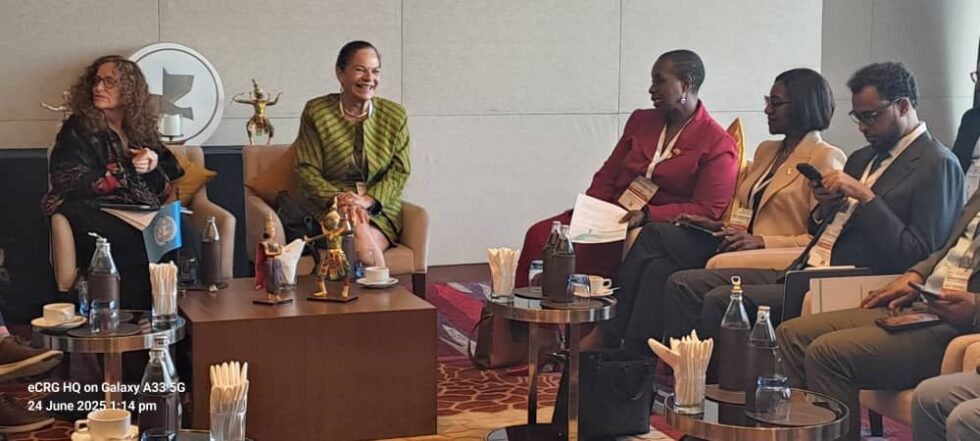
Minister of Higher Education, Hon. Dr. Jessie Kabwila, is currently representing Malawi at the 3rd UNESCO Global Forum on the Ethics of Artificial Intelligence in Bangkok, Thailand.

Accompanied by Associate Professor Chomora Mikeka, Director of Science, Technology and Innovation, Dr. Kabwila is engaging with global leaders and innovators to advance ethical AI governance and responsible deployment.


This participation highlights Malawi’s commitment to promoting digital innovation and sustainable development through STI.

The forum provides a platform for critical dialogue on AI ethics, aligning with Malawi’s National Science, Technology and Innovation Policy (NSTIP).

The NSTIP is being validated by experts and stakeholders at Crossroads Hotel in Lilongwe, in collaboration with the United Nations Development Programme (UNDP).

The validation process, co-chaired by Resident Representative Fenella Frost and Secretary for Higher Education Dr. Levis Keliyasi Eneya, underscores the government’s dedication to harnessing STI for national development.

Through these initiatives, Malawi is positioning itself at the forefront of AI ethics and STI, fostering a future driven by innovation and sustainability.

Malawi takes lead in AI ethics and innovation

0

By Rahim Abdul

Malawi is making significant strides in the realm of artificial intelligence (AI) and science, technology, and innovation (STI).

Minister of Higher Education, Hon. Dr. Jessie Kabwila, is currently representing Malawi at the 3rd UNESCO Global Forum on the Ethics of Artificial Intelligence in Bangkok, Thailand.

Accompanied by Associate Professor Chomora Mikeka, Director of Science, Technology and Innovation, Dr. Kabwila is engaging with global leaders and innovators to advance ethical AI governance and responsible deployment.


This participation highlights Malawi’s commitment to promoting digital innovation and sustainable development through STI.

The forum provides a platform for critical dialogue on AI ethics, aligning with Malawi’s National Science, Technology and Innovation Policy (NSTIP).

The NSTIP is being validated by experts and stakeholders at Crossroads Hotel in Lilongwe, in collaboration with the United Nations Development Programme (UNDP).

The validation process, co-chaired by Resident Representative Fenella Frost and Secretary for Higher Education Dr. Levis Keliyasi Eneya, underscores the government’s dedication to harnessing STI for national development.

Through these initiatives, Malawi is positioning itself at the forefront of AI ethics and STI, fostering a future driven by innovation and sustainability.