The Democratic Progressive Party (DPP) has been accused of tolerating homosexuality, a claim that has sparked controversy and debate in Malawi.
During the late President Bingu wa Mutharika’s reign, a gay couple, Steven Monjeza and Tionge Chimbalanga, popularly known as Aunt Tiwo, came out in the open, conducting a traditional engagement ceremony that shocked the nation.
Despite the country’s conservative culture, the couple’s actions were met with relative calm, raising eyebrows about the DPP’s stance on homosexuality.
Tamia Ja
Fast forward to today, and the DPP is still at it. Social media influencer Tamia Ja has recently declared her sexual orientation, stating she’s a lesbian and naturally attracted to women and girls, not men.
The DPP government has remained conspicuously silent on the issue, leading many to believe that it’s business as usual for the party.
But what’s behind the DPP’s tolerance of homosexuality? Our investigation reveals that some government ministers are allegedly gay or lesbian, and they’re calling the shots. Sources close to the matter claim that these ministers are using their influence to ensure that the government doesn’t take a hard stance on the issue.
It’s no secret that Malawi has a complex relationship with homosexuality.
The country has a history of anti-gay laws, but in recent years, there’s been a growing acceptance of LGBTQ+ rights.
The DPP’s tolerance of homosexuality is seen as a reflection of this shift, but it also sparked concerns about the government’s priorities.
Reverend Dr. Lazarus Chakwera, the leader of the Malawi Congress Party (MCP), has been vocal about his opposition to homosexuality, citing his Christian values. In contrast, the DPP’s silence is seen as a tacit endorsement of LGBTQ+ rights.
The party’s stance has been praised by some as progressive, but others see it as a betrayal of Malawi’s cultural values.
The DPP’s tolerance of homosexuality has also raised questions about the party’s commitment to democracy and human rights.
If the government is willing to turn a blind eye to LGBTQ+ issues, what else is it willing to compromise on?
Malawians deserve answers. Is the DPP government committed to upholding the country’s laws and cultural values, or is it willing to sacrifice them for the sake of progress?
The silence from the government is deafening, and it’s time for the DPP to come clean about its stance on homosexuality.
The DPP’s tolerance of homosexuality is a dirty secret that’s no longer hidden.
The party’s actions have sparked a national conversation about LGBTQ+ rights, and it’s time for Malawians to demand transparency and accountability from their government.
The DPP’s dirty secret is out, and it’s time for the party to face the music. Will it take a stand on homosexuality, or will it continue to tolerate it? Malawians are watching, and they won’t be silenced.
The Democratic Progressive Party (DPP) has once again shown its true colours, revealing a staggering lack of consideration for the welfare of Malawians.
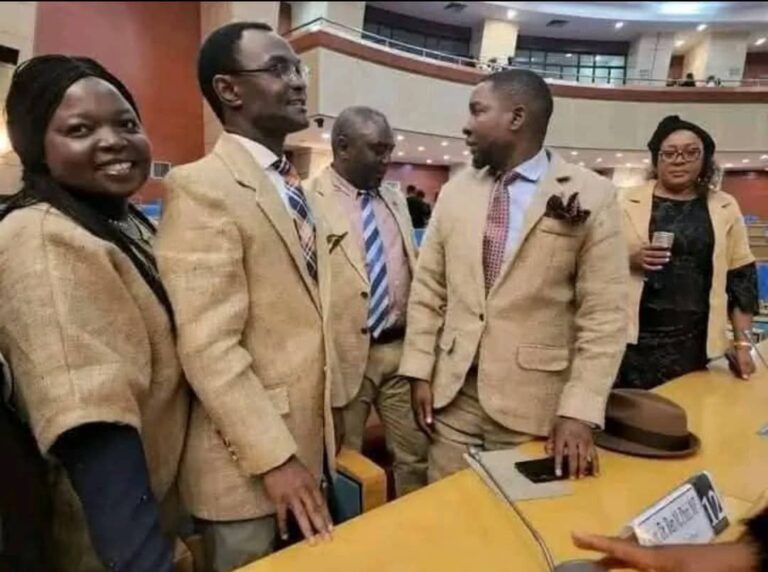
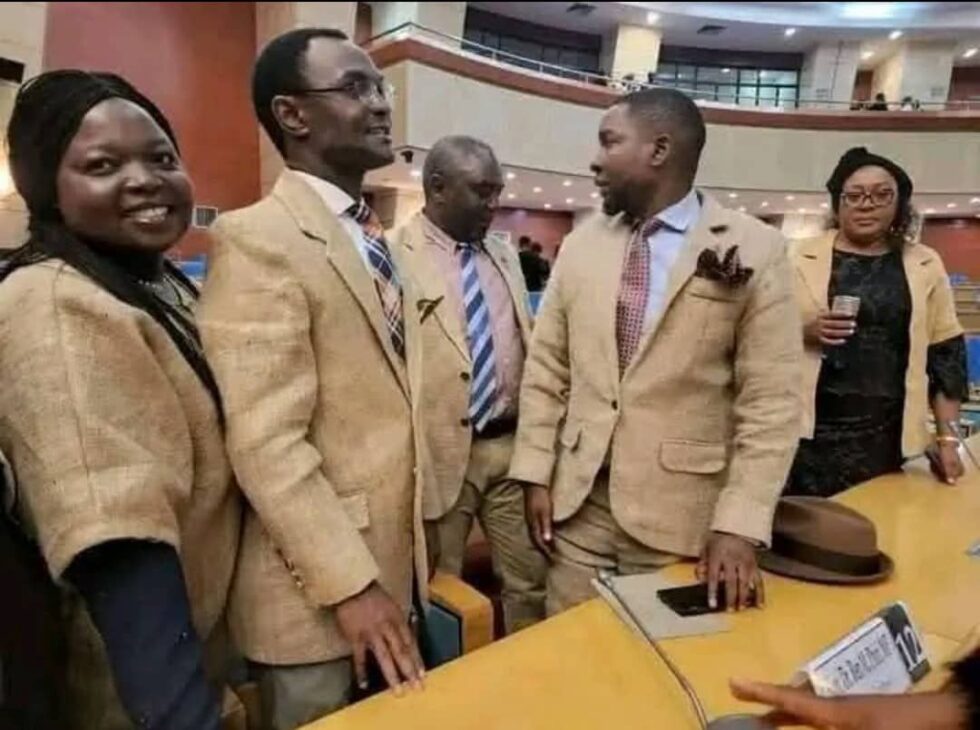
Last year, DPP MPs wore sacks in parliament, protesting the MCP-led government’s decision to raise fuel prices from K2200 to K2600 per litre. They cried foul, claiming the increase would hurt the poor and cripple the economy.
Fast forward to today, and the same DPP MPs are clapping hands and wearing suits, supporting the very same fuel price hike they once condemned.
The current price of K6900 per litre is a massive burden on Malawians, who are already struggling to make ends meet.
The increase has triggered a surge in prices of essential goods and services, including bus fares, leaving the poor even more vulnerable.
This U-turn is a slap in the face to Malawians, who expected the DPP to prioritize their welfare. Instead, the party has chosen to prioritize its own interests, showcasing a shocking level of inconsideration and arrogance.
The DPP regime has failed to learn from its past mistakes and is now reaping the consequences of its own hypocrisy.
The people of Malawi must hold the DPP accountable for its actions. It’s time to demand better from our leaders, and it’s time for the DPP to listen.
The party’s decision to raise fuel prices without considering the impact on citizens is a clear indication that it is out of touch with reality.
Malawians deserve a government that cares about their welfare, not one that uses them as pawns in a game of political expediency.
The DPP’s actions are a betrayal of the trust reposed in them, and it’s time for the people to speak out.
We call for a referendum to determine whether the DPP should continue to rule Malawi.
The people have a right to decide whether they want to be led by a party that is clearly out of touch with their needs.
The writing is on the wall: the DPP is not interested in serving Malawians. It’s time for change, and it’s time for the people to rise up and demand better.
The future of Malawi is at stake, and we cannot afford to let the DPP continue down this path of destruction.
It’s time for Malawians to take back their country and demand a government that truly cares about their welfare.
The DPP’s days are numbered, and it’s time for them to go.
Goshen City Dedza Dynamos FC and Civil Service United will face off in the much anticipated final of the Central Region Elite Teams Easter Bonanza after navigating tense semi-final clashes. Both teams showed resilience and determination in yesterday’s semi finals held at the Champion Sports Ground in Mponela.
In a dramatic showdown, Goshen City Dedza Dynamos FC went head to head with Mitundu Baptist. The match ended 0-0 in regulation time, forcing a nerve-wracking penalty shootout. Goshen City eventually triumphed 5-4 on penalties, securing their spot in the final.
The Dynamos’ success in penalties was powered by Edward Dakalira, Alex Orotomal, Bright Masebo, Sunganani Geoffrey, and Alex Manda, each converting their spot kicks to keep their team’s hopes alive. Fans celebrated the composure and skill displayed under pressure.
Meanwhile, Civil Service United edged past Blue Eagles in a separate semi final match.Madalitso Dzuwa’s lone goal was enough to see his side through, highlighting the importance of precision and focus in high stakes games.
Tomorrow, 6 April 2026, the final will be staged at Dedza Stadium on Monday,where both teams will vie for the coveted Easter Bonanza trophy. Anticipation is building among fans and local football enthusiasts.
Civil Service United head coach Abbas Makawa expressed optimism about the upcoming clash. He emphasized that the semi finals gave him an opportunity to evaluate his squad and identify players ready to step up following the departure of some senior members.
On the other hand, head coach Alex Ngwira of Goshen City Dedza Dynamos FC exuded confidence. He highlighted the advantage of playing on home turf, stating that familiarity with the pitch and local support could be decisive in tomorrow’s encounter.
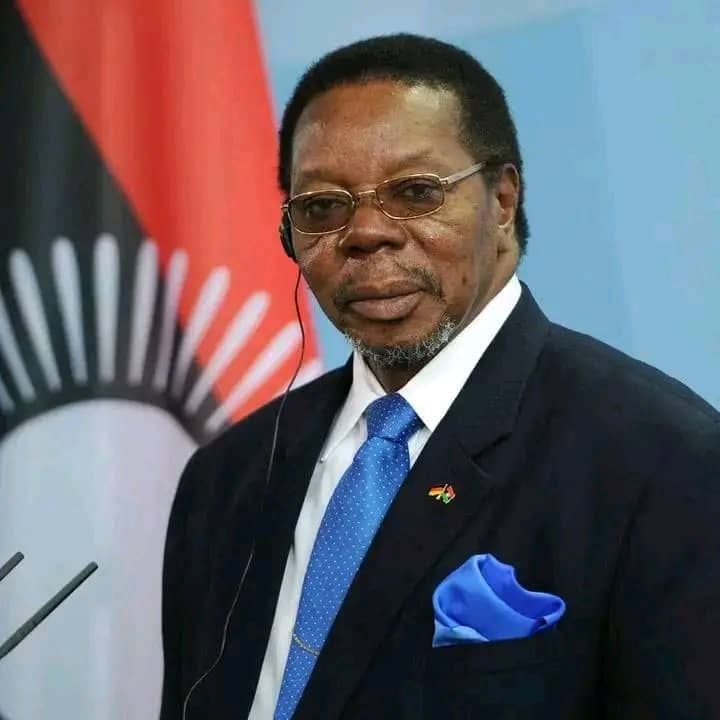
Malawians are on 5th April, 2026 in solemn remembrance of the late President Professor Bingu wa Mutharika who closed his eyes bidding bye to the earthly world 14 years ago after a memorable service to the nation.
On this solemn remembrance, the Democratic Progressive Party (DPP) has described Professor Bingu wa Mutharika as a transformative leader – an economist of discipline, a patriot of conviction, and the architect of a development agenda that redefined Malawi’s trajectory.
In a statement dated 4th April, 2026 signed by its Secretary General Peter Mukhito, the DPP said Bingu’s presidency delivered decisive economic reform, restored food security and advanced infrastructure development saying the Farm Inputs Subsidy Programme (FISP) stands as his defining achievement.
The DPP said it recognizes with pride that Bingu’s vision continues to live on – ably advanced under the leadership of Professor Arthur Peter Mutharika, 5th and 7th President of the Republic of Malawi.
Bingu
The party has expressed optimistic that the continuity of Bingu’s vision by President Professor Mutharika, is reflecting the strength, relevance, and durability of the ideas upon which the DPP was founded.
” Bingu’s legacy endures, his vision guides, his example challenges us all,” reads the statement in part.
The DPP has extended its deepest respect to the late Bingu’s family, and to all Malawians inspired by his life praying to his soul to continue resting in eternal peace.
Former legislator and renown Musician Billy Kaunda, has described the late Professor Bingu wa Mutharika as a noble man, claiming that they had a good professional and personal relationship saying more of this is detailed in his book ” Hills and Valleys – The Autobiography (2021).
Born Brightson Webster Ryson Thom, the late Professor Bingu wa Mutharika was born on 24th February, 1934 in the village of Kamoto in Thyolo district.
He entered Dedza Government secondary school in 1954 alongside with his political colleagues such as Gwanda Chakuamba Phiri and Goodall Gondwe where he obtained a Grade A Cambridge Overseas School Leaving Certificate in 1956.
The late Professor Bingu wa Mutharika was born in a family of dedicated christians who were members of the Church of Scotland mission which later changed to become Church of the Central African Presbyterian (CCAP)
The significant problem of high unemployment among recent graduates in Malawi is a pressing socio-economic concern, as more than half of the population between the ages of 18 and 35 are currently seeking employment.
Every year, approximately 270,000 individuals join the workforce, but the economy is only generating around 40,000 official job opportunities yearly.
There are multiple factors that can be identified as the cause for the significant employment rate among recent Malawian college graduates.
First, the rate at which the economy is expanding is insufficient to accommodate the steadily rising number of college graduates.
With a median age of 17, the large number of young people in Malawi creates significant strain on a stagnant formal employment sector.
Second, it still remains a fact that academic theories taught in universities do not align with the practical and technical skills needed by the modern private sector, creating a notable disparity between the two.
Furthermore, the economy relies heavily on rain-fed, seasonal farming, which provides limited formal or stable job prospects for graduates looking for professional careers.
Additionally , the economy’s ability to absorb skilled labor is restricted by a deficient manufacturing sector and inadequate industrialization.
Regrettably, employment prospects are frequently allocated according to political loyalties, cultural origins, or familial relationships rather than qualifications, leading to a closed market for individuals without connections.
Instances exist where individuals, such as Brian Banda, are given high-ranking roles in public institutions without having to go through competitive assessments and interviews, while qualified graduates struggle with unemployment.
It is true that Chakwera predominantly chose individuals from the Chewa ethnic group in the central region for public appointments, while the Mutharika administration is also showing favoritism towards the Lhomwe people in the southern region.
Unfortunately, numerous employers typically demand a few years of prior experience, even for positions that are considered entry-level. This poses a challenge for recent college graduates who naturally do not have that experience, leading to a cycle where no experience equals no job opportunities.
Furthermore, private investment and business expansion are discouraged by a combination of factors, including a forecasted inflation rate of more than 27% in 2025, shortages in foreign exchange, and high costs of borrowing.
Although a majority of young people would rather establish their own business, their ability to do so is hindered by the high cost of business loans and limited access to credit, making it difficult for them to become self-employed.
The high expenses associated with running a business, deficiencies in infrastructure such as inconsistent power supply, and intricate regulations all serve as obstacles for small and medium-sized enterprises (SMEs) to expand and employ new workers.
Due to cultural expectations and lack of opportunities, young women are confronted with even more unemployment and are frequently compelled to engage in unpaid domestic tasks or low-wage informal employment.
For instance, the number of women holding prestigious roles, such as ministerial positions and chief executive officers, is considerably lower compared to their equally qualified male counterparts.
In conclusion, it is expected that by taking action to address these issues is likely to alleviate the problem of high unemployment among recent college graduates in Malawi.ick Dzida
The significant problem of high unemployment among recent graduates in Malawi is a pressing socio-economic concern, as more than half of the population between the ages of 18 and 35 are currently seeking employment.
Every year, approximately 270,000 individuals join the workforce, but the economy is only generating around 40,000 official job opportunities yearly.
There are multiple factors that can be identified as the cause for the significant employment rate among recent Malawian college graduates.
First, the rate at which the economy is expanding is insufficient to accommodate the steadily rising number of college graduates.
With a median age of 17, the large number of young people in Malawi creates significant strain on a stagnant formal employment sector.
Second, it still remains a fact that academic theories taught in universities do not align with the practical and technical skills needed by the modern private sector, creating a notable disparity between the two.
Furthermore, the economy relies heavily on rain-fed, seasonal farming, which provides limited formal or stable job prospects for graduates looking for professional careers.
Additionally , the economy’s ability to absorb skilled labor is restricted by a deficient manufacturing sector and inadequate industrialization.
Regrettably, employment prospects are frequently allocated according to political loyalties, cultural origins, or familial relationships rather than qualifications, leading to a closed market for individuals without connections.
Instances exist where individuals, such as Brian Banda, are given high-ranking roles in public institutions without having to go through competitive assessments and interviews, while qualified graduates struggle with unemployment.
It is true that Chakwera predominantly chose individuals from the Chewa ethnic group in the central region for public appointments, while the Mutharika administration is also showing favoritism towards the Lhomwe people in the southern region.
Unfortunately, numerous employers typically demand a few years of prior experience, even for positions that are considered entry-level. This poses a challenge for recent college graduates who naturally do not have that experience, leading to a cycle where no experience equals no job opportunities.
Furthermore, private investment and business expansion are discouraged by a combination of factors, including a forecasted inflation rate of more than 27% in 2025, shortages in foreign exchange, and high costs of borrowing.
Although a majority of young people would rather establish their own business, their ability to do so is hindered by the high cost of business loans and limited access to credit, making it difficult for them to become self-employed.
The high expenses associated with running a business, deficiencies in infrastructure such as inconsistent power supply, and intricate regulations all serve as obstacles for small and medium-sized enterprises (SMEs) to expand and employ new workers.
Due to cultural expectations and lack of opportunities, young women are confronted with even more unemployment and are frequently compelled to engage in unpaid domestic tasks or low-wage informal employment.
For instance, the number of women holding prestigious roles, such as ministerial positions and chief executive officers, is considerably lower compared to their equally qualified male counterparts.
In conclusion, it is expected that by taking action to address these issues is likely to alleviate the problem of high unemployment among recent college graduates in Malawi.