

Thursday, January 1, 2026
No menu items!
spot_img
Home Blog Page 440

Kamtukule urges academia to champion tourism transformation in Malawi

0

By Burnett Munthali

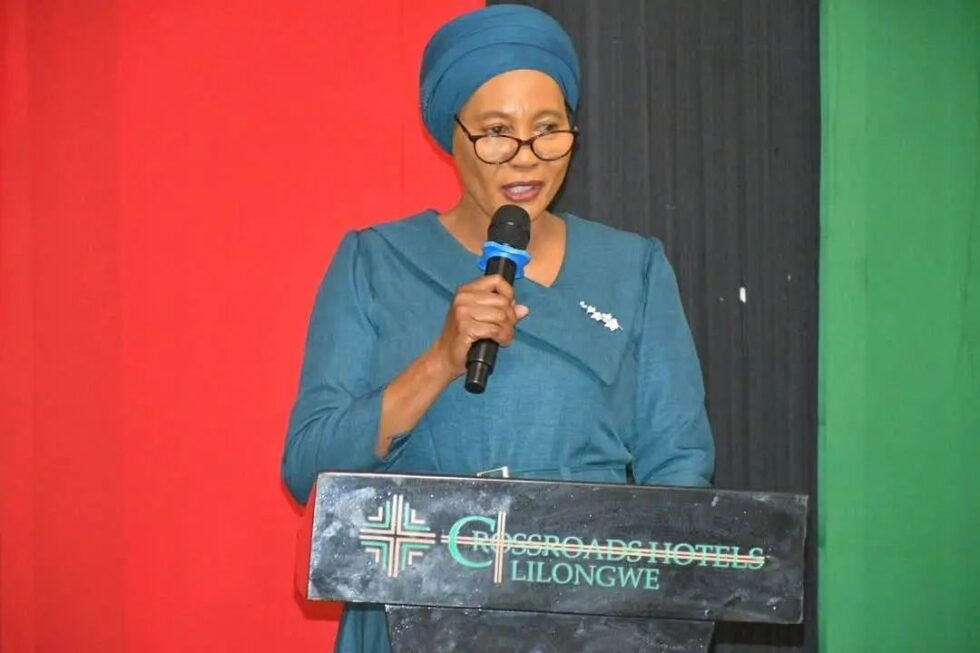
Minister of Tourism Vera Kamtukule has called on the academic community to play a bigger role in supporting the growth and sustainability of Malawi’s tourism industry.

She emphasized that although some research has already been conducted, there remains a pressing need for more robust academic engagement to influence policy direction, enhance sectoral capacity, and stimulate significant progress within the tourism industry.

Kamtukule made these remarks during a thought-provoking public lecture titled Solidifying the Gains: Everything. Everyone. Tourism.

Kamtukule

In her address, the Minister passionately encouraged Malawians to adopt a more positive mindset towards tourism, underlining that the sector’s success depends heavily on collective national attitude and participation.

She stressed that tourism is not merely about leisure and travel but also about national pride, identity, and economic opportunity that requires the support of every citizen.

Kamtukule also spoke candidly about the skills gap that has long hindered growth in the sector, noting that the absence of visible role models in tourism-related professions discouraged many young people from considering careers in this field.

However, she expressed optimism that the narrative is beginning to change, attributing this shift to the introduction of degree programs in tourism at Mzuzu University and ongoing plans to establish the Malawi College of Tourism.

She said these academic advancements are crucial steps toward professionalizing the tourism sector and nurturing a generation of skilled practitioners who can drive innovation and excellence.

The Minister also highlighted that tourism must be seen as a serious development sector capable of generating income, creating jobs, and transforming communities.

She implored the academic community to not only generate research but to ensure that it is impactful, accessible, and translated into policies that address real challenges facing the tourism industry in Malawi.

Kamtukule’s remarks sparked a positive reaction from academics and students alike, with many expressing renewed commitment to playing their part in national development.

Dean of the Faculty of Tourism, Hospitality and Management at Mzuzu University, Dr. Lameck Zetu Khonje, welcomed the Minister’s lecture, describing it as inspirational and timely.

Dr. Khonje stated that the lecture had provided strong motivation for the university’s faculty and students to engage more deeply in research that speaks directly to the needs of Malawi’s tourism sector.

He also noted with appreciation that some of the faculty’s previous research contributions were acknowledged during the event, a gesture he described as affirming and encouraging.

Dr. Khonje further emphasized the importance of collaboration between academia and government, asserting that when research is taken seriously and implemented through policy, tangible change becomes possible.

The lecture ended with a renewed sense of urgency and responsibility among stakeholders, particularly within the academic space, to become more proactive in shaping the future of tourism in Malawi.

Minister Kamtukule’s message served as both a challenge and a call to action, reminding Malawians that sustainable tourism growth requires inclusive participation, visionary leadership, and a well-equipped knowledge base grounded in evidence and innovation.

Oxfam calls for greater urban climate resilience support

0

By Burnett Munthali

Oxfam has emphasized the urgent need for more support towards urban resilience initiatives, as cities around the world, including those in Southern Africa, continue to experience increasing vulnerability due to the impacts of climate change.

According to Oxfam in Malawi’s Country Director, Lingalireni Mihowa, cities are on the frontline of the climate crisis, and targeted interventions are critical to protect urban populations and infrastructure.

Mihowa made these remarks on Wednesday during a significant handover ceremony held in Zomba City, marking the conclusion of several urban development initiatives under the Building Urban Resilience in South Eastern Africa project.


The project, which began in 2020, has been implemented not only in Malawi but also in countries like Mozambique, Comoros, and Madagascar, each facing similar environmental threats and urbanization challenges.

Mihowa expressed confidence that the project will play a pivotal role in enhancing Zomba City’s ability to withstand climate shocks and build long-term sustainability.

She highlighted the importance of strengthening city systems to manage both sudden and slow-onset climate impacts, such as flooding, deforestation, and infrastructure degradation.

Among the tangible outcomes of the project in Zomba are the construction and implementation of various facilities designed to enhance environmental protection and disaster preparedness.

These include the establishment of a solid waste management facility at Chinamwali Market, which is expected to improve sanitation and reduce pollution in one of the city’s busiest commercial areas.

In addition, drainage channels have been constructed at Masongola to manage surface runoff and prevent the recurring problem of flash floods during the rainy season.

An automated weather station has also been installed at the University of Malawi (UNIMA), a critical tool for real-time climate monitoring, early warning systems, and academic research.

Further to this, gabions have been installed at Namalaka Bridge, aimed at preventing soil erosion and reinforcing the stability of the infrastructure in a flood-prone zone.

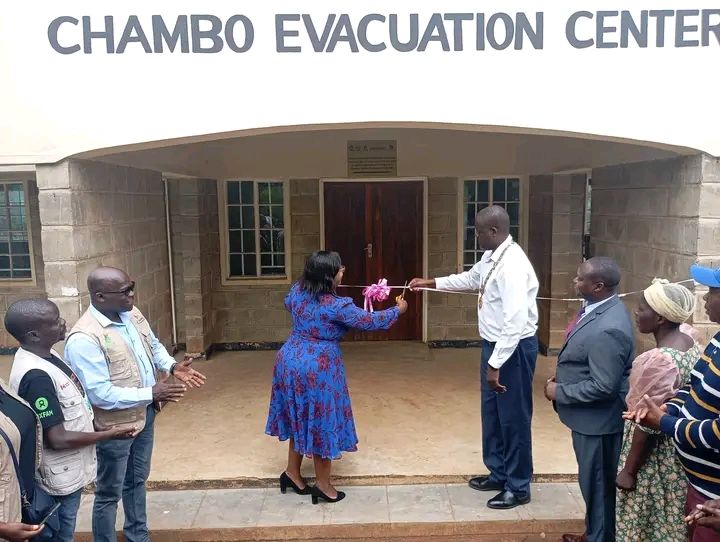
The construction of an evacuation centre at Chambo stands out as a key component of the project, providing a safe refuge for residents during extreme weather events and other natural disasters.

These interventions, according to Mihowa, are not only about physical infrastructure but are also intended to build a culture of preparedness, awareness, and climate-sensitive planning among city stakeholders.

Zomba City Council Mayor, Councillor Christopher Jana, welcomed the support from Oxfam, describing it as timely and essential in a rapidly urbanizing environment.

He acknowledged that cities like Zomba are facing immense challenges due to rapid population growth, deforestation, unmanaged waste, and climate variability, which require innovative and sustained responses.

Mayor Jana emphasized that the city’s exposure to climate-related risks makes it imperative to invest in preventive infrastructure and adaptive urban planning.

He noted that the partnership with Oxfam has set an example of what can be achieved when local government, civil society, and international organizations collaborate towards a shared vision for resilience.

He also pointed out that such initiatives serve as a wake-up call for more investment into climate-resilient infrastructure across Malawi’s urban centers, not just in Zomba.

As cities continue to grow, the Mayor stressed that urban development must be aligned with sustainability and resilience objectives to safeguard future generations.

The event concluded with appreciation from both local authorities and community representatives, who acknowledged the long-term impact these projects will have on lives and livelihoods.

Oxfam’s call for greater attention to city-level resilience echoed far beyond Zomba, reminding national and regional stakeholders that climate adaptation must be inclusive, localized, and adequately funded to be effective.

In the face of a changing climate, the story of Zomba City is one of hope, proactive planning, and a commitment to building a safer, more sustainable urban future.

Oxfam calls for greater urban climate resilience support

0

By Burnett Munthali

Oxfam has emphasized the urgent need for more support towards urban resilience initiatives, as cities around the world, including those in Southern Africa, continue to experience increasing vulnerability due to the impacts of climate change.

According to Oxfam in Malawi’s Country Director, Lingalireni Mihowa, cities are on the frontline of the climate crisis, and targeted interventions are critical to protect urban populations and infrastructure.

Mihowa made these remarks on Wednesday during a significant handover ceremony held in Zomba City, marking the conclusion of several urban development initiatives under the Building Urban Resilience in South Eastern Africa project.


The project, which began in 2020, has been implemented not only in Malawi but also in countries like Mozambique, Comoros, and Madagascar, each facing similar environmental threats and urbanization challenges.

Mihowa expressed confidence that the project will play a pivotal role in enhancing Zomba City’s ability to withstand climate shocks and build long-term sustainability.

She highlighted the importance of strengthening city systems to manage both sudden and slow-onset climate impacts, such as flooding, deforestation, and infrastructure degradation.

Among the tangible outcomes of the project in Zomba are the construction and implementation of various facilities designed to enhance environmental protection and disaster preparedness.

These include the establishment of a solid waste management facility at Chinamwali Market, which is expected to improve sanitation and reduce pollution in one of the city’s busiest commercial areas.

In addition, drainage channels have been constructed at Masongola to manage surface runoff and prevent the recurring problem of flash floods during the rainy season.

An automated weather station has also been installed at the University of Malawi (UNIMA), a critical tool for real-time climate monitoring, early warning systems, and academic research.

Further to this, gabions have been installed at Namalaka Bridge, aimed at preventing soil erosion and reinforcing the stability of the infrastructure in a flood-prone zone.

The construction of an evacuation centre at Chambo stands out as a key component of the project, providing a safe refuge for residents during extreme weather events and other natural disasters.

These interventions, according to Mihowa, are not only about physical infrastructure but are also intended to build a culture of preparedness, awareness, and climate-sensitive planning among city stakeholders.

Zomba City Council Mayor, Councillor Christopher Jana, welcomed the support from Oxfam, describing it as timely and essential in a rapidly urbanizing environment.

He acknowledged that cities like Zomba are facing immense challenges due to rapid population growth, deforestation, unmanaged waste, and climate variability, which require innovative and sustained responses.

Mayor Jana emphasized that the city’s exposure to climate-related risks makes it imperative to invest in preventive infrastructure and adaptive urban planning.

He noted that the partnership with Oxfam has set an example of what can be achieved when local government, civil society, and international organizations collaborate towards a shared vision for resilience.

He also pointed out that such initiatives serve as a wake-up call for more investment into climate-resilient infrastructure across Malawi’s urban centers, not just in Zomba.

As cities continue to grow, the Mayor stressed that urban development must be aligned with sustainability and resilience objectives to safeguard future generations.

The event concluded with appreciation from both local authorities and community representatives, who acknowledged the long-term impact these projects will have on lives and livelihoods.

Oxfam’s call for greater attention to city-level resilience echoed far beyond Zomba, reminding national and regional stakeholders that climate adaptation must be inclusive, localized, and adequately funded to be effective.

In the face of a changing climate, the story of Zomba City is one of hope, proactive planning, and a commitment to building a safer, more sustainable urban future.

Oxfam calls for greater urban climate resilience support

0

By Burnett Munthali

Oxfam has emphasized the urgent need for more support towards urban resilience initiatives, as cities around the world, including those in Southern Africa, continue to experience increasing vulnerability due to the impacts of climate change.

According to Oxfam in Malawi’s Country Director, Lingalireni Mihowa, cities are on the frontline of the climate crisis, and targeted interventions are critical to protect urban populations and infrastructure.

Mihowa made these remarks on Wednesday during a significant handover ceremony held in Zomba City, marking the conclusion of several urban development initiatives under the Building Urban Resilience in South Eastern Africa project.


The project, which began in 2020, has been implemented not only in Malawi but also in countries like Mozambique, Comoros, and Madagascar, each facing similar environmental threats and urbanization challenges.

Mihowa expressed confidence that the project will play a pivotal role in enhancing Zomba City’s ability to withstand climate shocks and build long-term sustainability.

She highlighted the importance of strengthening city systems to manage both sudden and slow-onset climate impacts, such as flooding, deforestation, and infrastructure degradation.

Among the tangible outcomes of the project in Zomba are the construction and implementation of various facilities designed to enhance environmental protection and disaster preparedness.

These include the establishment of a solid waste management facility at Chinamwali Market, which is expected to improve sanitation and reduce pollution in one of the city’s busiest commercial areas.

In addition, drainage channels have been constructed at Masongola to manage surface runoff and prevent the recurring problem of flash floods during the rainy season.

An automated weather station has also been installed at the University of Malawi (UNIMA), a critical tool for real-time climate monitoring, early warning systems, and academic research.

Further to this, gabions have been installed at Namalaka Bridge, aimed at preventing soil erosion and reinforcing the stability of the infrastructure in a flood-prone zone.

The construction of an evacuation centre at Chambo stands out as a key component of the project, providing a safe refuge for residents during extreme weather events and other natural disasters.

These interventions, according to Mihowa, are not only about physical infrastructure but are also intended to build a culture of preparedness, awareness, and climate-sensitive planning among city stakeholders.

Zomba City Council Mayor, Councillor Christopher Jana, welcomed the support from Oxfam, describing it as timely and essential in a rapidly urbanizing environment.

He acknowledged that cities like Zomba are facing immense challenges due to rapid population growth, deforestation, unmanaged waste, and climate variability, which require innovative and sustained responses.

Mayor Jana emphasized that the city’s exposure to climate-related risks makes it imperative to invest in preventive infrastructure and adaptive urban planning.

He noted that the partnership with Oxfam has set an example of what can be achieved when local government, civil society, and international organizations collaborate towards a shared vision for resilience.

He also pointed out that such initiatives serve as a wake-up call for more investment into climate-resilient infrastructure across Malawi’s urban centers, not just in Zomba.

As cities continue to grow, the Mayor stressed that urban development must be aligned with sustainability and resilience objectives to safeguard future generations.

The event concluded with appreciation from both local authorities and community representatives, who acknowledged the long-term impact these projects will have on lives and livelihoods.

Oxfam’s call for greater attention to city-level resilience echoed far beyond Zomba, reminding national and regional stakeholders that climate adaptation must be inclusive, localized, and adequately funded to be effective.

In the face of a changing climate, the story of Zomba City is one of hope, proactive planning, and a commitment to building a safer, more sustainable urban future.

National Children’s Manifesto launched to amplify voices of Malawi’s children

0

By Shaffie A Mtambo

The Malawi Government, in collaboration with Child Rights Organisation and other stakeholders, has launched the National Children’s Manifesto.

Deputy Minister of Gender, Community Development and Social Welfare Halima Daudi emphasized that the manifesto is a bold and powerful document that amplifies the voices of Malawi’s children, ensuring their needs, rights, and aspirations are heard and acted upon.

Daudi


The manifesto prioritizes key issues such as child protection, quality education, health, and nutrition, as highlighted by the contributions of children who participated in its development.

Daudi urged all political parties and leaders contesting in the upcoming elections to support the initiative, creating a safe, supportive, and empowering environment for every child.

World Vision Director of Operations Charles Chimombo added that the initiative challenges the government and stakeholders to take heed of children’s calls and protect them from abuse.

He emphasized that the manifesto will ensure children participate in activities, including climate-smart interventions, to shape their future.

The launch of the National Children’s Manifesto marks a significant step towards prioritizing children’s issues in Malawi.