Wednesday, December 31, 2025
No menu items!
spot_img
Home Blog Page 458

Malawi’s Immigration Department launches MIDAS for enhanced border management

0


By Jones Gadama

The Malawi Department of Immigration and Citizenship Services has introduced a new border management information system, the Migration Information and Data Analysis System (MIDAS), to improve the country’s immigration processes. Developed by the International Organization for Migration (IOM), MIDAS is a customizable system designed to enhance data collection, processing, and analysis for informed migration policy decisions.

MIDAS enables real-time monitoring of entry and exit points, allowing for more effective border control and management.

The system collects, processes, stores, and analyzes biographic and biometric data, providing a comprehensive understanding of migration patterns. Additionally, MIDAS provides a sound statistical basis for migration policy formulation, enabling data-driven decision-making.



The implementation of MIDAS is expected to bring several benefits to Malawi’s immigration system, including improved efficiency, enhanced security, and better decision-making.

Streamlined processes and reduced paperwork will increase the efficiency of immigration services. Real-time monitoring and data analysis will strengthen border security and help identify potential security threats.

Data-driven insights will inform policy decisions, enabling more effective migration management.

The Department of Immigration and Citizenship Services aims to provide sound migration management and achieve timely issuance of relevant documents to eligible persons for national security and socio-economic development. With MIDAS, the department is taking a significant step towards realizing its vision.

The launch of MIDAS marks a significant milestone in Malawi’s efforts to modernize its immigration system.

By leveraging technology and data analysis, the country can improve border management, enhance security, and make informed decisions about migration policy.

As Malawi continues to develop its immigration services, the successful implementation of MIDAS will be crucial in achieving its vision of well-managed migration.

Malawi’s maize price Drop: A boost to food inflation

0


By Jones Gadama

The Malawi Economic Justice Network (MEJN) has expressed optimism that the recent decline in maize prices will positively impact the country’s food inflation. According to MEJN Executive Director Bertha Phiri, this development will help curb and maintain inflation.

The price of maize has dropped significantly, from around K1,800 per kilogram in February to approximately K1,100 per kilogram in most Blantyre City markets.

The decrease in maize prices can be attributed to several factors. The start of the garden maize harvest by some farmers has led to an increased supply of maize available to traders, stabilizing prices.

Bertha Phiri

Additionally, the Agricultural Development and Marketing Corporation (ADMARC) has played a role in influencing market prices, with sales documented in 22 out of 26 monitored markets.

The drop in maize prices is expected to bring relief to consumers, particularly considering maize’s significant weight in Malawi’s Consumer Price Index (CPI). As maize prices rise, the cost of everyday essentials tends to follow suit.

Consumer rights groups, like the Consumers Association of Malawi, have expressed optimism about the price drop, anticipating a lighter burden on consumers’ wallets.

Maize prices vary across regions in Malawi. The Southern Region recorded the highest average price at K870 per kg, reflecting a 12% drop from January’s K991 per kg.

The Central Region saw a steeper decline of 16%, with prices falling from K911 per kg to K769 per kg in February.

The Northern Region enjoyed the lowest prices, averaging K643 per kg in February compared to K710 per kg in January.

MEJN’s optimism about the price drop’s impact on inflation is rooted in the organization’s mission to promote economic justice and poverty reduction. By advocating for policies that support smallholder farmers and improve agricultural productivity, MEJN aims to contribute to a more stable and affordable food market.

The government can play a crucial role in maintaining price stability by investing in programs that improve yields and empower smallholder farmers.

Diversification of crops and improved storage facilities can also help mitigate price shocks and ensure a steady supply of maize throughout the year.

The decline in maize prices is a positive indicator, potentially leading to a reduction in flour prices.

The Minister of Agriculture, Sam Kawale, has promised a decrease in maize prices, and it seems he has been vindicated. As Malawi strives for long-term food security and a more predictable food price market, continued focus on agricultural production and market stability is essential.

The drop in maize prices is a welcome development for Malawian consumers.

With MEJN’s optimism and the government’s efforts to maintain price stability, there is hope for a more stable and affordable food market in the long term.

Chakwera holds high-stakes talks with Lilongwe chiefs to fast-track grassroots development

0

By Burnett Munthali

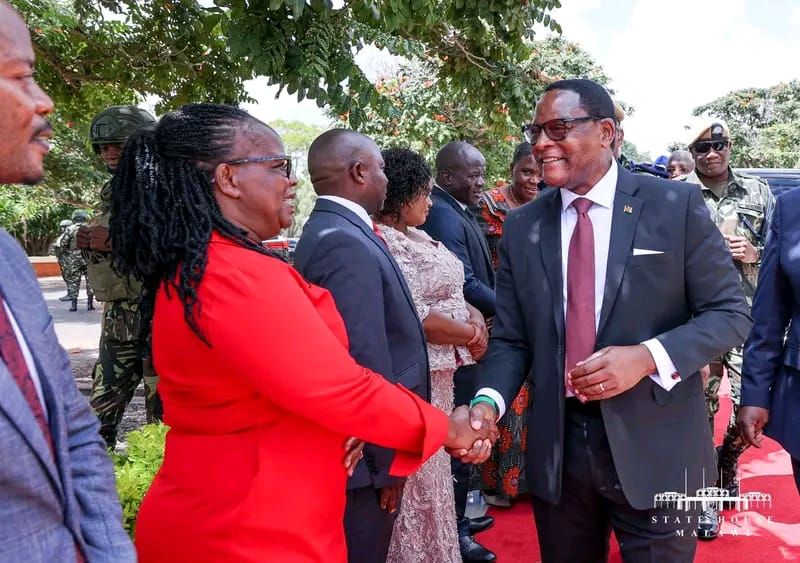
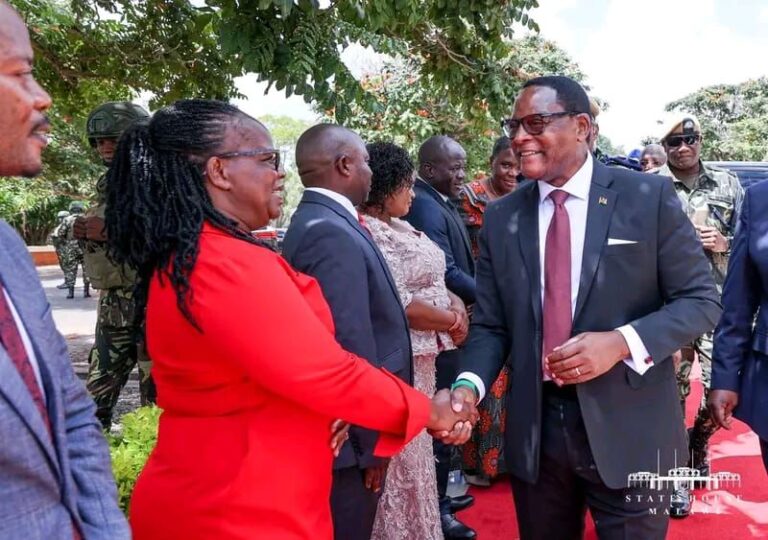
President Lazarus Chakwera today held crunch talks with Lilongwe West chiefs at Kamuzu Palace to tackle grassroots development challenges.

The meeting was described as a strategic engagement aimed at connecting the presidency directly with traditional leadership at the community level.

It took place against the backdrop of growing frustrations from rural constituencies over the slow pace of development in their areas.


The marathon sessions saw traditional leaders table pressing community issues, from infrastructure gaps to economic hurdles.

These included the need for improved road networks, better access to health and education facilities, and enhanced support for local agriculture.

Some chiefs voiced concern over youth unemployment and the lack of small-scale business opportunities in their respective areas.

Others called for increased government accountability in the implementation of community development projects.

Local Government Minister Richard Chimwendo Banda joined the talks as the administration seeks to align national plans with local needs.

His presence underlined the seriousness with which the government is treating the concerns raised by traditional leaders.

Minister Chimwendo Banda reiterated the importance of bridging the gap between government policy and grassroots implementation.

He emphasized that traditional leaders are critical partners in the decentralization process and must be empowered to monitor development on the ground.

“This is about solutions, not just speeches,” said a State House insider.

The insider noted that President Chakwera is keen on turning community dialogue into concrete action.

The meeting was reportedly candid, with the President urging chiefs to be honest about the challenges they face and to propose workable ideas.

Participants were encouraged to focus on collaboration rather than blame, as the government works to unlock stalled projects and improve service delivery.

More regional chief meetings are planned in coming weeks.

These follow-ups are expected to include stakeholders from other regions as part of a broader national consultation.

They will provide a platform for local leaders across the country to influence development priorities directly.

The engagement comes as Chakwera’s government ramps up efforts to decentralize development planning amid growing calls for faster rural progress.

This push for decentralization is being hailed as a key reform that could bring long-term benefits to Malawi’s underserved communities.

Critics, however, caution that without clear timelines, transparency, and follow-through, these engagements risk becoming political theatre.

Nonetheless, the President’s proactive approach signals a shift toward inclusive governance, where local voices shape national development.

By initiating direct conversations with traditional authorities, the Chakwera administration is attempting to rebuild trust and reinvigorate local governance structures.

The success of these efforts will depend not only on government commitment but also on the active participation and vigilance of the communities themselves.

MITC unveils Xidian International Stock Exchange Company

0


By Dean Chisambo

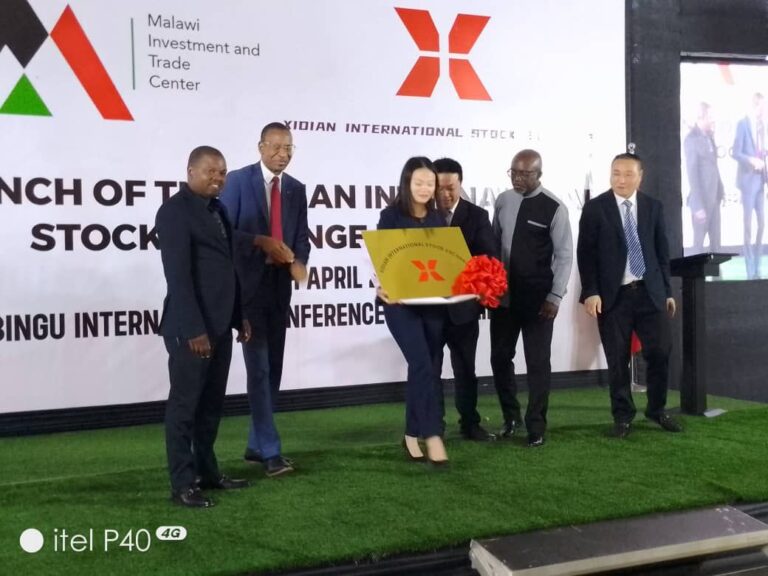
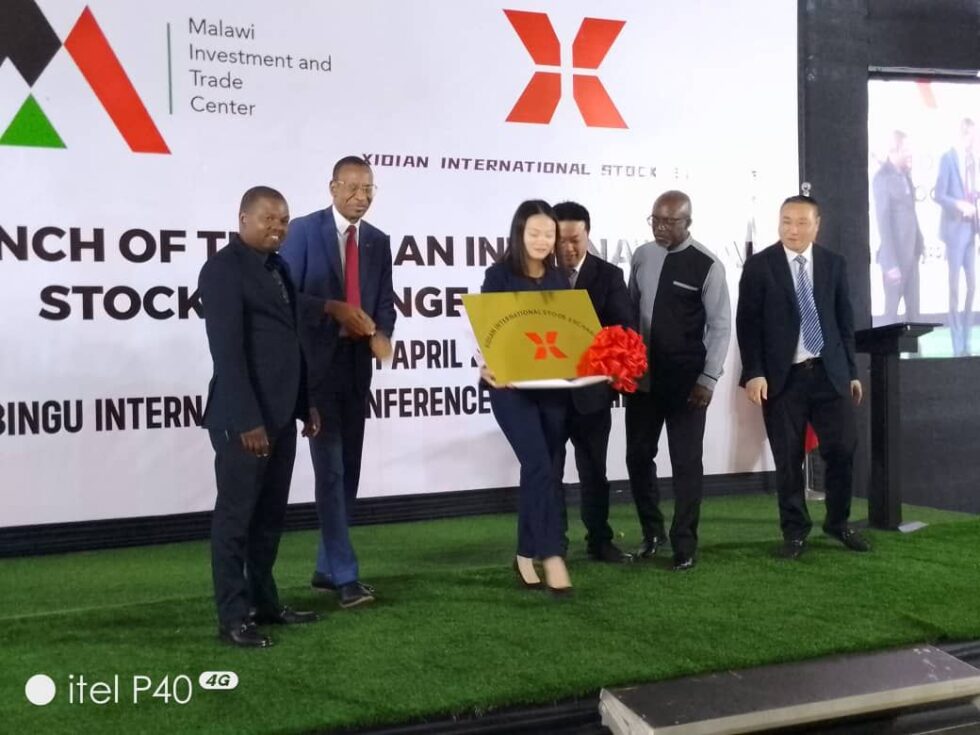
The Malawi Investment and Trade Centre (MITC) has unveiled the first foreign-based Chinese stock exchange company in the country, known as Xidian International Stock Exchange, which is expected to boost economic growth and increase foreign exchange reserves.

Speaking during the official launch of the Xidian International Stock Exchange in Lilongwe, MITC Director General Kruger Phiri described the development as a major milestone for Malawi, the first of its kind since the establishment of the Malawi Stock Exchange in 1995.

Phiri emphasized that the establishment of an international stock exchange will bring in significant foreign investments, particularly in foreign currency, which is more beneficial than relying solely on the Malawi Kwacha.


He noted that for the past 60 years, Malawi has struggled with access to robust capital markets. The arrival of the international stock exchange, he said, will help ensure the availability of foreign currency and provide an alternative investment platform.

“This is not about competing with the Malawi Stock Exchange,” Phiri clarified. “Rather, this is about complementing it by promoting foreign currency trading in Malawi.”

He further highlighted the positive track record of Chinese investors in Malawi, stating that they are not strangers to the country. “They have already contributed to several development initiatives, and their continued interest shows their commitment to massive investment in Malawi,” he said.

On his part, Xidian International Stock Exchange Chairperson Liao Jun Hua disclosed that nearly 20 Chinese companies have already expressed interest in investing through the platform.

Meanwhile, Patrick Mhango, Executive Director for Regulation at the Reserve Bank of Malawi (RBM), welcomed the development, stating that the new international stock exchange will attract more foreign investors and boost foreign direct investment (FDI).

Mhango added that the Xidian International Stock Exchange will help stabilize Malawi’s foreign exchange market by introducing hard currencies such as the Chinese Yuan, US Dollar, Euro, and British Pound into the economy.

According to MITC, Xidian International Stock Exchange has already injected USD 100 million into the initiative—a move seen as a significant and welcome boost to Malawi’s financial sector.

Rwanda marks 31st anniversary of genocide against the Tutsi

By Jones Gadama

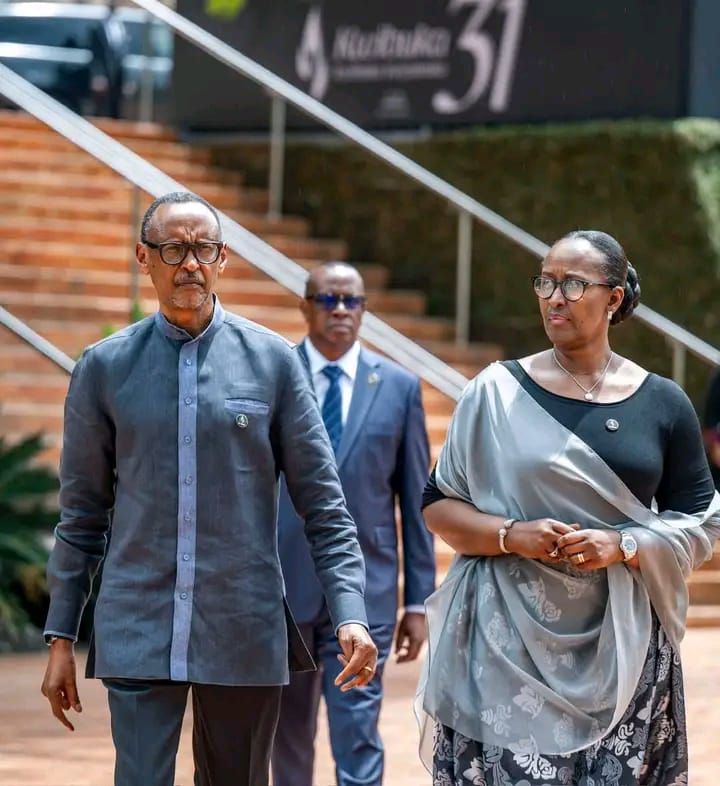
President Paul Kagame and First Lady Jeannette Kagame joined Rwandans at the Kigali Genocide Memorial to mark the start of the 31st commemoration of the 1994 genocide against the Tutsi.

The somber ceremony honored the over one million innocent lives lost during the 100-day period of brutal violence.

Laying a wreath and lighting the Flame of Remembrance, President Kagame delivered a powerful message, urging Rwandans to stand strong and assert their rights. “Rwandans, don’t owe your life to anybody else,” he said. “Have the courage to deal with the situation and moment as it is, don’t offend anybody, but always fight for what is yours.

Kagame


Don’t allow anybody to dictate to you how you should live your life because the moment you accept it, that is the day you have lost your life”.

The commemoration, which will last for 100 days, serves as a poignant reminder of the devastating impact of the genocide on Rwanda and its people.

The Flame of Remembrance, lit by President Kagame, will burn throughout this period, symbolizing the nation’s collective memory and hope for a future free from such atrocities.

Minister of National Unity and Civic Engagement, Jean Damascene Bizimana, emphasized the importance of unity and resilience in the face of adversity.

“The light of this flame symbolizes our collective memory and our continued hope for a world free from genocide,” he said. “It is a reminder that, despite the horrors of our past, we remain united in dignity and purpose”.

The United Nations General Assembly recognized April 7 as the International Day of Reflection on the 1994 Genocide against the Tutsi in 2003, urging member states and organizations to observe the day with meaningful actions and remembrance.

This international recognition underscores the global commitment to preventing similar atrocities from occurring again.

Despite progress made in Rwanda, concerns remain about ongoing violence against the Tutsi in the eastern Democratic Republic of Congo (DRC).

Minister Bizimana expressed alarm over the silence of the international community regarding the plight of Congolese Tutsi refugees, drawing parallels to the events leading up to the 1994 genocide.

The commemoration also highlighted the need for continued efforts to bring perpetrators of the genocide to justice.

According to the National Public Prosecution Authority (NPPA), Rwanda has issued 1,147 indictments since 2007, but only 62 individuals have been brought to justice.

As Rwanda marks this somber anniversary, the nation and its people remain committed to building a brighter future.

President Kagame’s message of empowerment and resilience serves as a testament to the country’s determination to move forward, united and strong.

In the face of ongoing challenges, Rwandans and friends of Rwanda worldwide come together to reflect on the past, honor the victims, and reaffirm their commitment to a future free from genocide.

As Minister Bizimana said, “The genocide against the Tutsi may have ended 31 years ago, but the ideology that drove it still threatens lives. We honor the past by standing firm against it—wherever it arises”.