Sunday, December 28, 2025
No menu items!
spot_img
Home Blog Page 492

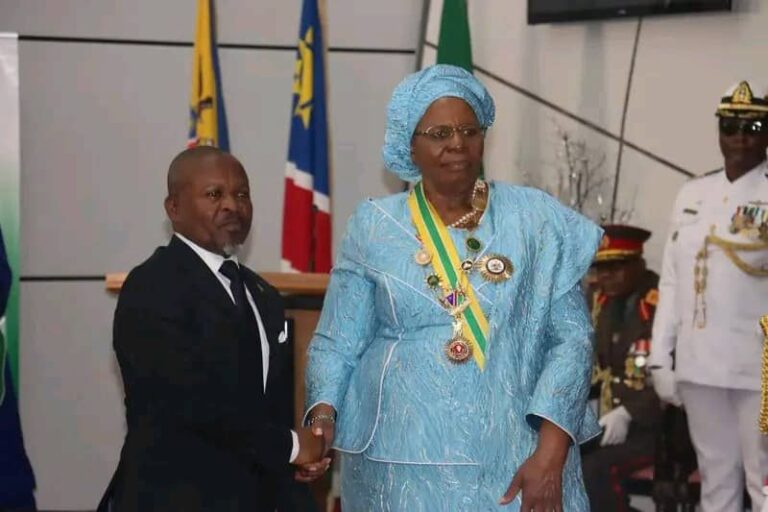
Vice President Michael Usi congratulates Namibia’s first female president

0

By Burnett Munthali

Vice President Dr. Michael Usi has congratulated Namibia’s first female president, Dr. Netumbo Nandi-Ndaitwah, following her historic inauguration on Friday.

Dr. Nandi-Ndaitwah, 72, was sworn in by Chief Justice Peter Shivute at State House in Windhoek, in a ceremony that also marked Namibia’s 35th anniversary of independence.

In her inaugural speech, the newly sworn-in president emphasised that her election was based on competence and merit.

“Of course, it is good that we are breaking the ceiling, we are breaking walls,” she said, referring to women taking leadership positions.
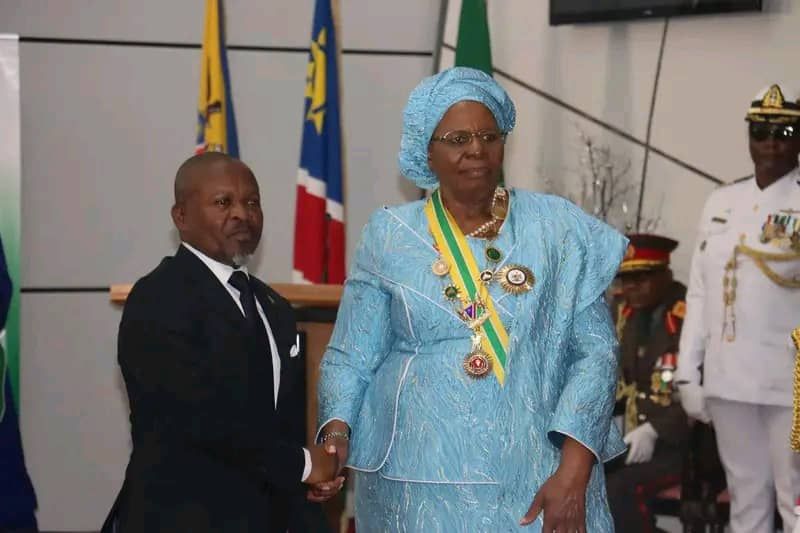
Dr Michael Usi with New Namibia President Dr. Nandi-Ndaitwah,

She also took a moment to recognise the presence of female leaders at the event, asking them to stand as she applauded their achievements.

Apart from Dr. Usi, several African leaders attended the historic event, including Presidents Samia Suluhu Hassan of Tanzania, João Lourenço of Angola, Cyril Ramaphosa of South Africa, Hakainde Hichilema of Zambia, Daniel Chapo of Mozambique, Emmerson Mnangagwa of Zimbabwe, and Felix Tshisekedi of the Democratic Republic of the Congo.

Dr. Nandi-Ndaitwah’s election marks a significant milestone in Namibia’s political history, as she becomes the first woman to hold the highest office in the country.

Her victory has been widely celebrated as a step forward in promoting gender equality and empowering women in leadership positions across Africa.

During the inauguration, she outlined her vision for Namibia, focusing on economic development, social welfare, and strengthening democracy.

She acknowledged the challenges ahead but expressed confidence in her ability to lead the nation towards prosperity.

African leaders present at the event praised Namibia’s commitment to democratic governance and peaceful transitions of power.

Many political analysts have noted that her leadership could inspire more women across the continent to take up leadership roles in politics and governance.

Dr. Michael Usi, representing Malawi, conveyed his best wishes to the new president and reaffirmed Malawi’s commitment to strengthening bilateral relations with Namibia.

He highlighted the importance of collaboration among African nations to address common challenges such as economic growth, regional security, and climate change.

The inauguration was marked by celebrations, cultural performances, and speeches from various dignitaries.

Namibians from all walks of life gathered to witness the historic moment and express their support for their new leader.

As Dr. Nandi-Ndaitwah begins her presidency, expectations are high regarding the policies and reforms she will implement.

Her leadership will be closely watched as she takes on the responsibility of steering Namibia into the future.

With her emphasis on merit and competence, she has set a precedent for future leaders to follow.

Her presidency is expected to shape the political landscape of Namibia and influence the broader conversation on women in leadership across Africa.

The world now watches as Namibia embarks on this new chapter under its first female president.
Strengthening parliamentary capacity for effective lawmaking

0

By Burnett Munthali

The Centre for Civil Society Strengthening has emphasized the need to build the capacity of parliamentary staff to enhance their ability to support Members of Parliament.

The goal is to improve the quality of parliamentary discussions and strengthen the effectiveness of the lawmaking process.

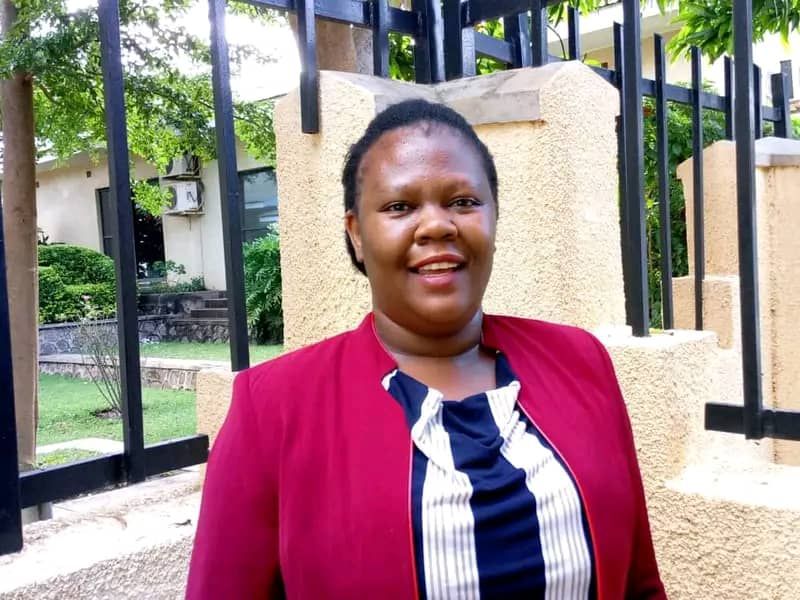
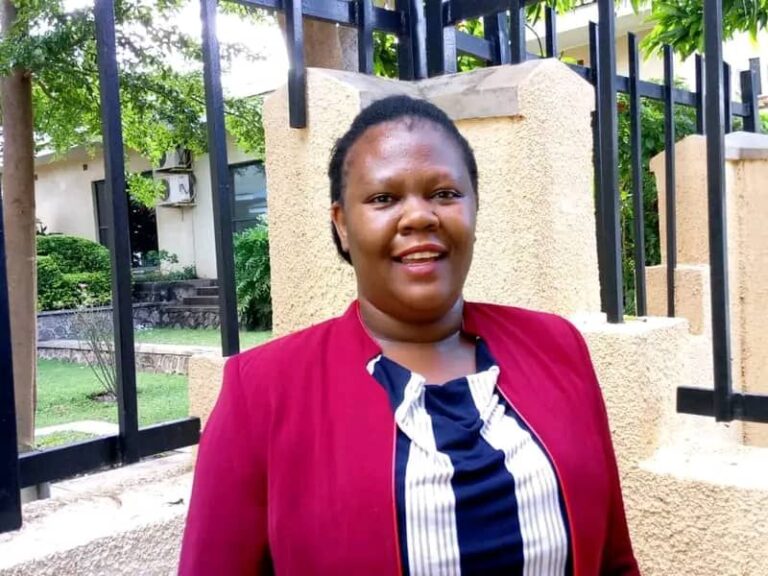
The organisation’s program coordinator, Mercy Chikadza Machero, made this statement today in Lilongwe during the closing ceremony of a week-long training workshop.

Mercy Chikadza Machero,


The workshop trained over 20 committee clerks drawn from all 18 parliamentary committees.

According to Chikadza, the training session was designed to strengthen the technical capacity of parliamentary staff.

This would enable them to assist legislators in scrutinizing bills more effectively, engaging in evidence-based decision-making, and carrying out their oversight responsibilities efficiently.

The Centre for Civil Society Strengthening highlighted that the training session addressed key challenges faced by Parliament.

One major challenge is the insufficient technical capacity of parliamentary staff to analyze and engage with complex sector documents.

Another issue is the lack of adequate resources to support the scrutiny of bills and legislation.

Through this training, the organization provided expert facilitation and guidance to help overcome these challenges.

With support from the European Union, Save the Children International Malawi and the Centre for Civil Society Strengthening are working to improve parliamentary processes.

This initiative is being carried out through the Phungu Wanga (My MP) project.

The project aims to enhance the role of Parliament by equipping staff with the skills needed to facilitate more informed legislative decisions.

By strengthening parliamentary staff, the initiative is expected to contribute to a more transparent and accountable governance system in Malawi.

Effective parliamentary support staff are crucial in ensuring that lawmakers have access to well-researched information, leading to better policy decisions.

As Malawi continues to strengthen its democracy, investments in training programs like this will play a key role in improving governance and legislative effectiveness.

UTM intensifies recruitment drive for youth and women ahead of 2025 elections

0

By Burnett Munthali

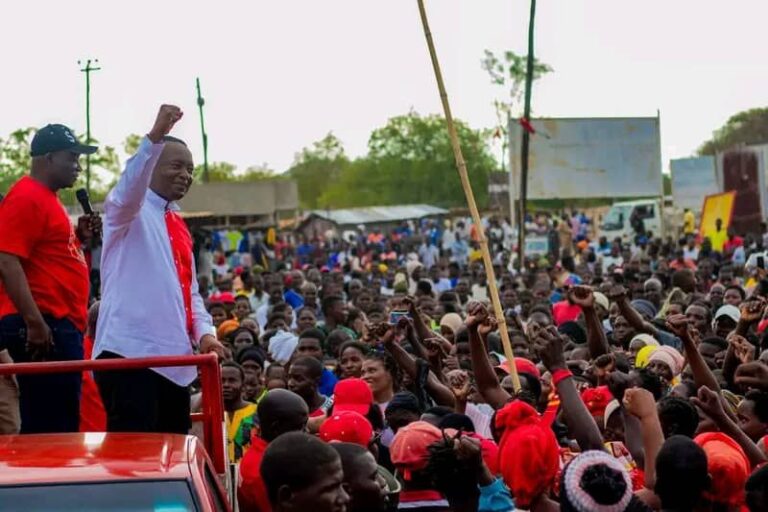
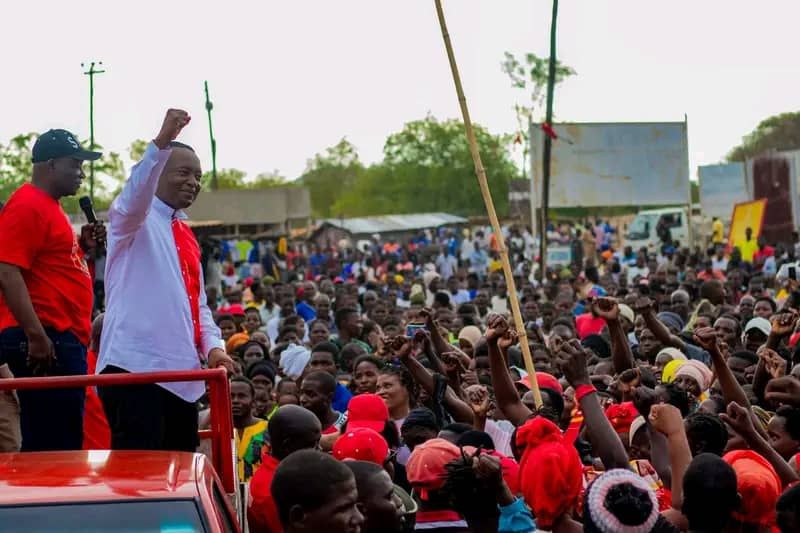
UTM president Dalitso Kabambe has announced that the party is actively recruiting young people and women to represent it as candidates for Members of Parliament (MPs) and councillors in the upcoming September 16 General Election.

Kabambe made these remarks today during a press briefing held in Lilongwe, where the party also welcomed seven shadow MPs who have reportedly defected from the ruling Malawi Congress Party (MCP).

The move is seen as a strategic effort by UTM to strengthen its political base and widen its appeal, particularly among the youth and women, who make up a significant portion of Malawi’s voting population.


Kabambe emphasized that UTM strongly believes that democracy in Malawi will thrive if more young people and women are elected into leadership positions.

He argued that for true democratic governance to take root, there is a need to empower historically underrepresented groups in the country’s political landscape.

Kabambe further highlighted that UTM’s recruitment drive aligns with the party’s core values of inclusivity, progress, and modernization of Malawi’s political system.

He noted that many young people and women have the potential to bring fresh ideas, energy, and integrity into politics, which could lead to meaningful change in governance.

The defection of the seven shadow MPs from MCP to UTM is being interpreted as a sign of growing dissatisfaction within the ruling party and shifting political loyalties ahead of the elections.

Kabambe stated that UTM remains open to welcoming more individuals who share the party’s vision and are committed to serving Malawians with dedication and transparency.

The party’s strategy of prioritizing youth and women in leadership positions is also in line with global trends that advocate for increased political participation among these groups.

Observers believe that UTM’s approach could help reshape Malawi’s political environment, which has historically been dominated by veteran politicians and male leaders.

Kabambe reiterated that the success of democracy in Malawi depends on diversity and inclusivity, calling on all eligible young people and women to step forward and take up leadership roles.

He urged Malawians to support the idea of electing leaders who are forward-thinking, progressive, and determined to bring transformative policies to the country.

With the September 16 General Election drawing closer, political parties are intensifying their campaigns, and UTM’s focus on youth and women is likely to be a key part of its electoral strategy.

As more candidates are unveiled, the coming months will reveal whether UTM’s recruitment drive will significantly impact the country’s political landscape.

The success of this initiative will largely depend on how well the party mobilizes support and convinces the electorate that its candidates represent the change Malawians desire.

Moving forward, UTM’s ability to maintain political momentum and attract more defectors from other parties will determine its strength in the highly competitive election.

For now, the party remains confident that by championing youth and women’s representation, it is positioning itself as a force for democratic renewal and governance reform in Malawi.

Kenyan court orders release of self-proclaimed Jesus, awards compensation


By Jones Gadama

A Kenyan court has ruled that a man who claims to be Jesus Christ be released unconditionally.

The court also ordered the state to compensate the man for unlawful detention.

The presiding judge made the decision after the defense counsel requested that the state bring the “real Jesus” to court to prove their client’s claims were false.

The defense counsel’s clever move left the prosecution stunned, as they failed to produce Jesus in court.

The judge, therefore, had no choice but to release the self-proclaimed Jesus and award him compensation for the time he spent in detention.


The man, who has been identified as the “Kenyan Jesus of Tongaren,” had been arrested and charged with brainwashing.

However, his lawyer argued that the state had failed to provide sufficient evidence to support the charges.

The court’s decision has sparked mixed reactions, with some hailing it as a victory for freedom of expression, while others have expressed concerns about the potential consequences of allowing individuals to claim to be divine beings.

The case has also raised questions about the limits of freedom of expression in Kenya and the role of the government in regulating religious beliefs.

While the constitution guarantees freedom of worship, the government has a responsibility to ensure that individuals do not use their beliefs to harm others.

As the debate continues, one thing is clear: the case of the Kenyan Jesus has sparked a national conversation about the importance of protecting individual rights and freedoms.

The court’s decision is a significant victory for the man and his lawyer, who argued that the state had violated their client’s rights by detaining him without sufficient evidence.

The case has also highlighted the need for the government to be more cautious when dealing with cases involving religious beliefs.

While the government has a responsibility to protect its citizens, it must also ensure that it does not infringe on their rights.

As the Kenyan Jesus walks free, the country is left to ponder the implications of the court’s decision.

Will it set a precedent for future cases involving religious beliefs, or will it be seen as an isolated incident?

Muvi wachilungamo revolutionary party vows to introduce economic federal system if elected

0


By Jones Gadama

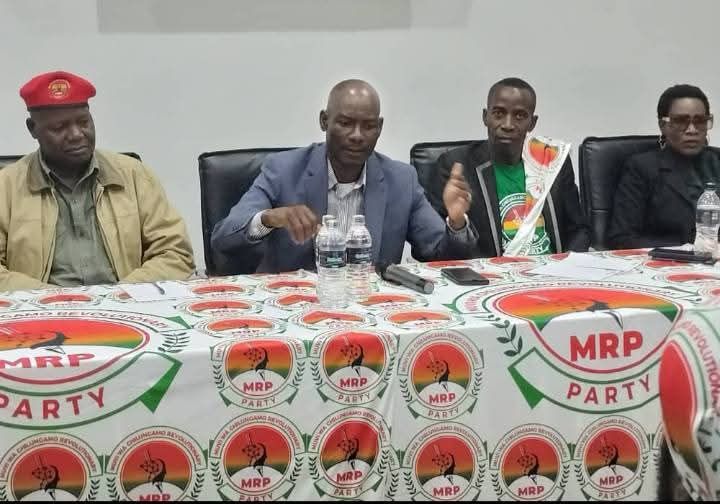
The Muvi Wachilungamo Revolutionary Party has pledged to change Malawi’s constitution to introduce an economic federal system of government if voted into power in the September 16 polls.

Party President Bantu Saunders Juma made the announcement in Blantyre, outlining the benefits of the proposed system, including empowering chiefs to make development decisions through regional senates.

According to Juma, the economic federal system will be divided into four regions: South, East, Centre, and North. This, he believes, will enable more effective governance and development decision-making at the local level.


Juma also took aim at the country’s politicians, blaming them for perpetuating poverty among Malawians.

He argued that the current system has failed to address the needs of the people and that a new approach is needed.

The Muvi Wachilungamo Revolutionary Party’s proposal has sparked interest among Malawians, who are eager for change.

The party’s promise to introduce an economic federal system has been seen as a bold move to address the country’s development challenges.

Before the press briefing, the party held a parade in Blantyre, marking its first public appearance since its establishment.

The event was seen as a show of strength and a demonstration of the party’s commitment to its vision for Malawi.

As the country prepares for the September 16 polls, the Muvi Wachilungamo Revolutionary Party’s proposal is likely to be a major talking point.

Malawians will be watching closely to see how the party’s plans unfold and whether they will bring about the change that the country so desperately needs.

The introduction of an economic federal system would require significant changes to Malawi’s constitution.

The party has promised to work with stakeholders to ensure a smooth transition and to address any concerns that may arise.

The  Muvi Wachilungamo Revolutionary Party’s proposal to introduce an economic federal system of government is a bold move that has the potential to transform Malawi’s development landscape.

As the country heads to the polls, Malawians will be watching closely to see how this proposal unfolds.