In a shocking development, Democratic Progressive Party (DPP) Vice President for the Central Region, Right Hon. Alfred Gangata, has been arrested by Kanengo Police and is currently being held at Kanengo Police Station.
According to police spokesperson Peter Kalaya, Gangata handed himself over to the police after learning that they were looking for him.
Kalaya revealed that Gangata’s arrest is connected to his MSCE certificate, which is believed to have been obtained illegally.
Investigations have shown that Gangata obtained his certificate in 2018 at Chitowe Community Day Secondary School in Dedza, allegedly as an external candidate.
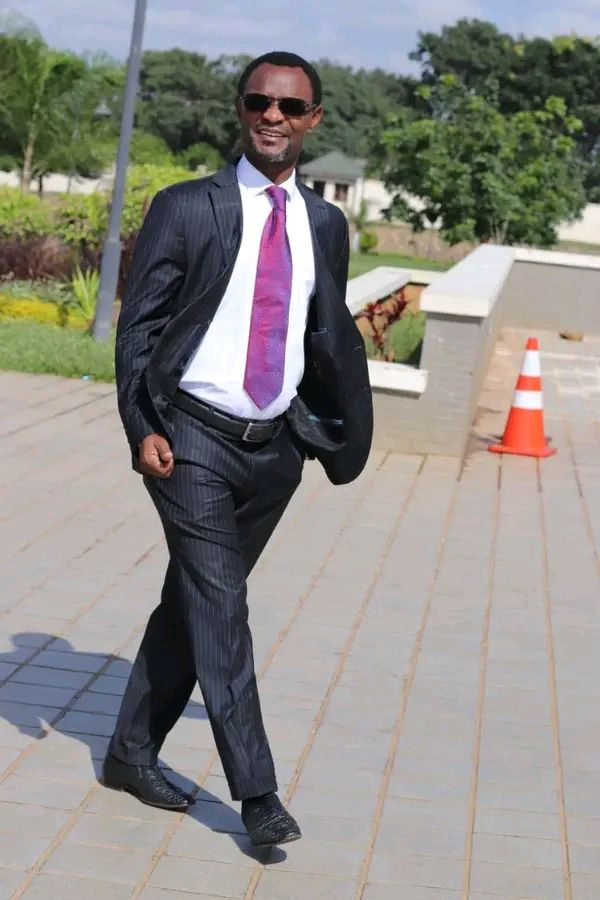
Gangata
However, police have discovered that Gangata never enrolled at the school.
Kalaya stated that more arrests are expected, particularly those who aided Gangata in obtaining the certificate. Gangata is expected to appear in court today or tomorrow, once the police have completed their caution statement.
The DPP has described the arrest as politically motivated.
This development has sent shockwaves through the political establishment, with many calling for transparency and clarity on the reasons behind Gangata’s detention.
In a shocking move, Rwanda has announced that it is cutting diplomatic ties with Belgium, ordering all Belgian diplomats to leave the country within 48 hours.
This drastic decision comes amidst a deepening rift between the two nations, rooted in Belgium’s colonial past and its perceived meddling in Rwanda’s internal affairs.
The tensions between Rwanda and Belgium have been simmering for years, with Rwanda accusing Belgium of harboring genocide deniers and sympathizers.
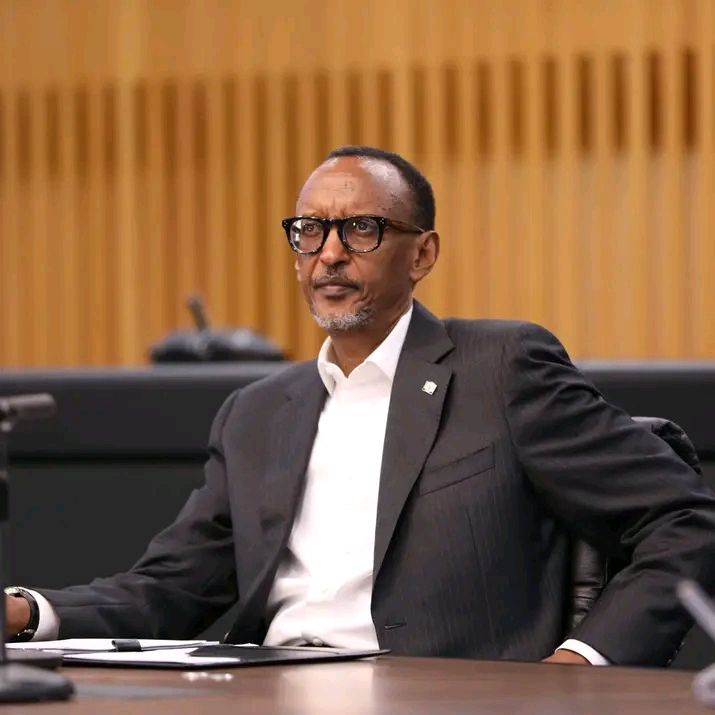
Kagame
The rejection of Rwanda’s proposed ambassador, Vincent Karega, by Belgium in 2023 marked a turning point in the deteriorating relations.
Rwanda saw this move as a deliberate attempt to undermine its sovereignty and dignity.
Belgium’s actions, Rwanda argues, are a continuation of its colonial-era policies, which cultivated ethnic divisions and empowered ideologues responsible for the 1994 genocide.
The presence of groups like Jambo ASBL, a Belgian-based organization with ties to genocide deniers, has further strained relations. Rwanda views these groups as a threat to its stability and unity.
The diplomatic spat has also been fueled by Belgium’s demands that Rwanda stop supporting the M23 rebel movement in the Democratic Republic of Congo (DRC).
Rwanda, however, has condemned the DRC-Burundi-FDLR alliance, which it sees as a threat to the Congolese ethnic Tutsi population.
Rwanda’s decision to sever diplomatic ties with Belgium is a clear assertion of its independence and sovereignty.
The country is unwilling to tolerate what it perceives as Belgium’s neocolonial attitude and meddling in its internal affairs.
As the situation unfolds, it remains to be seen how Belgium will respond to Rwanda’s decision.
One thing is certain, however: the rift between Rwanda and Belgium has exposed deep-seated issues that will require more than just diplomatic gestures to resolve.
In the meantime, Rwanda has announced that it will transfer its European affairs to Berlin, Germany, in an effort to maintain diplomatic relations with the European Union.
This move is seen as a strategic attempt to bypass Belgium and establish more constructive relationships with other European nations.
As the dust settles, one thing is clear: Rwanda will no longer tolerate disrespect or interference in its internal affairs. The country’s stance is resolute: dignity is not negotiable.
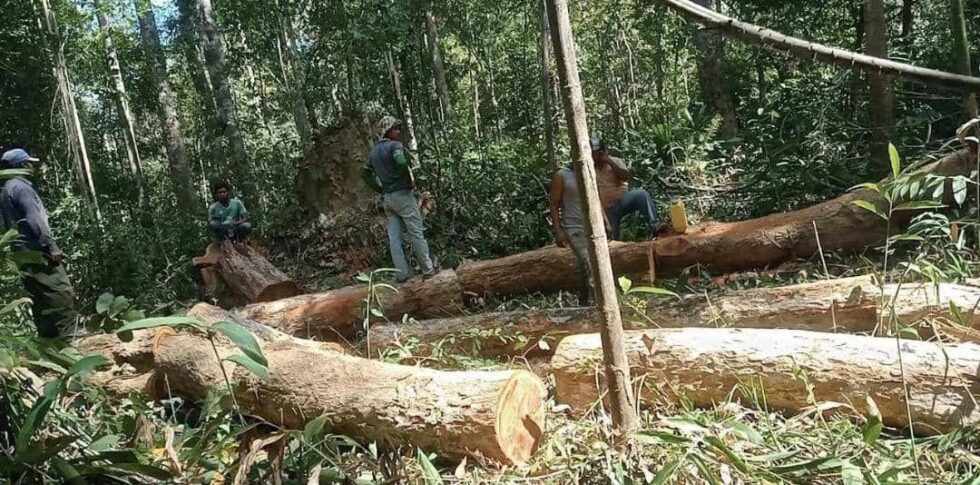
A 55-year-old man from Mulanje, Umiya Mwale, met his untimely death on Sunday when a tree he was cutting fell on him.
According to Mulanje Police Public Relations Officer, Innocent Moses, the accident occurred around 11 am in the morning.
Mwale was with his friend, John Gambatula, 65, cutting trees to make charcoal when the tragedy struck. As Mwale was cutting the tree, it suddenly fell on him, squeezing him underneath its massive trunk.
Moses said that Mwale’s friend, Gambatula, was left shaken by the incident and was unable to free Mwele from under the tree. The police were later called to the scene, and Mwale’s body was taken to the hospital for a post-mortem examination.
The post-mortem results revealed that Mwale died due to internal bleeding caused by the crushing injuries he sustained when the tree fell on him.
The police are appealing to the public to refrain from engaging in illegal cutting of trees, which can lead to devastating consequences like the one that befell Mwale.
Mwele was a resident of Village Headman Mangombo, Traditional Authority Nkanda, in Mulanje. His death has sent shockwaves through the community, with many expressing their condolences to his family.
The incident serves as a stark reminder of the dangers of illegal logging and the importance of adhering to safety protocols when engaging in activities that involve cutting down trees.
The police are urging the public to report any instances of illegal logging or tree cutting to the authorities, and to exercise extreme caution when engaging in such activities.
In a statement, Moses said, “We urge the public to refrain from engaging in illegal activities that can put their lives and the lives of others at risk. We also appeal to the public to report any instances of illegal logging or tree cutting to the authorities.”
The incident has also raised concerns about the environmental impact of illegal logging and the need for sustainable forest management practices.
As the community mourns the loss of Mwele, it is hoped that his death will serve as a wake-up call for the importance of prioritizing safety and sustainability in all aspects of life.
Democratic Progressive Party (DPP) lawmaker Ben Phiri has once again voiced his strong opposition to the economic policies of the current administration, arguing that Malawi’s economy has deteriorated significantly since his party left office in 2020.
His remarks, made in response to the 2025-26 national budget, have ignited a broader debate about the country’s economic trajectory, highlighting key concerns such as rising fuel prices, job losses, and the government’s failure to deliver on its promises.
A stark economic comparison: 2020 vs. 2025
At the core of Phiri’s critique is the argument that the Malawian economy is worse off today than it was under the DPP administration.
His reference to fuel prices provides a stark illustration of the economic downturn.
According to Phiri, in June 2020, petrol sold at K690.50 per litre, while diesel was at K664.80 per litre.
In contrast, current prices have soared to K2,530 for petrol and K2,734 for diesel, representing an increase of over 250%.
This price surge has had a domino effect on other sectors of the economy.
The cost of transportation has escalated, leading to higher prices for goods and services.
The average Malawian, already burdened by inflation, now struggles even more to afford basic necessities.
The government’s inability to cushion these rising costs raises serious concerns about its economic policies and priorities.
*The failure of the one million jobs promise*
Another key aspect of Phiri’s critique is the government’s failure to create one million jobs—a central promise of the Tonse Alliance administration.
Instead of job creation, Phiri argues that approximately 800,000 jobs have been lost due to the closure and downsizing of major state-run institutions such as Admarc, PTC, and the Commodity Exchange.
This job loss has exacerbated the unemployment crisis in Malawi, leaving many young graduates and skilled workers without stable employment opportunities.
The private sector, which was expected to absorb job seekers, has also struggled under the weight of economic stagnation and high operational costs.
The closure of businesses and retrenchment of workers have only deepened the economic hardship for many Malawians.
*The broader economic crisis: Inflation and the cost of living*
Phiri’s remarks come at a time when the government is already under immense pressure to address the rising cost of living.
Inflation remains high, and wages have not kept up with the increasing cost of goods and services.
The rising cost of basic commodities, including maize, sugar, and cooking oil, has made life unbearable for many households.
Families that once relied on affordable staple foods now struggle to put meals on the table.
The weakening of the Malawi Kwacha against major foreign currencies has further compounded the crisis, making imports more expensive and increasing production costs for local businesses.
The government has attempted to mitigate these challenges through various economic measures, but critics argue that these interventions have been ineffective.
Price stabilization efforts, subsidies, and social protection programs have either been poorly implemented or insufficient in scope to make a meaningful impact.
*The political implications of Phiri’s criticism*
Ben Phiri’s statements are not merely economic critiques; they also carry significant political weight.
As a senior DPP figure and former cabinet minister, his criticisms reinforce the opposition’s broader narrative that the Tonse Alliance government has failed to manage the economy effectively.
Phiri’s remarks echo the frustrations of many Malawians who feel that their economic situation has worsened under the current administration.
His arguments could strengthen the DPP’s position ahead of the next elections, as economic hardship is a key issue that influences voter decisions.
However, it is also important to assess Phiri’s comments in the context of political strategy.
While his analysis highlights valid concerns, the DPP’s own economic record during its tenure was not without challenges.
The opposition’s ability to present a credible alternative economic vision will be critical in determining whether Malawians trust them to return to power.
*What lies ahead?*
As the debate over the 2025-26 national budget continues, the government faces mounting pressure to respond to the economic crisis.
The administration must present clear and actionable solutions to stabilize fuel prices, create jobs, and reduce the cost of living.
Without a concrete plan, public discontent is likely to grow, potentially affecting political stability.
Ben Phiri’s criticism has reignited discussions about the government’s economic management.
Whether the administration chooses to dismiss his remarks as political rhetoric or address the issues head-on will determine the direction of Malawi’s economy in the coming years.
One thing remains clear: urgent and decisive action is needed to rescue the economy from further decline.
The government must go beyond political statements and implement policies that bring tangible relief to Malawians struggling to make ends meet.
Police in Dowa have arrested a 40-year-old woman and two men for possessing forest produce without a valid license.
The arrests took place on March 16, 2025, at the Mvera Police roadblock along the Lilongwe-Salima Road.
The suspects have been identified as Phill Elisa, 29, of Lobi Village, Traditional Authority Kachere in Dedza District; Peter Phiri, 33, of Mbiwi Village, Traditional Authority Kafuzira in Nkhotakota District; and Chimwemwe Gomani, 40, of Masunda Village, Traditional Authority Mphambala in Ntcheu District.
The trio was intercepted during a routine inspection of a Mazda TITAN lorry, registration number LL 10228, driven by Elisa and heading towards Lilongwe.
Upon inspection, officers discovered the vehicle was carrying 28 bags of charcoal. When questioned, the suspects failed to produce the required license, leading to their arrest and the seizure of the vehicle.
Dowa Police remind the public that possessing forest produce without a license is a criminal offense.
The suspects are expected to appear in court soon to face related charges.