Afro-pop artist Salsfy 265’s latest single, “Napita,” featuring L-Static, shines a light on the resilience of true love.
The Thyolo-based artist’s soulful voice and poignant lyrics weave a narrative that encourages lovers to hold on to each other despite the challenges they may face.
Salsfy 265, whose real name is Hope Mataka, shared the inspiration behind “Napita.”
Salsfy 265,
“The song is a reflection of today’s relationships, where true love is tested in harsh conditions,” he explained.
The 3-minute 7-second music video, directed by Afoto Harrys under Upset Creation, perfectly complements the song’s narrative.
L-Static joins Salsfy 265 on the second verse, delivering a powerful hip-hop flow that echoes the song’s message.
The chemistry between the two artists is undeniable, creating a compelling visual and auditory experience.
The song’s producer, Ase Hyke, is also showcased in the outro, highlighting the team effort that went into creating this powerful track.
“‘Napita’ carries a powerful message that will resonate with fans, highlighting the challenges lovers face due to poverty,” Salsfy 265 said.
In a rare display of unity across political lines, Alliance for Democracy (AFORD) Member of Parliament Yeremia Chihana actively participated in the Mpumulo wa Bata cleaning exercise.
Chihana’s involvement in the initiative highlights the importance of national unity and service beyond party affiliations.
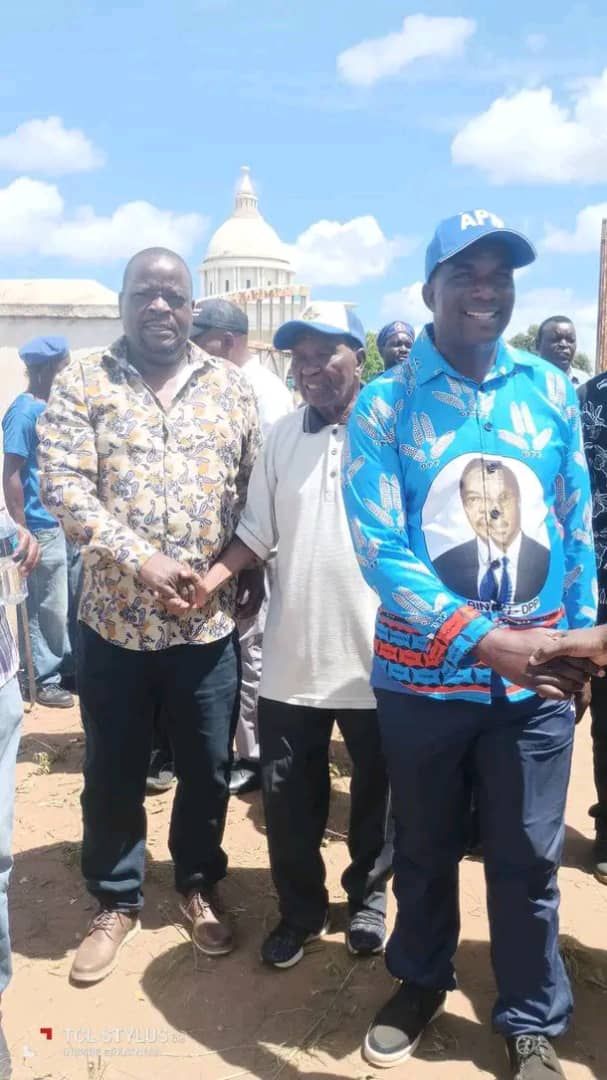
During the event, a striking moment was captured where Chihana was seen holding hands with the Democratic Progressive Party’s (DPP) Administration Secretary, Honourable Francis Mphepo.
The two political figures, often representing different ideological perspectives, walked together in a symbolic gesture of solidarity.
Their gigantic walk around the mausoleum demonstrated that despite political differences, leaders can come together for a common cause.
Standing nearby and observing the moment was another prominent political figure, Honourable Charles Nchacha.
The event underscored the need for political leaders to set aside their partisan differences in the interest of national progress.
By engaging in community service together, Chihana and Mphepo sent a strong message about the power of collaboration in nation-building.
The Mpumulo wa Bata cleaning exercise provided an opportunity for politicians to work together towards a cause that benefits all Malawians.
This moment of unity serves as a reminder that political diversity should not be a barrier to collective efforts aimed at improving the country.
Observers have praised the interaction, calling for more such initiatives that bring leaders from different parties together.
Political analysts argue that Malawi needs more of these gestures to reduce divisions and promote national harmony.
The involvement of leaders from both AFORD and DPP in the same initiative signals a step toward fostering mutual respect in the country’s political landscape.
As Malawi continues to face economic and social challenges, such acts of political cooperation could pave the way for more constructive dialogue.
Citizens have expressed hope that this example will inspire other political leaders to put the country’s interests above party loyalty.
If sustained, these moments of unity could contribute to reducing political tensions and fostering a culture of cooperation in governance.
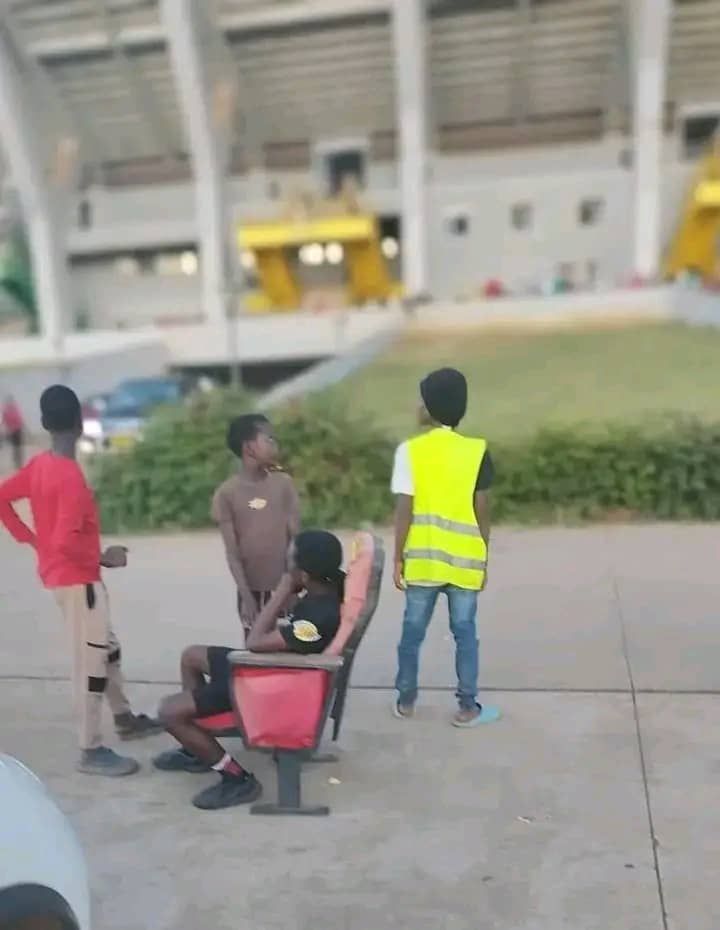
Recent reports have surfaced about a theft involving the seats at Bingu Stadium, a situation that has left the local community in shock.
The incident has particularly affected the residents of Mtandire, a nearby area to the stadium, who are expressing concern over the theft.
It is believed that the seats, which are part of an ongoing stadium upgrade, were stolen by a group of individuals identified as Shine people.
These individuals are suspected to have carried out the act under the cover of darkness, taking away the valuable stadium seats.
The stolen seats were meant to enhance the experience of football fans and other event-goers, creating a more comfortable and engaging atmosphere at the stadium.
Bingu Stadium, located in the capital city of Lilongwe, is a landmark venue for sports in Malawi, named after the late President Bingu wa Mutharika.
The stolen seats were an important part of the upgrade project, which aims to modernize the stadium and increase its capacity for both local and international events.
The theft has raised serious questions about security at the stadium and the need for increased vigilance around public infrastructure.
Residents of Mtandire, who had been eagerly awaiting the completion of the stadium’s improvements, are now frustrated and disappointed by the setback caused by the theft.
The community had seen the stadium upgrade as a significant opportunity for local pride and development, as the new seats would allow the venue to accommodate more spectators and attract larger events.
Now, with the theft of the seats, the project has been delayed, and the local population is left wondering when the stadium will be fully operational.
Authorities have been informed about the incident, and investigations are currently underway to track down those responsible for the theft.
The local police, along with stadium officials, are working together to ensure that the stolen seats are recovered and that security measures are strengthened to prevent such incidents in the future.
The theft has also brought to light the need for better protection of public properties, particularly as Malawi continues to make strides toward improving its infrastructure for sports and entertainment.
Despite the setback, the people of Mtandire remain hopeful that the project will eventually be completed, and the stadium will once again serve as a symbol of local and national pride.
Community leaders have called for greater unity in safeguarding public resources, encouraging residents to report any suspicious activity to prevent future thefts.
The authorities are determined to ensure that the stolen seats are returned and that the upgrade project can continue without further interruptions.
For now, the residents of Mtandire are left in anticipation, hoping that the stadium’s improvements will soon be completed, providing a space for enjoyment, community engagement, and sporting excellence.
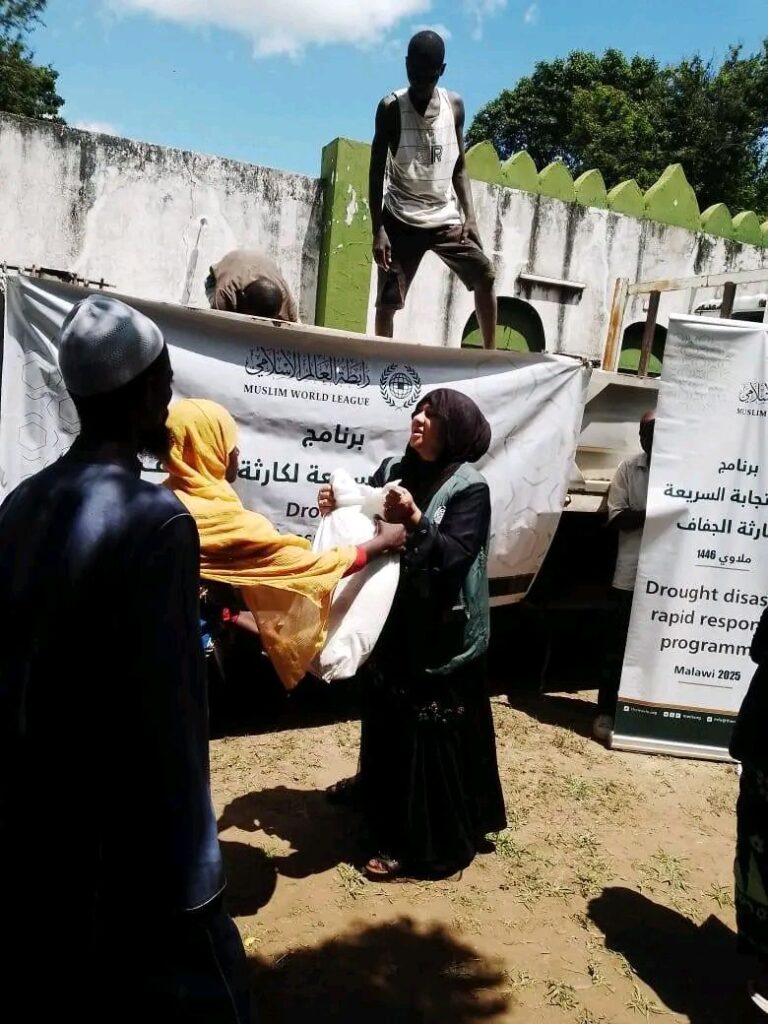
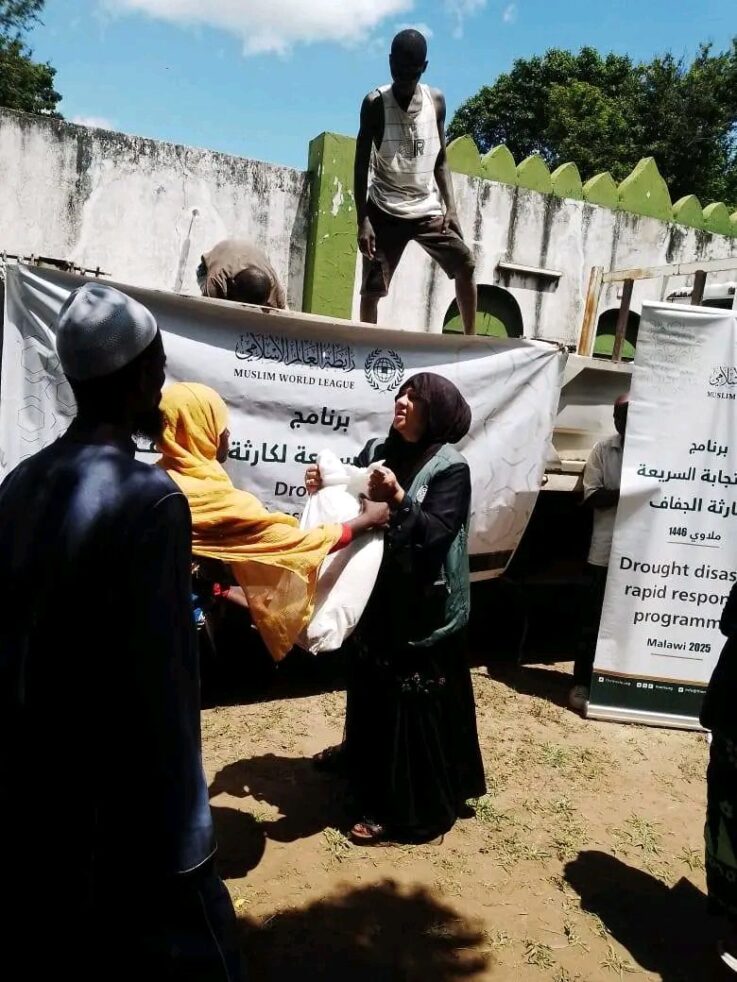
Minister Abida Mia’s recent food distribution event in Chikwawa has shed light on the importance of community support, especially during significant periods like Ramadan.
By providing food packs to 850 families at Makande Masjid, Mia has demonstrated her commitment to helping those in need.
Mia’s efforts are particularly noteworthy, given the significance of Ramadan as a month of sharing and giving.
Her acknowledgment of the Muslim World League’s sponsorship of the food packs highlights the value of collaboration in making a positive impact.
The event also showcased Mia’s dedication to her constituency, as she distributed cash to over 1,200 families.
This gesture has been met with gratitude from beneficiaries like Batumeyo Singano, who expressed appreciation for the support.
Mia’s initiatives in Chikwawa are part of a broader effort to address hunger and support vulnerable communities.
Her work in this area is consistent with her role as Minister of Water and Sanitation, which involves overseeing initiatives that impact the daily lives of Malawians.
Mia’s commitment to her community is evident in her previous efforts to support hunger-stricken households in Chikwawa Nkombedzi.
In 2021, she distributed maize flour to 2,000 households, demonstrating her ongoing dedication to addressing the needs of her constituents.
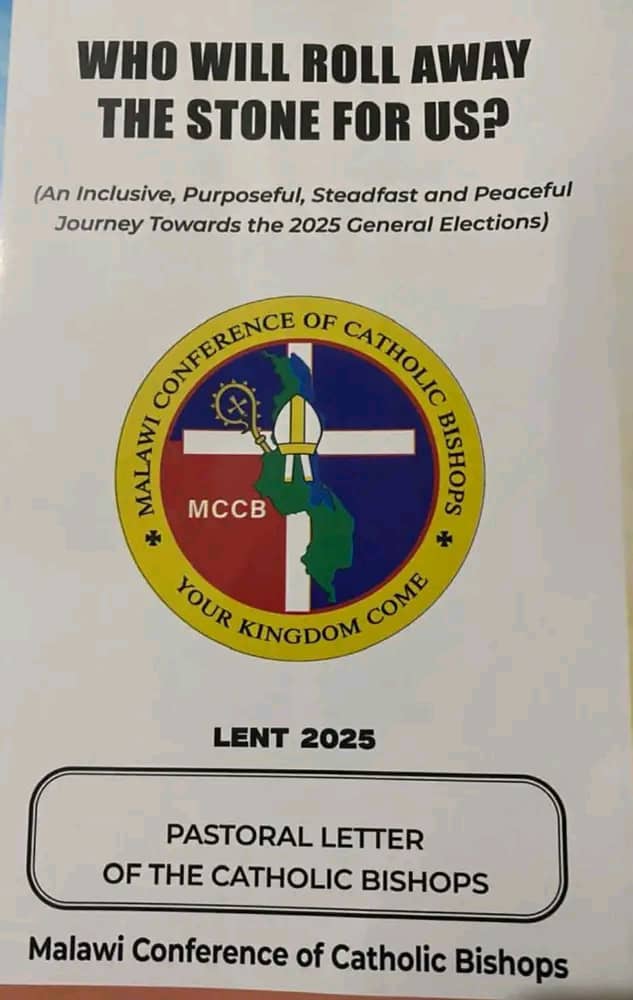
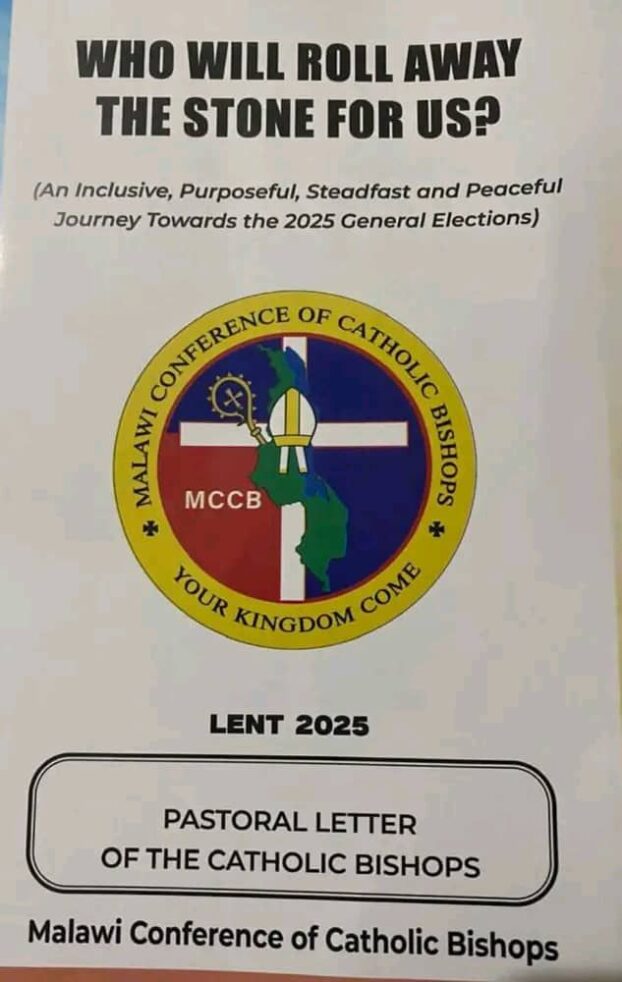
As Malawi approaches its General Elections in 2025, the Catholic Bishops have taken a proactive stance on the political landscape and its implications for the nation.
Through a series of pastoral letters, the Bishops have provided Lenten reflections aimed at guiding Malawians toward moral and responsible civic engagement.
Their message emphasizes that both leaders and citizens share accountability in governance, and that voters must take responsibility for their choices at the ballot box.
The Bishops stress that political apathy is not a neutral stance but a direct indifference toward one’s quality of life, well-being, and future prospects.
They urge Malawians to reflect deeply on their role in shaping governance and to approach voting with an informed and conscientious mindset.
The pastoral letters highlight critical challenges facing the nation, including corruption, nepotism, economic hardship, and deteriorating public services.
These letters do not merely serve as a critique but as a motivation for voters to seek candidates who exhibit integrity and a genuine commitment to the public good.
The Bishops particularly emphasize the need for young people to actively participate in the political process.
They argue that youth involvement is essential for securing a better future and ensuring that governance is aligned with the needs of the people.
The message calls upon voters to prioritize candidates based on their track records rather than superficial attributes such as personal connections, tribe, or wealth.
By making informed decisions at the polls, Malawians have the power to influence their collective future and promote a governance system rooted in ethical leadership.
These reflections are designed to be discussed in Small Christian Communities and Lay Apostolate Movements as a way to foster deeper political awareness.
The initiative by the Catholic Bishops serves as a crucial reminder that elections are not merely a political exercise but a moral duty for every citizen.
The Malawi Conference of Catholic Bishops acknowledges the efforts of the Pastoral Commission and the Commission for Justice and Peace (CCJP) in coordinating the development of these reflections.
As Malawians prepare for the 2025 elections, the Church’s guidance offers a roadmap for responsible citizenship and a renewed commitment to democratic values.