

Wednesday, December 24, 2025
No menu items!
spot_img
Home Blog Page 537

The unfair currency devaluation game: Why Africa must resist


By Twink Jones Gadama

The International Monetary Fund (IMF) has long been advising African countries to devalue their currencies, citing the need to make their exports competitive in the global market. However, this advice has had devastating consequences for the livelihoods of poor Africans. In Malawi, for instance, the kwacha has been repeatedly devalued, leading to a significant loss of value and a subsequent increase in the cost of living.

It is puzzling that Western currencies, such as the US dollar and the British pound, do not face the same pressure to devalue. Instead, these currencies continue to maintain their value and even appreciate against other currencies. This raises questions about the fairness of the global economic system and the motives behind the IMF’s advice to African countries.

One possible explanation is that Western countries have more control over their economic policies and are better equipped to manage their currencies. They also have more diversified economies, which makes them less vulnerable to fluctuations in global commodity prices. In contrast, many African countries rely heavily on exports of raw materials, making them more susceptible to external economic shocks.

Another possible explanation is that the IMF’s advice is driven by a desire to maintain the dominance of Western currencies in global trade. By forcing African countries to devalue their currencies, the IMF may be trying to make it easier for Western countries to export their goods to Africa, thereby maintaining their economic influence over the continent.

Whatever the reasons, it is clear that the continuous devaluation of African currencies is having a devastating impact on the livelihoods of poor Africans. It is time for African countries to resist the IMF’s advice and take control of their economic policies. They must find ways to manage their currencies effectively, without resorting to devaluation. This may require implementing policies to diversify their economies, promote exports, and reduce dependence on foreign aid.

African countries must also work together to create a more favorable global economic environment. They must demand a more equitable distribution of global economic power and challenge the dominance of Western currencies. By doing so, they can create a more stable and prosperous economic future for their citizens.
Lawyer Sylvester Ayuba Pleads with Chakwera to Fire Chithyola as Finance Minister

0

By Durell Namasani

Silvester Ayuba James, a staunch supporter of the Malawi Congress Party (MCP), has publicly appealed to President Dr. Lazarus Chakwera to replace Finance Minister Simplex Chithyola Banda with a seasoned economist. In a heartfelt plea, Ayuba emphasized that his request is driven by national interest rather than personal grievances. 

Ayuba argued that Malawi’s current fiscal challenges require a Finance Minister with robust academic and practical expertise in economics. While acknowledging Chithyola’s efforts, he suggested that the minister be reassigned to a different portfolio better suited to his qualifications. Ayuba proposed renowned economist Prof. Ronald Mangani as a potential replacement, citing his extensive experience and deep understanding of economic principles. 

Under fire Chithyola


The MCP supporter stressed that Malawi is not lacking in qualified economists capable of steering the country through its economic crisis. He urged the President to act swiftly, warning that failure to address these issues could jeopardize the party’s future in government. 

Ayuba acknowledged his limited influence as a “Facebook noise maker” but reminded Chakwera that critical advice often comes from unexpected sources. He expressed his unwavering support for the President and the MCP, emphasizing that his plea stems from a genuine desire to see the nation thrive. 

As Malawi grapples with economic challenges, Ayuba’s call highlights growing public concern over the need for expert leadership in key ministries. Whether Chakwera will heed this advice remains to be seen.

Thieves make off with 40 bales of brown Sugar in Neno district

0

By Shaffie A Mtambo

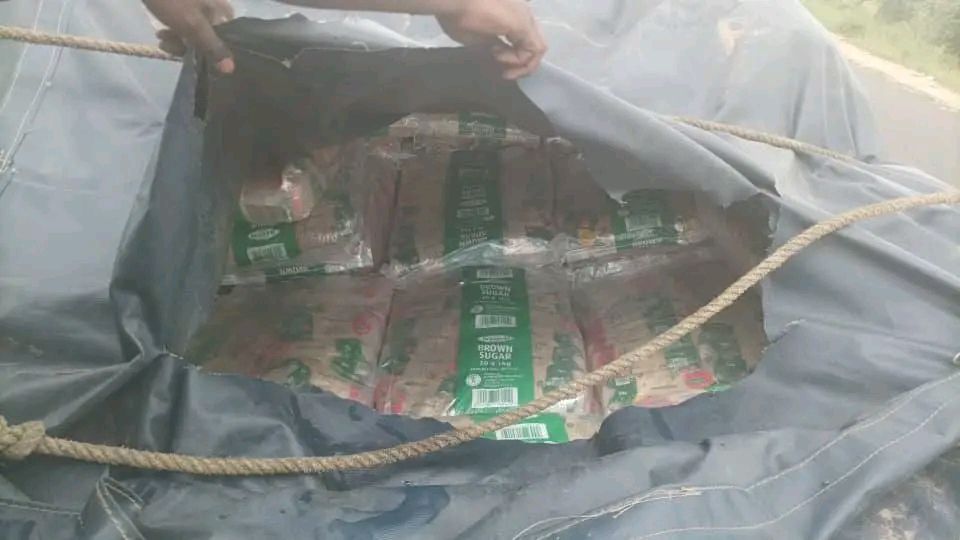
Theft has taken place in Neno district, where unknown individuals made off with 40 bales of brown sugar from an in-transit vehicle.

The incident occurred along the Zalewa-Chingeni road, near Tchenga trading center.

According to Neno police publicist Rebbeca Msoliza, the thieves targeted a truck registration number SA 6151, which was carrying 1500 bales of sugar.


“The driver, Nelson Mvura, was alerted by another driver that someone was tampering with his cargo”said Msoliza.

Upon investigation, it was discovered that the tarpaulin covering the bales had been torn, and 40 bales of sugar were missing and Police officers who rushed to the scene confirmed the theft.

The police have launched a manhunt for the unknown thieves, and investigations are underway to determine the circumstances surrounding the theft.

The theft of sugar is a significant loss for the owner, and the police are working to recover the stolen goods and bring the perpetrators to justice. The incident serves as a reminder of the importance of securing cargo and being vigilant while in transit.

As the police continue their investigation, they are urging anyone with information about the theft to come forward.


The police are advising drivers and cargo owners to take extra precautions to secure their goods while in transit.

Former trade minister Sosten Gwengwe Thanks Chakwera for opportunity to serve

0

By Twink Jones Gadama

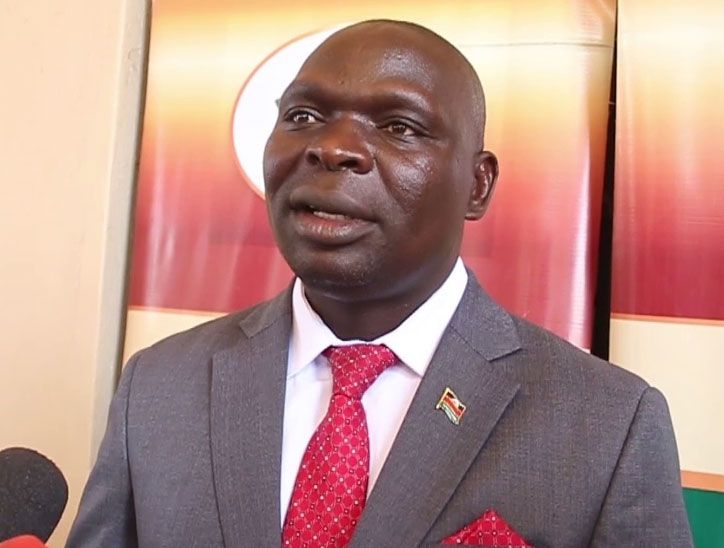
Former Minister of Trade and Industry, Sosten Gwengwe, has expressed his gratitude to President Lazarus Chakwera for giving him the opportunity to serve in his cabinet for the past four years.

Gwengwe, who is also a member of parliament for Lilongwe Nsozi north, took to his Facebook page to thank the President for the chance to serve his country as Minister of Trade.

Sosten Gwengwe


In his post, Gwengwe stated that he served to the best of his capability and due diligence.

He also wished his successor, Hon. Vitumbiko Mumba, all the best as he takes up the Ministry of Trade.

Gwengwe’s message was one of appreciation and humility, acknowledging the trust that President Chakwera had placed in him.

Gwengwe’s tenure as Minister of Trade and Industry was marked by significant challenges, including the COVID-19 pandemic and its impact on global trade.

Despite these challenges, Gwengwe worked tirelessly to promote Malawi’s trade interests and to stimulate economic growth.

The former minister’s departure from the cabinet has been seen as a significant shake-up in President Chakwera’s administration.

Gwengwe’s replacement, Vitumbiko Mumba, brings a wealth of experience to the role, having previously served as Minister of Labour.

As Gwengwe begins a new chapter in his career, he can look back on his time as Minister of Trade and Industry with pride.

His commitment to serving his country and his people is evident in his statement, and his gratitude to President Chakwera is a testament to the respect and admiration he has for the President.

In related news, Gwengwe had previously been entrusted with significant responsibilities by President Chakwera, including being left in charge of the government when the President was away on official duties.

This move had sparked widespread discussion, with some viewing it as a sign of the President’s trust in Gwengwe.

As the dust settles on Gwengwe’s departure from the cabinet, one thing is clear: his legacy as Minister of Trade and Industry will be remembered for years to come.

His commitment to serving his country and his people is an inspiration to all, and his gratitude to President Chakwera is a testament to the respect and admiration he has for the President.

Chakwera sacks trade minister Sosten Gwengwe amidst economic pressure

0

By Twink Jones Gadama

President Lazarus Chakwera has fired Sosten Gwengwe as Minister of Trade and Industry, barely a day after Lilongwe vendors stormed parliament demanding answers on the skyrocketing prices of second-hand clothes.

The sudden dismissal has sparked widespread speculation, with many wondering what prompted the President’s decision.

Sosten Gwengwe


Gwengwe, who has been replaced by Vitumbiko Mumba, formerly the Minister of Labour, has taken the high road, thanking President Chakwera for the opportunity to serve in his government for 4 years

However, the President has remained tight-lipped about the reasons behind Gwengwe’s dismissal, fueling further speculation.

The timing of Gwengwe’s firing is particularly noteworthy, coming as it does on the heels of the Lilongwe vendors’ protest.

The vendors, who are struggling to make ends meet due to the rising costs of goods, had demanded that the government take action to address the economic crisis.

While the President’s decision to sack Gwengwe may be seen as a response to the vendors’ demands, it remains to be seen whether the move will have any tangible impact on the economy.

The opposition has been quick to capitalize on the situation, with some calling for the President to take responsibility for the economic crisis.

Vitumbiko Mumba, the new Minister of Trade and Industry, faces a daunting task in addressing the economic challenges facing the country.

Mumba, who has been praised for his effective leadership at the Ministry of Labour, will need to hit the ground running if he is to make a meaningful impact.

In related news, the Forum for National Development (FND) has commended President Chakwera for replacing Gwengwe, saying the move was long overdue.

The FND has expressed hopes that the new Minister of Trade and Industry will provide sound economic policy direction to drive growth amid the ailing economy.