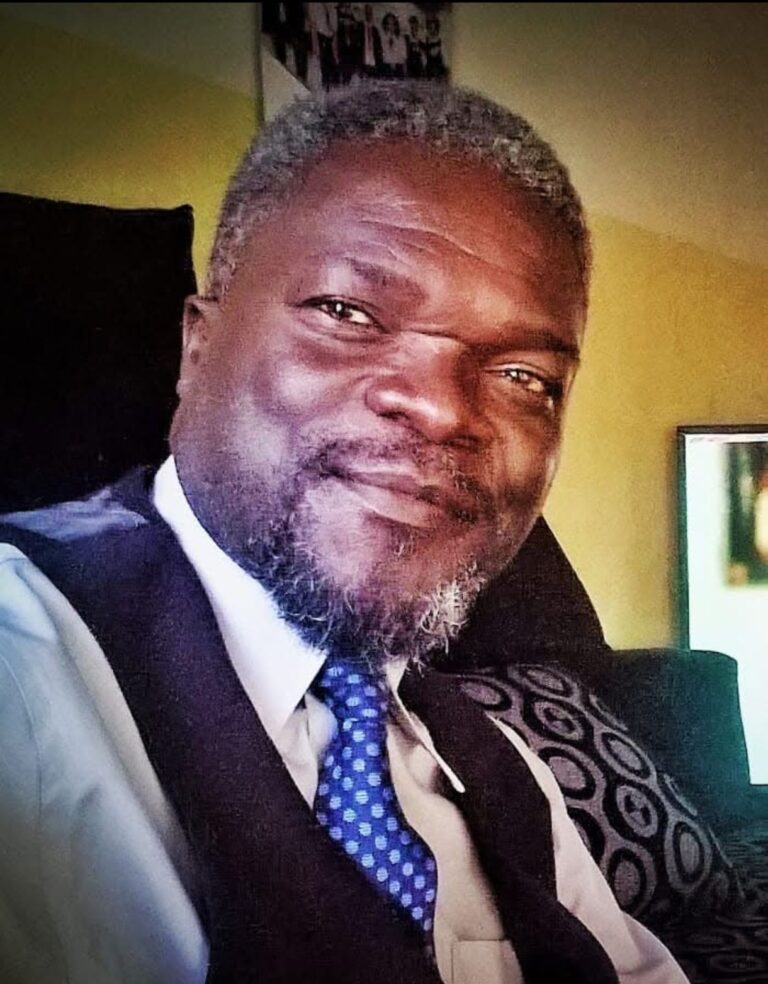
In a surprising political shift, Hebrews Misomali, the former Democratic Progressive Party (DPP) aspirant for Neno North constituency, has defected to Vice President Dr. Michael Usi’s newly launched Odya Zake Alibe Mlandu Party. Misomali, who previously withdrew from DPP primaries to retain his civil service position , cited unfair favoritism toward incumbent MP Thoko Tembo as a key reason for his departure.
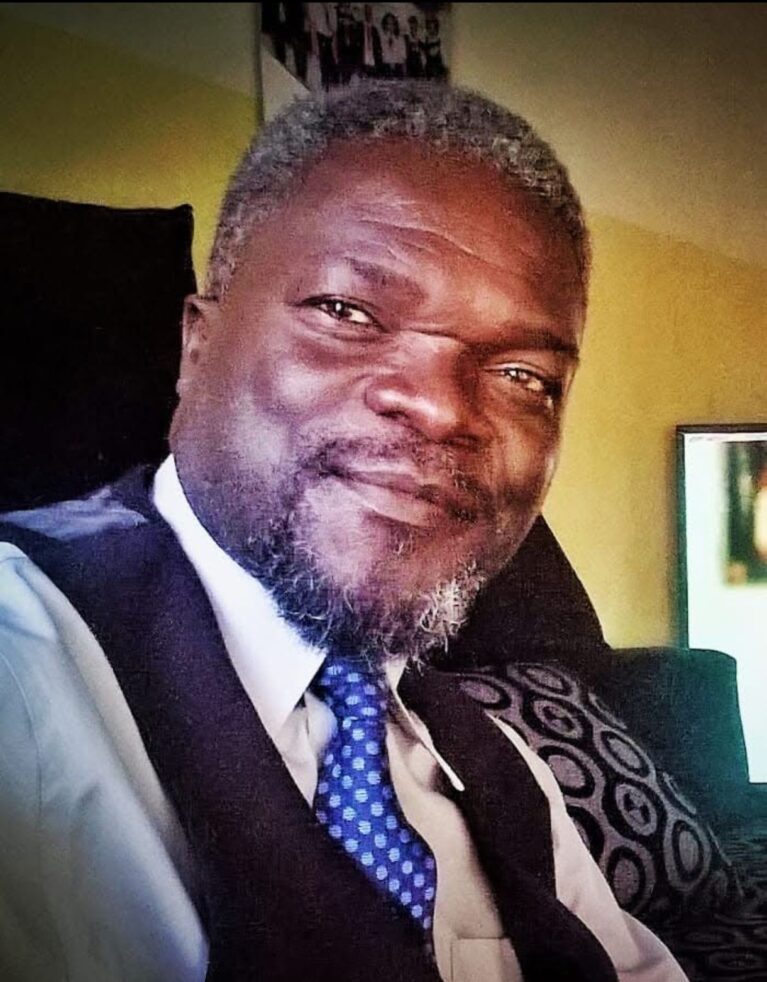
Hebrews Misomali
Misomali had initially planned to contest as an independent candidate after growing disillusioned with DPP’s internal dynamics. “The party machinery was tilted to protect the incumbent, leaving no room for fair competition,” he alleged. His move to Odya Zake Alibe Mlandu signals a strategic alignment with Dr. Usi’s vision of economic empowerment and inclusivity, which has attracted thousands of supporters since its launch on April 27 .
The defection deals a blow to DPP’s prospects in Neno North, where Misomali had mobilized grassroots support. Odya Zake Alibe Mlandu’s secretary general, Happy Kondowe, welcomed him, stating the party prioritizes “merit over patronage” . Analysts note the switch underscores growing dissent within traditional parties amid Malawi’s shifting political landscape.
Misomali’s decision follows Dr. Usi’s refusal to confirm his presidential candidacy, leaving room for alliances. With the September 16 elections approaching, Odya Zake Alibe Mlandu’s momentum could reshape voter loyalties .
Blantyre-based Hip-Hop and RnB artist Simpli-Cit, real name Wilfred Msakambewa, is gearing up to release his debut album “Private Fame 1” on May 1st, 2025.
The album will feature collaborations with notable artists Third Eye and Gazel.
Simpli-Cit describes “Private Fame” as a series of albums, with three more to come. The upcoming album, “The Mixed Bag,” promises a unique blend of RnB, Rap, and dancehall styles, with themes ranging from love to gospel.
Simpli-Cit
In an interview, Simpli-Cit shared the inspiration behind his album. “I have never thought of making an album. In 2022 when I was in Lilongwe, I collaborated with Third Eye. The song titled Most Real which was supposed to be released as a single.
He added that after he dropped my verses Third told me I’m an album guy. I should stop releasing unnecessary singles and EP’s.
Simpli-Cit also paid tribute to his late producer Eril, who had started working with him on the album before his passing.
“Eril then just started sending me beats as per the voice note on the intro song coz he was satisfied with my work before he passed on,” he said.
As executive producer, Simpli-Cit is working with a team of talented producers, including Trappy Beats, New Era, Jabu Roll-up, Dare Devils, and Theme.
The “Private Fame” series will also include “Private Fame 2: Street Graduation” and “Private Fame 3: Elimination Protocol.”
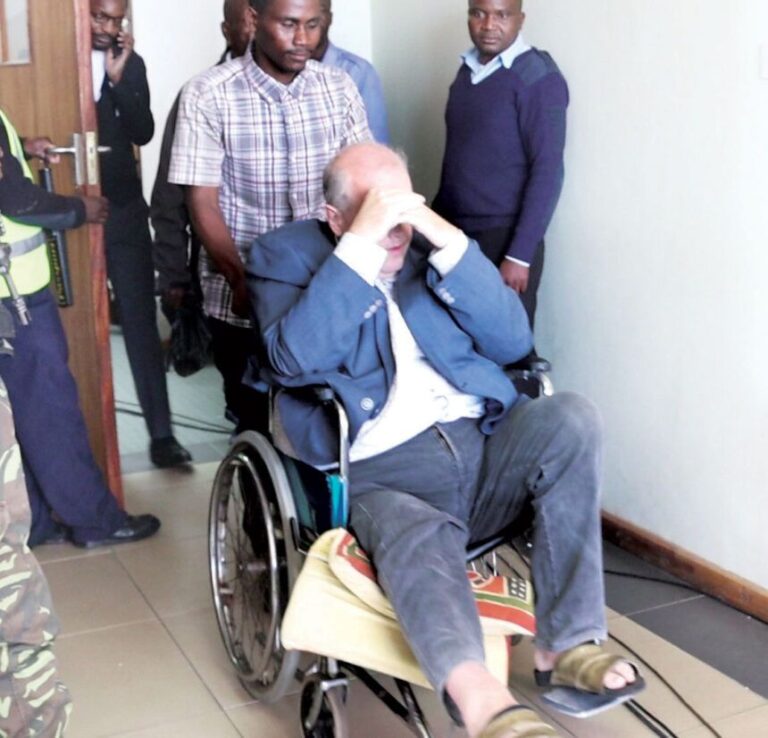
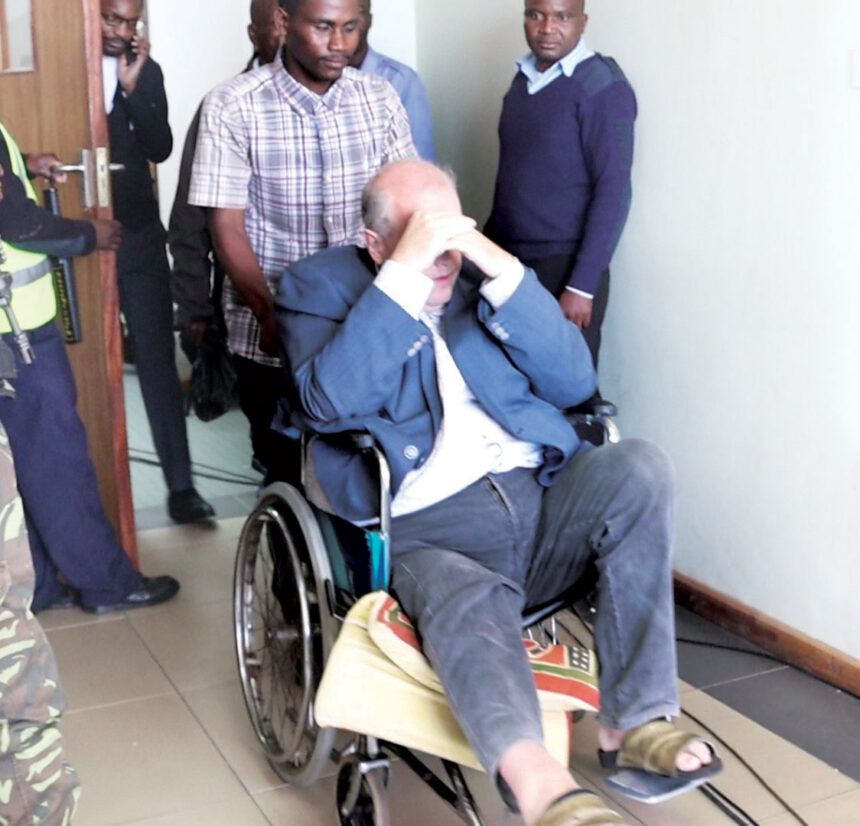
The Chief Resident Magistrate’s Court in Blantyre on Monday April 28,2025,revoked the bail of a Dutch national, Willem Akster accused of sexually abusing students and staff members at Timetheos Foundation.
The decision follows Akster’s failure to appear in court for the scheduled hearing.
The court through chief resident magistrate Paul Chiotcha issued a warrant of arrest for Akster after his defense lawyers requested an adjournment, citing health issues.
Willem Akster
However, the state lawyer, Victor Jere, argued that there was no medical evidence to support this claim, leading the court to revoke Akster’s bail.
The case will resume on May 16, 2025.
Akster was arrested in 2020 and he has been dragged to court for several times.
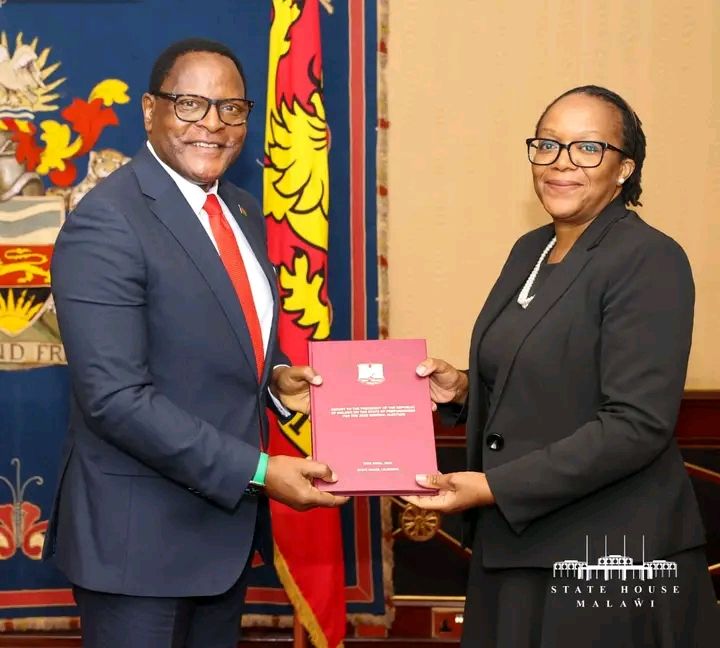
The Malawi Electoral Commission (MEC) has presented a comprehensive report on its preparedness for the upcoming September 16 General Election to President Dr. Lazarus Chakwera.
According to the MEC statement, the meeting was held in accordance with Section 6 (1) of the Malawi Electoral Commission Act, which mandates the Commission to report directly to the President on the fulfillment of its functions and powers.
During the meeting, MEC provided an update on all activities implemented so far in preparation for the general elections. The Commission has been engaging with various stakeholders, including political parties, to ensure a smooth electoral process.
President Chakwera and MEC Chair Mtalimanja
MEC Chairperson Justice Annabel Mtalimanja emphasized the Commission’s commitment to transparency, credibility, and excellence in managing the electoral process.
MEC has conducted a pilot voter registration exercise and has announced dates for supplementary voter registration to address registration challenges.
The Commission has also commenced training programs for Constituency Civic and Voter Education Assistants to educate voters on the electoral process.
Regarding the election management system, MEC has rejected requests for independent ICT auditors to monitor election management systems, citing security reasons. Instead, the Commission plans to engage ICT experts from political parties to verify the election management system. MEC clarified that the transmission of results will be done from constituency and district tally centers to the national tally center.
The Commission is yet to develop a module for results management using Election Management Devices.
MEC has planned a National Elections Consultative Forum meeting for all electoral stakeholders on Wednesday in Lilongwe.
The meeting aims to bring together stakeholders to discuss key issues related to the electoral process and ensure a credible and peaceful election.
Despite the progress made, concerns have been raised about the credibility of the electoral process. Some parties have questioned MEC’s independence, citing the appointment of key officials with alleged ties to the ruling party.
Additionally, there are concerns about unequal resource distribution, with some areas receiving better election technology than others.
MEC Director Sangwani Mwafulirwa assured the public that the Commission remains committed to transparency and will continue providing updates on the electoral process.
He encouraged stakeholders, including political parties and civil society organizations, to remain engaged and support the Commission in ensuring a free, fair, and credible election.
As the September 16 General Election approaches, all eyes are on MEC to deliver a credible and peaceful electoral process.
The Commission’s preparedness and commitment to transparency will be crucial in ensuring the integrity of the election.
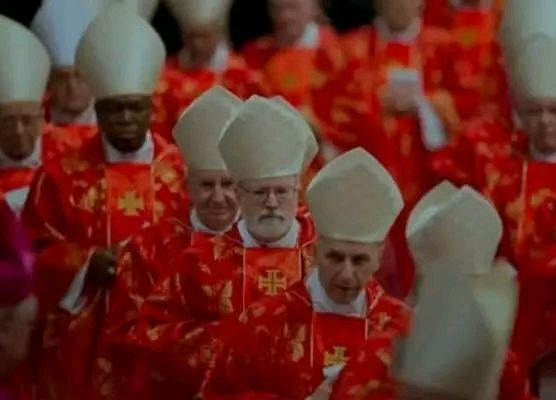
The Catholic Church in Africa is poised to play a significant role in shaping the future of the global Catholic community as 18 cardinal electors from the continent prepare to participate in a conclave.
These high-ranking clergy members, all under the age of 80, will have the privilege of voting for the next Pope.
Ivory Coast has the largest representation in the region with two cardinal electors: Cardinal Jean-Pierre Kutwa, 79, and Cardinal Ignace Bessi Dogbo, 63. The other countries represented include Algeria, Burkina Faso, Cape Verde, Central African Republic, Democratic Republic of the Congo, Ethiopia, Ghana, Guinea, Kenya, Madagascar, Morocco, Nigeria, Rwanda, South Africa, South Sudan, and Tanzania, each with one cardinal elector.
The 18 African cardinal electors who will participate in the conclave are: – Algeria: Cardinal Jean-Paul Vesco, 63 years old, French – Burkina Faso: Cardinal Nakellentuba Ouédraogo, 79 years old – Cape Verde: Cardinal Arlindo Gomes Furtado, 75 years old – Central African Republic: Cardinal Dieudonné Nzapalainga, 58 years old – Democratic Republic of the Congo: Cardinal Fridolin Ambongo Besungu, 65 years old – Ethiopia: Cardinal Berhaneyesus Demerew Souraphiel, 76 years old – Ghana: Cardinal Peter Turkson, 76 years old – Guinea: Cardinal Robert Sarah, 79 years old – Ivory Coast: – Cardinal Jean-Pierre Kutwa, 79 years old – Cardinal Ignace Bessi Dogbo, 63 years old – Kenya: Cardinal John Njue, 79 years old – Madagascar: Cardinal Désiré Tsarahazana, 70 years old – Morocco: Cardinal Cristóbal López Romero, 72 years old, Spanish – Nigeria: Cardinal Peter Ebere Okpaleke, 62 years old – Rwanda: Cardinal Antoine Kambanda, 66 years old – South Africa: Cardinal Stephen Brislin, 68 years old – South Sudan: Cardinal Stephen Ameyu Martin Mulla, 61 years old – Tanzania: Cardinal Protase Rugambwa, 64 years old
The conclave marks a significant moment in the history of the Catholic Church, as it brings together clergy members from diverse backgrounds to elect a new leader.
The process of electing a Pope involves a series of ballots, with a two-thirds majority required for a successful outcome. Cardinals may also choose to change their vote through a process known as “accessus,” where they “accede” to another candidate.
The 18 African cardinal electors bring a wealth of experience and perspectives to the conclave. Fifteen of them were created by Pope Francis, two by Pope Benedict XVI, and one by Pope Saint John Paul II.
Their participation will not only shape the future of the Catholic Church but also reflect the growing influence of African Catholics in the global community.
As the conclave approaches, the world watches with anticipation, recognizing the significance of this moment in the history of the Catholic Church.
The outcome will have far-reaching implications for the Church and its followers worldwide.
In the context of African politics and democracy, the conclave also highlights the importance of leadership and representation.
Just as African countries strive for inclusive and effective governance, the Catholic Church seeks to ensure that its leadership reflects the diverse needs and perspectives of its global community.
The cardinal electors from Africa will undoubtedly play a crucial role in shaping the future of the Catholic Church, as they bring their unique experiences and insights to the conclave.
Their participation will be closely watched, not only by Catholics but also by people around the world interested in the ongoing evolution of the Church.