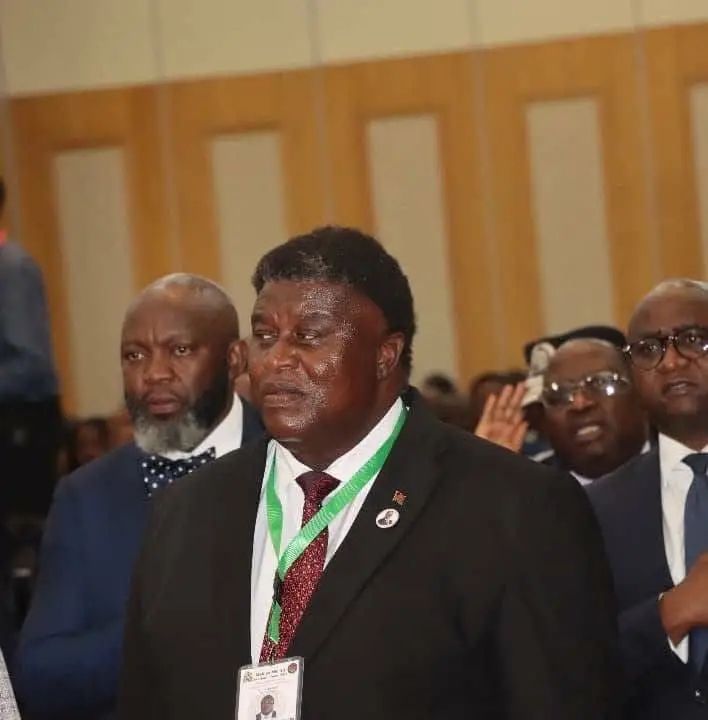
Malawi’s Minister of Mining, Ken Zikhale Ng’oma, has emphasized the importance of investing in the mining sector, describing it as “dreaming in colour” as the country pursues its ambition to become a middle-income nation by 2030.
Speaking at the Malawi Mining Investment Forum in Lilongwe, Ng’oma expressed optimism about the country’s economic transformation under President Lazarus Chakwera’s leadership.
The Minister highlighted significant milestones achieved since the inaugural forum, including the establishment of the Mining and Mineral Regulatory Authority (MMRA) and the Malawi Mining Investment Company.
Dr Ken Zikhale Ng’oma
He also noted the introduction of legal safeguards to protect communities from the environmental impacts of mining and measures to curb smuggling and externalization of precious minerals.
Maxwell Kazako, President of the Malawi Chamber of Mines and Energy, echoed Ng’oma’s sentiments, stating that the mining sector could be a catalyst for economic transformation if local authorities expedite reforms.
“With targeted interventions and reforms, mining can serve as a catalyst for economic transformation for all Malawians,” Kazako said.
However, Kazako also noted that the sector faces challenges, including bureaucratic hurdles and licensing delays, which have limited its growth.
The Malawi Mining Investment Forum, now in its second edition, brings together key stakeholders to discuss the sector’s potential and challenges.
The forum provides a platform for government officials, investors, and artisanal miners to collaborate and find solutions to unlock the sector’s full potential.
The Malawi Congress Party (MCP) primaries have taken an interesting turn, with the spotlight now on Minister of Higher Education, Jessie Kabwira.
Yesterday, her counterpart, Minister Vera Kamtukule, suffered a defeat in the MCP primaries.
Now, all eyes are on Kabwira as she prepares to face the electorate in Salima North today.
Kabwira and Kamtukule share a common thread – both defected from the United Transformation Movement (UTM) to the MCP and hold ministerial positions.
Kabwila challenging the incumbent Enock Phale
While Kamtukule’s defeat has raised questions about the MCP’s appeal to voters, Kabwira’s fate hangs in the balance.
The MCP primaries have been closely watched, with many taking note of the party’s performance in various constituencies.
Kamtukule’s loss has sparked speculation about Kabwira’s chances, given their similar backgrounds and party affiliations.
Kabwira’s campaign in Salima North has been marked by efforts to engage with local communities and address their concerns.
However, the question remains whether these efforts will translate into votes.
The MCP’s internal dynamics and voter sentiment will likely play a significant role in determining the outcome.
The outcome of today’s primaries will have implications for Kabwira’s political future.
A win would likely bolster her position within the party, while a loss could raise questions about her viability as a candidate.
The MCP primaries are an important part of the party’s selection process, and the outcome will shape the party’s prospects in the constituency.
The party’s leadership will be watching closely to see how the primaries unfold and how the candidates perform.
As the electorate heads to the polls, the focus will be on Kabwira’s performance.
Will she be able to buck the trend and secure a win, or will she follow Kamtukule’s footsteps to defeat? The answer will have to wait until the results are announced.
The MCP primaries have generated significant interest, with many stakeholders eager to see the outcome. The party’s performance in Salima North will be closely watched, and the results will likely have implications for the party’s broader strategy.
Kabwira’s fate will be determined by the voters, who will decide whether her campaign efforts have been sufficient to earn their support.
The outcome will provide insight into the party’s strengths and weaknesses in the constituency.
The MCP primaries in Salima North are shaping up to be a crucial test for Kabwira.
Will she emerge victorious, or will she follow Kamtukule’s footsteps to defeat? The outcome will have significant implications for her political future and the party’s prospects in the constituency.
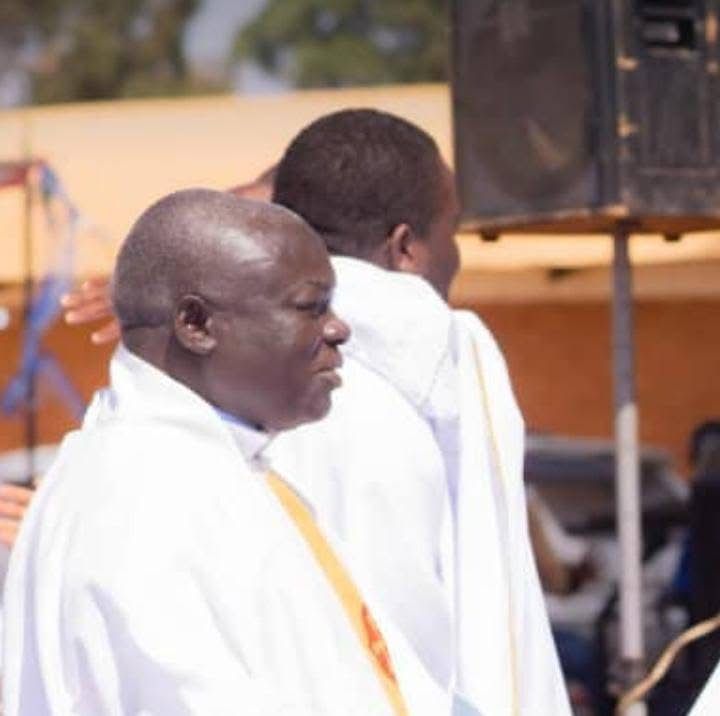
The Malawi Conference of Catholic Bishops (MCCB) has announced the sad news of the passing of Reverend Father Protazio Mantchichi, a devoted priest who served in various parishes in the Diocese of Dedza.
According to Very Reverend Father Valeriano Mtseka, the MCCB Secretary General, Father Mantchichi passed away while receiving medical treatment in Lilongwe.
Born on April 1, 1959, Father Mantchichi was ordained as a priest on August 4, 1991.
Throughout his ministry, he served in several parishes, including Sharpevale, Dedza, Ganya, Bembeke, Nzama, and Chiphwanya.
Protazio Mantchichi,
His dedication and commitment to serving the Lord and his people earned him respect and admiration from his congregation and the wider community.
Father Mantchichi’s passing has sent shockwaves of sadness throughout the diocese, with many mourning the loss of a spiritual leader who had touched their lives through his ministry.
His selfless service and devotion to his faith are an inspiration to many, and his legacy will continue to live on through the countless lives he touched.
The MCCB has expressed its condolences to the family, friends, and colleagues of Father Mantchichi, and to the entire Diocese of Dedza.
In times of grief, the Catholic community comes together to support one another, and the MCCB’s announcement serves as a reminder of the importance of prayer and solidarity in times of need.
Father Mantchichi’s body will be laid to rest on Monday at the Bembeke Cathedral Cemetery, after a Requiem Mass.
The funeral service will be a fitting tribute to a man who dedicated his life to serving others, and will provide an opportunity for those who knew him to pay their respects.
The news of Father Mantchichi’s passing serves as a reminder of the fragility of life and the importance of cherishing the time we have with our loved ones.
As the Catholic community in Malawi mourns the loss of this devoted priest, they will also celebrate his life and legacy, and find comfort in the knowledge that his spirit will continue to guide and inspire them.
Father Mantchichi’s contributions to the Catholic Church in Malawi are immeasurable. Through his ministry, he brought hope, comfort, and spiritual guidance to countless individuals and families.
His dedication to his faith and his people is a testament to the power of faith and the importance of serving others.
As the Diocese of Dedza bids farewell to Father Mantchichi, they take comfort in the knowledge that his legacy will live on through the lives he touched and the memories he leaves behind.
His passing is a loss to the community, but his life and ministry will continue to inspire and guide those who knew him.
In times of grief, the Catholic community comes together to support one another, and the MCCB’s announcement serves as a reminder of the importance of prayer and solidarity in times of need.
As the Diocese of Dedza mourns the loss of Father Mantchichi, they will find comfort in their faith and in the knowledge that they are not alone in their grief.
The funeral service will be a celebration of Father Mantchichi’s life and ministry, and will provide an opportunity for those who knew him to pay their respects.
It will also be a time for reflection and contemplation, as the Catholic community comes together to bid farewell to a devoted priest who will be deeply missed.
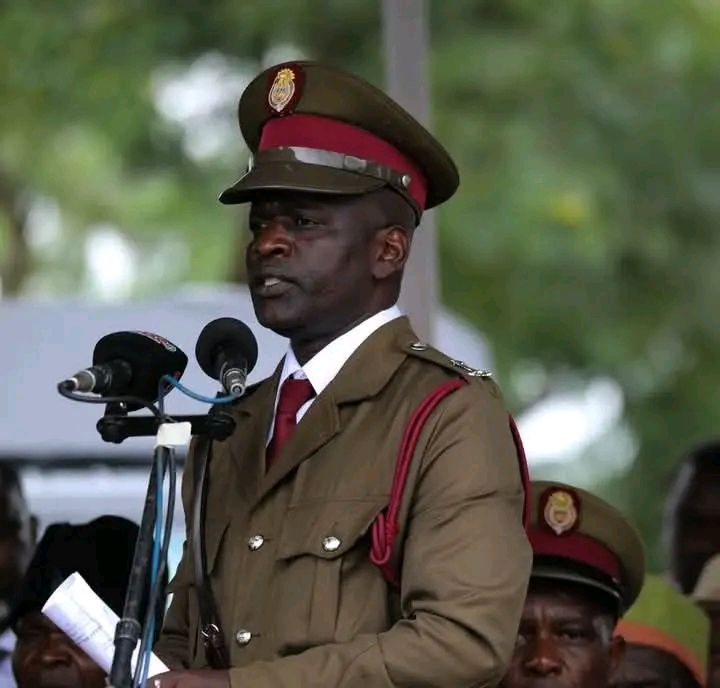
The Malawi Prison Service has responded to a request by the Youth and Society (YAS) to publicly disclose the names and case details of the 21 inmates granted clemency during the 2025 Easter Presidential Pardon.
According to the Prison Service, YAS should redirect its request to the presidential advisory committee responsible for pardon, as it is better placed to deal with the matter.
YAS executive director, Charles Kajoloweka, had given the government 15 days to publicly disclose the names and case details of the pardoned prisoners, warning that secrecy on the matter threatens public trust and violates constitutional obligations.
However, National Prison Spokesperson, Steve Meke, argued that the Prison Service is just responsible for the administration and rehabilitation of inmates, and not for deciding who should be pardoned.
“The presidential advisory committee is the one that is better placed to deal with that issue,” Meke said, adding that,”We are just responsible for the administration and rehabilitation of inmates.”
The secrecy surrounding the list of pardoned prisoners has prompted suspicion and speculation that the government intended to pardon some undeserving prisoners and others serving serious crimes.
Many Malawians are eagerly awaiting the release of the list, hoping that it will provide clarity on the matter.
The YAS request is rooted in the belief that transparency and accountability are essential in matters of public interest.
Kajoloweka’s letter to the government emphasized the importance of disclosing the names and case details of the pardoned prisoners, arguing that secrecy on the matter undermines public trust in the government’s decision-making process.
“The public has a right to know who has been pardoned and why,” Kajoloweka said. “Secrecy on this matter threatens to undermine the public’s trust in the government’s ability to make fair and just decisions,”he added.
The issue has sparked a heated debate, with some arguing that the government has a duty to disclose the information, while others believe that the decision to pardon prisoners is a matter of executive discretion.
The Prison Service’s response suggests that the government may be leaning towards maintaining secrecy on the matter.
The presidential advisory committee responsible for pardon is expected to play a crucial role in determining the fate of the request.
If the committee decides to disclose the names and case details of the pardoned prisoners, it would provide much-needed transparency and accountability.
However, if the committee decides to maintain secrecy, it may fuel further speculation and controversy.
As the debate continues, one thing is certain: the issue of presidential pardons is a complex and contentious one.
While the government’s decision to grant clemency to some prisoners may be motivated by a desire to show mercy and compassion, the secrecy surrounding the list has raised more questions than answers.
In a country where the justice system is often criticized for being opaque and biased, the demand for transparency and accountability is understandable.
The government’s response to the YAS request will be closely watched, and its decision will likely have significant implications for public trust in the government’s decision-making process.
The Malawi Prison Service’s response to the YAS request highlights the complexities of the issue.
While the Prison Service may not have the authority to disclose the names and case details of the pardoned prisoners, the YAS request raises important questions about transparency and accountability in government decision-making.
As the matter continues to unfold, one thing is certain: the public’s right to know is an essential component of democratic governance.
The government’s response to the YAS request will be closely watched, and its decision will likely have significant implications for public trust in the government’s decision-making process.
The issue of presidential pardons is a complex and contentious one.
While the government’s decision to grant clemency to some prisoners may be motivated by a desire to show mercy and compassion, the secrecy surrounding the list has raised more questions than answers.
The YAS request for transparency and accountability is understandable, and the government’s response will be closely watched.
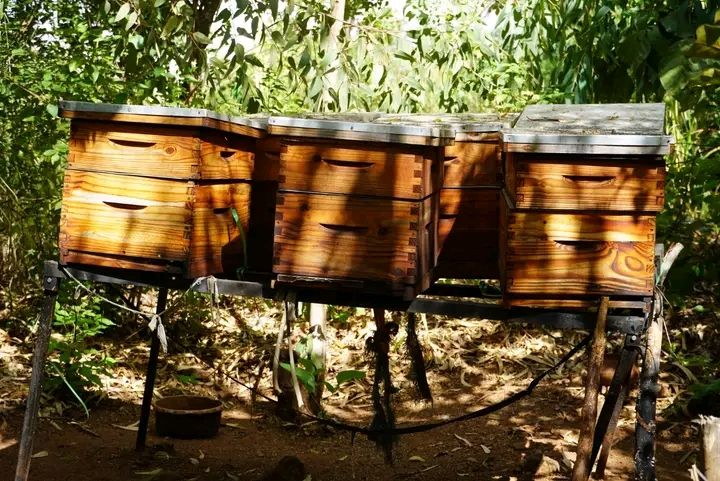
In a bid to promote sustainable livelihoods and reduce pressure on natural resources, African Parks, in partnership with Honey with Heart, has been scaling up beekeeping initiatives in communities surrounding Liwonde National Park and Mangochi Forest Reserve.
The project has not only provided an alternative source of income for local communities but has also contributed to the conservation of the two ecosystems.
Since 2019, the project has distributed 700 beehives to 300 beekeepers, with a total of around 789 beekeepers now operating around the two ecosystem complex.
According to Clement Mnandi, Project Coordinator for Honey with Heart, the initiative has been a game-changer for local communities.
“We are thrilled to see the impact of our beekeeping project on local communities,” Mnandi said, adding that,”Not only are they earning a sustainable income from honey production, but they are also becoming more invested in the conservation of their natural resources.”
One of the beneficiaries of the project is Siginala Yusuf, a beekeeper from Minyanga village in Traditional Authority Jalasi in Mangochi district.
Yusuf’s profit from honey production has grown significantly since she started participating in the project, from K250,000 in 2019 to slightly over K1 million in 2024.
“I am thrilled with the progress I have made through this project,” Yusuf said.
“Beekeeping has not only improved my livelihood but has also given me a sense of purpose and fulfillment,”he added.
The project is not limited to beekeeping alone. According to Shaibu Kadewere, Liwonde Parks Manager, African Parks is promoting other income-generating activities, including goat farming and chili farming, in addition to providing employment opportunities to locals and bursaries to vulnerable students around the two ecosystems.
“Our goal is to create a sustainable and mutually beneficial relationship between the local communities and the protected areas,” Kadewere said, adding that,”By providing alternative livelihoods and supporting local economic development, we can reduce the pressure on natural resources and promote conservation.”
African Parks took over the management of Liwonde National Park in 2015 and Mangochi Forest Reserve in 2018 through a Public-Private Partnership arrangement.
Since then, the organization has been working closely with local communities to promote conservation and sustainable livelihoods.
The partnership with Honey with Heart has been instrumental in scaling up beekeeping initiatives in the area.
The project has not only provided training and equipment to local beekeepers but has also helped to establish a thriving honey industry in the region.
The impact of the project goes beyond just economic benefits. By providing alternative livelihoods and promoting sustainable land use practices, the project is contributing to the conservation of Liwonde National Park and Mangochi Forest Reserve.
This, in turn, helps to protect biodiversity and ecosystem services, which are essential for the well-being of local communities.
As the project continues to grow and expand, it is clear that the partnership between African Parks and Honey with Heart is having a lasting impact on local communities and the environment. With the support of local communities, conservation efforts can be successful, and the benefits of conservation can be shared equitably.
The success of the project serves as a model for other conservation initiatives in the region.
By working together with local communities and promoting sustainable livelihoods, it is possible to achieve conservation goals while also improving the lives of local people.
The beekeeping initiative implemented by African Parks in partnership with Honey with Heart is a shining example of how conservation and sustainable livelihoods can go hand-in-hand.
As the project continues to thrive, it is hoped that it will inspire other conservation initiatives to follow suit and work towards creating a better future for both people and the environment.