Tuesday, December 16, 2025
No menu items!
spot_img
Home Blog Page 582

Tumaini Letu Leads the Charge in Environmental Conservation with Tree Planting Exercise

0

By Shaffie A Mtambo


Tumaini Letu a local organization, has embarked on a tree planting exercise in Dzaleka refugee camp and surrounding host communities. The initiative, supported by World University Service of Canada (WUSC) and Welt Hunger Hilfe (WHH), aims to encourage residents to adopt a culture of tree planting and environmental conservation.

According to Bryce Chawiya, Tumaini Letu’s program officer, trees play a vital role in beautifying nature and improving air quality. Chawiya emphasized the importance of taking care of trees, citing the devastating effects of climate change due to lack of environmental conservation. He urged beneficiaries to prioritize tree care and maintenance to ensure the long-term sustainability of the environment.



The tree planting exercise was commended by Dzaleka refugee camp Manager, Elthon Phulusa, who praised Tumaini Letu for their initiative in restoring the environment and managing the ecosystem of Dzaleka and surrounding communities. Banjamin Kanyenda, Dowa district Assistant Forestry Officer, also highlighted the significance of tree planting in combating deforestation and promoting environmental sustainability.

The exercise was organized under the local theme “Environmental Sustainability,” and it is expected to have a positive impact on the environment and local communities. By promoting tree planting and environmental conservation, Tumaini Letu is taking a proactive approach to addressing the challenges of climate change and ensuring a sustainable future for generations to come.

Floods Wreak Havoc in Mangochi

0

By Shaffie A Mtambo

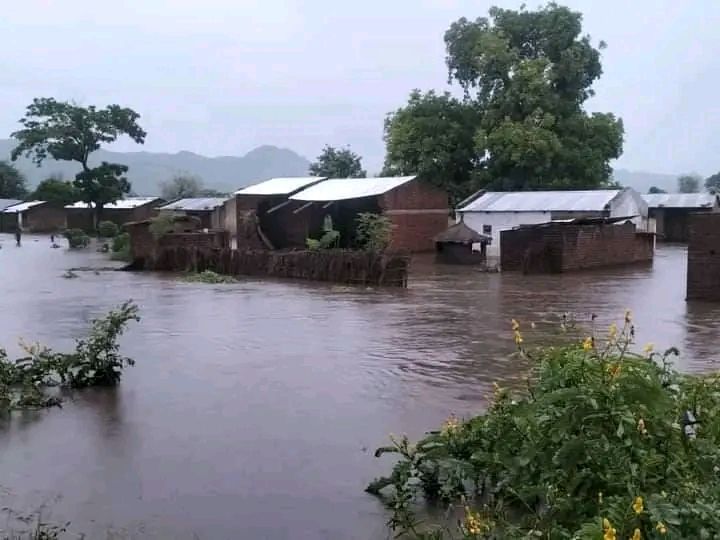
A devastating flood has swept through Mangochi district, leaving a trail of destruction and despair in its wake. The disaster, which occurred between January 31 and February 1, 2025, has affected a total of 1,156 households, resulting in the loss of three lives and injuring 48 people.

According to Bishop Witmos, Information Officer for Mangochi district, the floods have displaced many families, forcing them to seek shelter in temporary camps. Currently, there are three camps hosting the affected households: Mpinganjira primary school, Nesenga Community Day Secondary School, and Changamire primary school.


The camps are providing temporary shelter to a total of 292 households, comprising 1,068 people. Mpinganjira primary school is hosting the largest number of households, with 160 families and a total population of 701 people. Nesenga Community Day Secondary School has 21 households with 67 people, while Changamire primary school is hosting 111 households with a total population of 300.

The floods have affected three Traditional Authorities in Mangochi district: Mapira, Mponda, and Chimwala. The disaster has not only caused loss of life and property but has also disrupted the livelihoods of many families, leaving them in need of urgent assistance.

Malawi Makes Strides in Electricity Access Despite Challenges

0

By Shaffie A Mtambo

Malawi’s Ministry of Energy, led by Ibrahim Matola, has announced significant progress in connecting households to the national power grid. Despite the challenges faced by Malawians regarding electricity, President Dr. Lazarus Chakwera’s administration has successfully assisted 90,000 households in accessing the grid.

However, Matola highlighted that electricity issues have been disrupted by vandalism of electrical equipment. He emphasized the need for Malawians to work together in reporting such crimes to ensure that offenders are brought to justice. Climatic factors have also contributed to power outages, with adverse weather conditions causing Escom’s electric poles to fall.

Matola


The Ministry of Energy is committed to expanding electricity access, with plans to connect an additional 90,000 households by July 2025. Furthermore, 280 health facilities and public schools will be connected to electricity, promoting development and improving the quality of life for Malawians.

The construction of the Mpatamanga Hydropower Project, which will generate 361 megawatts, is also expected to commence soon. This project is a significant development for Malawi, as it seeks to increase electricity access and promote economic growth.

Malawi’s efforts to expand electricity access are part of a broader strategy to promote economic development and improve the quality of life for its citizens. The government’s commitment to connecting more households and institutions to the national power grid is a positive step towards achieving this goal.

As Malawi continues to make progress in electricity access, it is essential for citizens to work together to protect electrical infrastructure and promote sustainable development. By doing so, Malawi can ensure a brighter future for its people and promote economic growth and development.

Hailstorm-damaged schools in Ntchisi await renovation

0

By Burnett Munthali

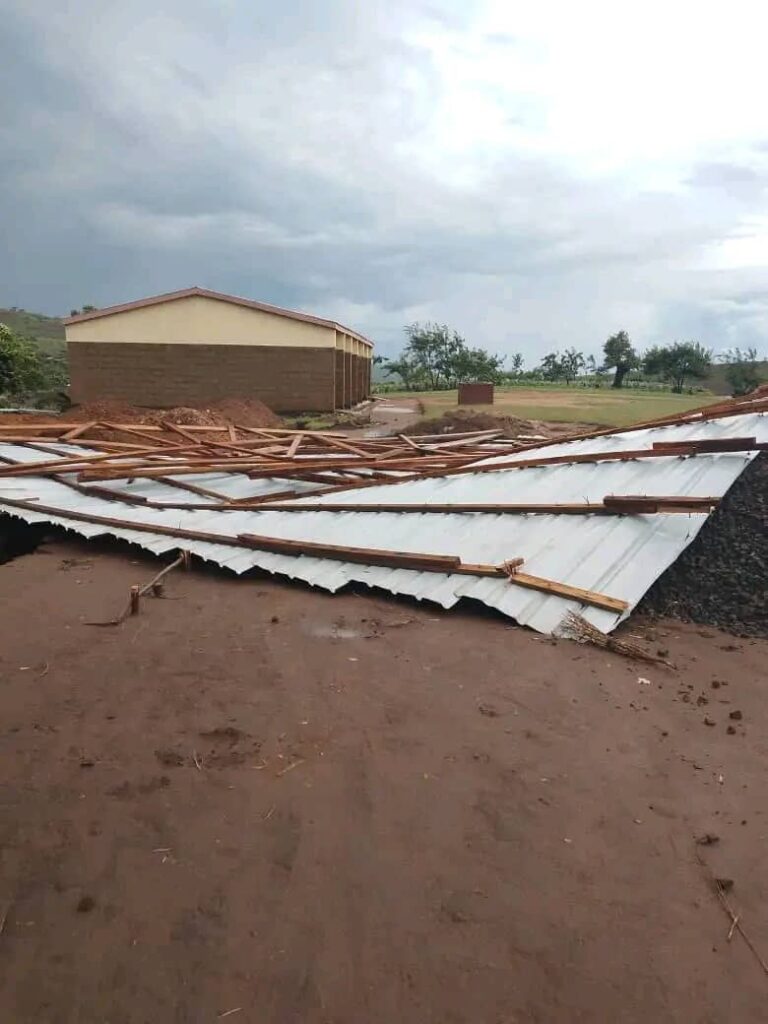
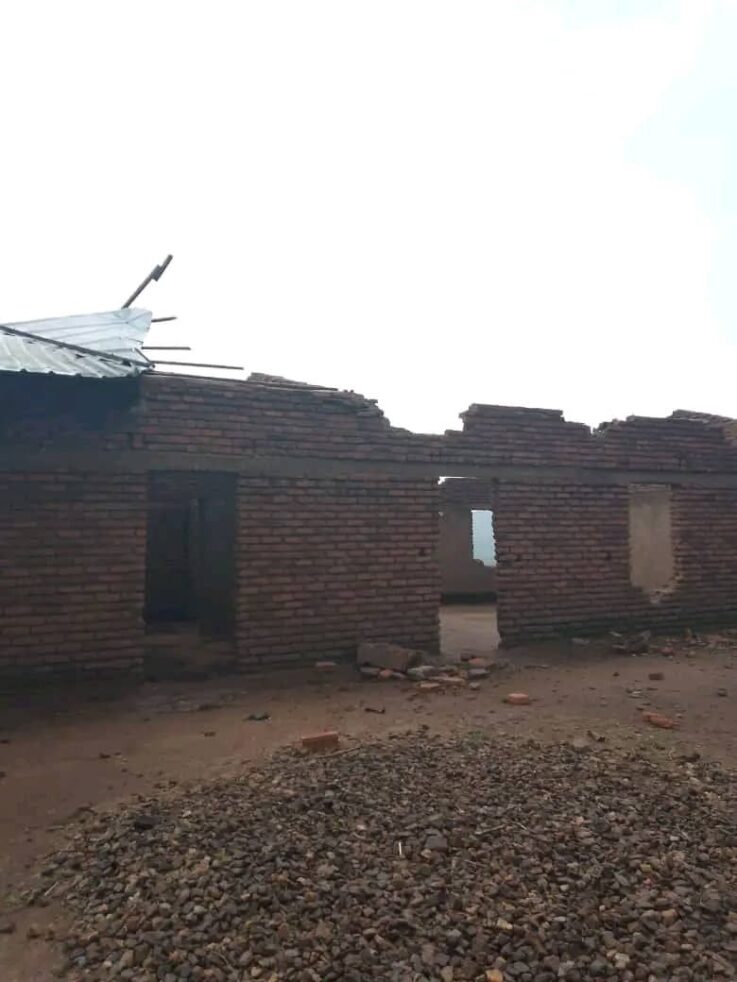
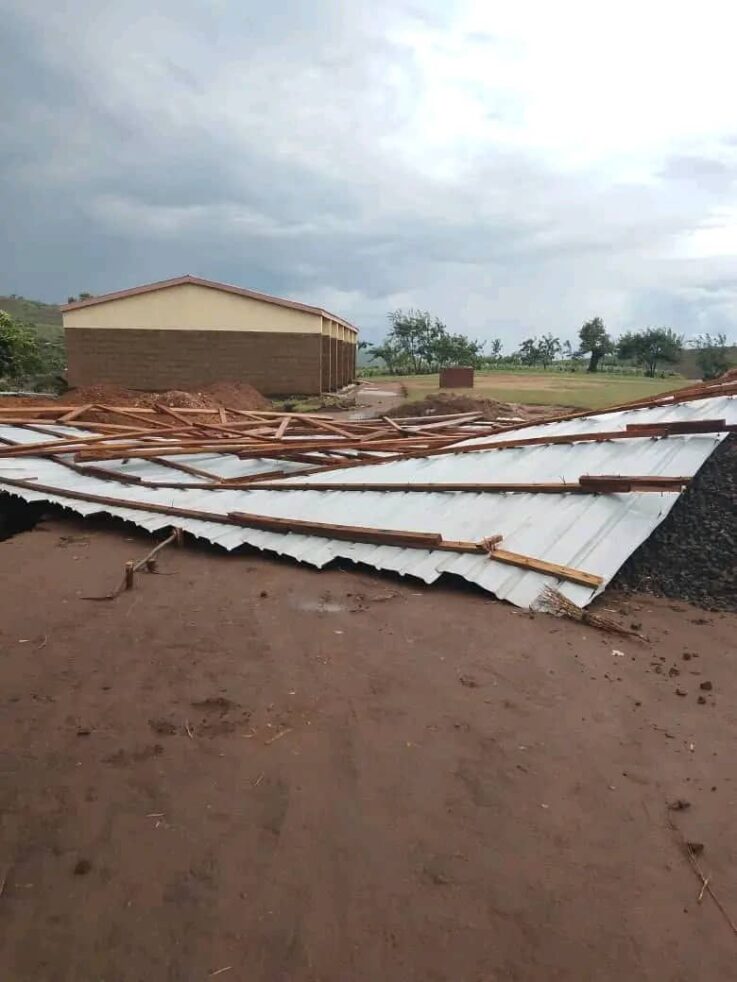
Fourteen primary schools in Ntchisi District remain in a state of disrepair after their classroom blocks were severely damaged by recent hailstorms. Despite the urgent need for restoration, the Ntchisi District Council has yet to take action, raising concerns about the impact on the quality of education for affected learners.

According to District Senior Primary Education Advisor (SPEA) Annie Chazema, the damaged infrastructure is significantly disrupting teaching and learning. With classrooms rendered unusable, many learners are forced to study in overcrowded spaces, makeshift shelters, or even under trees. Chazema emphasized that the longer the delays continue, the greater the risk of learners falling behind in their studies.


“The lack of proper classroom structures is greatly affecting the provision of quality education. We urge authorities to act swiftly so that learners can have a conducive learning environment,” said Chazema.

Meanwhile, the spokesperson for Ntchisi District Council, James Mwale, stated that the council is still in the process of assessing the extent of the damage. He explained that a full report will be compiled before any renovation work begins, but he did not provide a specific timeline for when the repairs might commence.

Educationist Benedicto Kondowe has called on the relevant authorities to treat the matter with urgency, warning that any further delays could have long-term consequences on learners’ academic performance. He stressed the importance of government and stakeholders prioritizing education infrastructure in disaster response efforts.

“There is a need for authorities to move with speed and act on the issue. The longer learners are kept in poor learning conditions, the more their education suffers. We need immediate intervention,” Kondowe said.

Among the affected schools are Sopani, Chinthungwa, Makanda, Chibweya, and Mpherere, with more schools potentially in need of urgent rehabilitation.

As the assessment continues, parents, teachers, and learners remain anxious about the future of their education. Many are calling on the government, development partners, and local organizations to step in and provide support for the reconstruction efforts. Without immediate action, the education of hundreds of learners in Ntchisi remains in jeopardy.

Trump revokes Biden’s security clearance and intelligence briefings

By Burnett Munthali

In a significant and highly controversial move, U.S. President Donald Trump has announced that he is revoking former President Joe Biden’s security clearance and halting his access to daily intelligence briefings. This decision marks a departure from long-standing traditions, where former presidents are typically allowed to receive intelligence updates as a matter of national security and institutional continuity. The move has sparked heated debate, with Trump’s supporters defending it as a necessary security measure while critics view it as an act of political retribution.

Former presidents have historically been granted continued access to intelligence briefings to stay informed about national security matters and to provide counsel if necessary. This practice, however, is not a legal requirement but a courtesy extended at the discretion of the sitting president. Trump’s decision to strip Biden of this privilege signals a break from past norms and raises questions about the role of former presidents in national security affairs.

Biden and Trump


Announcing the decision, Trump justified the revocation by stating that Biden no longer requires access to sensitive intelligence and that providing him with classified information could pose a security risk. He argued that intelligence briefings should be reserved for those in active leadership roles and not for individuals who are no longer in power. Trump’s critics, however, see the move as politically motivated, aimed at diminishing Biden’s influence and further sidelining him from American political affairs.

The decision has been met with mixed reactions. Supporters of Trump argue that it is a necessary step to safeguard classified information, particularly given the ongoing political rivalry between the two leaders. They claim that Biden, as a private citizen, has no functional need for intelligence updates and that restricting his access aligns with national security interests. Some conservative commentators have also pointed out that security clearances should not be granted to former presidents automatically, as policies and threats evolve over time.

On the other hand, Biden’s allies and many within the intelligence community have strongly criticized the move. They argue that former presidents, even after leaving office, often play important roles in global diplomacy and domestic policymaking. Limiting their access to intelligence could hinder their ability to offer informed advice in times of crisis. Furthermore, critics view Trump’s action as setting a dangerous precedent where sitting presidents could use security clearances as a political weapon against their predecessors.

Legal experts have weighed in on the matter, noting that while Trump has the authority to make this decision, it raises concerns about the politicization of national security. Some have warned that if such actions become routine, future presidents could face the risk of having their security clearances revoked immediately upon leaving office, undermining the stability of presidential transitions.

Biden himself has yet to issue a formal response to the revocation, but his allies have called the move unnecessary and vindictive. Some Democratic lawmakers have even proposed legislative measures to ensure that security clearances for former presidents cannot be revoked without a clear and justified national security reason.

As the debate unfolds, Trump’s decision to revoke Biden’s access to intelligence briefings may have lasting implications beyond this specific case. It could redefine the role of former presidents in national security and influence how future administrations handle the issue of security clearances. Whether this move will be seen as a necessary security measure or as a political maneuver remains to be determined, but it is certain to fuel further division in an already polarized American political landscape.