Saturday, April 4, 2026
No menu items!
spot_img
Home Blog Page 6

UDF Fires Back as Fuel Prices Surge, Warns of Growing Economic Pain for Malawians

0


By Rahim Abdul

The United Democratic Front (UDF) has strongly criticized the government following a sharp increase in fuel prices, warning that the move will deepen the economic hardships already facing Malawians.

In a statement released on Wednesday, April 1, the party expressed concern over the jump in fuel prices from K4,965 to K6,600 per litre, describing the adjustment as a heavy burden on ordinary citizens.

UDF argued that the increase will have a ripple effect across the economy, driving up the cost of essential goods and services and worsening the cost of living crisis.

Atupele Muluzi


The party further linked the price hike to the continued weakening of the Malawi Kwacha, saying the currency’s instability is amplifying the country’s economic challenges.

According to UDF, the situation reflects broader structural weaknesses in economic management, which they say require urgent and practical solutions.

As part of its recommendations, the party has urged the government to fully utilize the Nacala Corridor as a strategic route to reduce fuel transportation costs.

UDF believes that improved logistics and efficient use of regional trade routes could significantly ease pressure on fuel prices.

The party also called for greater transparency and accountability from institutions such as the National Oil Company of Malawi (NOCMA), stressing the need for fair and consistent operations.

It emphasized that Malawians deserve clear explanations and policies that address their struggles rather than decisions that intensify economic strain.

UDF warned that without decisive action, the rising fuel costs could trigger broader economic instability, affecting businesses and households alike.

The statement also reflects growing public concern over the rising cost of living, with many citizens already struggling to cope with increasing prices of basic commodities.

As pressure mounts, the party has challenged the government to act swiftly and implement sustainable measures that will protect citizens from further economic hardship.
PAC Urges Love and Unity During the Easter Season

0


By Phillimon Backson

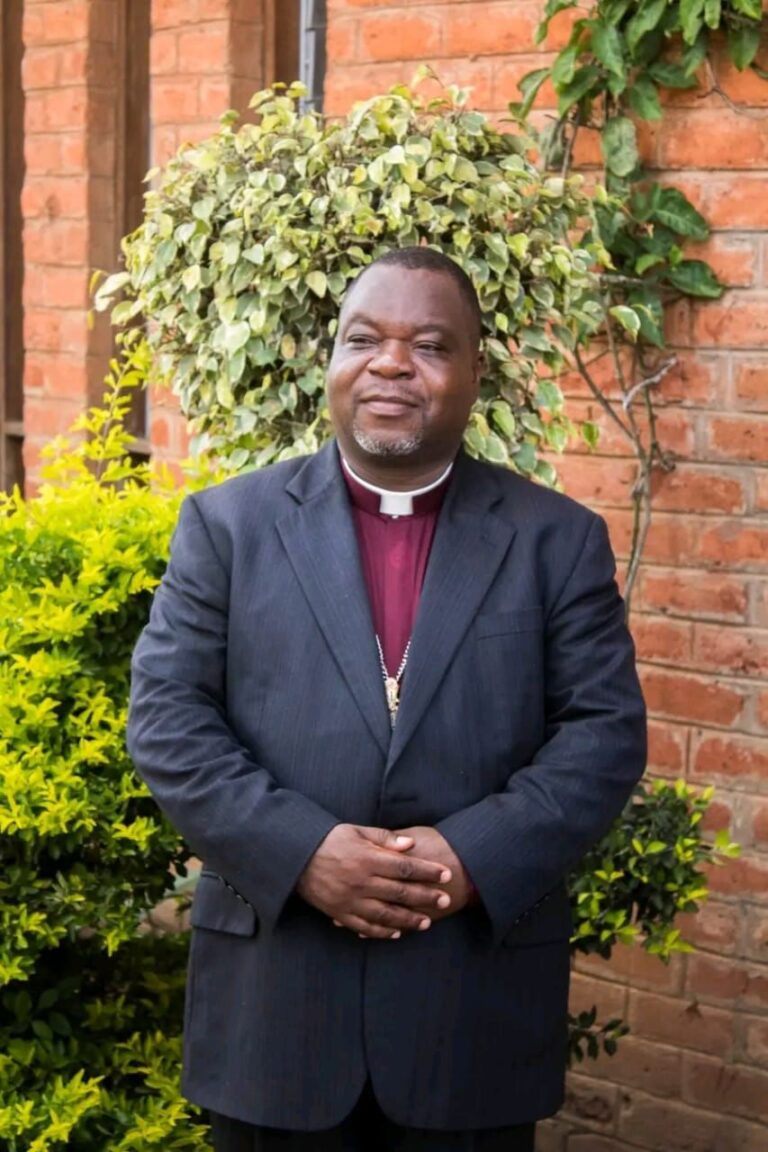
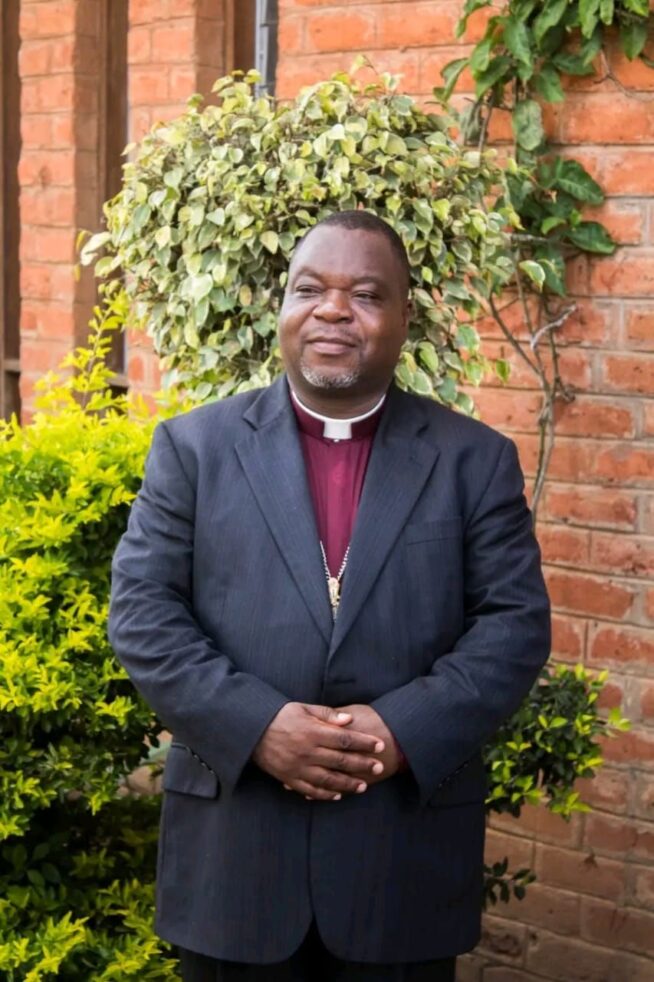
The Public Affairs Committee (PAC) has urged Christians in the country to lead with a spirit of love and unity during this Easter season.

The organization’s spokesperson, Gilford Matonga, said that Christians should engage in acts of compassion, such as helping those in need, following the example of Jesus Christ.

He emphasized that Easter is not only a time of reflection, but also an opportunity for believers to actively demonstrate kindness, forgiveness, and generosity within their communities.

Matonga


Matonga added that people in the country should abandon selfish behavior, including practices such as corruption and fraud, among others.

He noted that such vices continue to hinder national development and erode trust in public institutions.

Lesotho Indipendent Electoral Commission Chairperson John Maphepe in Malawi for Election Study Tour

0


By Phillimon Backson

The Chairperson of the Independent Electoral Commission (IEC) of Lesotho, John Maphepe, is in Malawi on a study tour focused on Information and Communication Technology (ICT), electoral operations, and election logistics.

The visit comes as Lesotho prepares for its general elections scheduled for 2028.

Maphepe says the commission chose Malawi for the tour due to the long-standing relationship between the two countries and Malawi’s notable experience in managing electoral processes.

He expressed optimism that the delegation will gain valuable insights into the administration and management of elections.

John Maphephe


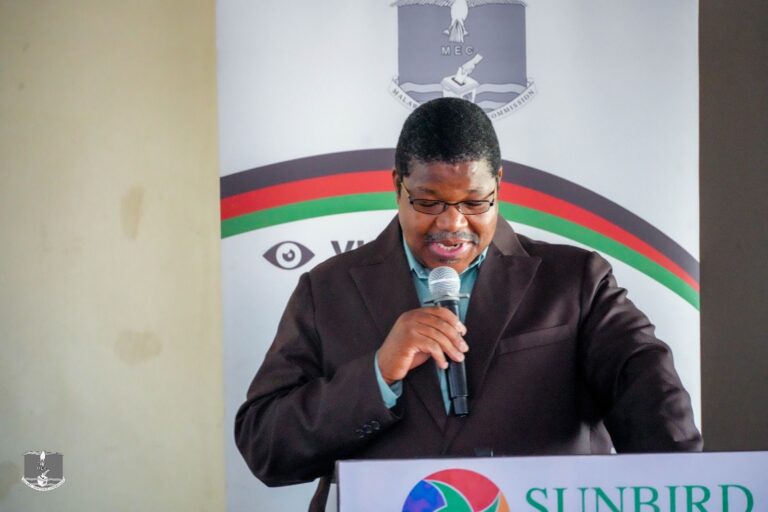
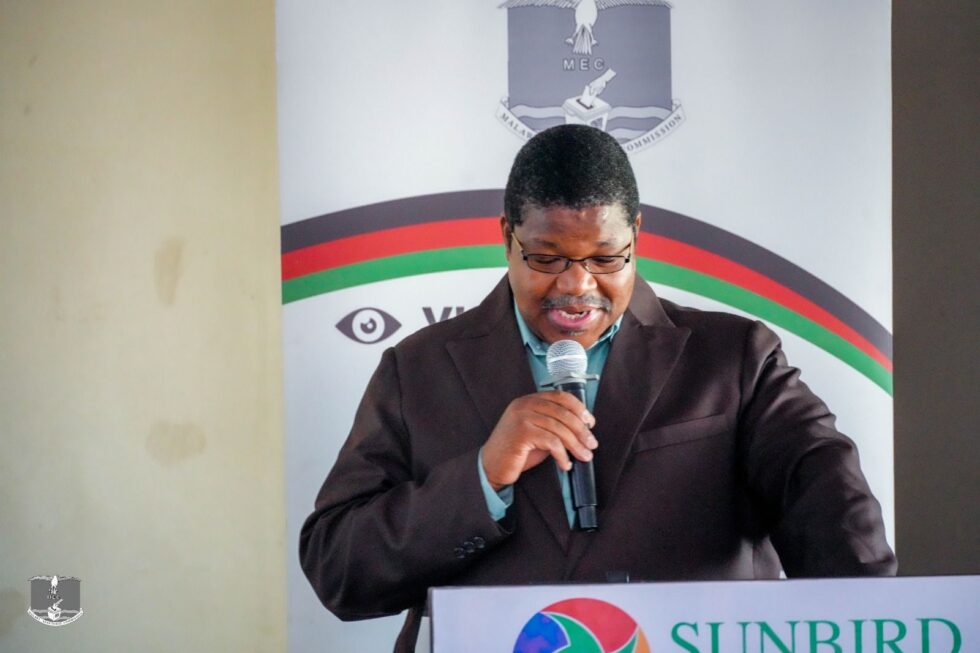
Meanwhile, Chairperson of the Malawi Electoral Commission (MEC), Annabel Mtalimanja, has expressed confidence that the engagement will strengthen cooperation between the two commissions on electoral matters.

Mtalimanja says the interaction provides an opportunity to share experience

Zambia’s presidential history: A legacy of leadership


By Our Reporter

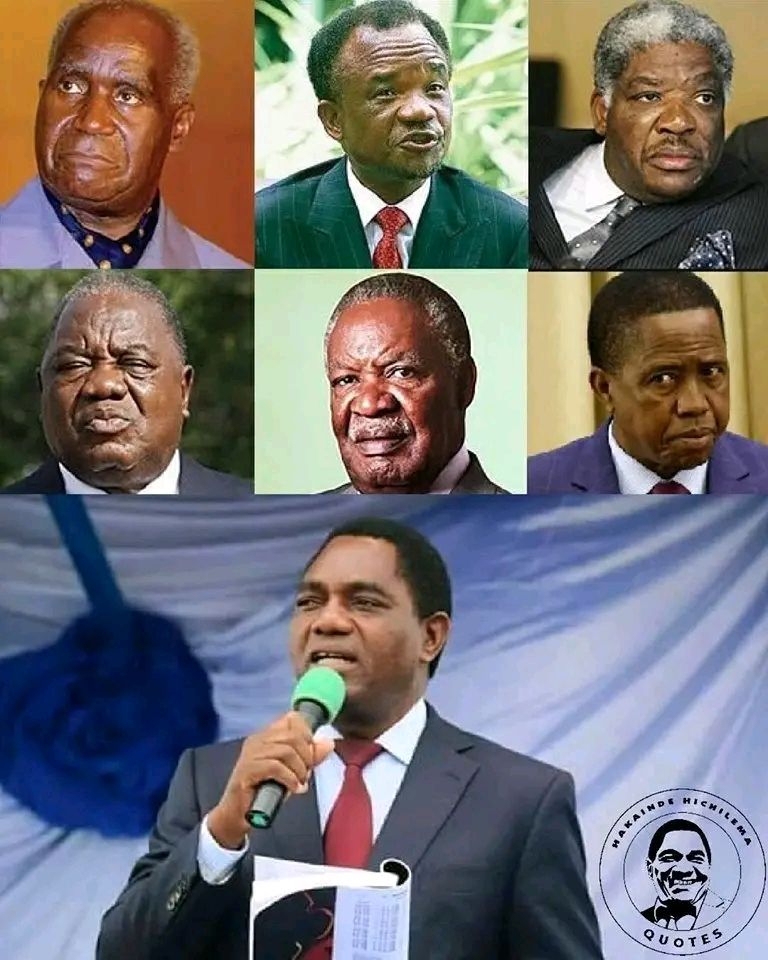
Zambia has had a rich presidential history since gaining independence in 1964, with seven official presidents and one acting president leading the nation.

The first president was Kenneth Kaunda, who led the country from October 24, 1964, until November 2, 1991, playing a crucial role in Zambia’s struggle for independence from British rule. Kaunda’s leadership and charm rallied the people, leading to Zambia gaining its freedom.

Kaunda’s government allowed multiple political parties initially, but he later declared Zambia a one-party state in 1973, citing unity and stability as reasons. During his time in office, Zambia faced economic struggles due to its reliance on copper exports and foreign aid.

Zambian Presidents


In 1991, Frederick Chiluba succeeded Kaunda, introducing multi-party democracy and serving until January 2, 2002. Chiluba’s presidency marked a significant shift towards democratic governance.

Levy Mwanawasa took office on January 2, 2002, focusing on anti-corruption efforts and improving living standards. He served until his death on August 19, 2008.

Rupiah Banda assumed the presidency after Mwanawasa’s death, serving until September 23, 2011. Banda emphasized economic growth and development.

Michael Sata became president on September 23, 2011, initiating infrastructure development projects. Unfortunately, he passed away on October 28, 2014.

Guy Scott briefly served as acting president after Sata’s death, before Edgar Lungu took office on January 20, 2015. Lungu served two terms, focusing on infrastructure expansion.

Hakainde Hichilema, the current president, assumed office on August 24, 2021, prioritizing economic revival and anti-corruption efforts.

*The Office of the Vice President*

The Office of the Vice President supports the President and assumes the presidency if the President is unable to serve. Notable vice presidents include Reuben Kamanga, Simon Kapwepwe, and Mutale Nalumango, the current Vice President.

Ministry of Lands says land registration requires coordinated efforts

0

By Vincent Gunde

The Ministry of Lands, Housing and Urban Development, says registration of land requires coordinated efforts by all stakeholders for all to feel ” My land my wealth- Malo anga chuma changa.

The Ministry is continuing to implement land related reforms through the operationalization of the 2016 land laws, their 2022 amendments and other related registration.

It is supporting several projects that are implementing land tenure security, interventions in the country in areas of land governance, land registration, land laws awareness, capacity building, and land information management system operationalization.

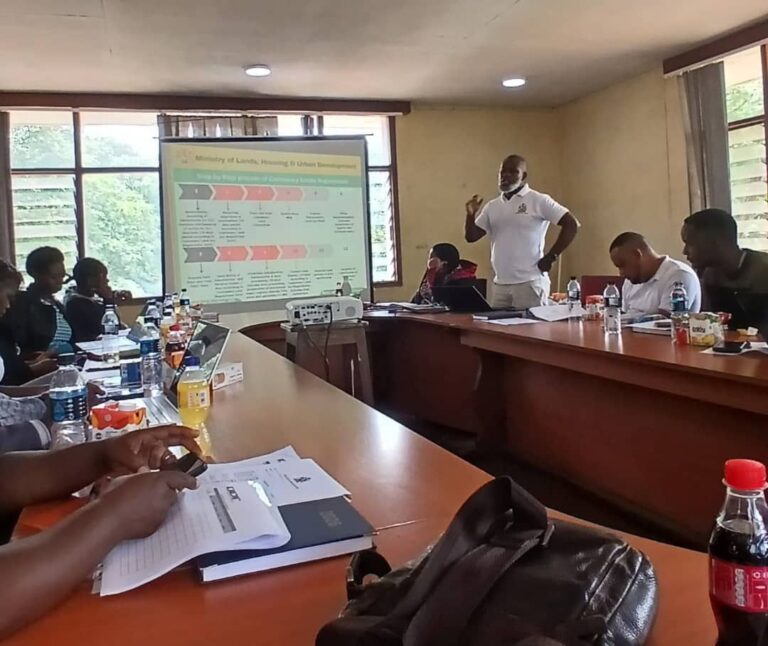
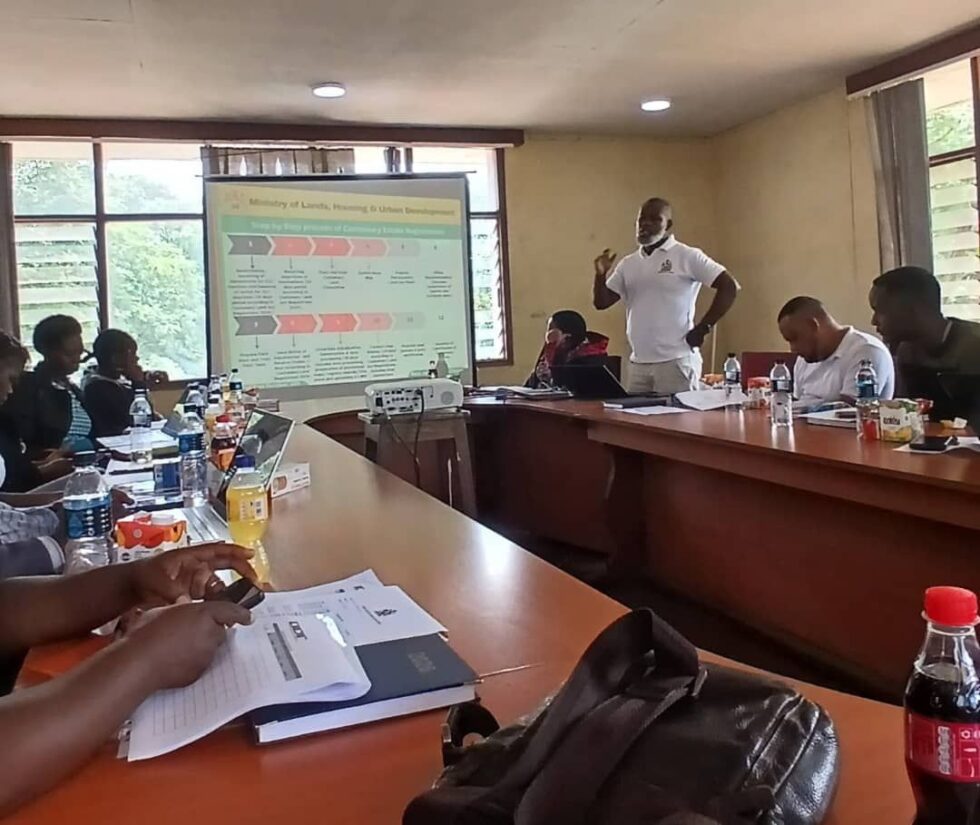
Wisdom Bwanali- Presenting ” Malo anga chuma changa” in Dowa district.


Briefing the District executive committee (Dec) in Dowa on AGCOM 11 Customary Land Registration, the Ministry’s Land use planning Specialist in the Land Reforms implementation Unit Wisdom Bwanali, said land registration provides communities and households with formal recognition of their land.

Bwanali said land registration reduces risks of land grabbing, encroachment or disrupt as well as strengthening confidence for long term  investments in land related conflict resolution, economy, empowerment, and recognition of customary rights.

He said land registration improves land management and provides social benefits which in the end enhances trust between communities and government.

The Specialist said  District executive committee (Dec) plays a critical role in ensuring that the customary land registration process is done in conformity with the applicable laws.

He said Dec is their to ensure that there is coordination, oversight, and advisory roles in the customary land registration processes and aligning customary land registration with District Development Plans ( DDP).

Bwanali said Dec is there to monitor adherence to procedures and legal requirements, providing technical guidance to Traditional Authorities and Community Land Committees, mobilsing and sensitizing communities to participate in land registration.

” Dec on customary land has a role to play to ensuring that there’s conflict prevention, monitoring and reporting,” he said.

However, Bwanali said customary land registration is facing challenges such as mobility, community awareness and participation gaps, land ownership and boundary disputes, institutional capacity, sustainability, and coordination, among others.

In her remarks, Dowa District Council’s Director of Planning and Development Mercy Mpakule, urged all stakeholders in the district to work hand in hand with the Ministry of Lands to ensuring that Customary Land Registration in the district is a success.