Music producer cum singer-songwriter Stich Fray has become the latest musician to relocate to the capital city, Lilongwe from Blantyre.
The artist said he has made the decision to move to Lilongwe to explore new business opportunities.
” I have been in Blantyre for so many years and I have worked as a producer for so many artists for more than a decade. Time has come for me to experience another business environment and I have already set up my studio here in Lilongwe,” said Stich Fray.
Stich Fray
The artist further revealed that the studio has been established in Kawale township and he has maintained its name ‘D &T Records’.
He then called on artists in the capital city to start contacting him for recording sessions and promised to continue producing good quality music.
Some notable artists who also permanently relocated to Lilongwe from Blantyre include gospel musicians Evance Mereka, Lloyd Phiri and Shamah Vocals.
Stich Fray real-name Steven Chibwazi started his music career in 2008 as a member of a Dance hall Group called Afarisi but hogged the lime light as a solo artist after releasing his first single “4 minus 3” in 2013
At D&T records studio, which was initially located in Chirobwe township in Blantyre, Stich Fray worked with many popular artists including Patience Namadingo, Phyzix, Barry One, NesNes and the defunct Trap Squad.
Higher Education Minister, Dr. Jessie Kabwila, on Wednesday visited private owned Exploits University Campus in Lilongwe, as part of her on-going efforts to assess and enhance the quality of higher education institutions in the country.
During the visit, Kabwila inspected the university’s facilities to ensure they are in good condition and meet the required standards for higher learning.
Jessie Kabwila
The minister also took time to interact with students, encouraging them to take an active implementation of the Malawi development blueprint – Vision 2063 Agenda.
During her visit, she addressed several key issues concerning student education, welfare, and institutional development.
In her speech, Kabwila emphasized the importance of ensuring that students receive quality education in a conducive learning environment.
Kabwila said she decided to embark on a journey to visit higher education institutions to evaluate how higher education is being administered.
Kabwila has since promised to enhance collaboration between government, and private and public universities to improve the overall higher education sector in Malawi.
Kabwila’s initiative signals the government’s commitment to improving education standards in the country and also fostering closer ties between government and institutions of higher learning.
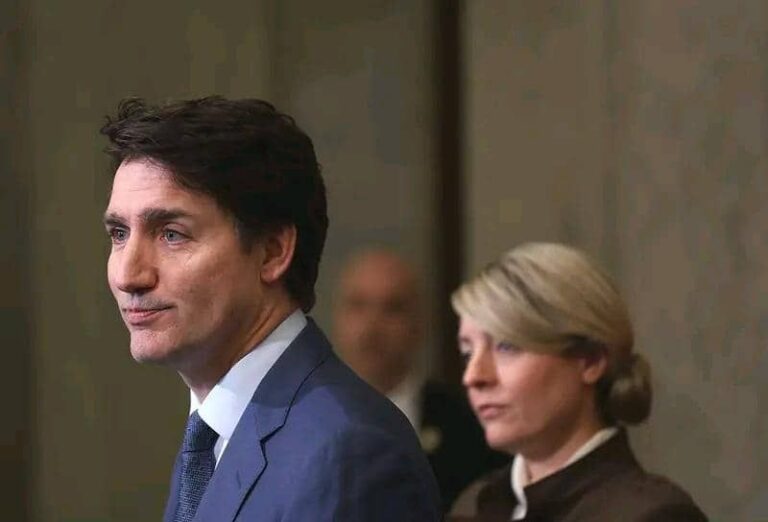
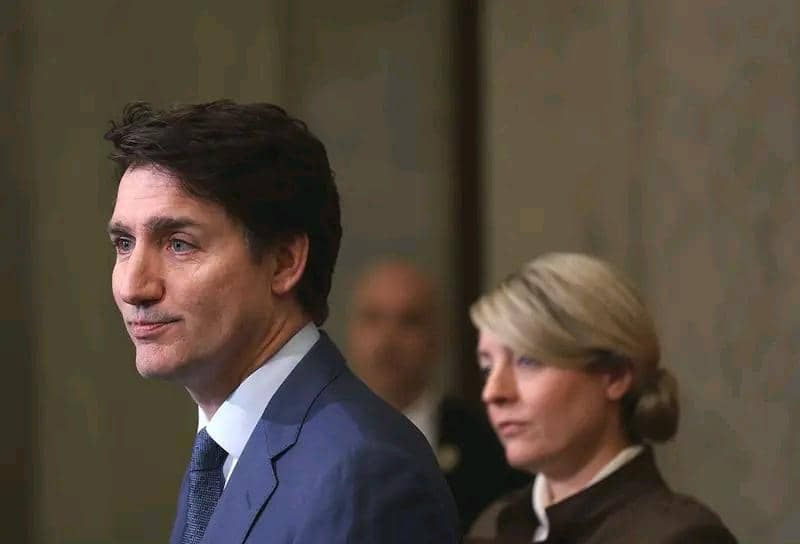
Canada, Mexico, and China have all announced plans to impose retaliatory tariffs on American goods following the latest round of trade restrictions by U.S. President Donald Trump.
The announcement came after the United States unilaterally raised tariffs on imports from its three largest trading partners, triggering a fresh wave of tensions in global trade.
On Tuesday, the U.S. imposed 25% tariffs on exports from Mexico and Canada, its two biggest trading partners, escalating economic friction with its closest neighbors.
At the same time, Washington doubled an earlier 10% tariff on Chinese imports, raising it to 20%, in a move aimed at intensifying economic pressure on Beijing.
Despite Mexico and Canada implementing strict measures to curb illegal migration and drug trafficking as per Trump’s demands, the White House proceeded with the tariff hikes, disregarding diplomatic efforts to avoid confrontation.
The financial markets responded swiftly to Trump’s decision, with all three major U.S. stock indexes experiencing sharp declines.
As trading commenced on Tuesday, each index dropped by approximately 2%, reflecting investor anxiety over the economic implications of an escalating trade war.
President Trump, however, remained resolute, acknowledging that the tariffs might cause temporary economic hardship for American consumers and businesses.
He argued that while prices on imported goods might rise in the short term, the tariffs would ultimately incentivize corporations operating in Canada, Mexico, and China to relocate their manufacturing plants to the United States.
By doing so, Trump claimed, these companies could circumvent the tariff burden and enjoy unrestricted access to the U.S. market.
In an emphatic declaration on his Truth Social platform, Trump wrote in all capital letters, “IF COMPANIES MOVE TO THE UNITED STATES, THERE ARE NO TARIFFS!!!”
His statement underscored his administration’s broader strategy of using economic pressure to drive investment back into the domestic economy, despite the mounting backlash from trading partners.
With retaliatory measures from Canada, Mexico, and China now on the horizon, the global trade landscape faces heightened uncertainty, leaving businesses and policymakers bracing for further economic turbulence.
By Vincent Gunde A Pan-Africanist and Revolutionary leader Bantu Saunders Jumah, has called for the need of new Revolutionaries to fit into the shoes of the departed second generation of Revolutionaries for a true liberated and economic freedom of Africa.
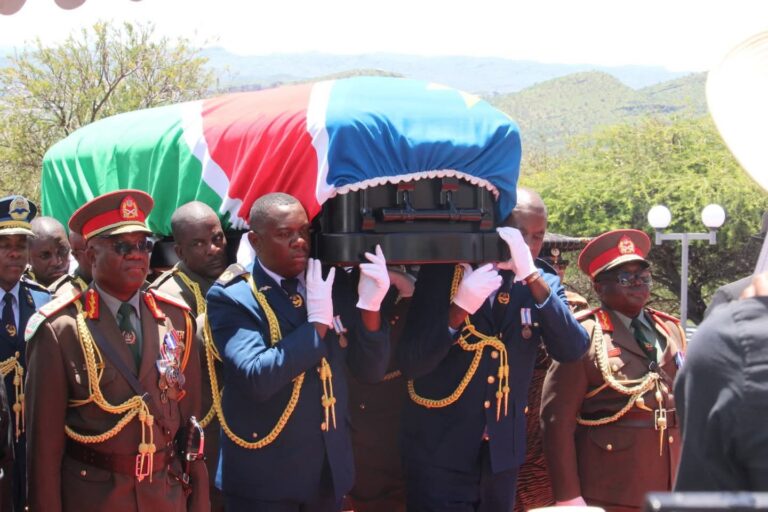
Jumah said on 1st March, 2025 Africa witnessed the lowering of the remains of Namibian liberation struggle icon Sam Nujoma who has followed the faces of Patrice Lumumba, Sekou Toure, Kwame Nkrumah, Robert Mugabe, Samora Machel Isidiore Thomas Sankala, Bantu Steve Biko and Edwardo Mondlane.
The late Nujoma remains
He said Very Important Persons (VIPs) sat side by side with everyone to bid farewell to their colleague, friend, liberator, freedom fighter of the second generation of Revolutionaries, Sam Nujoma has gone and has closed the generation that gave independence and freedom of Namibia.
Writing in a statement, Jumah said much in the heart of the departed hero of Namibian nation was not only Namibian freedom and independence but the entire Africa saying in the entire southern African region, it is only Namibia that fly two flags and sing two Anthems, the Namibian Anthem and African Union Anthem.
Jumah said Sam Nujoma was a Comrade, veteran, hero and freedom fighter who really wanted to see a united Africa saying it is in his country where foreigners will not be scrutinized when they are on the roads or streets.
He said it is in Namibia where if one is caught without valid Visas or Passport, they only check whether one has a return ticket or means of going to his or her country and he is set free saying this is a country where undocumented foreigners live in peace, roam around without the harassment by the police.
The Revolutionary said if all African nations could copy the lifestyle and governance of this departed soul -Sam Nujoma, Africa was indeed going to be united soon hence the need for new Revolutionaries to fit into the shoes for a true liberated and economic freedom of Africa.
He said now that Africa has opened eyes realizing that European and American interests in Africa are not for the well-being of Africans but what the nation has, the 3rd generation of Revolutionaries is and must be born.
Jumah said the white settlers of South Africa, Namibia, Zimbabwe and other nations who hold African citizenship are cautioned to start thinking alike that time has come to correct the mistakes and errors committed by the colonial occupiers.
“To South African, Namibian, and Zimbabwean settlers, do not be afraid, let us sit around the table and seek the justice about our land and resources,” said Jumah.
He said the world must know that Africa is going nowhere, its people are part of the world but not of the world claiming that this is the new war of liberation, Africa is pursuing to make its fallen heroes rest in eternity.
He has finally assured the colonizers and colonial occupiers that there will be no peace in the world until Africa and Africans are totally and genuinely free saying the journey continues, and the Revolution is the High way, it is not over until it is over, in a game of pool, one will not win until the Black Ball is sunken.
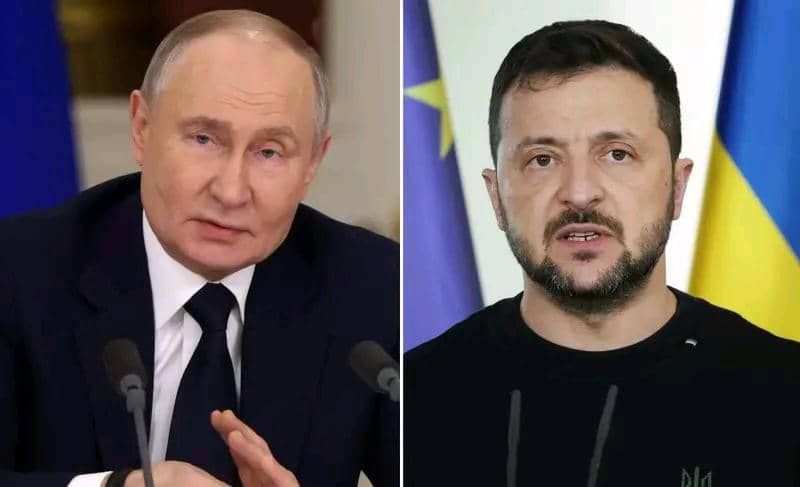
In the third year of the ongoing conflict in Ukraine, financial allocations by the European Union have come under intense scrutiny.
Reports indicate that the EU expended approximately $23 billion on Russian oil and gas during this period, surpassing the $19.6 billion in financial aid extended to Ukraine in the previous year.
This disparity has raised concerns among policymakers and analysts, suggesting that the EU’s continued procurement of Russian fossil fuels may inadvertently finance the Kremlin’s military endeavors.
Such actions seemingly counteract the sanctions imposed on Russia since the conflict’s inception.
The situation has also influenced diplomatic relations.
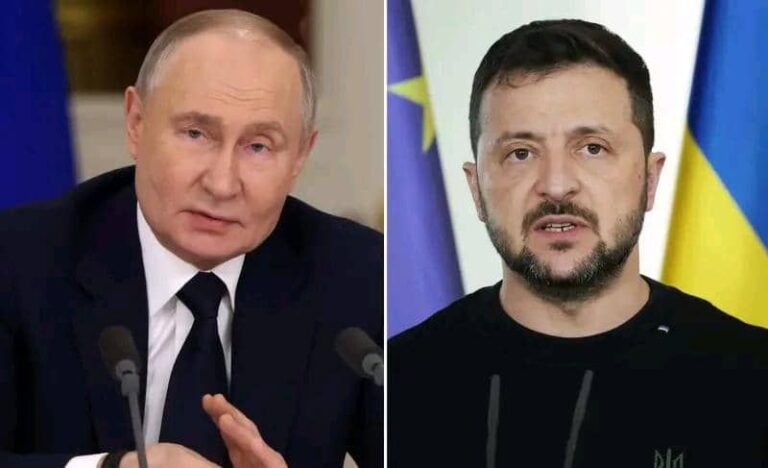
A recent tense exchange between U.S. President Donald Trump and Ukrainian President Volodymyr Zelensky resulted in Zelensky’s abrupt departure from the White House.
This incident left a significant mineral rights agreement between the U.S. and Ukraine unsigned, further complicating international support dynamics.
European leaders, in response to mounting criticism, have reiterated their commitment to Ukraine.
Initiatives such as the “coalition of the willing,” proposed by UK Prime Minister Keir Starmer, aim to bolster support for Ukraine.
However, these plans face challenges, including Europe’s limited defense capabilities and reliance on U.S. military support.
The ongoing conflict has also strained U.S.-Ukraine relations.
President Trump has suspended military aid to Ukraine, citing concerns over Europe’s dependence on American support.
He has called on European nations to take a more active role in ensuring peace and stability in the region.
In summary, the EU’s financial engagements during the third year of the Ukraine conflict have sparked debate.
The contrast between funds allocated for Russian energy imports and aid to Ukraine underscores the complexities of international diplomacy and economic interests amidst ongoing geopolitical tensions.