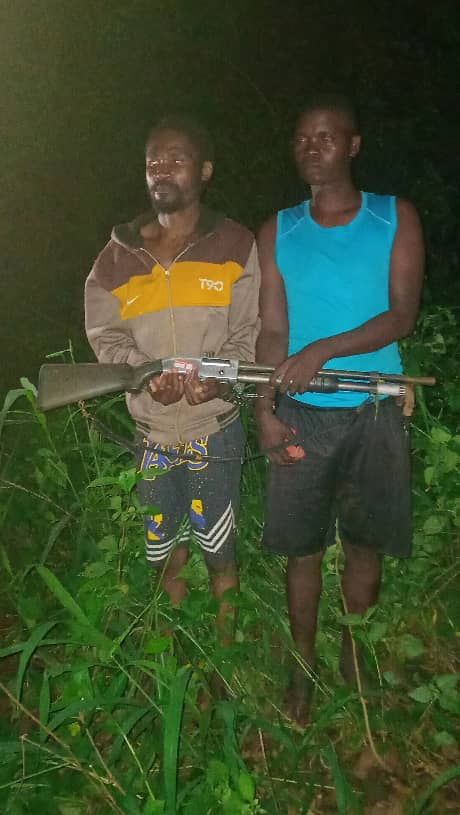
Lilongwe Police is keeping in custody two men suspected to have been involved in the robbery at Malembo Admarc in Kasiya, where criminals stole a pump gun and a cash chest containing at least K7 million on January 29, 2025.
Police have so far recovered the pump gun within Malembo graveyard.
The suspects have been identified as Maupo Chalemera, 38, and Innocent Banda, 29.
On the said night, a group of criminals tied up a security guard, robbed him of a pump gun, and later broke into a marketing officer’s office where they stole a cash chest that contained at least K7 million.
Following investigations by detectives, police arrested Chalemera in Kasiya, and Banda in Mtsiriza location.
Upon interrogation, the suspects admitted to taking part in the robbery, and led detectives to Malembo graveyard where the pump gun was hidden.
The suspects will appear in court soon to answer a case of robbery.
Maupo Chalemera comes from Salamba Village, Traditional Authority (T/A) Chiwaula, Lilongwe, while Innocent Banda hails from Makwangwala Village, T/A Makwangwala in Ntcheu District.
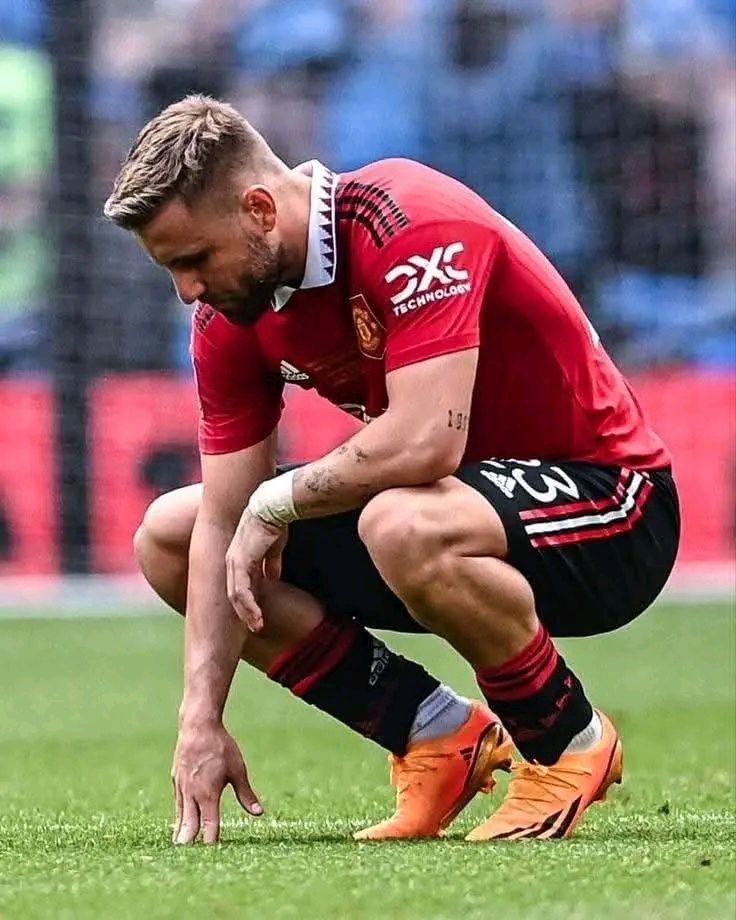
Manchester United defender Luke Shaw has been plagued by injuries throughout his career, missing a staggering 330 games for club and country since 2015. The English left-back has shown glimpses of his exceptional talent, but his inability to stay fit has hindered his progress and raised concerns about his long-term prospects.
Shaw’s injury woes began in 2015 when he suffered a double fracture in his leg during a Champions League match against PSV Eindhoven. The injury kept him out of action for several months, and he has struggled to regain his consistency and form since then.
Luke Shaw
Despite his injury problems, Shaw has remained a key player for Manchester United and the English national team. However, his frequent absences have forced his managers to rely on other players, limiting his opportunities to establish himself as a regular starter.
Shaw’s case highlights the challenges faced by professional footballers who struggle with injuries. The physical demands of the sport, combined with the pressure to perform at a high level, can take a toll on a player’s body. In Shaw’s case, his injuries have not only affected his career but also raised questions about his durability and ability to withstand the rigors of the sport.
As Shaw continues to work towards regaining his fitness and form, he will be aware that time is running out to fulfill his potential. With Manchester United and England competing at the highest level, Shaw will need to prove himself as a reliable and consistent performer to justify his place in the team.
The Malawi National Women’s Football Team, The Scorchers, have secured two friendly matches against Zambia, scheduled to take place on February 20th and 23rd, 2025. The matches will be played in Zambia during the February Women’s FIFA Window.
The Scorchers were initially set to face the Republic of the Congo in the 2026 WAFCON qualifiers, but Congo withdrew from the competition due to lack of preparation. Malawi’s Coach Lovemore Fazili has welcomed the opportunity to play against Zambia, citing the importance of assessing his full squad.
“These two games are very important because we are looking for our strengths and weaknesses,” Fazili said. “We have to taste ourselves on where we stand, and the games are coming at the right time.” Fazili emphasized that while winning is a priority, the matches will also serve as a development opportunity for the team.
The Scorchers will begin their preparations with a local camp in Blantyre on February 7th, 2025, before being joined by foreign-based players. The team’s objective is to improve in all areas, with a particular focus on goalkeeping and defense.
The friendly matches against Zambia will provide valuable experience for the Scorchers as they prepare for their next AFCON qualifiers match against the winner of the Zimbabwe and Angola tie in October. A win in that match would secure Malawi’s debut appearance at the AFCON tournament.
The Youth and Society (YAS) organization has raised concerns that youth issues in Malawi are not receiving the attention they deserve due to youth leadership positions being occupied by individuals who do not fall within the youth age bracket. This, according to YAS, is one of the key factors limiting meaningful youth participation in governance and decision-making processes.
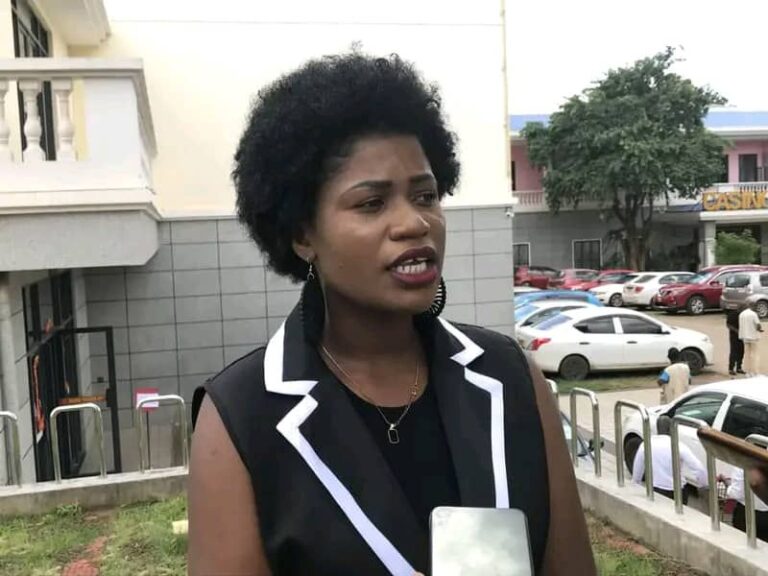
Speaking in Lilongwe during a consultation workshop on the development of the 2025-2030 National Youth Manifesto, YAS Programmes Coordinator for Human Rights and Civil Society Strengthening, Mwandida Theu, emphasized that the lack of a clear understanding of who qualifies as a youth has significantly hindered youth engagement. She noted that many leadership positions meant for young people are often taken by older individuals, making it difficult for youth to have direct representation and influence on matters affecting them.
Mwandida Theu
Theu stressed the importance of ensuring that youth leadership roles are occupied by actual young people, stating, “If we want to see meaningful youth participation, we must first define who a youth is and ensure that those in youth positions truly represent the demographic they claim to serve.”
The issue of youth representation was further highlighted by Primacy Consulting Managing Director, Ernest Thindwa, who presented findings from an evaluation of the 2019-2024 Youth Manifesto. According to Thindwa, out of the five major political parties in Malawi, only one has a youth director who falls within the appropriate age bracket as per the current youth definition. This, he argued, demonstrates a lack of commitment by political parties to genuinely empower young people.
Thindwa pointed out that political parties often use youth structures as a front, while real decision-making power remains in the hands of older individuals. He urged parties to take deliberate steps to involve young people in leadership, not just as foot soldiers but as decision-makers.
Meanwhile, Malawi Congress Party (MCP) Director of Youth, Baba Steven Malondera, acknowledged that many young people have distanced themselves from active politics, leaving leadership positions open for older individuals. However, he challenged Malawian youth to reclaim their space in political and governance structures.
“The truth is that youth have chosen to stay away from active politics, but it is time they step up and take what rightfully belongs to them. If they do not participate, others will continue making decisions on their behalf,” Malondera said.
The ongoing consultations for the 2025-2030 National Youth Manifesto are aimed at identifying key areas of concern for young people and proposing strategies to enhance their involvement in national development. YAS and other stakeholders are advocating for clear policies that ensure youth leadership positions are held by individuals who genuinely represent the youth population.
As the conversation on youth participation continues, it remains crucial for young people to demand their space in leadership, while political parties and institutions must be held accountable for ensuring true youth representation in decision-making processes.
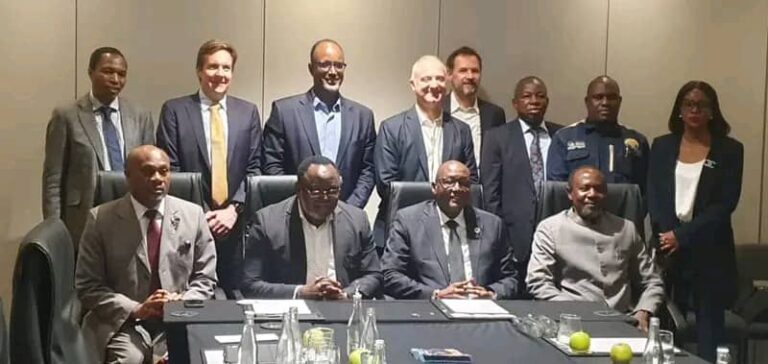
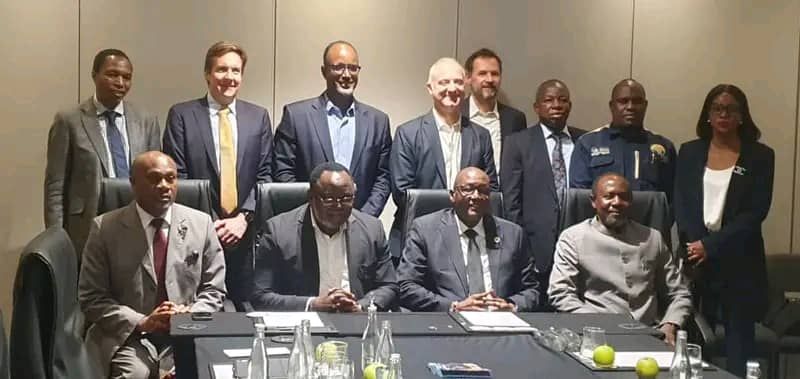
The Minister of Mining, Kenneth Zikhale Ng’oma, has reiterated the Malawian government’s commitment to developing a sustainable and inclusive mining sector that aligns with the country’s long-term development goals. Speaking at the 2025 Mining Indaba, held from February 3rd to 6th in Cape Town, South Africa, Ng’oma led the Malawian delegation and engaged with investors, mining experts, and international stakeholders to showcase Malawi’s potential in the global mining industry.
Positioning Malawi as a Key Player in Global Mining
In his address, Ng’oma highlighted Malawi’s recent discoveries of Rutile and Graphite deposits, which have the potential to position the country as a significant contributor to the global supply chain of critical minerals. He encouraged international mining companies to explore investment opportunities in Malawi, emphasizing that the government is dedicated to creating an enabling environment for investors through improved policies, regulatory frameworks, and infrastructure development.
Ng’oma further explained that Malawi’s mining sector aligns with Vision 2063, particularly within the Agriculture, Tourism, and Mining (ATM) strategy championed by President Dr. Lazarus Chakwera. He noted that the global shift towards renewable energy and electric vehicles increases the demand for minerals like graphite, making Malawi’s recent discoveries strategically important for the country’s economic growth.
Engagement with Global Stakeholders
The Mining Indaba 2025 brought together government officials, mining companies, industry experts, and international financial institutions, including representatives from the African Development Bank. These engagements provided networking opportunities for Malawi’s mining sector, allowing the government to strengthen partnerships and attract investment.
Ng’oma assured potential investors that Malawi remains committed to responsible mining practices, environmental sustainability, and community development. He emphasized the need for inclusive growth, ensuring that local communities benefit from mining activities through job creation, skills development, and improved infrastructure.
The Future of Malawi’s Mining Industry
With increasing interest from global investors and ongoing reforms in the mining sector, Malawi is poised to become a competitive player in the extraction and export of valuable minerals. The government’s proactive approach, combined with favorable geological prospects, presents an opportunity to drive economic transformation through mining.
As discussions from the Mining Indaba 2025 continue to unfold, the focus remains on attracting sustainable investments, enhancing local beneficiation, and ensuring that mining contributes meaningfully to Malawi’s long-term economic growth and Vision 2063 goals.