Sunday, April 5, 2026
No menu items!
spot_img
Home Blog Page 712

ESCOM announces 16 percent electricity tariff adjustment

0

By Twink Jones Gadama

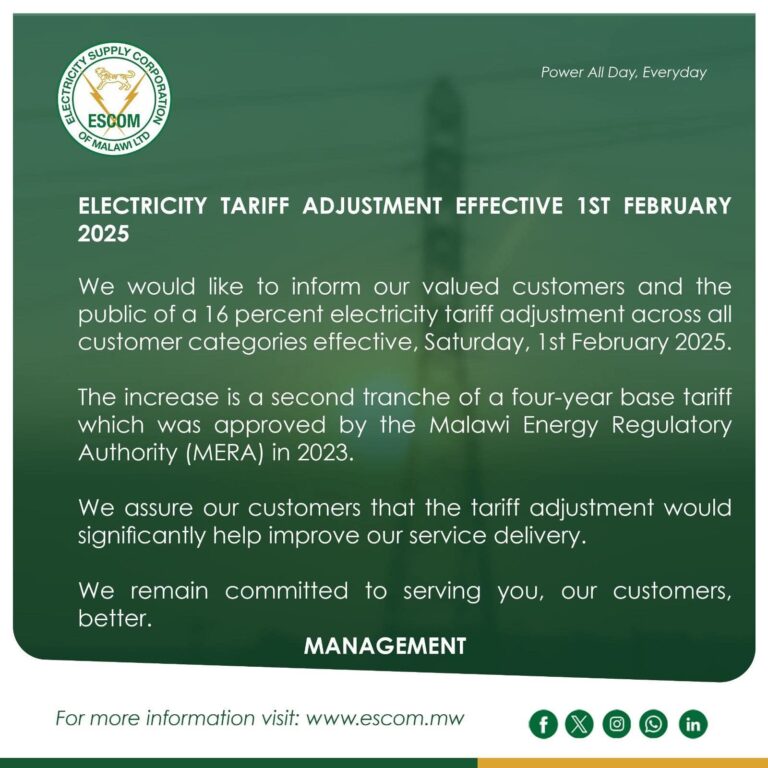
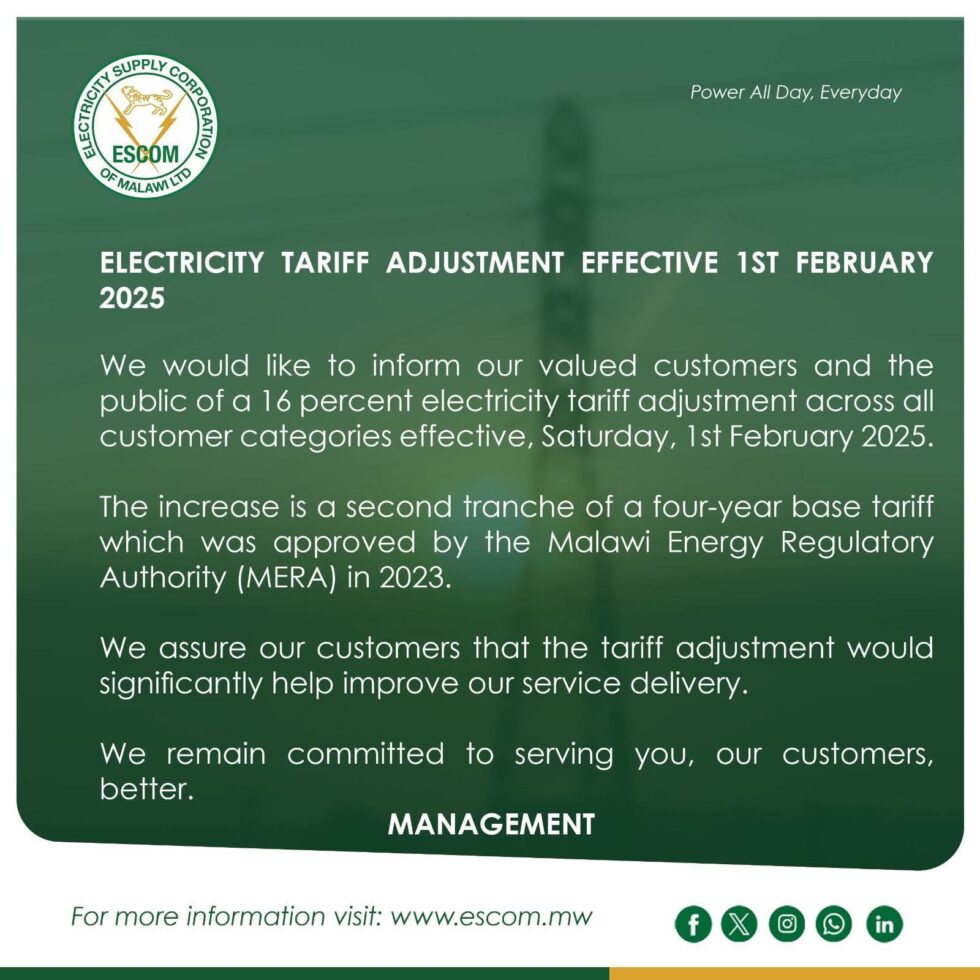
The Electricity Supply Corporation of Malawi (ESCOM) has announced a 16 percent electricity tariff adjustment, effective February 1, 2025. This increase is the second tranche of a four-year base tariff approved by the Malawi Energy Regulatory Authority (MERA) in 2023.

According to ESCOM, the tariff adjustment will significantly help improve their service delivery. The corporation has been facing challenges in providing reliable electricity supply to its customers, and the increased revenue from the tariff adjustment is expected to help address these challenges.


The four-year base tariff was approved by MERA in 2023, with a total increase of 50.8 percent spread across four years. The first tranche of 18 percent was implemented in September 2023, and the latest 16 percent increase is the second tranche.

The tariff adjustment is expected to have a significant impact on electricity consumers in Malawi. The increased cost of electricity may affect businesses and households, particularly those that rely heavily on electricity.

However, ESCOM has assured its customers that the tariff adjustment will enable the corporation to improve its service delivery. The corporation plans to use the increased revenue to upgrade its infrastructure, reduce power outages, and improve customer service.

The Malawi Energy Regulatory Authority (MERA) has also assured the public that the tariff adjustment is necessary to ensure the sustainability of the electricity supply industry in Malawi. MERA has stated that the tariff adjustment is based on a thorough analysis of the costs of generating and distributing electricity in Malawi.

In a statement, ESCOM’s CEO, Kamkwamba Kumwenda, said that the tariff adjustment is necessary to ensure that the corporation can continue to provide reliable electricity supply to its customers. Kumwenda assured customers that ESCOM will continue to work hard to improve its service delivery and reduce power outages.

The tariff adjustment has been met with mixed reactions from stakeholders. Some have expressed concern that the increased cost of electricity may affect businesses and households, while others have welcomed the move as necessary to ensure the sustainability of the electricity supply industry in Malawi.

As the debate continues, one thing is clear: the tariff adjustment is a necessary step towards ensuring the sustainability of the electricity supply industry in Malawi. Whether or not the adjustment will have a positive impact on electricity consumers remains to be seen.

In the meantime, ESCOM has assured its customers that it will continue to work hard to improve its service delivery and reduce power outages. The corporation has also urged customers to use electricity efficiently and to report any power outages or other issues to the corporation’s customer service center.

As Malawi continues to grapple with the challenges of providing reliable electricity supply to its citizens, the tariff adjustment announced by ESCOM is a significant development. Whether or not the adjustment will have a positive impact on electricity consumers remains to be seen, but one thing is clear: the sustainability of the electricity supply industry in Malawi depends on it.
The imperative of Malawi’s continued military presence in the DRC: A strategic analysis

By Twink Jones Gadama

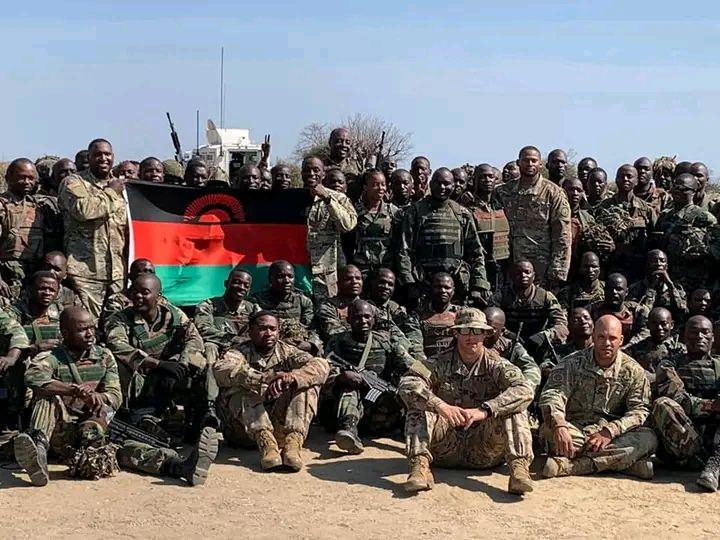
The recent tragic deaths of three Malawian soldiers in the Democratic Republic of the Congo (DRC) at the hands of M23 rebels have ignited a wave of emotions and calls for the withdrawal of Malawian troops from the conflict-ridden nation. Many Malawians, both at home and in the diaspora, express sentiments that resonate with the pain of losing lives in a war perceived as foreign to Malawi. However, it is crucial to analyze the broader implications of such a withdrawal, not only for Malawi’s national interests but also for regional stability and international obligations. The decision to maintain a military presence in the DRC is not merely a matter of national pride; it is a strategic necessity that aligns with Malawi’s long-term security, diplomatic relations, and humanitarian commitments.

First and foremost, Malawi’s involvement in the DRC is rooted in its commitment to regional stability. The DRC is a country rich in natural resources but plagued by decades of conflict, political instability, and humanitarian crises. The presence of various armed groups, including the M23 rebels, poses a significant threat not only to the DRC but also to its neighboring countries, including Malawi. By participating in peacekeeping missions under the auspices of the United Nations and the African Union, Malawi plays a vital role in stabilizing the region. A withdrawal of Malawian troops could create a power vacuum that may embolden rebel groups, leading to increased violence and instability that could spill over into Malawi and other neighboring nations.


Moreover, Malawi’s military presence in the DRC is part of a broader international effort to combat the proliferation of armed conflict in Africa. The DRC has been a focal point for international peacekeeping efforts, and Malawi’s participation demonstrates its commitment to collective security. By withdrawing its troops, Malawi risks undermining the credibility of international peacekeeping missions and sending a message that it is unwilling to contribute to global efforts aimed at maintaining peace and security. This could have long-term repercussions for Malawi’s standing in the international community and its ability to forge strategic alliances.

Additionally, the economic implications of a withdrawal must be considered. Malawi is one of the poorest countries in the world, and its economy is heavily reliant on foreign aid and investment. By maintaining a military presence in the DRC, Malawi not only contributes to regional stability but also positions itself as a key player in the geopolitical landscape of Central Africa. This involvement can lead to increased foreign investment and aid, as countries and organizations are more likely to support nations that demonstrate a commitment to peace and stability. Conversely, a withdrawal could signal to potential investors that Malawi is retreating from its responsibilities, thereby jeopardizing future economic opportunities.

Furthermore, the sacrifices made by Malawian soldiers should not be viewed solely through the lens of loss but rather as a testament to the nation’s commitment to peace and security. The soldiers who serve in the DRC are not merely fighting for a foreign cause; they are part of a larger mission to protect vulnerable populations and uphold human rights. The DRC has faced numerous humanitarian crises, including widespread violence against civilians, sexual violence, and the displacement of millions. By remaining engaged in the DRC, Malawi is contributing to efforts aimed at alleviating human suffering and promoting stability in a region that has long been marred by conflict.

It is also essential to recognize the role of the Malawian military in fostering diplomatic relations with other nations. Military cooperation often serves as a foundation for broader diplomatic engagement. By participating in peacekeeping missions, Malawi strengthens its ties with other countries involved in similar efforts, fostering goodwill and collaboration on various fronts, including trade, security, and development. A withdrawal could jeopardize these relationships, isolating Malawi from important regional and international partners.

Moreover, the argument that the war in the DRC does not belong to Malawi overlooks the interconnectedness of global conflicts. In an era of globalization, conflicts in one region can have far-reaching consequences for others. The instability in the DRC has implications for trade routes, refugee flows, and security dynamics across the region. By maintaining a military presence, Malawi is not only addressing immediate threats but also contributing to a more stable and secure environment that benefits all nations in the region.

The emotional toll of losing soldiers in a foreign conflict is undoubtedly profound, and it is essential for the Malawian government to address the concerns of its citizens. However, this should not lead to hasty decisions that could have long-term negative consequences. Instead, the government should engage in open dialogue with the public, providing transparency about the mission’s objectives, the challenges faced, and the importance of continued involvement in the DRC. By fostering a sense of shared responsibility and understanding, the government can help mitigate the emotional impact of these losses while reinforcing the strategic rationale for maintaining troops in the DRC.

In conclusion, the call for Malawi to withdraw its soldiers from the DRC in the wake of recent tragedies is understandable but ultimately shortsighted. The implications of such a withdrawal extend far beyond the immediate emotional responses to loss. Malawi’s continued military presence in the DRC is essential for regional stability, international credibility, economic opportunities, and humanitarian efforts. The sacrifices made by Malawian soldiers should be honored not by retreating from their mission but by recognizing the vital role they play in promoting peace and security in a region that desperately needs it. As Malawi navigates the complexities of its involvement in the DRC, it must remain steadfast in its commitment to collective security, regional stability, and the protection of vulnerable populations. The path forward may be fraught with challenges, but it is a path that Malawi must continue to tread for the sake of its own future and the future of the region.

ECM Changes Name to Malawi Conference of Catholic Bishops

0

By Twink Jones Gadama

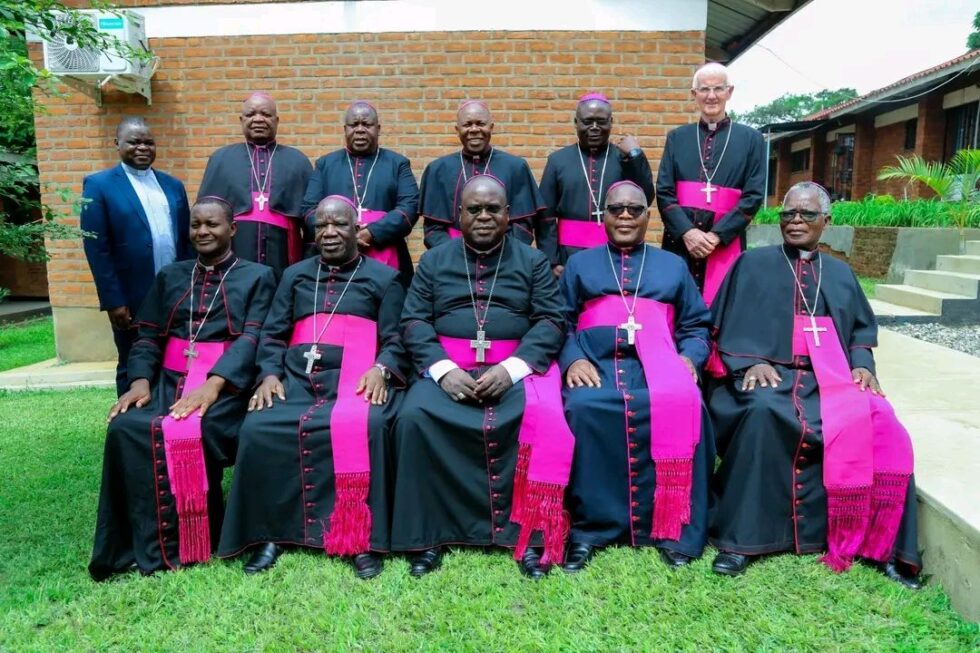
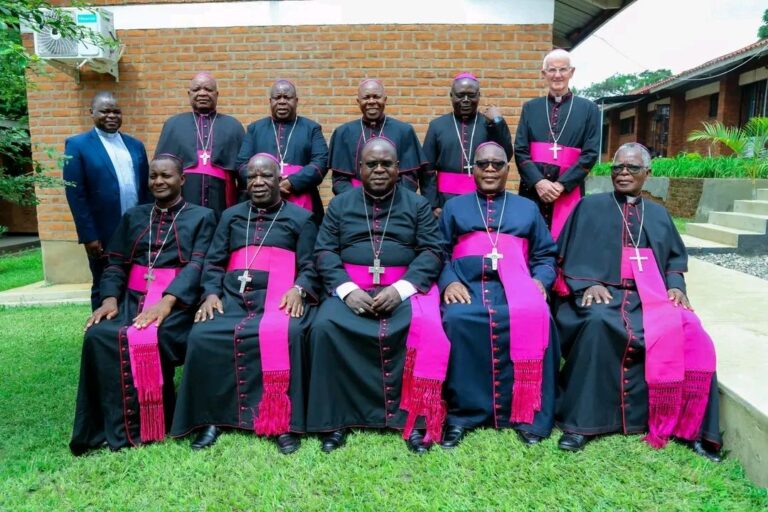
The Episcopal Conference of Malawi (ECM) has officially changed its name to the Malawi Conference of Catholic Bishops (MCCB), effective immediately. The change was announced in an official statement released by the Conference on January 31, 2025.

According to the statement, the decision to change the name was made to provide a clearer identity and to align with global Catholic terminology. The new name explicitly states that the Conference comprises Catholic Bishops, eliminating ambiguity.

Bishops


The MCCB has also unveiled a new logo, which features a crozier and miter, symbols used by Catholic Bishops. The logo also includes a cross, a Christian symbol of salvation, and a map of Malawi, indicating that the logo is for the Catholic Church in Malawi.

The colors used in the logo are also significant, with each color representing a different aspect of the Catholic Church’s mission. The colors include green, representing life and care for the environment; red, representing the fire of faith, love, martyrdom, and sacrifices of the Catholic Church; white, representing holiness; blue, representing courage and perseverance; and yellow, representing hope.

The President of the MCCB, Most Reverend George Desmond Tambala, Archbishop of Lilongwe, expressed his appreciation for the continued support and cooperation of stakeholders, partners, and the general public.

“We deeply appreciate your continued support and cooperation,” Archbishop Tambala said. “May Mary, the Mother of Jesus and Our Lady of Africa, intercede for the Church in Malawi and our nation.”

The change of name and logo is expected to have a significant impact on the Catholic Church in Malawi, as it seeks to promote a clearer identity and to align with global Catholic terminology.

The MCCB is the official organization of Catholic Bishops in Malawi, and it plays a crucial role in promoting the Catholic faith and providing spiritual guidance to Catholics in the country.

The change of name and logo is also expected to have a positive impact on the Church’s mission to promote evangelization, education, healthcare, and social justice in Malawi.

As the MCCB begins a new chapter with its new name and logo, Catholics in Malawi and around the world are expected to rally behind the Conference and support its mission to promote the Catholic faith and serve the people of Malawi.

In an interview with this reporter, Archbishop Tambala expressed his excitement about the change of name and logo, and he called on Catholics in Malawi to support the MCCB’s mission.

“We are excited about this new chapter in the life of the Catholic Church in Malawi,” Archbishop Tambala said. “We call on all Catholics in Malawi to support our mission and to promote the Catholic faith in our country.”

The change of name and logo is a significant development in the life of the Catholic Church in Malawi, and it is expected to have a lasting impact on the Church’s mission and identity.

Malawi’s Agriculture Minister Sam Kawale confident in strong harvest despite delayed rains

0

By Burnett Munthali

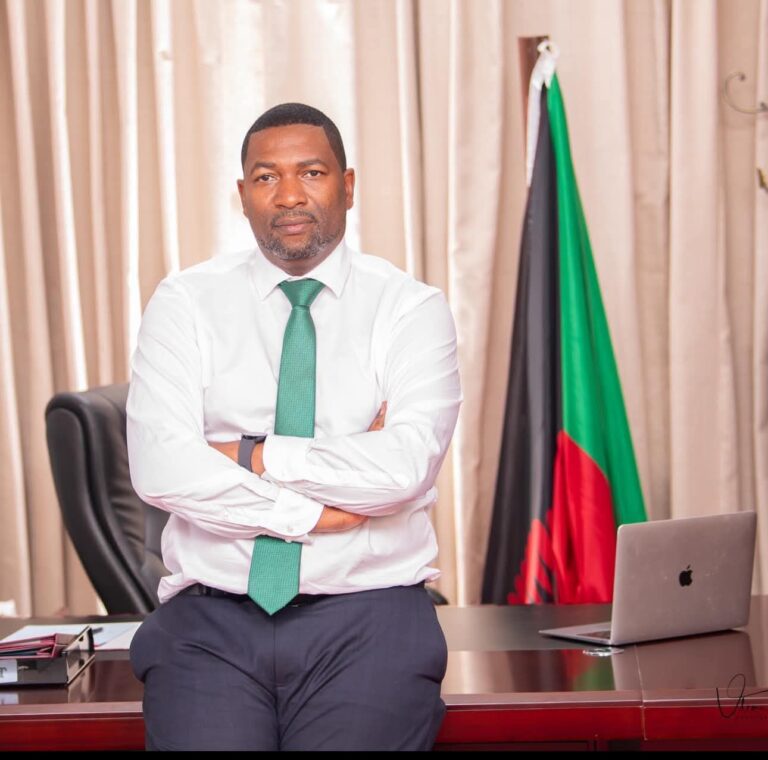
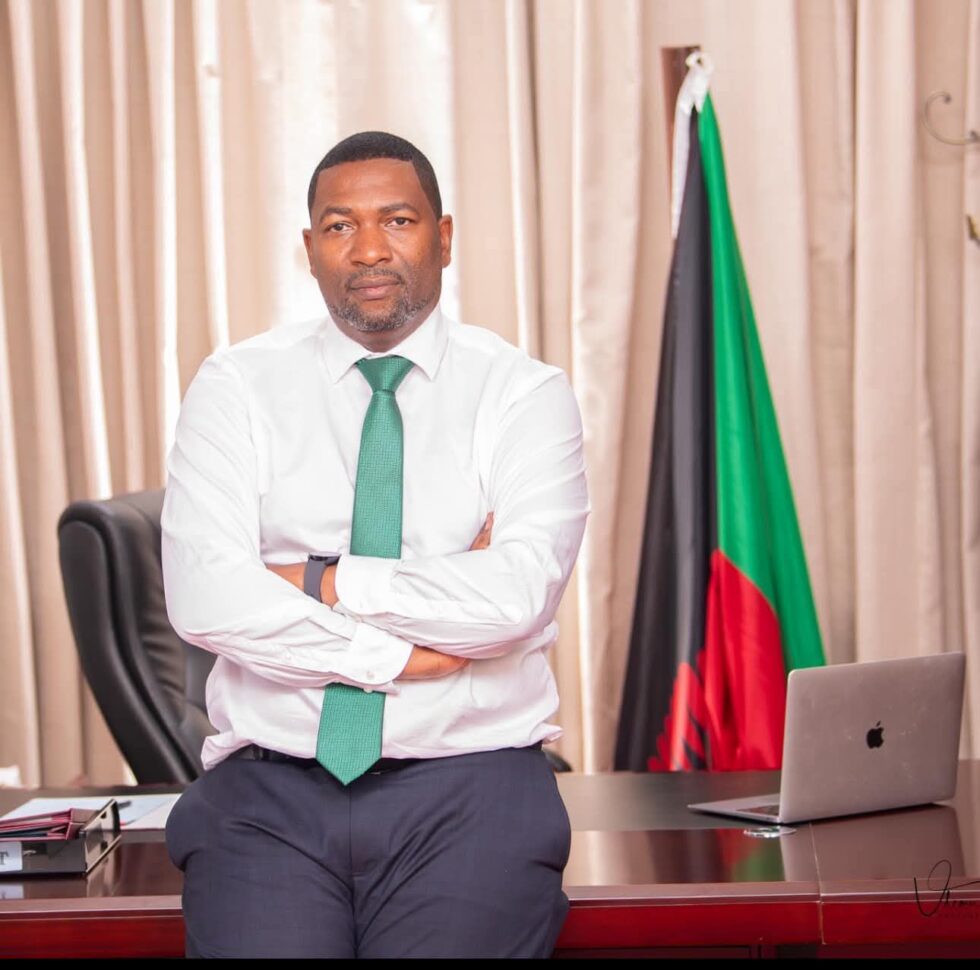
Malawi’s Minister of Agriculture, Sam Kawale, has expressed optimism about this year’s agricultural production, stating that many farmers across the country have cultivated their fields extensively. Despite challenges brought about by the delayed onset of rains, the government remains committed to supporting farmers, ensuring that they have access to affordable fertilizers to boost their yields.

Speaking recently, Kawale noted that within the next two weeks, the Ministry of Agriculture will release a preliminary report providing an estimate of the expected crop yields. This assessment will give the nation a clearer picture of food security prospects and help guide policy decisions to support both farmers and consumers.

One of the major concerns for farmers this season has been the late arrival of rainfall, which in some regions disrupted planting schedules and raised fears of reduced yields. However, Minister Kawale assured the public that the government is taking proactive measures to mitigate these challenges. He emphasized that the state will continue to distribute subsidized fertilizer to ensure that farmers can still maximize their production, particularly those practicing irrigation and backyard gardening.

Kawale


Encouraging farmers not to lose hope, Kawale urged them to take advantage of the available affordable fertilizer, especially for vegetable farming and other short-cycle crops that can still be cultivated successfully even with the seasonal delays. He highlighted that Malawi’s agricultural sector remains resilient and that with the right support and determination, farmers can still secure a productive harvest.

The government’s commitment to ensuring food security through affordable farm inputs aligns with its broader strategy of promoting self-sufficiency and reducing dependency on food imports. As the next few weeks provide a clearer picture of the harvest outlook, the government will continue monitoring the situation and implementing necessary interventions to support farmers and stabilize food prices.

With these initiatives in place, Minister Kawale remains hopeful that Malawians will still achieve a successful farming season despite the initial challenges. His message to farmers is clear: remain steadfast, utilize the resources available, and continue working towards a bountiful harvest.

Africans criticize Kagame in live facebook session: A public showdown

By Burnett Munthali

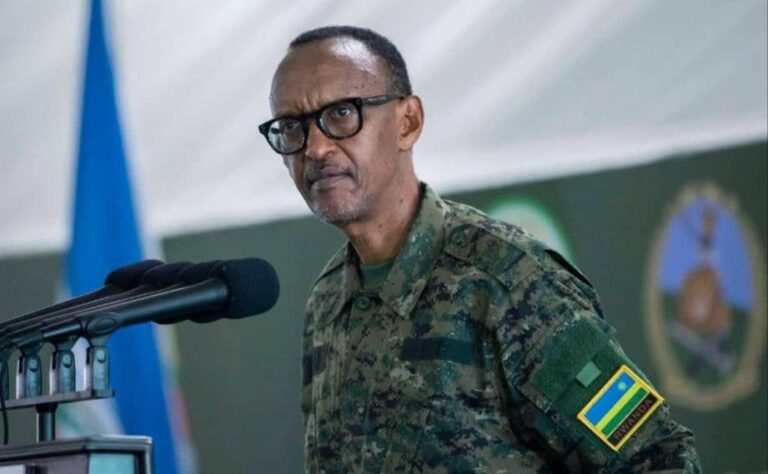
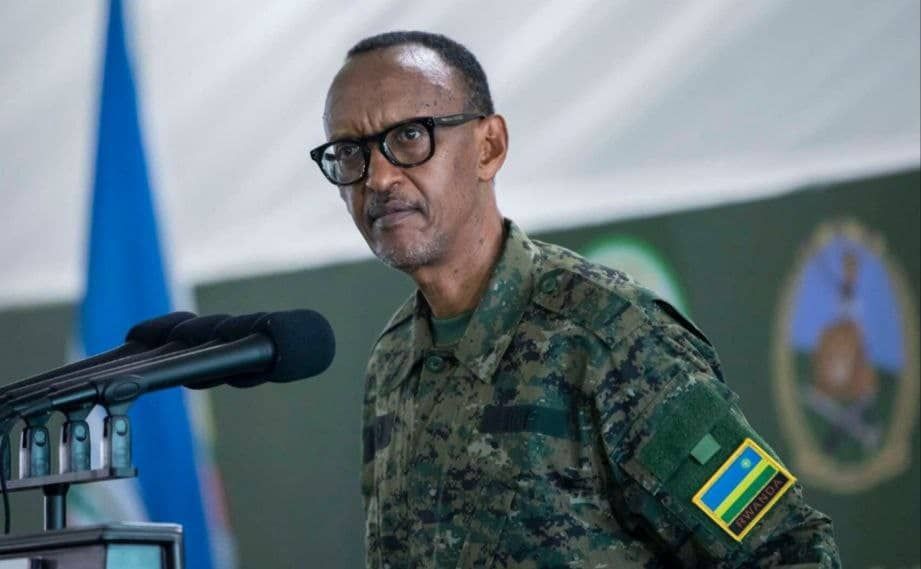
In an unprecedented move, African citizens have taken to President Paul Kagame’s official Facebook page to express their dissatisfaction with his leadership, marking a rare moment of direct engagement with a sitting head of state. The live session, which was meant to be an opportunity for the Rwandan president to address his followers and share updates, turned into a fiery confrontation as people from across the continent aired their grievances openly.

The live session, which was streamed on Kagame’s official Facebook page, began like many others, with the president offering brief remarks on Rwanda’s development and his vision for the country. However, what was expected to be a routine communication quickly escalated as viewers began flooding the comment section with questions and comments that challenged Kagame’s policies and leadership style.

Kagame

It was evident that the session was not going as planned, as the comments grew increasingly critical. Many of the responses were from Africans who took the opportunity to directly address Kagame, calling out his administration on a variety of issues. Some criticized the lack of political freedoms and human rights in Rwanda, while others questioned his long-standing rule, which has seen Kagame in power for nearly two decades.

“Why is it that anyone who opposes you gets silenced?” one comment read. “Rwanda is not a democracy; it’s a dictatorship in disguise,” another user stated. These comments, among many others, came from individuals who were determined to challenge Kagame’s narrative, raising concerns about political repression, media freedom, and the limits placed on political opposition in Rwanda.

The intensity of the responses reflected a growing sentiment across the continent that African leaders must be held accountable for their governance. With social media becoming an increasingly powerful tool for public discourse, the live session became an open forum for voicing discontent. The ability for ordinary citizens to directly address the president in real-time highlighted the power of digital platforms in shaping political conversations and providing a space for citizens to hold leaders accountable.

President Kagame, known for his assertive leadership style, did not shy away from responding to some of the criticisms. However, his responses were measured, often reiterating his focus on development and the achievements of his government, including Rwanda’s economic progress, healthcare advancements, and strides in education. Kagame’s supporters also joined the live session, defending his leadership and highlighting the positive changes made under his administration. These supporters argued that while criticisms should be welcomed in a democracy, they should also recognize the strides made in stabilizing Rwanda after the 1994 genocide.

Despite the back-and-forth, the session’s tone was undeniably more confrontational than what would typically be expected from such a platform. The event seemed to mark a shift in how African leaders engage with their citizens in the digital age, where social media has become an increasingly direct avenue for public engagement, criticism, and protest.

The clash between Kagame and his critics on his own Facebook page is a microcosm of a larger debate within Africa about governance, leadership, and democracy. For many citizens, it was an opportunity to speak truth to power, to challenge a leader who has been in power for an extended period and who has often been praised for his role in Rwanda’s post-genocide recovery, but also criticized for curbing political freedoms and silencing opposition.

This public confrontation has sparked a broader conversation about the role of social media in African politics. While many view it as a democratizing force that empowers citizens to engage with their leaders, others warn that it could also lead to greater polarization and online vitriol. The incident underscores the growing importance of digital platforms in African political discourse and highlights the challenges leaders face in navigating public opinion in the age of social media.

As the live session continued, it became clear that social media is not just a tool for political leaders to broadcast their messages but also a platform for citizens to engage in real-time, express dissatisfaction, and challenge those in power. This moment of public confrontation is indicative of a broader shift in African politics, where citizens are increasingly empowered to hold their leaders accountable in ways that were once unimaginable.

Whether this online confrontation will have any lasting impact on Kagame’s political trajectory remains to be seen. However, the sheer volume of criticism he faced during the session suggests that many Africans are ready to challenge the status quo and demand more from their leaders. It serves as a reminder that in the digital age, no leader is immune from the scrutiny of their citizens, and the power of social media is reshaping how leaders interact with the public.

As the conversation surrounding Kagame’s leadership continues to unfold, this incident may serve as a pivotal moment in the growing movement for political accountability across Africa. It remains to be seen how Kagame will respond in the coming days, but one thing is clear: the relationship between African leaders and their citizens is increasingly being shaped by the power of social media, and it is a force that cannot be ignored.