The Football Association of Malawi (FAM) has announced the appointment of renowned coach Kalisto Pasuwa as the new head coach of the Malawi national team, the Flames. This development follows a meeting of FAM’s technical subcommittee held over the weekend.
Pasuwa, who previously coached FCB Nyasa Big Bullets, brings a wealth of experience to the role. His appointment is expected to inject new energy into the Flames, who have been seeking to revive their fortunes on the international stage.
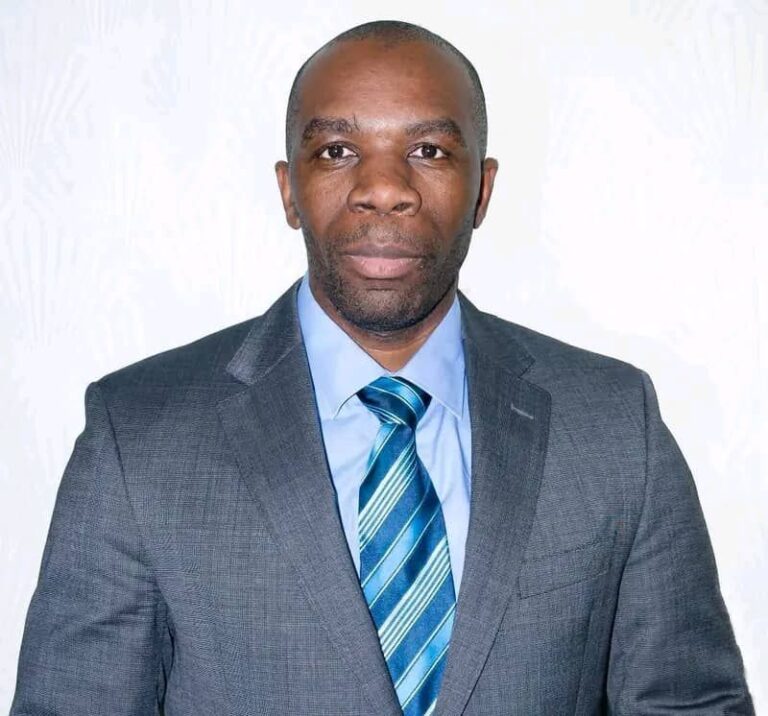
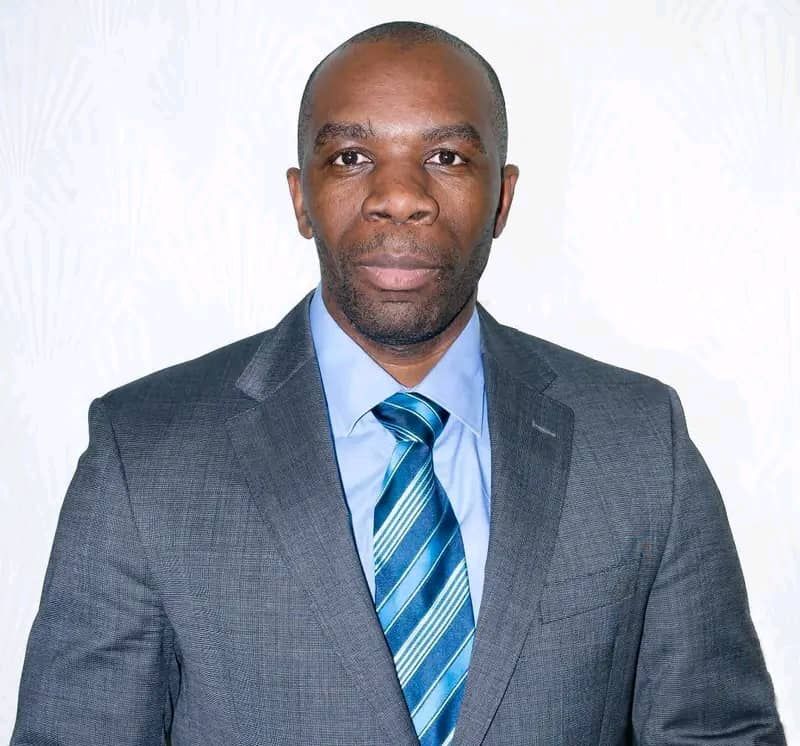
Pasuwa ,now Flames Coach
One of the key aspects of Pasuwa’s appointment is that he will have the freedom to choose his own backroom staff. This move is seen as a significant boost to the new coach, allowing him to assemble a team that shares his vision and philosophy.
As Pasuwa begins his new role, expectations are high that he will lead the Flames to success in upcoming international competitions. With his proven track record and expertise, Malawi football fans are optimistic about the future of their national team.
Pasuwa’s first task will be to assemble his technical team and begin preparations for the Flames’ next assignment.
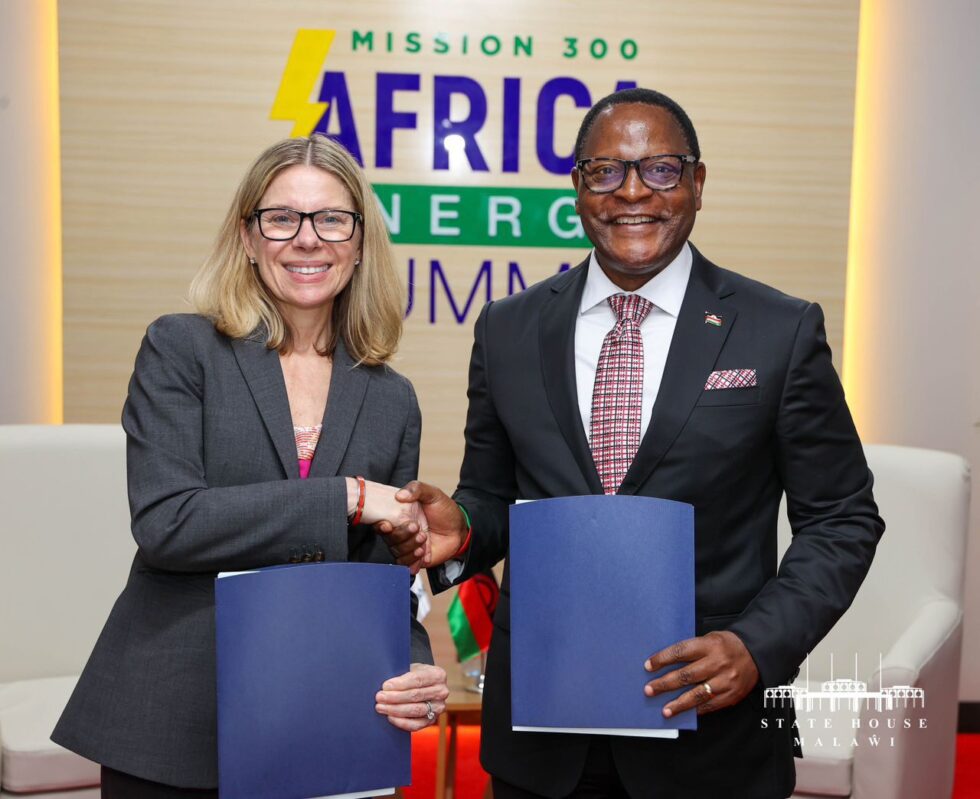
Chalo Mvula, the Deputy Director of International Affairs and Cooperation for the Malawi Congress Party (MCP), has commended President Lazarus Chakwera’s administration for successfully securing a $300 million energy compact with the World Bank. Writing on his official Facebook page, Mvula praised the president’s leadership and strategic vision, noting that this agreement represents a significant milestone in Malawi’s development and energy transformation.
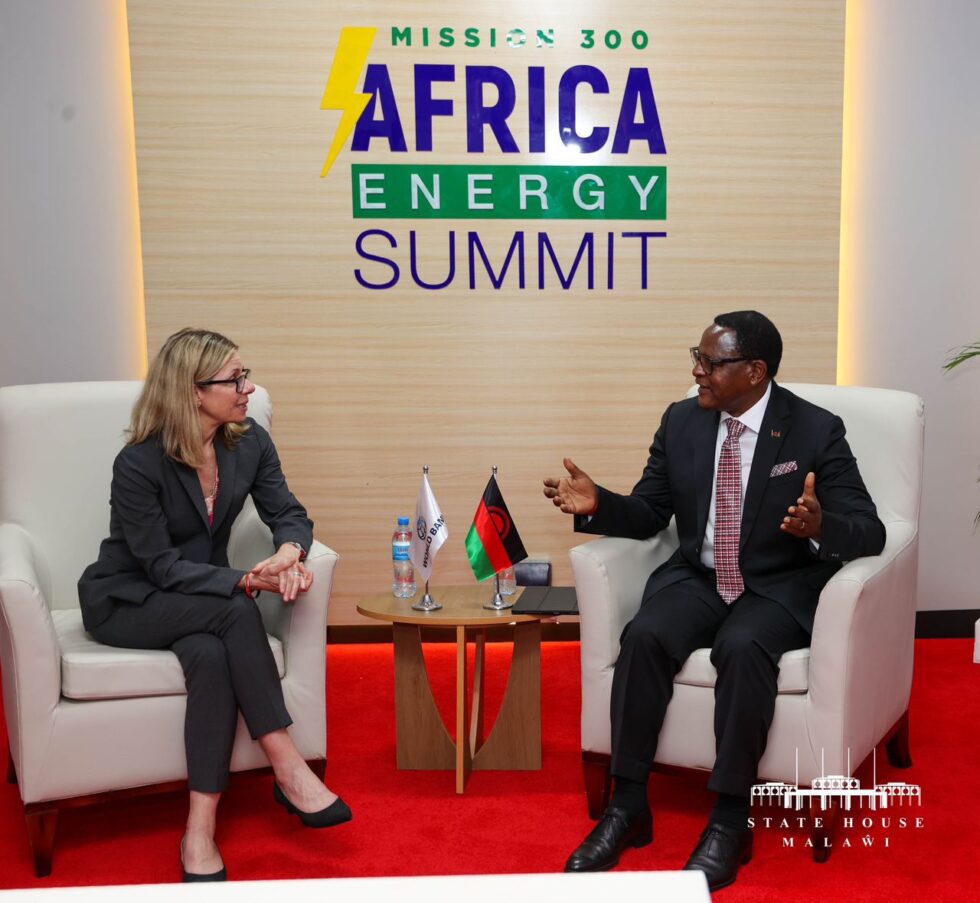
The compact, which was witnessed by World Bank Managing Director Anna Bjerde, is designed to address long-standing energy challenges that have hindered Malawi’s economic progress and limited access to essential services. The agreement outlines plans to add 848 megawatts of energy capacity, establish over 2 million on- and off-grid electricity connections, and significantly increase the share of renewable energy in the national grid.
For decades, Malawi has struggled with energy deficits, with only a small fraction of the population having access to reliable electricity. This lack of power has stifled industrial growth, limited education opportunities, and created barriers to improved healthcare services. The new energy compact is set to change this trajectory by addressing these critical issues head-on.
Chalo Mvula
By adding 848 megawatts of energy capacity, the compact will help bridge the gap between the country’s energy demand and supply. The creation of over 2 million electricity connections, particularly in rural areas, is expected to improve living standards for millions of Malawians and foster economic growth.
One of the most transformative aspects of the compact is its focus on renewable energy. By prioritizing clean and sustainable energy solutions, the agreement aligns Malawi with global efforts to combat climate change. The expansion of solar, wind, and hydroelectric power generation will not only address current energy deficits but also position Malawi as a leader in sustainable development in Africa.
President Chakwera’s leadership in championing renewable energy underscores his commitment to building a resilient and environmentally conscious energy sector. By reducing reliance on fossil fuels, the compact lays a foundation for long-term sustainability and economic stability.
Chalo Mvula highlighted how this energy compact aligns with President Chakwera’s broader vision for Malawi. The president’s focus on renewable energy and rural electrification reflects his dedication to fostering inclusive development. By prioritizing rural communities, which have historically been marginalized in energy access, the compact seeks to bridge the urban-rural divide and ensure that all Malawians benefit from the country’s progress.
The compact also demonstrates President Chakwera’s ability to forge strategic partnerships that advance national interests. The involvement of the World Bank, a trusted global financial institution, adds credibility to the initiative and underscores Malawi’s readiness to implement large-scale development projects.
President Chakwera and World Bank chief Anna Bjerde
The energy compact is expected to have far-reaching impacts on Malawi’s economy and social well-being. Expanded access to electricity will enable schools, clinics, and businesses to operate more effectively, improving education, healthcare, and livelihoods. The creation of over 2 million connections will also unlock economic opportunities, drive job creation, and encourage investments in the energy sector.
Chakwera’s leadership in securing this partnership is a testament to his commitment to improving the lives of Malawians. As Chalo Mvula noted, the president’s vision aligns with Malawi’s broader goals of achieving energy security and fostering a sustainable future.
The $300 million energy compact between Malawi and the World Bank is a transformative achievement that holds the potential to revolutionize the country’s energy landscape. Under President Chakwera’s leadership, the compact addresses immediate energy deficits while positioning Malawi as a model for sustainable development.
As implementation begins, this partnership carries the hopes of millions of Malawians for a brighter and more resilient future. With its focus on renewable energy, rural electrification, and strategic global partnerships, the compact lays a solid foundation for inclusive and sustainable progress.
President Chakwera’s leadership in securing this milestone deserves recognition as it paves the way for economic growth, environmental sustainability, and improved quality of life for all Malawians.
In a shocking development that has sent ripples through the Nigerian entertainment industry, renowned Nigerian musician Innocent Idibia, better known by his stage name 2Baba (formerly known as 2Face), has revealed that he and his wife Annie have separated. The revelation, made public through a post on his social media page, has not only surprised fans but has also sparked a wide range of reactions from those who have followed the couple’s public journey.
In a heartfelt message shared on his official social media account, 2Baba disclosed that he and Annie had been living apart for some time. The couple, who have been in the spotlight for years, announced that their separation was a result of unresolved issues, leading them to take a break from their marriage. According to 2Baba, the separation was not a decision made lightly but one that stemmed from growing personal differences. The musician expressed that despite their time apart, the issues between them were still unresolved, and this prompted him to take the next step of seeking a legal separation in court.
While initially, 2Baba’s post on his social media was taken down, the musician later reaffirmed the authenticity of his statement in a video message posted on the same platform. He clarified that his words were indeed true and that his decision to share the details publicly was not out of malice or a desire to draw attention but a necessary step towards closure and resolution. In his video, 2Baba emphasized that he was not pressured by any external parties, including the media or his fans, and that the decision was based on his own personal reflection and emotions.
The revelation of the couple’s separation has stirred deep emotions among their fans, particularly those who have closely followed their relationship over the years. Since their marriage in 2012, 2Baba and Annie have been considered one of Nigeria’s most celebrated celebrity couples. Their love story was often seen as a symbol of reconciliation and redemption, as 2Baba had a history of multiple relationships and children before settling down with Annie. Their marriage, marked by public declarations of love, admiration, and support, had made them a favorite among fans who admired their bond.
2face and Annie
However, the announcement of their separation has left many fans heartbroken and confused. Some are struggling to come to terms with the news, especially considering the couple’s high-profile status and the public nature of their relationship. Annie, a well-known actress, and 2Baba have always presented a united front in the media, and the thought of their separation has been difficult for many to process.
Their story had long been one of redemption, with fans rooting for them as they navigated the complexities of love, fame, and family life. Their union was not only marked by the couple’s marriage but also their shared commitment to raising their children together and managing the challenges that come with their respective careers. With two children from their union, the couple’s family was seen as one that could weather any storm, but the recent news suggests otherwise.
Despite the sadness surrounding their separation, both 2Baba and Annie have expressed their commitment to co-parenting their children amicably. They have assured fans that their personal issues will not affect their roles as parents and that the well-being of their children remains their top priority.
The separation has also drawn attention to the pressures of celebrity relationships in Nigeria and the public’s fascination with the personal lives of high-profile figures. In particular, it sheds light on the emotional toll that public life can have on couples, especially when there is constant media scrutiny and expectations from fans.
2Baba’s revelation has sparked a wider conversation about relationships, celebrity marriages, and the challenges of maintaining love in the public eye. Some have expressed sympathy for the couple, while others have been quick to comment on the inevitable pitfalls of fame and the strain it places on personal relationships.
The couple’s history, including 2Baba’s past relationships and children, has always been a topic of public discussion. Yet, despite these challenges, the couple managed to keep their personal life relatively private. Annie and 2Baba’s fans have continued to stand by them through their ups and downs, and many are hopeful that the separation is just a temporary phase in their relationship.
While the future of 2Baba and Annie’s marriage remains uncertain, the couple’s decision to publicly announce their separation has already generated significant attention. It serves as a reminder that even those who appear to have perfect lives are not immune to the complexities of love, marriage, and the personal challenges that come with it. As fans continue to digest the news, the hope remains that both 2Baba and Annie will find peace and resolution in their personal lives, whatever that may look like moving forward.
The unfolding drama surrounding the marriage of 2Baba and Annie is likely to remain a subject of intense discussion in the media, as people continue to reflect on the impact of fame on relationships and the emotional weight that celebrities carry behind closed doors. Only time will tell how this chapter in their lives will play out, but for now, the public’s attention is firmly fixed on one of Nigeria’s most beloved couples, as they navigate this challenging moment in their relationship.
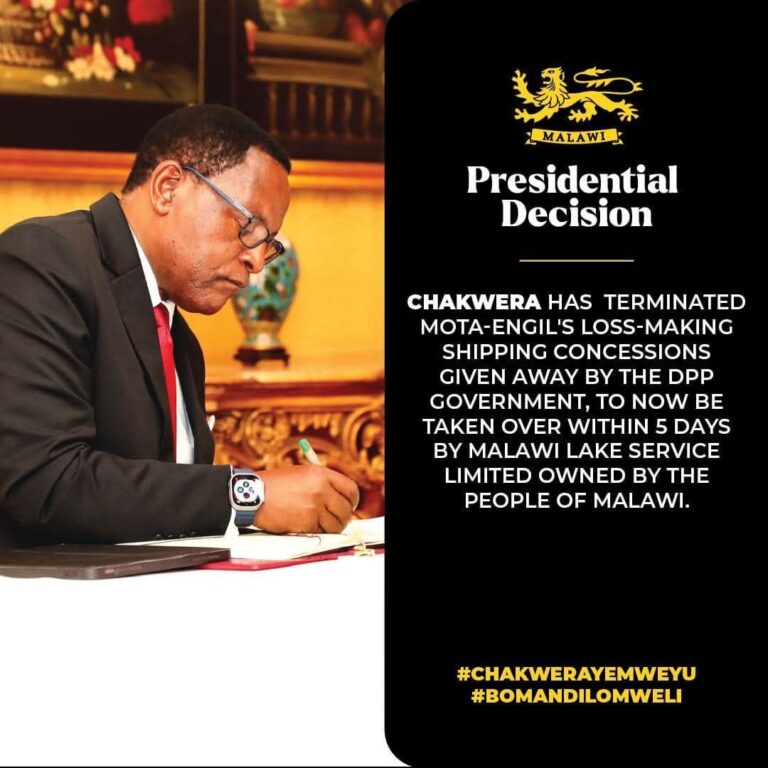
In a series of significant administrative decisions aimed at enhancing accountability and governance, President Dr. Lazarus Chakwera has signed three key executive orders that have far-reaching implications for Malawi’s public sector and anti-corruption efforts. The orders, which include the termination of a marine services concession agreement with Mota Engil, the rejection of a controversial request by former presidential guard Norman Chisale, and a directive on fertilizer procurement, highlight the president’s commitment to transparency and effective governance.
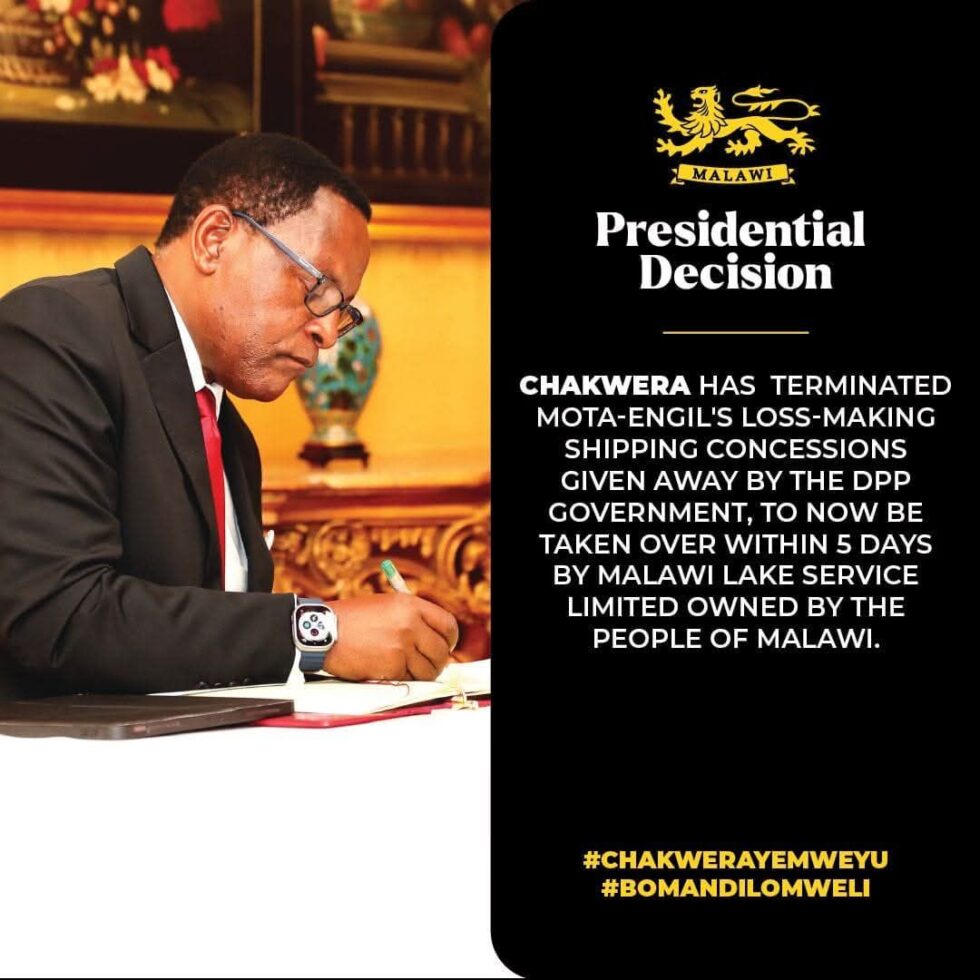
One of the most notable decisions made by President Chakwera is the immediate termination of the marine services concession agreement with Mota Engil, a prominent Portuguese construction and engineering company. The agreement, which had been in place for several years, had given Mota Engil control over Malawi’s marine transport services. However, following a review, the president has decided to terminate the agreement, with immediate effect, in favor of Malawi Lake Services (MLS), a state-owned entity responsible for managing lake transport services.
This move is seen as a significant shift towards reclaiming national control over vital services and infrastructure that were previously managed by foreign companies. The decision has been welcomed by some quarters of society, particularly those who believe that it will provide an opportunity for Malawi to develop its own capacity in managing lake transport, which is critical to the country’s economy, especially in the transport of goods and people around the lakeshore areas.
While the president’s decision aims to ensure greater control and efficiency, the move has also sparked concerns about the potential impact on foreign investments in the country. Some critics argue that the termination of such agreements without clear alternatives in place could send the wrong signal to international investors about the security of their investments in Malawi.
Another significant development came when President Chakwera rejected a written request by Norman Chisale, a former presidential guard under the administration of former President Peter Mutharika. Chisale had asked the president to issue an illegal order that would have led to the unfreezing of his assets and properties, which have been linked to alleged corruption and the embezzlement of state funds.
The assets in question are suspected to have been acquired through illicit means, including the diversion of public funds and resources during Chisale’s tenure. The request to have these frozen assets returned to him was viewed by many as a brazen attempt to undermine the country’s ongoing efforts to tackle corruption, and President Chakwera’s firm rejection of the request was seen as a strong statement in favor of the rule of law and anti-corruption measures.
In his response, President Chakwera emphasized that the government would not condone any attempt to reverse the hard-earned progress made in recovering stolen state funds. The rejection of Chisale’s request also sends a clear message to others involved in corruption that the current administration is committed to upholding the law and will not tolerate any actions that undermine the integrity of public office.
The case of Norman Chisale has been one of the most high-profile corruption scandals in recent years, with investigations revealing that he had been deeply involved in several illicit dealings. His request for the reversal of asset freezes was seen as a desperate attempt to regain control of assets that were suspected to have been illicitly obtained. However, with the president’s rejection, it appears that the government is doubling down on its efforts to hold those who have misappropriated public funds accountable.
The third executive order signed by President Chakwera addresses the controversial issue of fertilizer procurement in Malawi. The president has rejected proposals to engage in commercial procurement of fertilizers and instead directed that fertilizer be procured on a government-to-government (G2G) basis.
This decision aims to curb the inefficiencies and corruption that have plagued the procurement and distribution of fertilizers in Malawi, particularly within the framework of previous commercial deals. Over the years, fertilizer procurement has been marred by allegations of corruption, kickbacks, and mismanagement, leaving many farmers without access to affordable fertilizer during planting seasons.
By moving to a government-to-government procurement model, President Chakwera hopes to ensure greater transparency and fairness in the distribution process, which could help reduce costs and eliminate the role of intermediaries who have often inflated prices and siphoned off public funds. Additionally, the G2G model allows for more direct control over the quality and quantity of fertilizers being imported, ensuring that they meet the needs of local farmers.
This move is also in line with the president’s broader agenda to modernize Malawi’s agricultural sector and ensure that smallholder farmers, who make up the backbone of the country’s agriculture industry, have access to the inputs they need to increase production and improve food security.
President Dr. Lazarus Chakwera’s signing of these three executive orders represents a bold step towards strengthening good governance and promoting accountability in Malawi. The termination of the Mota Engil concession agreement is a clear signal that the government intends to regain control over critical national services, while the rejection of Norman Chisale’s request sends a strong message to those who have benefitted from corruption that they will not be allowed to escape accountability.
Moreover, the move to a government-to-government model for fertilizer procurement could be a game-changer for Malawi’s agricultural sector, ensuring that resources are better utilized for the benefit of farmers and the nation at large.
As the country continues to grapple with the challenges of corruption, inefficiency, and economic instability, these executive orders provide a glimpse of the president’s commitment to ensuring that Malawi’s resources are managed more transparently and effectively. Whether these actions will translate into lasting reforms remains to be seen, but they are certainly a step in the right direction.
On Monday, Malawi’s President, Dr. Lazarus Chakwera, engaged in high-level talks with his Zambian counterpart, President Hakainde Hichilema, during the sidelines of the Energy Summit held in Tanzania. The meeting brought together leaders and stakeholders from across Africa to discuss strategies for improving energy access, sustainability, and economic growth on the continent.
The bilateral discussion between the two leaders emphasized the longstanding relationship between Malawi and Zambia, while also exploring ways to enhance collaboration in energy, trade, and regional integration. Both nations are key players in the Southern African Development Community (SADC), and their partnership is vital for addressing shared challenges such as energy deficits, economic instability, and regional development.
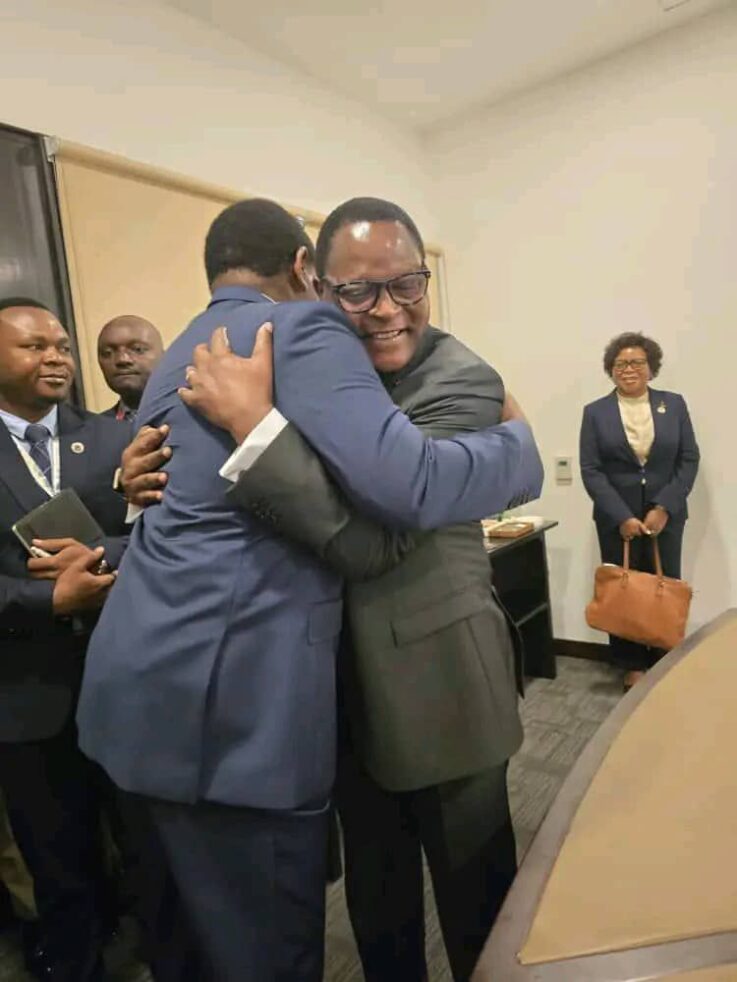
Brotherly hug, Chakwera and Hichilema
Strengthening Regional Energy Cooperation
The backdrop of the meeting was the Energy Summit, a critical platform for leaders to address Africa’s energy crisis. With millions across the continent still lacking access to reliable and affordable electricity, the summit underscored the urgency of harnessing renewable energy sources and regional collaboration to close the energy gap.
President Chakwera and President Hichilema acknowledged the critical role of energy in fostering sustainable development. The two leaders discussed strategies for leveraging the abundant natural resources in the region, including hydropower, solar, and wind energy, to ensure a more resilient and diversified energy supply.
Malawi and Zambia share strong energy interdependence, particularly through regional power pools like the Southern African Power Pool (SAPP). The discussions also highlighted the importance of cross-border electricity trade, which could not only address the energy deficits in both nations but also reduce the cost of power generation and distribution.
Promoting Economic Integration
Beyond energy, the meeting served as a platform to advance broader economic cooperation between the two nations. President Chakwera and President Hichilema reiterated their commitment to enhancing trade relations and improving infrastructure connectivity to facilitate the movement of goods and services across their shared border.
The two leaders emphasized the need to simplify cross-border trade procedures and reduce bottlenecks that hinder economic activity between Malawi and Zambia. With both countries heavily reliant on agriculture, there was also a call to strengthen value chains and promote trade in agricultural products to bolster food security and create jobs.
President Chakwera commended Zambia’s economic reforms under President Hichilema’s leadership, noting the country’s strides in stabilizing its economy and creating an investor-friendly environment. He expressed optimism that such efforts could inspire similar reforms across the region, ultimately fostering collective growth.
A Vision for Regional Unity
The meeting between the two leaders also reflected their shared vision for regional unity and cooperation. Both Malawi and Zambia are integral to SADC’s development agenda, and their partnership is seen as a cornerstone of efforts to promote peace, security, and economic development in the region.
President Hichilema applauded President Chakwera’s leadership on issues of regional significance, including his commitment to climate resilience and sustainable development. The leaders agreed on the importance of presenting a united front in addressing global challenges, such as climate change and economic inequality, which disproportionately affect African nations.
Conclusion
The meeting between President Lazarus Chakwera and President Hakainde Hichilema at the Energy Summit in Tanzania reaffirmed the strong bond between Malawi and Zambia. It also underscored their shared commitment to addressing critical issues such as energy security, economic integration, and regional development.
As Africa continues to navigate its path toward sustainable development, partnerships like the one between Malawi and Zambia serve as a powerful example of the progress that can be achieved through collaboration. Both leaders left the summit with a renewed sense of purpose, aiming to translate their discussions into tangible outcomes that will benefit their citizens and strengthen the region as a whole.