Saturday, April 4, 2026
No menu items!
spot_img
Home Blog Page 729

M23: The Rise of a Rebel Group in the Democratic Republic of the Congo

By Twink Jones Gadama

The M23, or March 23 Movement, emerged as a significant rebel group in the Democratic Republic of the Congo (DRC) in 2012, but its roots can be traced back to earlier conflicts and political dynamics in the region. The group was formed by former members of the National Congress for the Defence of the People (CNDP), a rebel group that had previously fought against the DRC government. The CNDP was integrated into the Congolese army in 2009 as part of a peace agreement, but many of its members felt marginalized and disillusioned with the government. The M23 was officially established in April 2012, taking its name from a failed peace agreement signed on March 23, 2009, which was intended to address the grievances of the CNDP.
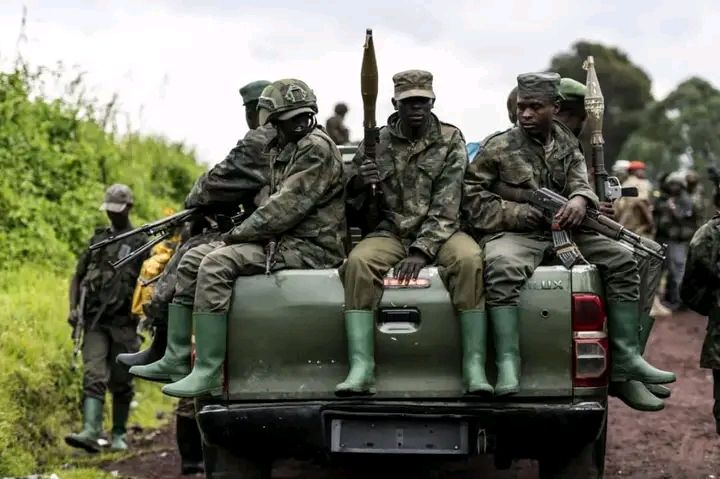


The leadership of M23 was primarily composed of individuals who had previously held positions within the CNDP. The most notable leader was Bosco Ntaganda, a former general in the Congolese army who had a controversial history, including being wanted by the International Criminal Court (ICC) for war crimes. Ntaganda’s leadership was characterized by a blend of military strategy and political maneuvering, as he sought to gain control over resource-rich areas in eastern DRC, particularly in North Kivu province.

The M23 received support from various external actors, most notably Rwanda, which has been accused of providing military assistance and logistical support to the group. The Rwandan government has denied these allegations, but the historical context of Rwandan involvement in DRC’s conflicts cannot be overlooked. The DRC shares a border with Rwanda, and the two countries have a complex relationship, often marked by mutual suspicion and accusations of interference. Additionally, Uganda has also been implicated in providing support to M23, further complicating the regional dynamics.

M23 is primarily based in the eastern DRC, particularly in North Kivu province, where it has sought to establish control over key territories. The region is rich in minerals, including coltan, gold, and diamonds, making it a focal point for both rebel groups and government forces. The control of these resources has been a significant driver of conflict in the DRC, as various actors vie for access and profits.

From the moment M23 entered into conflict with the DRC government in 2012, its objectives became increasingly clear. The group sought to address the grievances of the Tutsi population in eastern DRC, who felt marginalized and threatened by the Congolese government. M23’s demands included greater political representation, security guarantees, and the protection of Tutsi communities from violence perpetrated by other armed groups, particularly the Democratic Forces for the Liberation of Congo (FDLR), which is composed largely of Hutu militants.

The DRC government, led by President Joseph Kabila at the time, responded to the M23 insurgency with military force, leading to a protracted conflict that resulted in significant humanitarian consequences. The fighting displaced hundreds of thousands of people and exacerbated an already dire humanitarian situation in the region. The international community, including the United Nations, became increasingly involved, with the establishment of the United Nations Organization Stabilization Mission in the Democratic Republic of the Congo (MONUSCO) to help stabilize the situation.

Despite the government’s military efforts, M23 managed to capture the provincial capital of Goma in November 2012, a significant victory that underscored the group’s military capabilities and the weaknesses of the Congolese army. However, this victory was short-lived, as international pressure mounted on M23 to withdraw from Goma. In response to diplomatic efforts, M23 retreated from the city in December 2012, but the conflict continued in the surrounding areas.

The DRC government has shown a mixed approach towards engaging with M23. While there have been attempts at dialogue and negotiations, these efforts have often been undermined by ongoing violence and mistrust. The government has been reluctant to grant significant concessions to the group, fearing that doing so would embolden other rebel factions and undermine its authority. Additionally, the complex web of alliances and rivalries among various armed groups in eastern DRC has made it challenging to establish a comprehensive peace process.

In 2013, the situation escalated further when the United Nations Security Council authorized the deployment of an intervention brigade within MONUSCO, tasked with taking offensive action against armed groups, including M23. This marked a significant shift in the international community’s approach to the conflict, as it sought to address the root causes of instability in the region. The intervention brigade engaged in military operations against M23, ultimately leading to the group’s defeat in late 2013.

Following its military defeat, M23’s leadership went into exile, with many members fleeing to Rwanda and Uganda. The group has since been largely inactive, but its legacy continues to shape the political landscape in eastern DRC. The grievances that fueled the rise of M23 have not been fully addressed, and the region remains plagued by violence and instability, with various armed groups continuing to operate.

In recent years, the DRC government has made some efforts to engage in dialogue with former M23 members and other armed groups. In 2021, President Félix Tshisekedi announced a national dialogue initiative aimed at addressing the root causes of conflict and promoting reconciliation. However, the success of these efforts remains uncertain, as the underlying issues of governance, resource control, and ethnic tensions persist.

The international community continues to play a role in supporting peace efforts in the DRC, but the challenges are immense. The complex interplay of local, regional, and international dynamics makes it difficult to achieve lasting stability. The M23 experience serves as a reminder of the fragility of peace in the DRC and the need for comprehensive solutions that address the grievances of marginalized communities.

In conclusion, the M23 rebel group emerged from a complex history of conflict and political dynamics in the DRC. Its leadership, primarily composed of former CNDP members, sought to address the grievances of the Tutsi population in eastern DRC. The group’s military successes and subsequent defeat highlight the challenges of governance and stability in the region. While the DRC government has shown some interest in engaging with former M23 members, the path to lasting peace remains fraught with difficulties. The legacy of M23 continues to influence the political landscape, underscoring the need for sustained efforts to address the root causes of conflict and promote reconciliation in the DRC.
African Leaders Unite for Mission 300 Africa Energy Summit

By Twink Jones Gadama

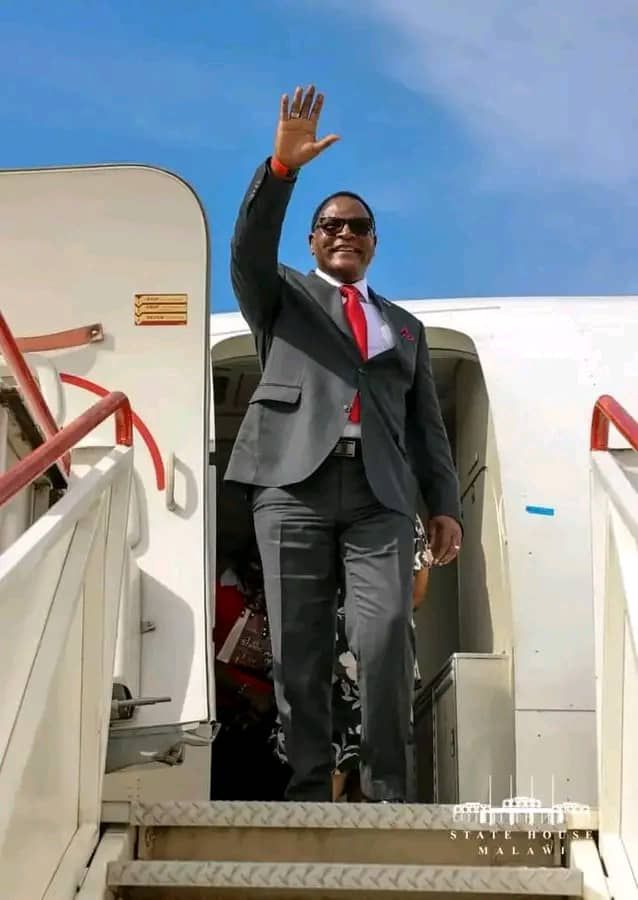
Malawi’s President Dr. Lazarus Chakwera is set to join fellow African heads of state, business leaders, and development partners in Dar es Salaam, Tanzania, for the highly anticipated Mission 300 Africa Energy Summit.

The two-day summit, scheduled for January 27-28, 2025, aims to accelerate Africa’s progress towards providing reliable, affordable, and sustainable electricity to 300 million people by 2030.

President Chakwera


The summit, hosted by the Tanzanian government in collaboration with the African Development Bank Group and the World Bank, will bring together key stakeholders to strategize and commit to ambitious reforms and actions.

President Chakwera’s participation underscores Malawi’s commitment to addressing the continent’s energy challenges and ensuring universal access to electricity.

During the summit, African leaders will present their national energy strategies, outlining their approaches to achieving universal energy access within five years.

The leaders will also endorse the Dar es Salaam Energy Declaration, a unified roadmap for Africa’s progress towards the Mission 300 objectives.

The summit’s agenda will focus on accelerating energy access in underserved regions, renewable energy, energy efficiency, and mobilizing private sector investment.

President Chakwera is expected to deliver a national statement, reaffirming Malawi’s commitment to achieving universal access to energy and its leadership role in Africa’s energy sector.

The Mission 300 Africa Energy Summit is a critical step towards addressing Africa’s energy challenges. With over 600 million people in Africa lacking access to electricity, the summit’s objectives are ambitious yet necessary.

The African Development Bank Group estimates that Africa’s energy sector requires investments of up to $100 billion annually to meet the continent’s energy needs.

As African leaders converge in Dar es Salaam, they will be joined by business leaders, development partners, and civil society groups.

The summit will provide a platform for sharing knowledge, expertise, and resources to address Africa’s energy challenges.

President Chakwera’s participation in the summit demonstrates Malawi’s commitment to regional and continental cooperation in addressing energy challenges.

As the summit concludes, all eyes will be on African leaders to translate their commitments into tangible actions, ensuring that the continent’s energy needs are met and its people have access to reliable, affordable, and sustainable electricity.

Jumah calls for drafted documentation of Electoral Alliances

0

By Vincent Gunde

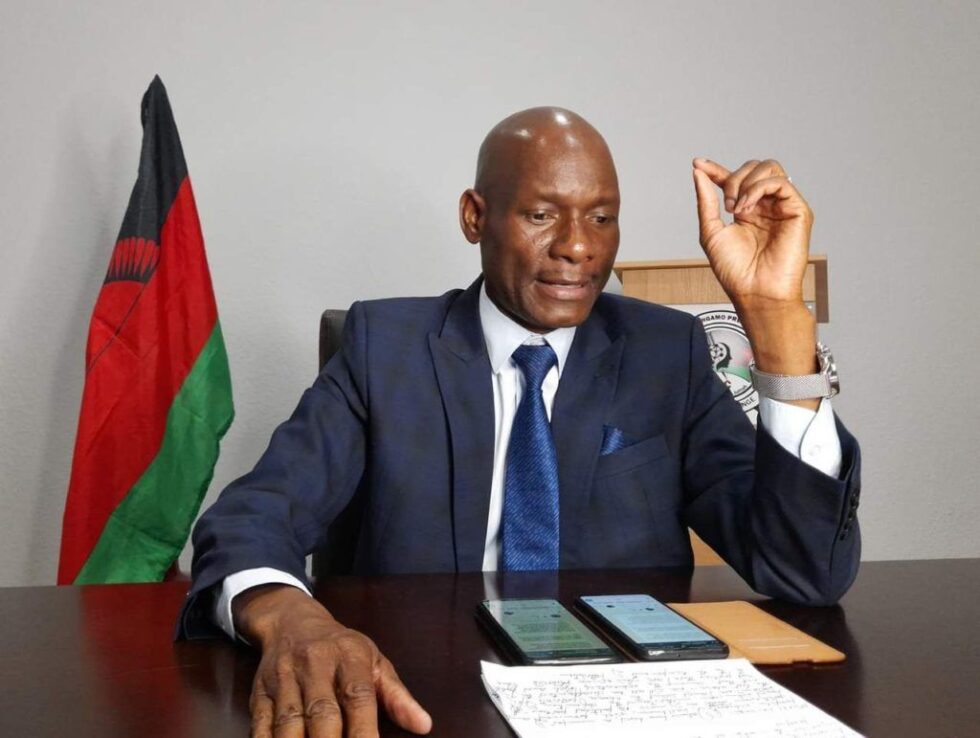
Pan-Africanist, Revolutionary and Visionary leader Bantu Saunders Jumah, has advised political parties wishing to form or establish Alliances in Malawi that a lesson must be drawn from what has happened to the Tonse Alliance government where one party manipulated everything known as coalition.

Jumah has cautioned political parties that if any Alliances are to be made, there must be drafted documentation under the law observing that Malawi politicians don’t respect the law or don’t understand “Gentlemen agreement” because of greed and selfishness saying leadership is not Godliness it is but service.

Jumah


He said leadership is a serious undertaking, one need to have full judgment of what he can do than believing and bestowing his trust in minions saying President Dr. Lazarus Chakwera will live to regret having left his minions lead him when he was the Head of State.

Writing in a statement, Jumah said Malawi more than ever must look for leadership that has vision apart from his or her personal or family interest saying Malawians need a leader who will sacrifice his or her dreams for the country and citizens for this generation and another.

Jumah said the leader coming in September, 2025 onwards, must be someone who will have brains to service the existing whooping debt which is likely to reach K20 trillion if Malawi Congress Party (MCP)continue to give handouts and buying opponents.

He said this very leader must be intelligent enough to start building a nation that in less than 3 years, Malawians must start seeing the avenue of a future, failing which, Malawi is on the path towards disaster of bankruptcy.

The Revolutionary said leaders who are myopic because of greed, age, and gallivant are not an option for the better future saying a liberator, a rescuer is sought for this nation where politics is understood to the milking cow as politicians and political party games.

Jumah has noted with a great concern that today, Malawi is in the Intensive Care Unit (ICU), President Chakwera is not a surgeon or Doctor who can resuscitate a nation to move forward, he is a sign of complete failure, a shadow of shame and history-less.

“It is unlikely that President Chakwera and MCP will have any chance of continuing ruling Malawi because of their failure to distinguish leadership qualities as from 8th July, 2020 when he received a Sword of Command at Kamuzu Barracks in Lilongwe as Commander in Chief of the Armed Forces,” he said.

Jumah said even business people, investors and diplomats in Malawi recognize the failure and carelessness of President Chakwera’s leadership observing that worse still, he and the MCP don’t want to change beside knowing and realizing that his rival Dr. Saulosi Chilima is no more.

He has finally advised Malawians that the habit of harvesting where they didn’t sow, has gripped President Chakwera and MCP, they began a war of extravagance and overspending on the nation whose life jacket is borrowing and begging.

Jumah calls for drafted documentation of Electoral Alliances

0

By Vincent Gunde

Pan-Africanist, Revolutionary and Visionary leader Bantu Saunders Jumah, has advised political parties wishing to form or establish Alliances in Malawi that a lesson must be drawn from what has happened to the Tonse Alliance government where one party manipulated everything known as coalition.

Jumah has cautioned political parties that if any Alliances are to be made, there must be drafted documentation under the law observing that Malawi politicians don’t respect the law or don’t understand “Gentlemen agreement” because of greed and selfishness saying leadership is not Godliness it is but service.

Jumah


He said leadership is a serious undertaking, one need to have full judgment of what he can do than believing and bestowing his trust in minions saying President Dr. Lazarus Chakwera will live to regret having left his minions lead him when he was the Head of State.

Writing in a statement, Jumah said Malawi more than ever must look for leadership that has vision apart from his or her personal or family interest saying Malawians need a leader who will sacrifice his or her dreams for the country and citizens for this generation and another.

Jumah said the leader coming in September, 2025 onwards, must be someone who will have brains to service the existing whooping debt which is likely to reach K20 trillion if Malawi Congress Party (MCP)continue to give handouts and buying opponents.

He said this very leader must be intelligent enough to start building a nation that in less than 3 years, Malawians must start seeing the avenue of a future, failing which, Malawi is on the path towards disaster of bankruptcy.

The Revolutionary said leaders who are myopic because of greed, age, and gallivant are not an option for the better future saying a liberator, a rescuer is sought for this nation where politics is understood to the milking cow as politicians and political party games.

Jumah has noted with a great concern that today, Malawi is in the Intensive Care Unit (ICU), President Chakwera is not a surgeon or Doctor who can resuscitate a nation to move forward, he is a sign of complete failure, a shadow of shame and history-less.

“It is unlikely that President Chakwera and MCP will have any chance of continuing ruling Malawi because of their failure to distinguish leadership qualities as from 8th July, 2020 when he received a Sword of Command at Kamuzu Barracks in Lilongwe as Commander in Chief of the Armed Forces,” he said.

Jumah said even business people, investors and diplomats in Malawi recognize the failure and carelessness of President Chakwera’s leadership observing that worse still, he and the MCP don’t want to change beside knowing and realizing that his rival Dr. Saulosi Chilima is no more.

He has finally advised Malawians that the habit of harvesting where they didn’t sow, has gripped President Chakwera and MCP, they began a war of extravagance and overspending on the nation whose life jacket is borrowing and begging.

Jumah calls for drafted documentation of Electoral Alliances

0

By Vincent Gunde

Pan-Africanist, Revolutionary and Visionary leader Bantu Saunders Jumah, has advised political parties wishing to form or establish Alliances in Malawi that a lesson must be drawn from what has happened to the Tonse Alliance government where one party manipulated everything known as coalition.

Jumah has cautioned political parties that if any Alliances are to be made, there must be drafted documentation under the law observing that Malawi politicians don’t respect the law or don’t understand “Gentlemen agreement” because of greed and selfishness saying leadership is not Godliness it is but service.

Jumah


He said leadership is a serious undertaking, one need to have full judgment of what he can do than believing and bestowing his trust in minions saying President Dr. Lazarus Chakwera will live to regret having left his minions lead him when he was the Head of State.

Writing in a statement, Jumah said Malawi more than ever must look for leadership that has vision apart from his or her personal or family interest saying Malawians need a leader who will sacrifice his or her dreams for the country and citizens for this generation and another.

Jumah said the leader coming in September, 2025 onwards, must be someone who will have brains to service the existing whooping debt which is likely to reach K20 trillion if Malawi Congress Party (MCP)continue to give handouts and buying opponents.

He said this very leader must be intelligent enough to start building a nation that in less than 3 years, Malawians must start seeing the avenue of a future, failing which, Malawi is on the path towards disaster of bankruptcy.

The Revolutionary said leaders who are myopic because of greed, age, and gallivant are not an option for the better future saying a liberator, a rescuer is sought for this nation where politics is understood to the milking cow as politicians and political party games.

Jumah has noted with a great concern that today, Malawi is in the Intensive Care Unit (ICU), President Chakwera is not a surgeon or Doctor who can resuscitate a nation to move forward, he is a sign of complete failure, a shadow of shame and history-less.

“It is unlikely that President Chakwera and MCP will have any chance of continuing ruling Malawi because of their failure to distinguish leadership qualities as from 8th July, 2020 when he received a Sword of Command at Kamuzu Barracks in Lilongwe as Commander in Chief of the Armed Forces,” he said.

Jumah said even business people, investors and diplomats in Malawi recognize the failure and carelessness of President Chakwera’s leadership observing that worse still, he and the MCP don’t want to change beside knowing and realizing that his rival Dr. Saulosi Chilima is no more.

He has finally advised Malawians that the habit of harvesting where they didn’t sow, has gripped President Chakwera and MCP, they began a war of extravagance and overspending on the nation whose life jacket is borrowing and begging.