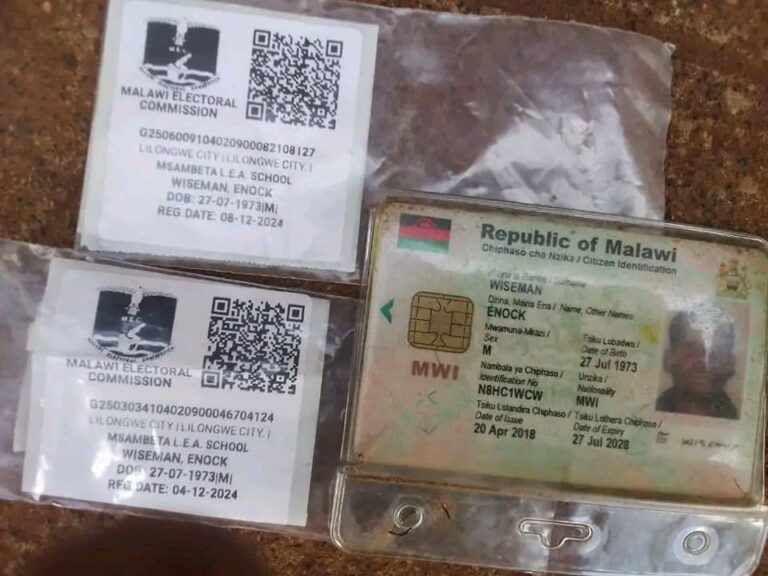
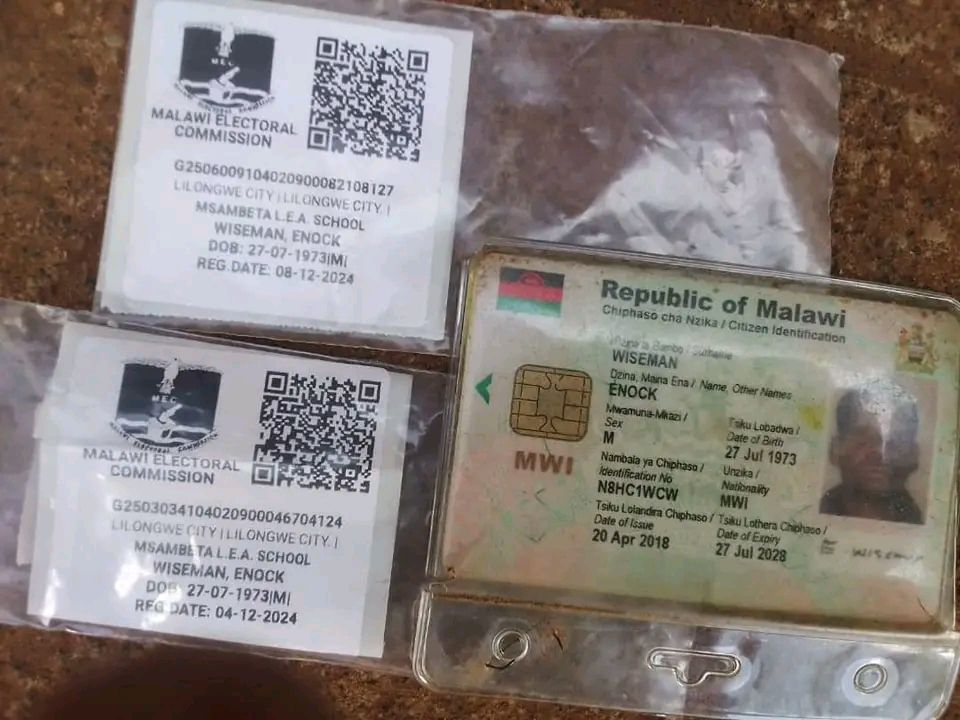
Lilongwe, Malawi – In a move aimed at maintaining the integrity of the electoral process, the Malawi Electoral Commission (MEC) has arrested Mr. Wiseman Enock for attempting to register multiple times during the ongoing voter registration exercise in Lilongwe.
Enock was apprehended at Msambeta School on December 8, 2024, immediately after he registered for the second time.
The MEC has expressed deep concern over this incident and has taken steps to provide clarity on how it occurred, the safeguards in place, and the consequences of such actions
.
According to the Commission, Msambeta School, like other registration centers, has three teams for voter registration.
Enock managed to register twice because the second registration was done on a different gadget from the first one.
However, the registration machine is designed to detect and prevent multiple registrations on the same gadget, whether online or offline.
If Enock had attempted to register a second time using the same machine, the system would have flagged him immediately, and the registration would have been rejected.
The MEC’s de-duplication process is also in place to identify and resolve instances of multiple registrations.
The Commission uses National ID numbers and advanced biometric technology, including fingerprints, to detect and remove duplicate records, ensuring that each voter is registered only once in the final voters’ roll.
The MEC has assured the public that its system is robust and capable of detecting duplicates, ensuring that the final voter register is free of multiple entries.
However, any individual attempting to exploit the system for personal or political gain will be held accountable under the law.
The Commission has also reminded the public that registering more than once is a serious electoral offense punishable by law.
The recent case of Mr. Bisias Elton Nkhoma, who was found guilty of registering twice in Blantyre City and ordered to pay a fine of K200,000.00 or face two years of imprisonment, serves as a warning to would-be offenders.
In a statement, Sangwani Mwafulirwa, Director of Media and Public Relations at the MEC, emphasized the Commission’s commitment to maintaining a transparent, inclusive, and accountable voter registration process.
The MEC appeals to all eligible voters to register only once, as required by law, and to cooperate with its processes.
Attempts to manipulate the registration process, whether through multiple registrations or other fraudulent activities, will not be tolerated.
The MEC’s efforts to uphold electoral integrity are crucial in ensuring the credibility of the electoral process.
As Malawi gears up for the 2025 general elections, the Commission’s vigilance will be crucial in preventing electoral fraud and maintaining public trust.
With the arrest of Enock, the MEC has sent a strong message that voter registration fraud will not be tolerated, and those who attempt to manipulate the system will face the full force of the law.
The modern church has undergone a remarkable transformation over the years. Once primarily focused on spiritual guidance and community support, many churches have diversified their operations, venturing into business and establishing revenue-generating entities such as schools, hospitals, and even real estate ventures. This evolution reflects a broader trend in society where institutions adapt to changing economic landscapes. However, despite these significant changes, the traditional practice of compelling congregants to give offerings—often framed as tithes, thanksgiving, or support for pastors—remains a contentious issue. It is time for churches to rethink their approach to financial contributions and consider the implications of forcing offerings on their congregations.
The Historical Context of Tithing
Tithing, the practice of giving a tenth of one’s income to the church, has its roots in biblical scripture. In the Old Testament, it was a way for the Israelites to support the Levites, who were responsible for the spiritual and communal life of the nation. However, as society has evolved, so too have the interpretations and applications of this practice. Many modern churches continue to emphasize tithing as a mandatory obligation, often using guilt or fear to encourage compliance. This approach can lead to a toxic environment where financial contributions are seen as a measure of faithfulness or spiritual worthiness.
The Burden of Financial Pressure
For many congregants, the pressure to give can be overwhelming. In a world where economic disparities are increasingly pronounced, the expectation to contribute a significant portion of one’s income can create financial strain. Many individuals and families are already grappling with the challenges of rising living costs, student debt, and other financial obligations. Forcing them to prioritize tithes over essential needs can lead to resentment and disillusionment with the church.
Moreover, the emotional toll of financial pressure can be detrimental to one’s spiritual journey. Instead of fostering a sense of community and support, the emphasis on monetary contributions can create an environment of competition and comparison. Congregants may feel inadequate if they cannot meet the expectations set by church leaders or their peers, leading to feelings of guilt and shame. This dynamic can ultimately drive individuals away from the church, as they seek spaces that prioritize spiritual growth over financial contributions.
The Shift Towards Generosity
Rather than enforcing mandatory tithes, churches should consider fostering a culture of generosity. This shift requires a fundamental change in how financial contributions are framed and communicated. Instead of viewing giving as an obligation, churches can encourage congregants to see it as an opportunity to participate in the mission and vision of the church. By emphasizing the impact of their contributions—whether through community outreach, support for local missions, or funding for church programs—congregants may feel more motivated to give willingly and joyfully.
Additionally, churches can explore alternative models of financial support that do not rely on traditional tithing. For example, implementing a “pay what you can” model for church services and programs can create a more inclusive environment where individuals can contribute according to their means. This approach not only alleviates financial pressure but also fosters a sense of ownership and investment in the church community.
Transparency and Accountability
Another critical aspect of rethinking tithes is the need for transparency and accountability in church finances. Many congregants are unaware of how their contributions are being utilized, leading to mistrust and skepticism. By openly sharing financial reports and demonstrating how funds are allocated, churches can build trust with their congregations. This transparency can also empower congregants to make informed decisions about their contributions, knowing that their money is being used effectively and ethically.
Furthermore, churches should prioritize ethical fundraising practices. This includes avoiding manipulative tactics that exploit congregants’ emotions or spiritual vulnerabilities. Instead, churches can focus on building genuine relationships with their congregants, encouraging open dialogue about financial needs and goals. By fostering a culture of trust and respect, churches can create an environment where individuals feel comfortable discussing their financial situations and contributing in ways that align with their values and capabilities.
Emphasizing Community and Service
Ultimately, the focus of the church should be on community and service rather than financial contributions. By prioritizing outreach and support for those in need, churches can embody the principles of love, compassion, and generosity that are central to their teachings. This shift in focus can also attract individuals who may have been disillusioned by the traditional practices of tithing and offerings.
Churches can engage in community service projects, support local charities, and create programs that address the needs of their congregants and the surrounding community. By demonstrating a commitment to service, churches can inspire individuals to contribute their time, talents, and resources in meaningful ways. This approach not only strengthens the church community but also reinforces the idea that giving extends beyond financial contributions.
The time has come for churches to rethink their approach to tithes and offerings. By moving away from the practice of forcing financial contributions and instead fostering a culture of generosity, transparency, and community service, churches can create a more inclusive and supportive environment for their congregants. This shift not only aligns with the core values of many faith traditions but also reflects a deeper understanding of the challenges faced by individuals in today’s economic landscape. Ultimately, by prioritizing the spiritual growth and well-being of their congregants over financial obligations, churches can fulfill their mission of love, compassion, and service in a more meaningful and impactful way.
The Smallholder Farmers Fertilizer Revolving Fund of Malawi (SFFRFM) has introduced a liquid fertilizer called Nano Urea to ensure food security and increase farmers’ income.
Minister of Agriculture Sam Kawale presided over the launch of the product in Lilongwe, emphasizing its potential to transform the agricultural sector.
Kawale revealed that the Nano Urea liquid fertilizer has undergone rigorous testing and has been approved for release to the market.
He added that the government has introduced 30 new products in the past two years to enhance agricultural production.
Kawale stressed that Malawi’s Vision 2063 aims not only to achieve food self-sufficiency but also to export commodities, generating foreign exchange to boost the country’s economy.
On his part,SFFRFM Board Chairman Paul Kamulongera described Nano Urea as a game-changer, citing its advantages over traditional granular fertilizers.
He announced plans to train smallholder farmers on using the new product, highlighting its environmental benefits and potential to increase productivity.
The Nano Urea liquid fertilizer was developed by scientists and engineers from IFFCO and the Nano Biotechnology Research Centre in India.
It will be sold at a price 10% lower than granular urea.
President Dr. Lazarus Chakwera of Malawi will continue his discussions with His Highness Sheikh Mohammed bin Zayed Al Nahyan, the President of the United Arab Emirates (UAE), to explore solutions to Malawi’s pressing development challenges. This meeting is part of a series of bilateral talks aimed at addressing various issues, including infrastructure development, humanitarian aid, and the country’s ongoing food crisis.
Minister of Foreign Affairs, Nancy Tembo, confirmed that the President would meet with His Highness Sheikh Mohammed again on Sunday evening for further talks, following their initial meeting on Saturday. The discussions are expected to focus on expanding cooperation between the two nations, with an emphasis on development assistance from the UAE.
One of the key highlights of President Chakwera’s meetings will involve the Abu Dhabi Fund, a major partner in funding Malawi’s infrastructure development projects. According to Tembo, the President will meet with Abu Dhabi Fund officials on Monday to discuss the progress of various ongoing infrastructure projects in Malawi, including the Mangochi-Makanjira Road Construction Project. The road project, which is being financed by the Abu Dhabi Fund, is crucial to enhancing transportation networks in Malawi, facilitating trade and regional connectivity.
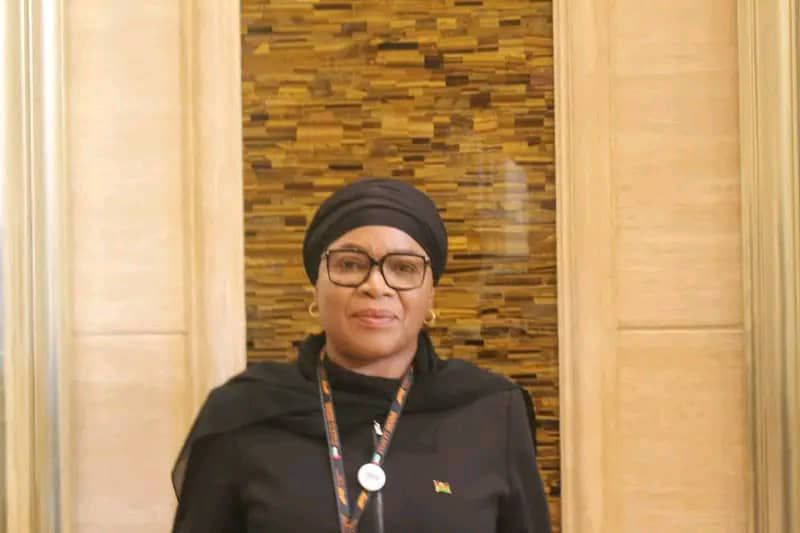
Hon Nancy Tembo
The President’s engagement with the Abu Dhabi Fund officials is part of his broader efforts to ensure that the necessary support is provided for key infrastructure developments that will drive the country’s economic growth and improve the lives of Malawians.
Another critical aspect of President Chakwera’s visit to the UAE is addressing the food shortage crisis that Malawi is currently facing, exacerbated by the effects of El Niño. Minister Tembo highlighted that the President will meet with various organizations involved in humanitarian aid, some of which have previously supported Malawi during times of need. These organizations are expected to assist Malawi in tackling the severe hunger situation caused by the ongoing drought.
During these talks, President Chakwera will urge the international community to offer more assistance to Malawi as the country grapples with the devastating effects of climate change, which has led to crop failure and food insecurity. The President’s address will focus on the urgency of addressing the hunger crisis and the need for coordinated efforts to provide relief to the affected populations.
President Chakwera’s trip to Abu Dhabi is part of his ongoing efforts to strengthen ties with the UAE, particularly in the areas of economic development, trade, and humanitarian aid. The President’s talks with Sheikh Mohammed bin Zayed Al Nahyan are also expected to explore opportunities for collaboration on the supply of petroleum products to Malawi, another key area that will help ensure the country’s energy needs are met.
This visit follows previous diplomatic engagements with international partners, as Chakwera continues to seek solutions for Malawi’s development challenges. His approach to international diplomacy emphasizes fostering strong, mutually beneficial relationships with countries like the UAE, which can provide both financial and technical support to Malawi’s growth initiatives.
The continuation of President Chakwera’s discussions with His Highness Sheikh Mohammed bin Zayed Al Nahyan is a testament to the Malawian government’s commitment to addressing critical development challenges. The focus on infrastructure development, humanitarian aid, and food security underscores the urgency of tackling Malawi’s current crises. With the support of international partners like the UAE, President Chakwera’s administration is determined to map out practical solutions for the country’s development and create a brighter future for all Malawians.
As Malawi gears up for the 2025 elections, political movements are intensifying, with political leaders consolidating their support across the country. One such event took place in Nkhatabay Central, where Hon Zikhale Ng’oma, a senior member of the Malawi Congress Party (MCP), organized a rally that drew large crowds.
The rally was highlighted by the presence of Raphael Mhone, a former member of the People’s Party (PP), led by former President Joyce Banda, who has now defected to MCP. This move marks a significant shift in the political landscape, as Mhone’s defection to MCP adds to the growing momentum in the party’s efforts to solidify its base ahead of the 2025 general elections.
Zikhale
At the rally, Zikhale Ng’oma was seen wearing a traditional shirt associated with his political identity, while Raphael Mhone donned a shirt emblazoned with the MCP colors, symbolizing his new allegiance. This symbolic display reinforced the unity between the two leaders and underscored the increasing influence of MCP in the region.
The meeting drew a large crowd, with enthusiastic supporters flocking to hear the speeches and messages of solidarity. The rally served as a platform for Zikhale Ng’oma to rally supporters in Nkhatabay Central and the surrounding areas, reminding them of the importance of unity and preparation for the 2025 elections.
Raphael Mhone’s defection to MCP reflects the changing political dynamics in Malawi as various political figures shift alliances ahead of the upcoming elections. The event in Nkhatabay Central highlights the growing influence of MCP, particularly in areas that were previously strongholds of other political parties.
As the 2025 election approaches, political leaders are increasingly focused on building strategic alliances and ensuring a strong presence in key regions. Zikhale Ng’oma’s efforts in Nkhatabay Central reflect a broader trend of political consolidation that is likely to shape the outcome of the 2025 general elections.
The political landscape in Malawi is shifting as leaders like Zikhale Ng’oma and Raphael Mhone work to strengthen their positions ahead of the 2025 elections. With the defection of prominent figures like Mhone, the Road to 2025 is becoming more competitive, and political parties will be working hard to secure their support base. The event in Nkhatabay Central serves as a reminder of the intense political maneuvering taking place across the country as Malawi prepares for what is expected to be a highly charged election season.