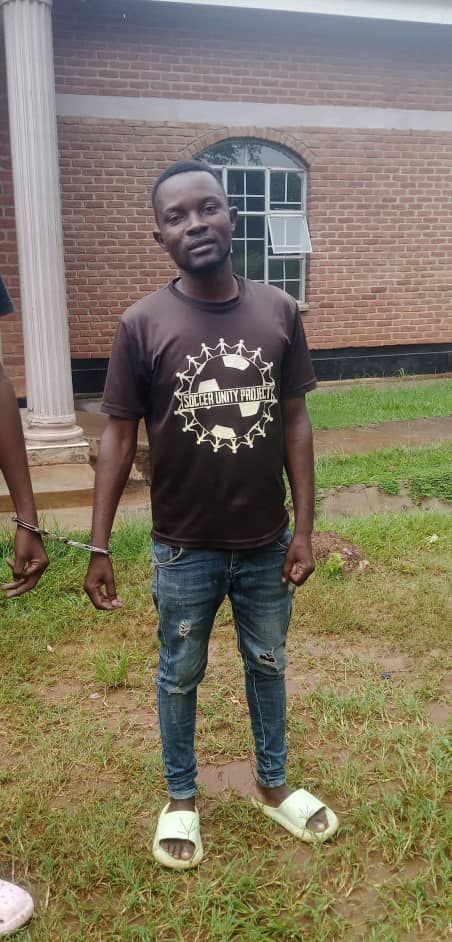
A 24-year-old street-clothing vendor, Thokozani Charles, has been sentenced to 21 years in prison for raping a 27-year-old woman he met on Facebook. Charles, who posed as a wealthy South African-based businessman, proposed marriage to the woman just two weeks into their online relationship.
He then convinced her to meet him in person, claiming he needed her help with a ritual to retrieve his three cars, which he said were seized by the Malawi Revenue Authority due to unpaid duty fees. Unbeknownst to the woman, Charles had been using a fake identity to deceive her.
Charles took the woman to a lodge in Area 50, where he forced her to touch charms and threatened her with madness or death if she refused to comply with his demands. He then raped her three times, filming the encounters and sharing the videos with his friends.
Afterwards, he stole two cellphones from the woman and fled the scene. In court, Charles pleaded guilty to both rape and theft charges. Despite his plea for leniency, citing his status as an orphan and his enrollment in driving lessons, the court handed down the maximum sentence of 21 years.
Principal Resident Magistrate Rodrick Michongwe emphasized the need for deterrent sentences to warn potential perpetrators and advised women to exercise caution when interacting with strangers on social media. Charles, who hails from Chitenje Village, Traditional Authority Tumanje in Zomba District, will serve his sentence with hard labor.
Malawi is in the grip of one of its worst fuel crises in recent history, with long queues at filling stations, businesses struggling to operate, and public transport in disarray. As citizens anxiously wait for solutions, the Chief Executive Officer of the Malawi Energy Regulatory Authority (MERA), Henry Kachaje, has come under fire for abandoning his post at a time when his leadership is needed the most.
Reports indicate that Kachaje has left the country for a “long vacation,” at a time when Vice President Michael Usi had summoned a high-level stakeholders’ meeting to discuss solutions to the ongoing fuel shortages. His absence at such a critical juncture has ignited widespread public anger, with many questioning his commitment to addressing Malawi’s deepening energy crisis.
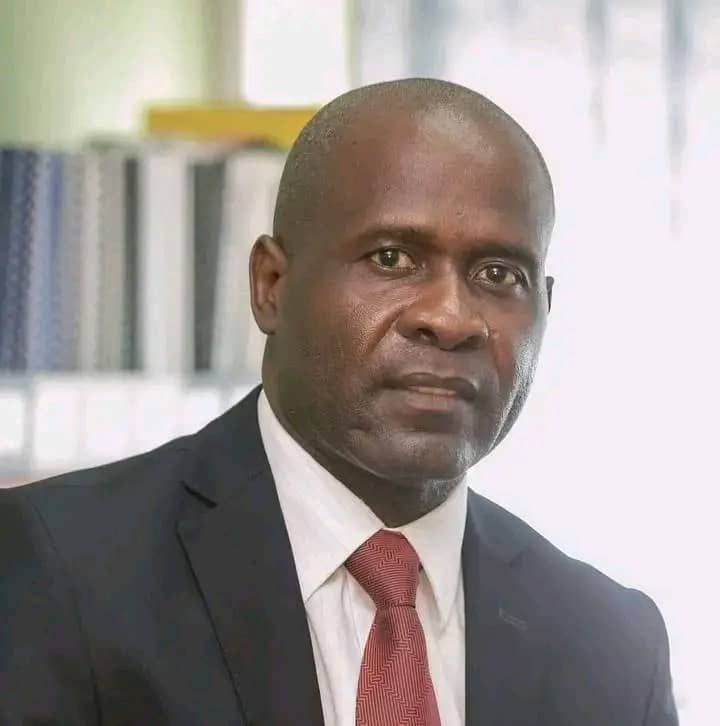
Kachaje
For weeks, Malawians have endured severe fuel supply disruptions, with erratic deliveries causing motorists to spend hours in queues at filling stations, often leaving empty-handed. Businesses, particularly those reliant on transportation and logistics, have suffered losses, while public transport operators have hiked fares due to limited fuel availability. The crisis has exacerbated economic hardships in a country already battling inflation and a weakened currency.
The government has acknowledged the problem, blaming it on forex shortages and logistical challenges. However, critics argue that the crisis is a result of poor planning and lack of strategic reserves. The absence of clear and effective interventions has fueled public frustration, with many looking to MERA for leadership and action.
In this moment of national distress, Henry Kachaje’s decision to leave the country has been perceived as an act of negligence. As the CEO of MERA, Kachaje plays a crucial role in regulating and overseeing Malawi’s fuel supply, yet he opted to travel instead of attending a stakeholders’ meeting convened by the Vice President.
His absence has not only drawn criticism from the public but has also raised concerns within government circles. Some political and economic analysts argue that his actions reflect a deeper crisis in Malawi’s governance, where key officials seem detached from the struggles of ordinary citizens.
Social media platforms have been flooded with reactions from frustrated Malawians, with many accusing Kachaje of abandoning his responsibilities. Some have called for his resignation, arguing that his priorities are misplaced at a time when the nation is in crisis.
In response to the crisis, the government has pledged to work with fuel suppliers and banks to secure forex for fuel imports. However, these measures are yet to bring immediate relief to Malawians, who continue to endure the consequences of an unstable fuel supply.
Vice President Michael Usi, who chaired the stakeholders’ meeting, expressed disappointment over Kachaje’s absence but assured the public that the government is working tirelessly to find a solution. He emphasized the need for improved coordination among key stakeholders, including MERA, the Reserve Bank of Malawi, and fuel importers.
As the crisis persists, calls are growing for increased transparency in how fuel reserves are managed. Some experts suggest that Malawi should explore long-term strategies, such as investing in alternative energy sources and securing strategic fuel reserves to cushion against future shortages.
Henry Kachaje’s decision to leave the country in the middle of a national fuel crisis has cast doubt on his leadership and commitment to serving Malawians. His absence at a crucial stakeholders’ meeting has only deepened public frustration, highlighting concerns about accountability and responsibility within government institutions.
With fuel shortages continuing to paralyze the economy, the onus is on the government and regulatory bodies to provide immediate and sustainable solutions. Malawians are demanding answers, and failure to address the crisis could have far-reaching consequences for both the economy and public trust in leadership.
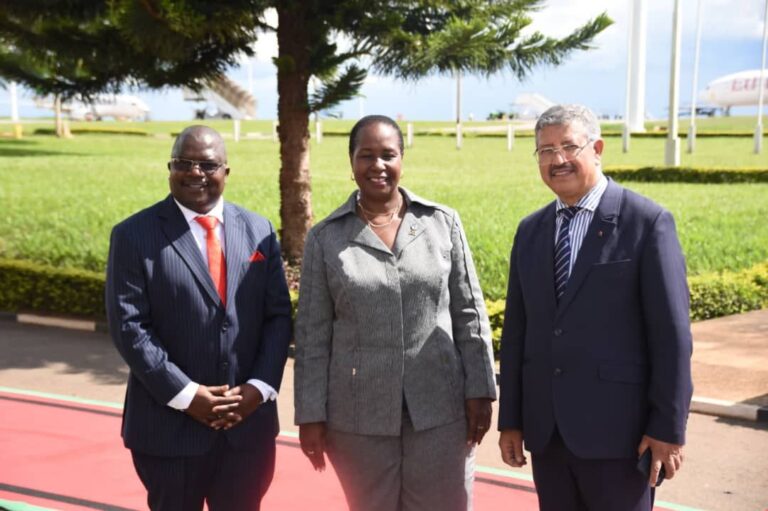
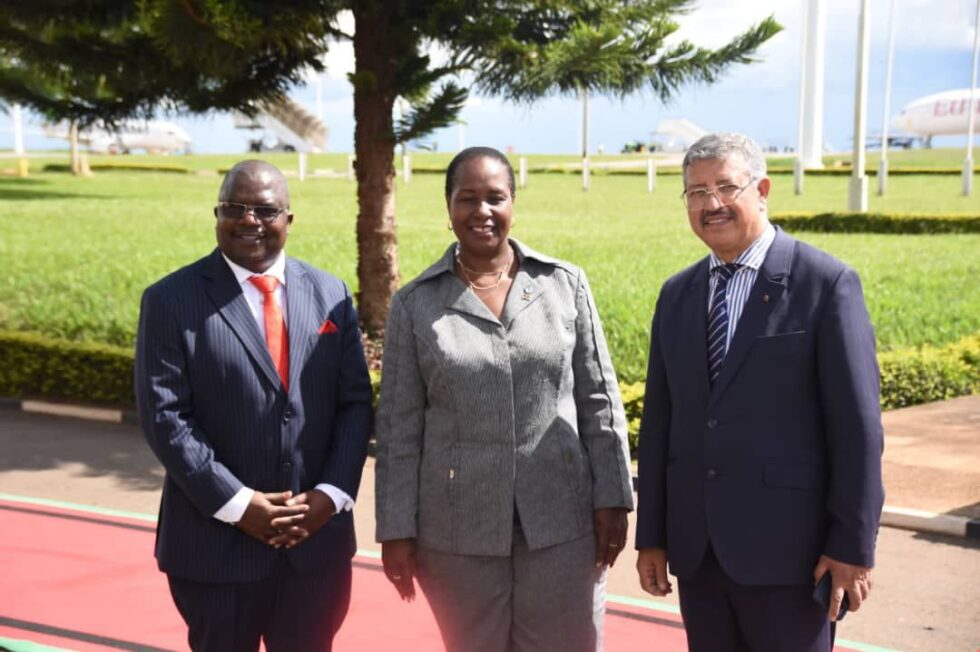
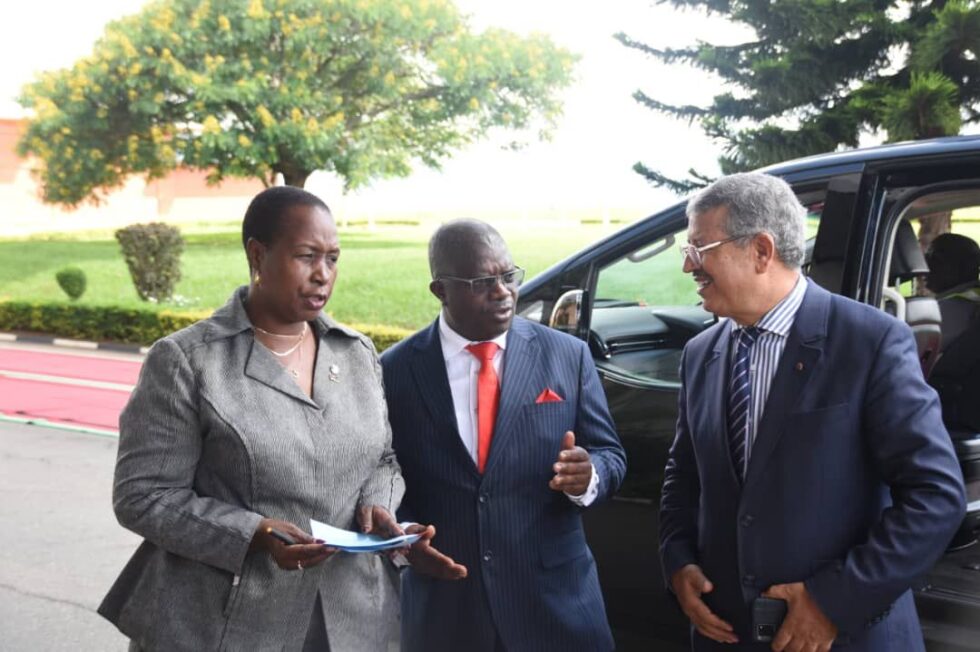
Today, February 4, 2025, marked a significant milestone for 15 Malawian students as they embarked on an exciting academic journey to Morocco, courtesy of a prestigious scholarship. The Minister of Higher Education, Dr. Jessie Kabwila, bid farewell to the students at Kamuzu International Airport, acknowledging the scholarship as a testament to Malawi’s commitment to educational excellence and international collaboration.
Dr. Kabwila emphasized the importance of the students’ role as ambassadors of Malawi, fostering connections between the two nations. She encouraged them to make the most of their experiences, which will not only enhance their lives but also reinforce the mutual respect and shared aspirations for progress that bind the two countries together.
The Moroccan Ambassador, Naji Abdelkader, also graced the occasion, extending heartfelt congratulations to the students on behalf of the Moroccan government and people. He highlighted the significance of the initiative, which aims to enhance skills and foster international collaboration, benefiting both nations.
This scholarship program has already seen 69 students sent to Morocco, with the 15 departing today bringing the total to 84. An additional 16 students are slated to depart next week, reaching a milestone of 100 students. The program is a shining example of the strong educational ties between Malawi and Morocco, and its impact will undoubtedly be felt in the years to come.
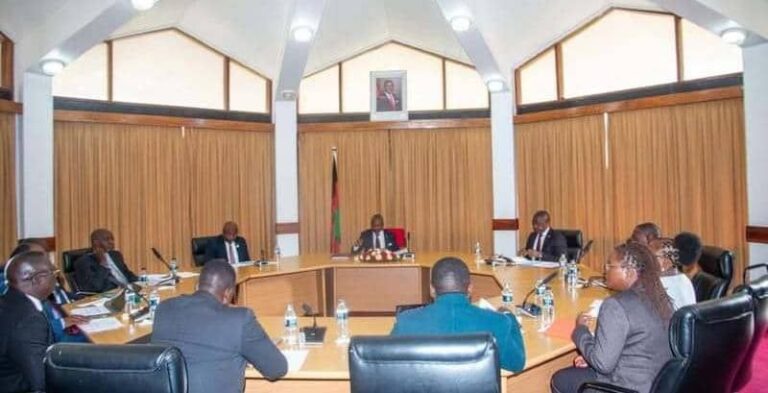
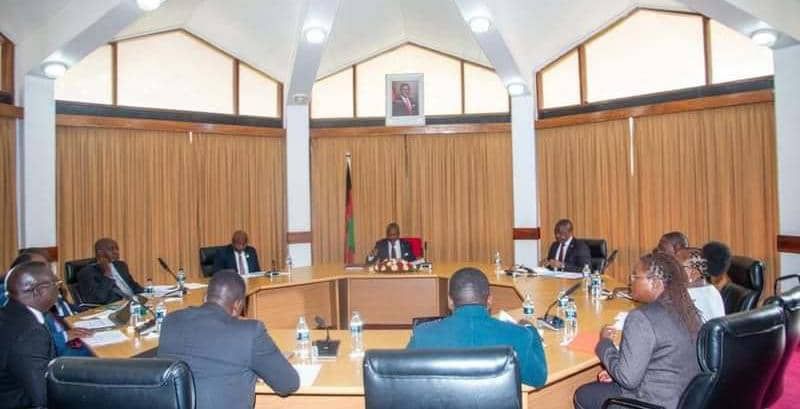
In a development that has sparked outrage among stakeholders and the general public, Secretary to the President and Cabinet (SPC) Colleen Zamba has controversially skipped a crucial fuel stakeholders’ meeting convened by Vice President Michael Usi, who also serves as the Minister of Public Service Delivery. Her absence has fueled speculation of internal resistance and potential sabotage amid Malawi’s ongoing fuel supply crisis.
The high-level meeting was expected to address pressing concerns surrounding fuel shortages, price volatility, and logistical challenges affecting the country. Given her influential role in government affairs, Zamba’s decision to shun the meeting was not only conspicuous but also perceived as an act of defiance. Critics argue that her no-show signals deeper divisions within government institutions at a time when unity and strategic coordination are essential to resolving the crisis.
Stakeholders in the energy sector, including fuel importers, distributors, and regulatory authorities, had gathered with expectations of finding sustainable solutions. However, Zamba’s absence raised questions about her commitment to addressing the challenges, especially amid growing concerns that bureaucratic inefficiencies and internal wrangling are exacerbating the situation.
Political analysts and governance experts have weighed in on the matter, with some interpreting her move as a deliberate attempt to undermine Vice President Usi’s authority. Others suggest that it reflects broader dysfunction within Malawi’s administrative structure, where high-ranking officials are increasingly seen as prioritizing political maneuvering over national interest.
Meanwhile, Vice President Usi remained resolute, emphasizing the urgency of collaborative efforts to mitigate the fuel crisis. Addressing stakeholders at the meeting, he reassured them that the government is committed to finding solutions, regardless of any internal resistance.
“We cannot afford to play politics with issues that directly affect Malawians. Our focus should be on resolving these challenges with urgency and transparency,” Usi stated.
Public reaction to the development has been swift, with many Malawians expressing frustration over what they perceive as unnecessary power struggles within government circles. Calls for accountability and decisive leadership have grown louder, as citizens continue to grapple with fuel shortages that have disrupted businesses and daily life.
As the controversy unfolds, all eyes remain on President Lazarus Chakwera, who is expected to take a stance on the matter. Whether Zamba’s absence was a calculated move or a mere scheduling conflict, the implications of her actions continue to dominate national discourse. The fuel crisis remains a pressing issue, and Malawians are demanding not just explanations but tangible solutions.
A Local Non-Governmental Organization (NGO)-There is Hope (TIH) says it has been expanding its Vocational Training School activities at the Dzaleka Refugee Camp in Dowa district under the Skills Up! Projects, being implemented in coordination with Welthungerhilfe (WHH).
The phase one of the project targeting 285 youth from 15-35 years within Dowa district kickstarted in February 2023 and completed in July 2024 through their technical and vocational school training in Bricklaying, Plumbing, Carpentry and Joinery, fabrication and Welding, Tailoring and Fashion designing, Solar installation and maintenance.
Madalitso Mvula-we are expanding activities to other programs.
Through the Skill Up! Project, TIH has expanded its activities to other programs such as Entrepreneurship, Life Skills and Digital skills, Digital Literacy, Business incubation and Mentorship program, Students Attachments and provision of start-up kits to 288 participants 165 Malawians and 123 refugees in the first phase.
Updating the District executive committee (Dec) in Dowa, There is Hope’s Communication Coordinator Madalitso Mvula, said TIH has is now implementing Phase 2 of the Skill Up! Project from October 2024 until 2027, with a vision to see to it that there is sustainable livelihood through self-reliance and economic well-being for refugees and host communities in designated areas in Malawi.
Mvula said TIH has a mission of dedicated to unlocking potential by providing refugees and their host communities with access to opportunities for education, artisan skills and spiritual well-being to foster a robust foundation for self-reliance, dignity, and shared harmony.
He said the project will cover programs such as Entrepreneurship, business incubation, life skills, digital literacy and business mentorship. He said project Skill Up is targeting youth from all the eight traditional authorities of Dowa district. The officer said the project will link participants to potential employers and business owners, provision of scholarships and work-suits to 66 vulnerable girls, and tree planting exercise responding to the environment, among other expanded activities.
However, Mvula said the project is learned some lessons from phase one in the course of implementation such as business owners concerned over the risk of having their workshop materials damaged, business owners preferred to take on board formal TVET participants for internships, and insufficient computers during the training.
“There’s communication gaps between some graduates, the officers and business owners, lack of observation or assessment tools for business owners and lack of standardized assessment tools to evaluate soft skills (communication, team work and adaptation,” he said.
Mvula said Skill up! Phase 2 will end on 30th September, 2027 with a funding volume of 699,930 Euros which is approximately K1,268,973,090 expanding activities to post training support, entrepreneurship, business, capacity building and monitoring.