The government of Malawi and and United Nation (UN) have made a cooperation to enhance sustainable development which will help the country in the implementation of Malawi 2063, the Malawi Implementation Plan ( MIP 1), and other sustainable development goals.
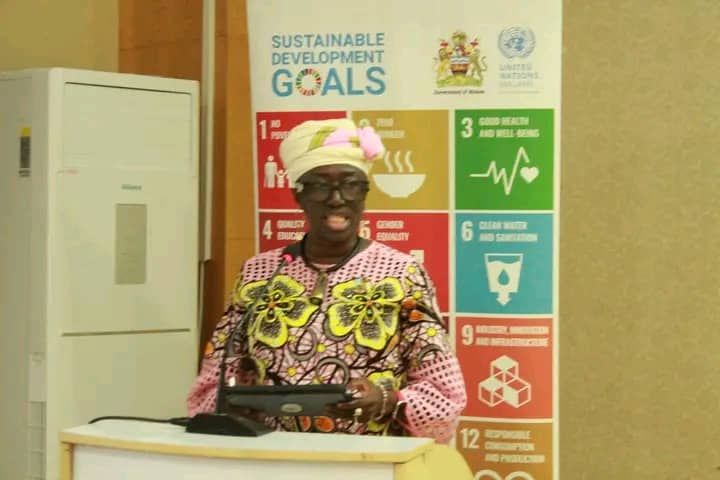
Speaking during the joint National Steering Committe Agenda through UN Sustainability Cooperation Framework (UNSDCF) on Friday in Lilongwe, secretary to the president and cabinet Collen Zamba said the cooperation will be used as a tool or platform by the UN to implement development programmes in the country.
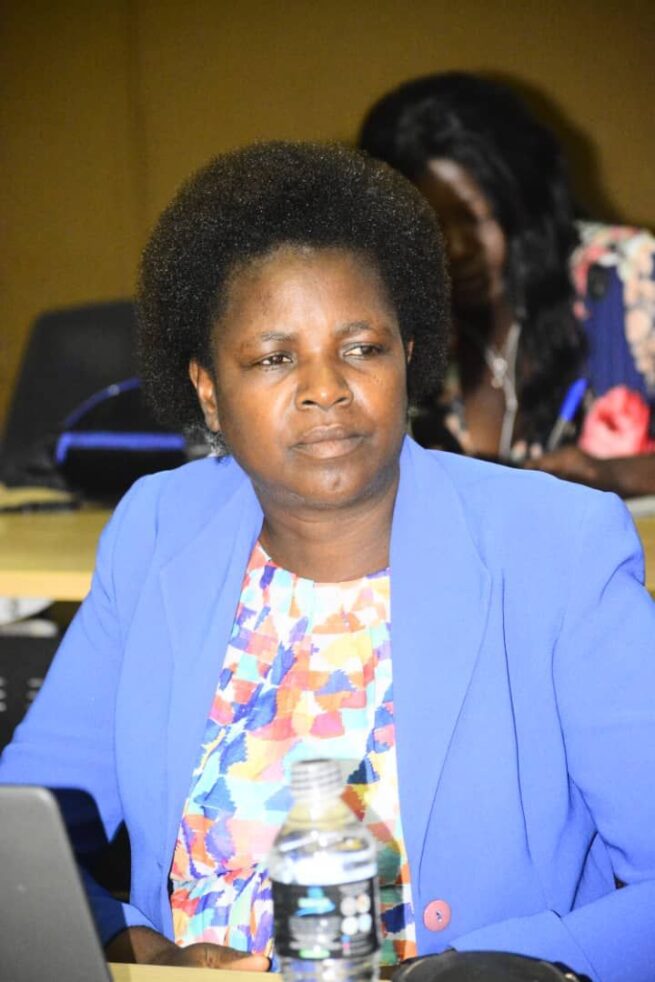
Rabecca Adda-Dontoh
Zamba emphasised that the development of the cooperation framework in aligned with the Malawi 2063 and the SDG’s.
She described that they developed a joint work plan known as a steering committee to provides oversight inorder to make sure that the implementation is taking place.
In her remarks UN Malawi Resident coordinator Rabecca Adda-Dontoh said the cooperation framework shows the UN commitment to share with Malawi government to enhance sustainable development, promote inclusivity and leaving no one behind.
Dontoh described that after one year down the line they shows their transparency and accountability in the spirit of partnership to examine the implementation of the cooperation framework.
The UNSDCF started in 2024 whereby both Zamba and Dontoh are the co-chair of the cooperation.
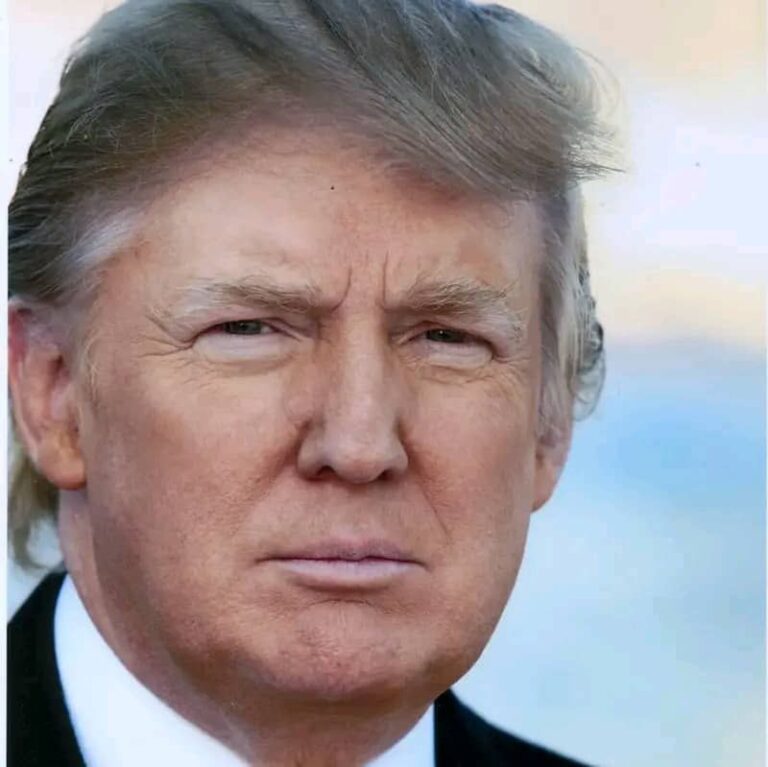
In a recent post on his Truth Social platform, former U.S. President Donald Trump expressed his thoughts on the release of six American hostages from Venezuela, a development that has garnered international attention. The hostages were freed after being detained in Venezuela for an extended period, a situation that has drawn both praise and skepticism regarding the diplomatic efforts involved.
Trump, who has always been vocal on issues related to national security and international diplomacy, took to his social media platform to celebrate the release. His statement reflects the significance of the move and the delicate negotiations that might have taken place behind the scenes. In his post, Trump thanked the individuals and organizations involved in securing the release and highlighted the importance of U.S. citizens’ safety abroad.
Trump
While Trump’s message was one of appreciation for the successful negotiation, he also subtly pointed out the diplomatic measures he had taken during his presidency to deal with situations like this one. The release of the hostages comes amid heightened tensions between the U.S. and Venezuela, and it raises questions about the future of U.S.-Venezuela relations.
The six Americans had been held in Venezuela under various charges, with some facing accusations of involvement in activities against the Venezuelan government. Their release follows a series of back-and-forth discussions, which many believe were part of broader diplomatic negotiations between the two countries. The circumstances surrounding their release remain unclear, but the diplomatic channels between the U.S. and Venezuela were evidently active during the entire ordeal.
Trump’s comments on the release serve not only as a reflection of his administration’s approach to foreign diplomacy but also as a pointed reminder of the importance of strong leadership in the face of international crises. His remarks underscore his belief in putting the safety and well-being of American citizens first, especially when they are detained in foreign countries under contentious circumstances.
This incident also highlights the complexities of international relations, particularly with countries like Venezuela, where political tensions with the U.S. have been high for years. The release of the hostages is a positive development, but it also prompts further scrutiny of the policies and strategies employed by both the U.S. government and the Venezuelan regime.
Trump’s Truth Social post, which celebrated the return of the hostages, also serves as a reminder that the issue of Americans being detained abroad is a long-standing challenge for U.S. foreign policy. While the release is a victory for the families of the hostages and for the country, it is also a reminder of the intricate and often unpredictable nature of international negotiations.
In the coming weeks, further details about the release may emerge, shedding light on the negotiations that led to this outcome. Meanwhile, the U.S. government will likely continue to monitor the situation in Venezuela, as the dynamics between the two nations remain complex and fraught with tension.
The release of these six hostages has been met with relief and gratitude, but it also serves as a testament to the challenges that still lie ahead in the realm of international diplomacy. How the U.S. continues to engage with Venezuela and other nations with whom relations are strained will remain a crucial aspect of foreign policy moving forward.
The Churches Action in Relief and Development (CARD) says it is set to implement Agro-ecology for Community Transformation and Integrated Value Chain Enterprise (ACTIVE) project in the areas of two traditional authorities Msakambewa and Mponela in Dowa district.
The project is targeting 300 old farmers and 650 new farmers for T/A Msakambewa, under GVH Kafanikhale (Nachisaka EPA) and T/A Mponela GVH Mkuziwaduka (Mndolera EPA) for increased food security, cash income and resilience against climate change induced disaster.
Chifundo Macheka
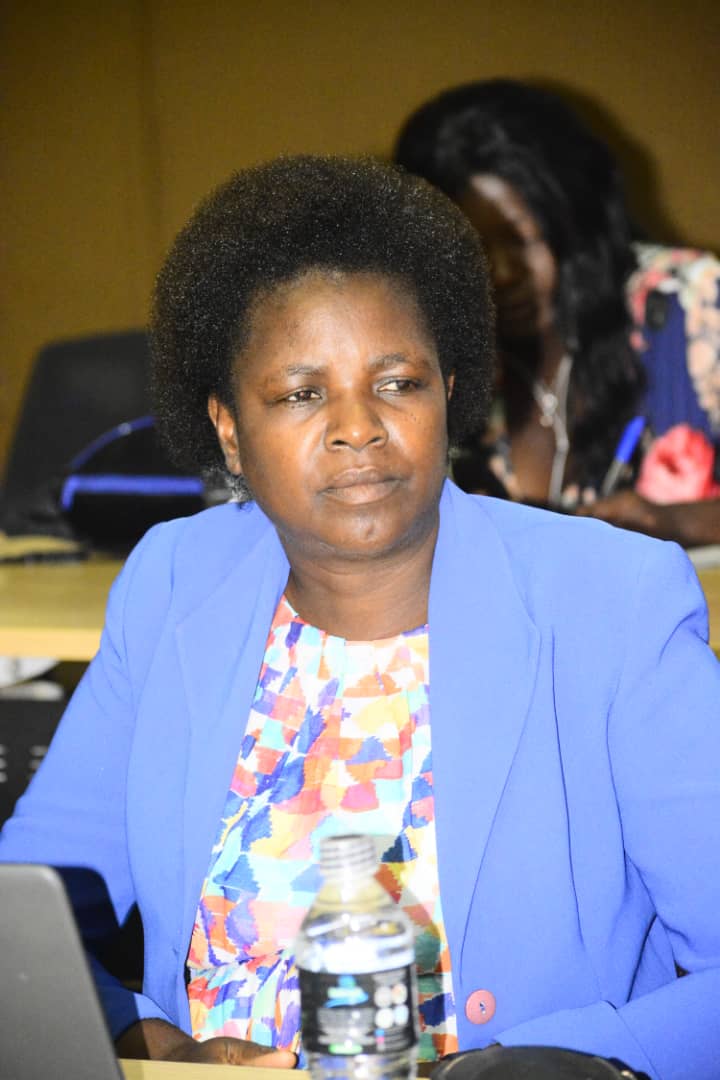
Introducing the project to the District executive committee (Dec) in Dowa, CARD’s Project Officer, Chifundo Macheka, said the overall objective of the project is to improve smallholder farmer’s productivity for food, nutrition and income security and hindered by the effects of climate change in Dowa district.
Macheka said the project will promote food and income security through diversified livelihoods such as organic farming, conservation agriculture, small-scale irrigation, fish farming, pig farming, bee keeping farmer organization, Village Savings and Loans and disaster risk management.
She said the project will see to it that smallholder farmers particularly women in the targeted households have increased their food security, cash income and have enhanced their resilience against climate change induced disaster.
The officer said the project will enhance capacity building of lead farmers in soil, water conservation, tree nursery establishment, crop and livestock integration through procuring pigs on pass-on program and training farmers in local seed multiplication.
She said the project will enhance capacity of farmer producers on group organization, business development through procurement of processing equipment for cooperatives and provision of start- up capital to producer groups with K4 million per group.
“The project will see to it that farmers are engaged in small-scale irrigation as business –procurement and provision of solar mobile kits and capacity building and management of solar mobile kits,” said Macheka.
She said the project will train disaster risk management committee in disaster risk management, provision of micro grants for local led participatory actions and increased cross learning and information sharing among key players on agro-ecology farming sector.
Macheka said the project will conduct and hold field days on agro-ecology farming system and seed fairs for local varieties and conducting learning visit for cooperatives to successful cooperatives as well as conducting learning visits to successful areas with high adoption of agro-ecology farming system within Malawi for some selected lead farmers.
CARD will implement Agro-ecology for Community Transformation and Integrated Value Chain Enterprise (ACTIVE) project in Dowa district to Auguspt, 2029 with a total project budget of 377,777 Euros
A widely followed social media page, Bakili Muluzi TV, has sparked controversy with fresh allegations of corruption involving former Vice President Saulos Chilima and former Reserve Bank of Malawi (RBM) Governor Dr. Dalitso Kabambe. In a Facebook post, the page claims to have incriminating audio recordings and documents linking the two politicians to various financial scandals, including the procurement of 200 vehicles and dealings related to businessman Zuneth Sattar.
“If we want to expose someone, we release audio recordings and documents so that Malawians can judge for themselves,” the post reads. “If you want to know more about the corruption of Chilima and Kabambe, keep testing us. I mean you, who call yourselves UTM champions. We have details on the 200 vehicles, the audios of Chilima concerning Sattar, and the Reserve Bank issues, but we have been showing respect. So be careful.”
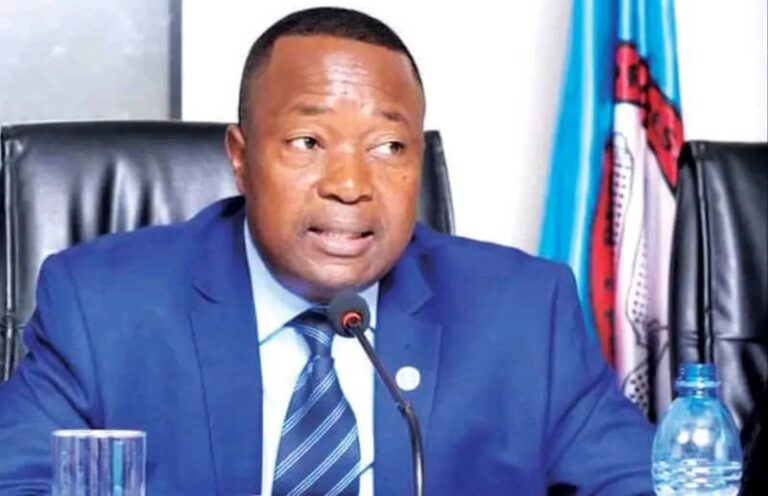
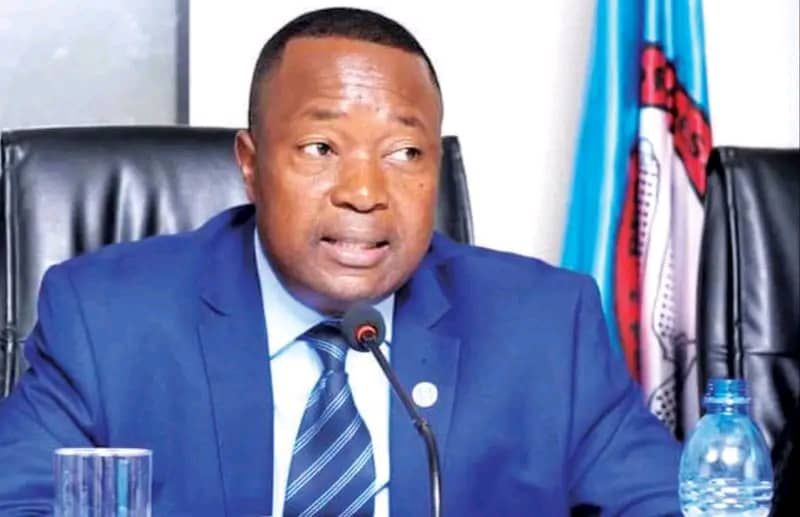
Kabambe
The post, which ends with the statement “History is the best teacher,” has stirred debate among social media users, with some demanding evidence while others see it as a politically motivated attack.
This is not the first time that corruption allegations have been made against prominent Malawian politicians. Chilima, who passed away in June 2024, had previously been implicated in the Sattar case, while Kabambe has also faced scrutiny over financial mismanagement during his tenure as RBM Governor. However, no substantial evidence has been made public linking the two to direct wrongdoing.
The claims made by Bakili Muluzi TV come at a time when Malawi continues to grapple with high-profile corruption cases. While the page has not yet released any documents or audio recordings to substantiate its allegations, its post has fueled speculation and added to ongoing political tensions.
As the discussion unfolds, the public will be keen to see whether these claims lead to concrete revelations or remain mere political rhetoric. The demand for transparency and accountability in Malawi remains high, and such allegations only reinforce the need for thorough investigations into corruption cases affecting the nation.
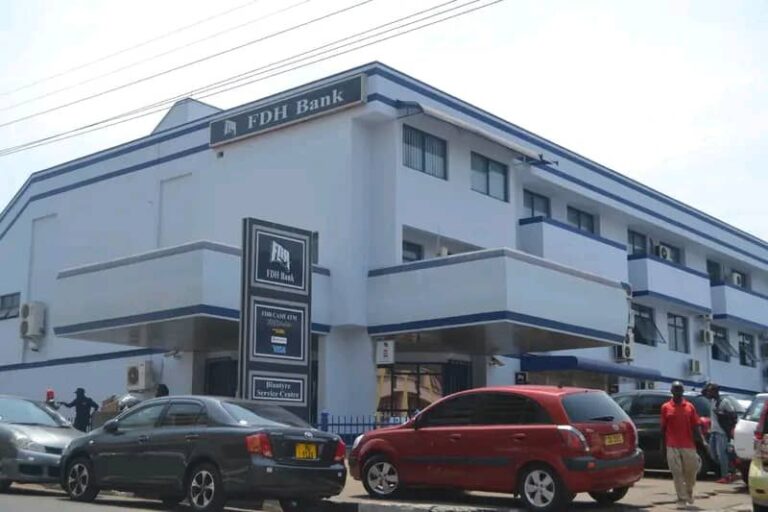
FDH Bank plc has achieved a remarkable milestone by reaching a market capitalisation of K1.9 trillion, making it the second most valuable company on the Malawi Stock Exchange (MSE) after National Bank of Malawi (NBM) plc. This achievement underscores the bank’s rapid growth and increasing dominance in the financial sector, as indicated by the latest market data.
This development comes just four months after FDH Bank first hit the K1 trillion market capitalisation mark, a feat that positioned it as the third-largest company on the MSE at the time. Before reaching this stage, only two other companies—FMB Capital Holdings and Airtel Malawi—had crossed the K1 trillion threshold. FDH Bank’s continuous upward trajectory has now propelled it ahead of its competitors, solidifying its status as a key player in Malawi’s financial landscape.
Since its listing on the MSE four years ago, FDH Bank has demonstrated exceptional financial growth. The bank’s initial public offer (IPO) was valued at K60 billion, meaning it has now added an impressive K1.83 trillion to its market capitalisation over the years. This rapid expansion reflects the bank’s strong business strategy and its ability to attract investor confidence in a competitive market.
FDH Bank plc’s head of marketing and communications, Levie Nkunika, previously attributed this success to the institution’s resilience and strategic approach to maintaining competitiveness. “The bank has been resilient and strategic in its approach towards competitiveness,” Nkunika stated, emphasizing how FDH Bank has managed to adapt to market dynamics while maintaining a strong financial position.
The bank’s remarkable performance on the stock market signifies not only its own success but also the growing strength of Malawi’s financial sector. As FDH Bank continues to expand, market analysts and investors will be keen to see how the institution builds on this achievement and maintains its position as one of Malawi’s leading financial institutions.