Wednesday, May 6, 2026
No menu items!
spot_img
Home Blog Page 761

Africans criticize Kagame in live facebook session: A public showdown

By Burnett Munthali

In an unprecedented move, African citizens have taken to President Paul Kagame’s official Facebook page to express their dissatisfaction with his leadership, marking a rare moment of direct engagement with a sitting head of state. The live session, which was meant to be an opportunity for the Rwandan president to address his followers and share updates, turned into a fiery confrontation as people from across the continent aired their grievances openly.

The live session, which was streamed on Kagame’s official Facebook page, began like many others, with the president offering brief remarks on Rwanda’s development and his vision for the country. However, what was expected to be a routine communication quickly escalated as viewers began flooding the comment section with questions and comments that challenged Kagame’s policies and leadership style.
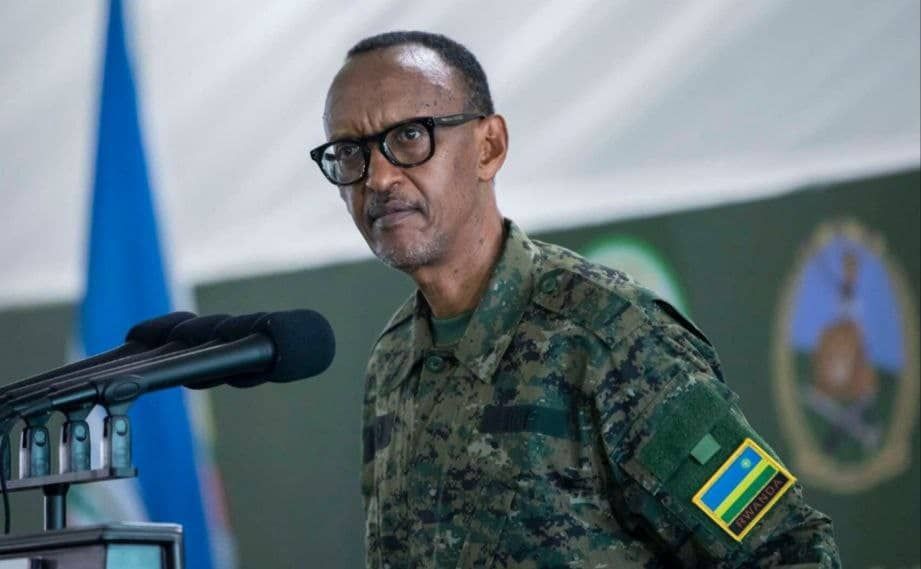
Kagame

It was evident that the session was not going as planned, as the comments grew increasingly critical. Many of the responses were from Africans who took the opportunity to directly address Kagame, calling out his administration on a variety of issues. Some criticized the lack of political freedoms and human rights in Rwanda, while others questioned his long-standing rule, which has seen Kagame in power for nearly two decades.

“Why is it that anyone who opposes you gets silenced?” one comment read. “Rwanda is not a democracy; it’s a dictatorship in disguise,” another user stated. These comments, among many others, came from individuals who were determined to challenge Kagame’s narrative, raising concerns about political repression, media freedom, and the limits placed on political opposition in Rwanda.

The intensity of the responses reflected a growing sentiment across the continent that African leaders must be held accountable for their governance. With social media becoming an increasingly powerful tool for public discourse, the live session became an open forum for voicing discontent. The ability for ordinary citizens to directly address the president in real-time highlighted the power of digital platforms in shaping political conversations and providing a space for citizens to hold leaders accountable.

President Kagame, known for his assertive leadership style, did not shy away from responding to some of the criticisms. However, his responses were measured, often reiterating his focus on development and the achievements of his government, including Rwanda’s economic progress, healthcare advancements, and strides in education. Kagame’s supporters also joined the live session, defending his leadership and highlighting the positive changes made under his administration. These supporters argued that while criticisms should be welcomed in a democracy, they should also recognize the strides made in stabilizing Rwanda after the 1994 genocide.

Despite the back-and-forth, the session’s tone was undeniably more confrontational than what would typically be expected from such a platform. The event seemed to mark a shift in how African leaders engage with their citizens in the digital age, where social media has become an increasingly direct avenue for public engagement, criticism, and protest.

The clash between Kagame and his critics on his own Facebook page is a microcosm of a larger debate within Africa about governance, leadership, and democracy. For many citizens, it was an opportunity to speak truth to power, to challenge a leader who has been in power for an extended period and who has often been praised for his role in Rwanda’s post-genocide recovery, but also criticized for curbing political freedoms and silencing opposition.

This public confrontation has sparked a broader conversation about the role of social media in African politics. While many view it as a democratizing force that empowers citizens to engage with their leaders, others warn that it could also lead to greater polarization and online vitriol. The incident underscores the growing importance of digital platforms in African political discourse and highlights the challenges leaders face in navigating public opinion in the age of social media.

As the live session continued, it became clear that social media is not just a tool for political leaders to broadcast their messages but also a platform for citizens to engage in real-time, express dissatisfaction, and challenge those in power. This moment of public confrontation is indicative of a broader shift in African politics, where citizens are increasingly empowered to hold their leaders accountable in ways that were once unimaginable.

Whether this online confrontation will have any lasting impact on Kagame’s political trajectory remains to be seen. However, the sheer volume of criticism he faced during the session suggests that many Africans are ready to challenge the status quo and demand more from their leaders. It serves as a reminder that in the digital age, no leader is immune from the scrutiny of their citizens, and the power of social media is reshaping how leaders interact with the public.

As the conversation surrounding Kagame’s leadership continues to unfold, this incident may serve as a pivotal moment in the growing movement for political accountability across Africa. It remains to be seen how Kagame will respond in the coming days, but one thing is clear: the relationship between African leaders and their citizens is increasingly being shaped by the power of social media, and it is a force that cannot be ignored.
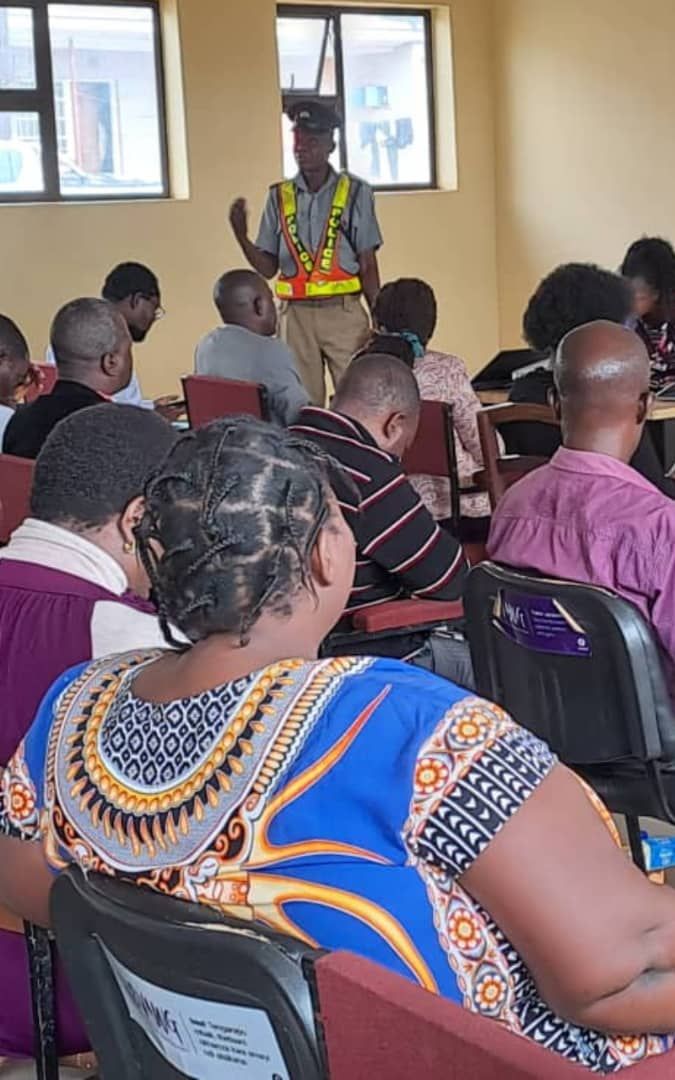
Dowa Police investigations reveals increasing criminality cases at Dzaleka

0


By Vincent Gunde

Dowa Police Station’s investigations has found out that there is public outcry contributing to high percentages of criminal cases which are emanating from drinking places surrounding Dzaleka Refugee Camp in the district.

The Police Station has discovered that some drinking places are opening the whole night without limited time because their licenses are allowing them to do so describing this as a cause of insecurity in and surrounding the Camp.

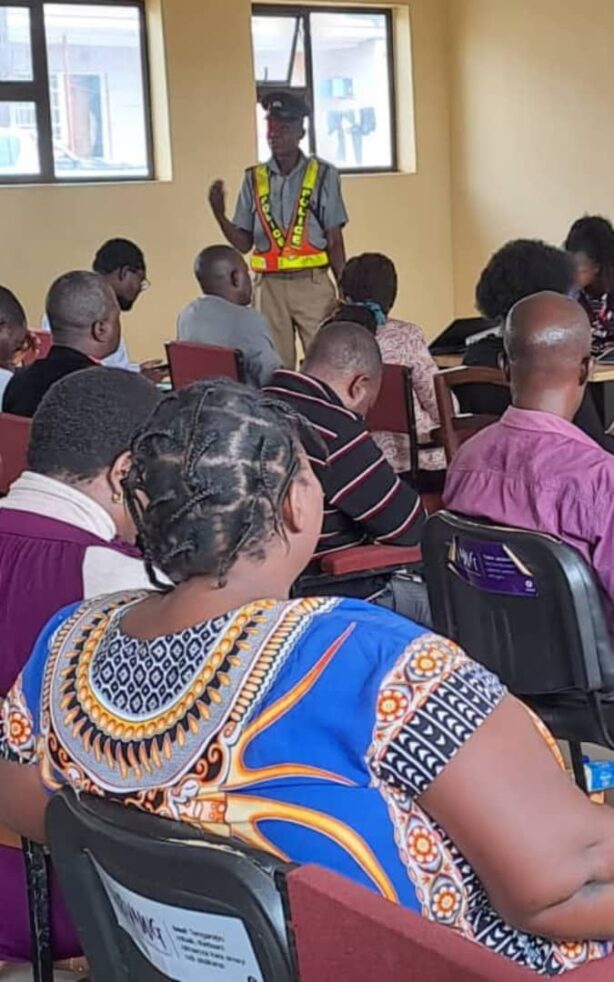
Sub. Insp. Western Makweya briefing Dec members on security concerns at Dzaleka Refugee Camp.

The Station said bars operating without limitation, poverty, information sharing, dangerous drugs and criminal harboring, have contributed to increasing cases at Dzaleka Camp and the surrounding hosts communities.

Briefing the District executive committee (Dec) in Dowa, Dowa Police Station’s Community Policing Coordinator, Sub. Insp. Western Makweya, said police in the district took an initiative to discuss issues of security sexual related cases and criminal activities within the Camp.

Makweya said several meetings were organized in 2024 hand in hand with PLAN Malawi with community policing under Dzaleka Refugee Camp and zone leaders and this included community bar owners, sex workers, and youth clubs.

He said during the meetings it came to light that bars especially Night Clubs are having a lion share, a contributing factor to crime rate inside the Camp because they are operating without limit which is also creating a honeymoon for criminals to commit crimes giving an example of ADENO Night Club.
                                              
The Community Policing Coordinator said Dzaleka Camp was established in 1994 initially designed to accommodate 12,000 people on an area of 201 hectares of land but currently, is hosting 50,000 plus refugees from countries like Ethiopia, Rwanda, Somalia, DRC and Burundi.

“Each and every passing day, the Camp is receiving new arrivals, some of these are soldiers who committed various atrocities in their respective countries and when they come in Malawi, they change their names,” said Makweya.

Dowa district has two main Police Stations, one at Mponela covering Dowa Central, North, Ngala and the Western side in the areas of Traditional Authorities Mponela, Chakhaza, Dzoole and Kayembe and boma headquarters covering Dowa South East, North East and East in the areas of Traditional Authorities Nkukula, Msakambewa and Chiwere.

MCP Youth Wing responds to Dr. Dalitso Kabambe’s open letter to President Chakwera

0

By Burnett Munthali

The Malawi Congress Party (MCP) youth wing has issued a strong rebuttal to Dr. Dalitso Kabambe’s recent open letter to President Lazarus Chakwera, accusing the former Reserve Bank of Malawi (RBM) Governor of being responsible for the economic hardships currently facing the country. The response, which was published on the MCP youth wing’s Facebook page, dismisses Kabambe’s concerns about Malawi’s economic crisis, arguing that he played a key role in creating the very problems he now complains about.

In their letter, the MCP youth wing outlines multiple ways in which they believe Dr. Kabambe “destroyed” Malawi’s economy during his tenure as RBM Governor. They accuse him of account manipulation, stating that he misrepresented Malawi’s financial data to create a false impression of economic stability. According to the response, Kabambe inflated foreign reserves to mislead policymakers, which resulted in poor economic decisions and reckless government spending that worsened the country’s financial position.


The response also alleges that Dr. Kabambe’s actions led to distorted fiscal policies, arguing that his manipulation of economic data made it impossible for the Reserve Bank to effectively manage inflation or stabilize the local currency. This, they say, contributed to the devaluation of the Kwacha, which has led to soaring prices of essential commodities.

Furthermore, the MCP youth wing claims that Kabambe’s leadership at RBM scared away foreign investors. They argue that his financial misreporting created uncertainty in the investment sector, making Malawi an unattractive destination for international businesses. This lack of foreign investment, according to the response, has denied the country much-needed jobs, technology, and economic opportunities.

Another major accusation leveled against Kabambe is that his financial manipulations undermined trust in Malawi’s banking system. The response states that falsified economic records damaged the credibility of financial institutions, causing many people to turn to the informal economy rather than rely on banks. This, they argue, has made it difficult for legitimate businesses to thrive.

The response goes further to claim that Kabambe’s actions blocked international financial assistance. According to the MCP youth wing, his alleged falsification of economic data resulted in Malawi losing credibility with international donors and financial institutions. As a result, they say, the country struggled to secure loans and grants for essential sectors such as infrastructure, education, and healthcare.

Financial instability is another issue that the youth wing blames on Kabambe. They argue that his misrepresentation of economic data hid serious financial challenges within Malawi’s banking system. This, they claim, created a false sense of security and increased the risk of banking crises and currency devaluations, leading to business closures and rising unemployment.

Additionally, the response accuses Kabambe of enabling corruption by allowing financial mismanagement to go unchecked. They argue that his actions made it easier for corrupt individuals and money launderers to operate without fear of scrutiny, thereby worsening Malawi’s economic crisis.

Finally, the MCP youth wing asserts that Kabambe’s actions obstructed sustainable economic growth. They argue that without accurate economic data, the government was unable to plan effectively or attract investment, which has slowed down progress in reducing poverty and improving living standards.

The response concludes by stating that Dr. Kabambe’s tenure as RBM Governor contributed significantly to Malawi’s current economic struggles, including high inflation, fuel shortages, and a lack of foreign currency reserves. Instead of writing letters to criticize the current administration, they argue that he should take responsibility for his past actions.

“Malawians are suffering because of the mistakes you made,” the response states. “If you truly care about Malawi, admit your failures and stop playing politics. We need leaders who are honest and accountable, not those who hide the truth and destroy our economy.”

The exchange between Dr. Kabambe and the MCP youth wing highlights the ongoing political and economic debate in Malawi, with both sides blaming each other for the country’s challenges. As the 2025 elections approach, such exchanges are likely to intensify as political players position themselves ahead of the polls.

Wanderers unveils Bob Mpinganjira as new Head Coach

0


By Durell Namasani


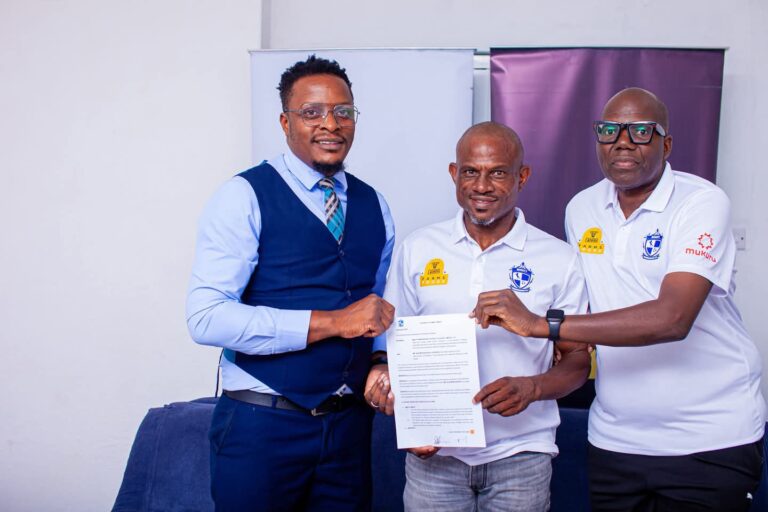
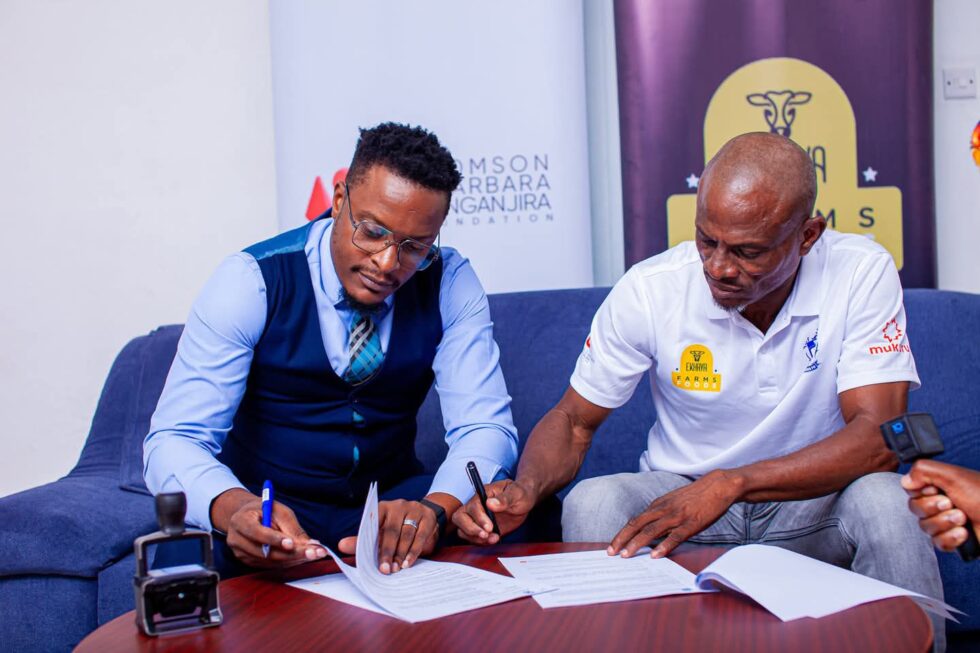
Mighty Wanderers has officially unveiled Bob Mpinganjira as their new Head Coach.

Wanderers Chief Executive Officer (CEO), Panganeni Ndovi said Mpinganjira has wealth of experience in the local game and has achieved a lot with the Nomads.

In his acceptance speech, Mpinganjira described his appointment as an honour saying that he will work hand in hand with his backroom staff to bring glory to the Nomads family.

New coach Bob Mpinganjira


Mpinganjira obtained  CAF A Coaching License in 2016 and has also undergone short term coaching courses in England and Budapest Hungary.

Previously,  Mpinganjira guided the Nomads to winning the FISD Challenge Cup in 2019.

Last season, Mpinganjira guided the Nomads to winning the Castel Challenge Cup and finished as the TNM Super League’s runners up.

High Court reinstates former MACRA Director General Godfrey Itaye and 15 others

0

By Burnett Munthali

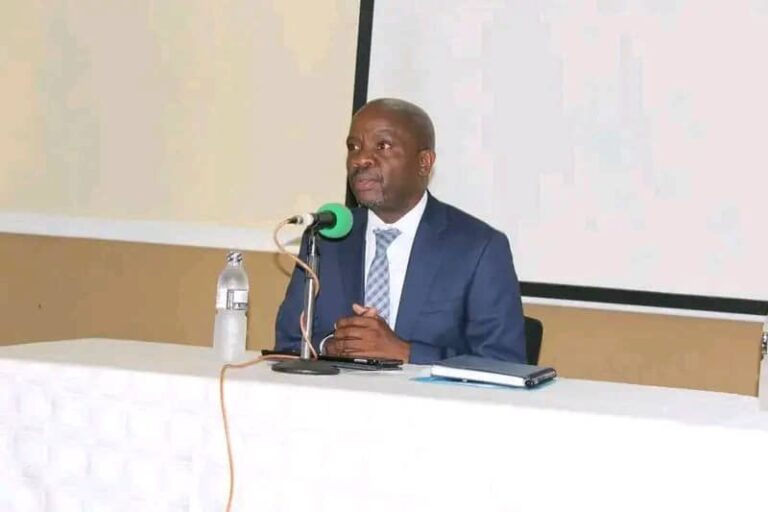
In a landmark ruling, the High Court in Blantyre has ordered the reinstatement of former Director General of the Malawi Communications Regulatory Authority (MACRA), Godfrey Itaye, along with 15 other employees whose contracts were terminated following an investigation by the Ombudsman. The decision, delivered by Judge Mandala Mambulasa in a detailed 64-page judgment, has been hailed as a significant victory for Itaye and his co-workers, who had contested their dismissal.

The case stemmed from an investigation initiated by the Ombudsman after an anonymous complaint alleged irregularities in MACRA’s hiring practices. The Ombudsman proceeded with the probe, which ultimately led to the termination of Itaye and several other employees. However, Judge Mambulasa found that the investigation itself lacked legal merit, as it was not based on a valid and identifiable complainant. He ruled that MACRA had no legitimate grounds to dismiss its employees based on the findings of such an inquiry.

Itaye


The judgment underscores a critical aspect of due process in Malawi’s governance institutions. By emphasizing that a valid complaint must originate from an identifiable source, the ruling highlights the importance of procedural fairness in administrative actions. The decision could set a precedent for future cases where dismissals are carried out without proper adherence to legal requirements.

For Godfrey Itaye, this ruling comes amid a turbulent period in his career. The former MACRA chief has previously faced charges of fraud and abuse of office, allegations to which he pleaded not guilty. While this reinstatement may mark a legal victory for him and his colleagues, questions remain about the broader implications of their return to MACRA, particularly in an institution that has already undergone leadership changes since their dismissal.

Legal analysts and labor rights advocates have welcomed the judgment, describing it as a reaffirmation of employees’ rights against wrongful dismissal. The ruling also raises concerns about the manner in which government agencies conduct internal investigations and whether existing oversight mechanisms need to be reviewed to ensure fairness and compliance with legal standards.

As the reinstated employees prepare to return to their positions, the decision is likely to spark discussions on governance, accountability, and labor rights within Malawi’s public institutions. Whether MACRA will appeal the ruling remains to be seen, but for now, Itaye and his fellow employees have secured a hard-fought legal victory that restores their professional standing.