National Oil Company of Malawi (NOCMA) has refuted claims that fuel procurement funds are missing.
NOCMA spokesperson, Raymond Likambale has come clear on the allegations levelled against National Oil Company, (NOCMA) C.E.O and Board Chairperson, Colleen Zamba who happens to be Secretary to the President and Cabinet, (SPC) of embezzlement of funds at NOCMA.
Recently, the mainstream media was awashed by the news of Zamba being the great fuel heist crippling fuel shortages through syphoning about MK60 billion.
Zamba
But in a letter, Likambale has emphasized that funds are strictly monitored and inaccessible to individuals within the organization including the C.E.O and Board Chairperson as payments are made directly by BADEA to suppliers, ensuring no funds enter private accounts.
“NOCMA recently confirmed that telegraphic transfers for payments were successfully made on September 28, 2024, facilitating the importation of 40.8 million liters of fuel. These volumes would not have been possible if the funds were misused as alleged by some quarters. This facility is solely focused on securing fuel supplies for Malawians,” reads the letter in part.
He also said NOCMA remains committed and transparent as the organization provides evidence of transactions and emphasize that no individual, including C.E.O or Board Chairperson has access to BADEA funds.
He added that it is unfortunate that some are using misinformation to tarnish reputation of leardership as the volumes of fuel secured speaks evidence of the effective use of funds.
“The focus should be on solutions not baseless accusations. We are working tirelessly to stabilize the fuel supply and ensure that every Malawian benefits from this facility,” the letter concluded.
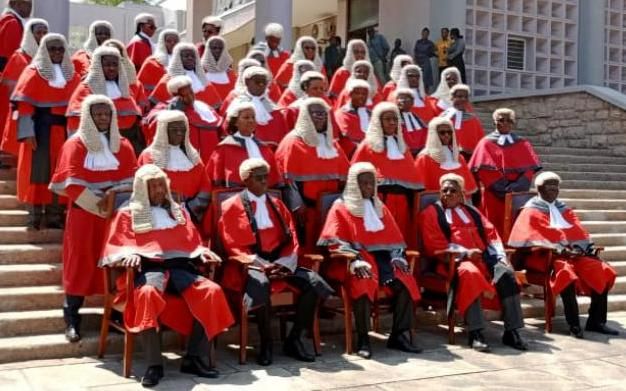
The Judicial Service Commission (JSC) says it is yet to begin its investigation into allegations of corruption against High Court Commercial Division Judge Kenan Manda and Child Justice Magistrate Diana Mangwana.
According to JSC Secretary Irene Chikapa, the investigation will commence after December 5, 2024, when the Commission closes its call for public submissions of information and evidence.
She says the Commission has extended the submission period to 14 working days and will meet after December 5 to review the evidence and strategize.
“Due to the upcoming festive holidays, the investigation may continue into January 2025” says Chikapa.
She has emphasized that the JSC relies solely on public information and hopes to receive more evidence by the cut-off date.
The JSC is investigating three cases handled by Manda and one case handled by Mangwana, following allegations made by lawyer Alexious Kamangila and a group of eleven women who accused Mangwana of being compromised.
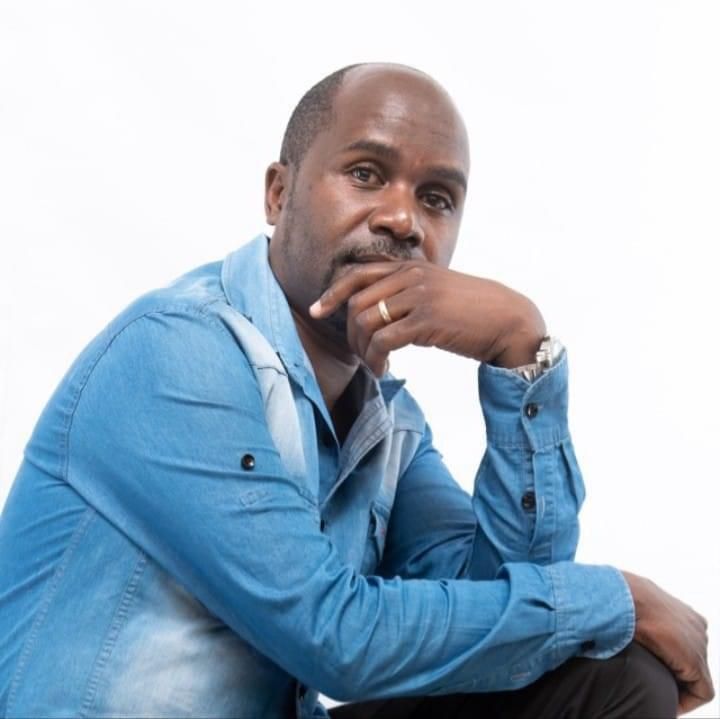
Mibawa Television popular presenter George Buliyani has expressed excitement with his nomination for this year’s Entertainer Of the Year (EOY) awards which is an annual event organised by state broadcaster Malawi Broadcasting Corporation (MBC).
Buliyani has been nominated in the category of Television Personality of the Year alongside Times Television Presenter Brian Banda and MBC TV 2 presenter Drew Jessie.
Speaking to 247 Malawi, Buliyani said he was very greatful for the nomination and said he appreciates the support he receives especially for his ‘Sapota’ program which is one of the most famous television programs in the country.
Buliyani
“I am very excited for this nomination and I am very thankful to those who took their time to nominate me for this category. I really feel honoured for the nomination and I would like to urge people to vote for me, the fight is not over yet, I need more votes to win this,” said Buliyani.
Buliyani started his television journey in 2015 as a producer at the now defunct Beta Television before joining Mibawa in 2018.
Since then, he has become the household name with his ‘Sapota’ program which is aired on Mibawa TV on Tuesdays and Fridays.
Apart from being the producer and presenter of Sapota, Buliyani also works as the Head of Mibawa TV Lilongwe Branch.
Entertainers Of the Year award ceremony is expected to take place on December 14 in Lilongwe.
People can vote by dialing *364# and follow the instructions that follows.
Below is the full list for those nominated in different categories
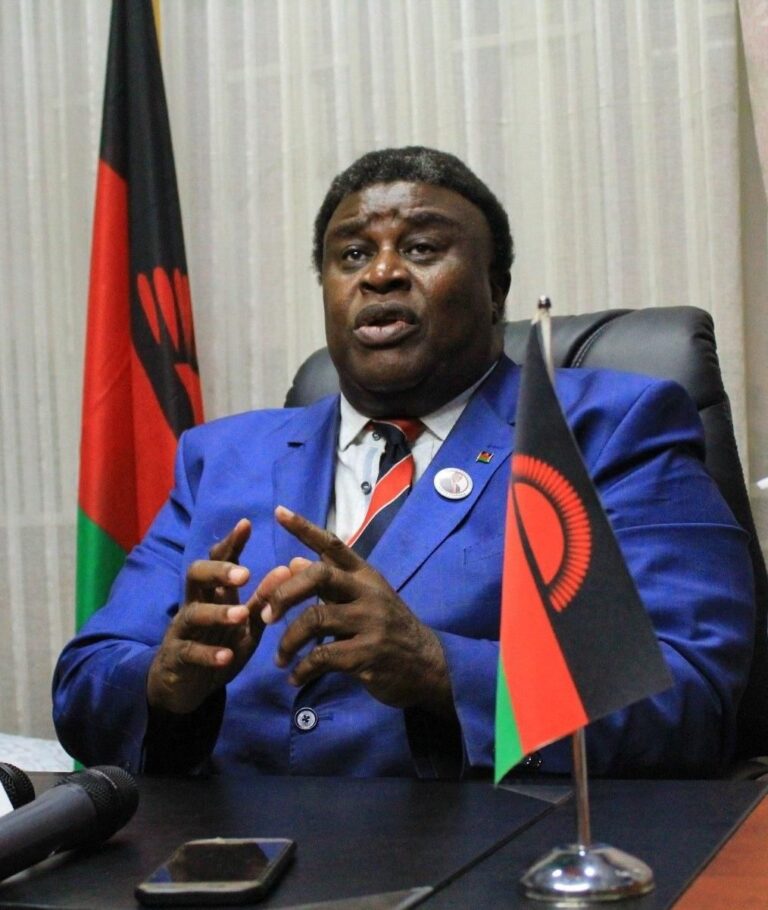
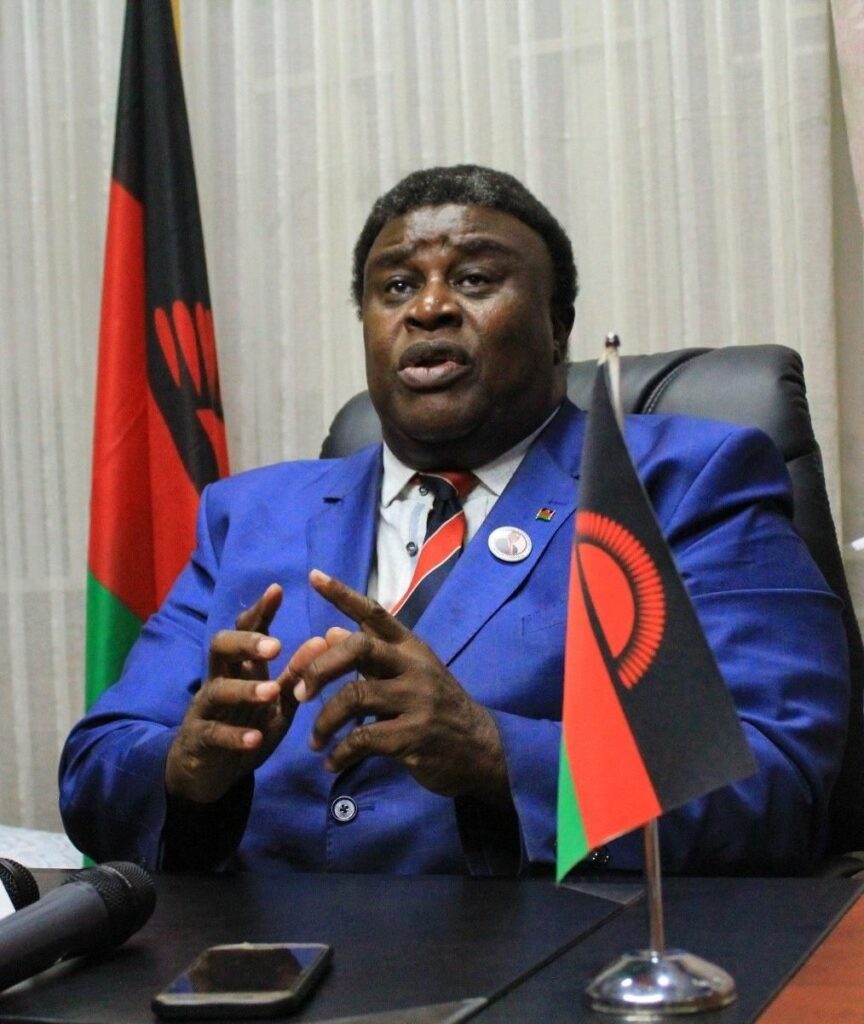
Minister of Homeland Security Ken Zikhale Ng’oma has condemned the political violence that erupted during the Centre for Democracy and Economic Development Initiatives (CDEDI) sanctioned protests on Monday in Lilongwe and has assured the public that an investigation has been launched to identify the perpetrators.
In a statement, Ng’oma has emphasized that Malawians have the constitutional right to hold peaceful demonstrations.
Says Ng’oma:”The Ministry of Homeland Security, in conjunction with relevant security agencies, is working hard to ensure that the country is secure and peaceful.”
The minister has also emphasized that the investigations will bring to light the culprits behind the violence that disrupted the demonstrations.
Dr Ken Zikhale Ng’oma
A group of thugs wielding knives descended on the demonstrators, disrupting the peaceful protests.
Several stakeholders, including political parties, have termed this development as undemocratic.
However, Ng’oma’s assurance of an investigation and condemnation of the violence is a step towards ensuring that the rights of Malawians are protected and that the country remains peaceful and secure.
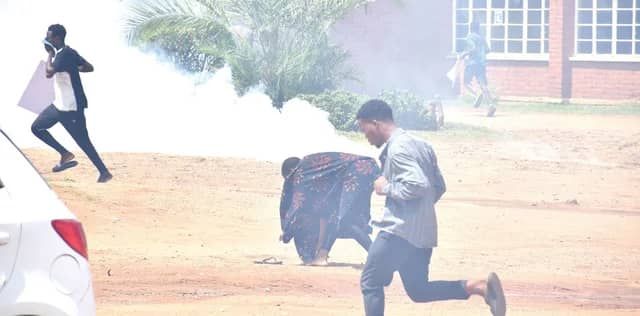
Barely days after a group of panga-wielding individuals disrupted opposition-led demonstrations in Lilongwe, Malawi’s democracy was dealt another blow when masked individuals, allegedly in collaboration with Malawi Police Service (MPS) personnel, thwarted yet another anti-government protest yesterday. The demonstration, organized to highlight the worsening fuel scarcity in the country, was forcefully suppressed, raising serious concerns about the state of civil liberties, freedom of expression, and democracy in Malawi.
This disturbing trend is not only alarming but also a stark reminder of the dark days of political suppression and state-sponsored violence. It is crucial to interrogate the motives and implications of such acts, which are rapidly eroding the foundational principles of democracy.
The incident in Lilongwe was not an isolated occurrence. Recent weeks have seen a disturbing rise in coordinated efforts to silence dissent. Masked individuals, often armed and operating with impunity, have been disrupting opposition gatherings and public protests. While the government has distanced itself from these actions, the involvement of law enforcement agencies in yesterday’s incident strongly suggests otherwise.
Witnesses reported seeing police officers standing idly by or, worse, actively participating alongside the masked ruffians in dispersing protesters. This collusion underscores a chilling reality: the erosion of institutional independence in Malawi.
The Malawi Constitution guarantees citizens the right to assemble and express dissent. The deliberate disruption of these rights by state actors and their proxies is a gross violation of constitutional principles and a betrayal of the social contract between the government and its citizens.
At the heart of these protests is the worsening fuel crisis that has crippled the country. Long queues at petrol stations have become a common sight, disrupting daily life and paralyzing businesses. The scarcity is symptomatic of deeper governance and economic challenges that the administration of President Lazarus Chakwera has failed to address.
Protesters were seeking accountability and immediate action to resolve the crisis. However, instead of engaging with the grievances of its citizens, the government opted to suppress their voices. This approach not only undermines democratic governance but also risks further alienating an already frustrated populace.
The use of masked individuals to disrupt protests is a troubling return to vigilante-style politics. Historically, such tactics have been employed to intimidate political opponents and suppress dissent. The involvement of these groups raises serious questions about who funds and coordinates their activities.
Equally concerning is the message these actions send to ordinary citizens. When peaceful protests are met with violence, people are discouraged from exercising their democratic rights. This creates an environment of fear and silence, where critical voices are stifled, and accountability becomes elusive.
The complicity of the Malawi Police Service in these incidents is particularly disturbing. As an institution tasked with upholding law and order, the police must remain impartial and protect citizens’ rights. However, their apparent collusion with the masked groups tarnishes their credibility and erodes public trust.
This behavior also highlights the need for urgent police reform. A professional and independent police service is critical for safeguarding democracy and ensuring that the rule of law prevails. Without such reforms, the MPS risks becoming a tool for political repression rather than a protector of the people.
The events in Lilongwe should serve as a wake-up call for all Malawians. Democracy thrives on active participation, accountability, and the protection of fundamental rights. The suppression of dissent undermines these principles and threatens the country’s democratic fabric.
Civil society organizations, religious groups, and international partners must unite in condemning these actions and demand accountability from the government. President Chakwera’s administration must also demonstrate its commitment to democracy by distancing itself from these acts of suppression and taking decisive action against those responsible.
Additionally, the Malawi Human Rights Commission (MHRC) must investigate these incidents and hold perpetrators accountable. This includes identifying and prosecuting the masked individuals and any police officers who acted in violation of their mandate.
In conclusion, Malawi’s democracy is under siege. The collusion between panga-wielding groups and the police in disrupting peaceful protests represents a dangerous trend that must be halted immediately. Suppressing dissent will not solve the country’s problems—it will only deepen them.
The government must remember that power lies with the people, and the people’s voices must be heard. Addressing the fuel crisis, restoring trust in institutions, and protecting constitutional freedoms are the only sustainable paths forward. The alternative—a descent into authoritarianism—would be a tragic betrayal of Malawi’s democratic journey.
*About the Author*
Burnett Munthali is a political analyst and writer with a focus on governance, human rights, and democratic processes in Malawi.