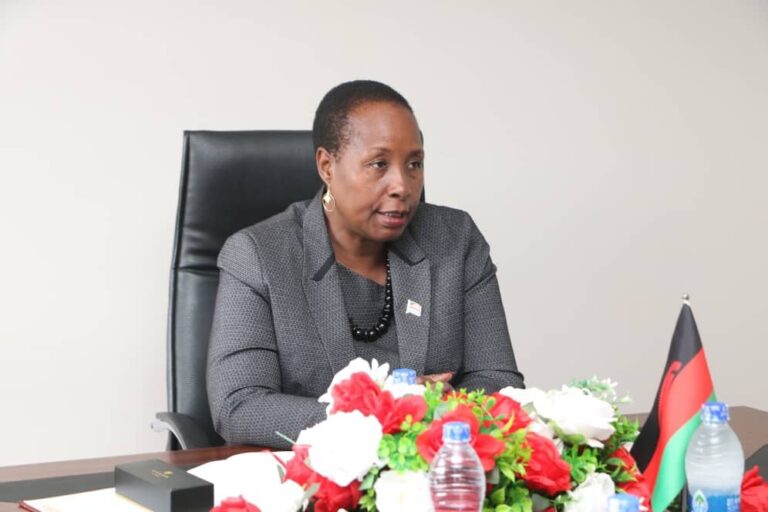
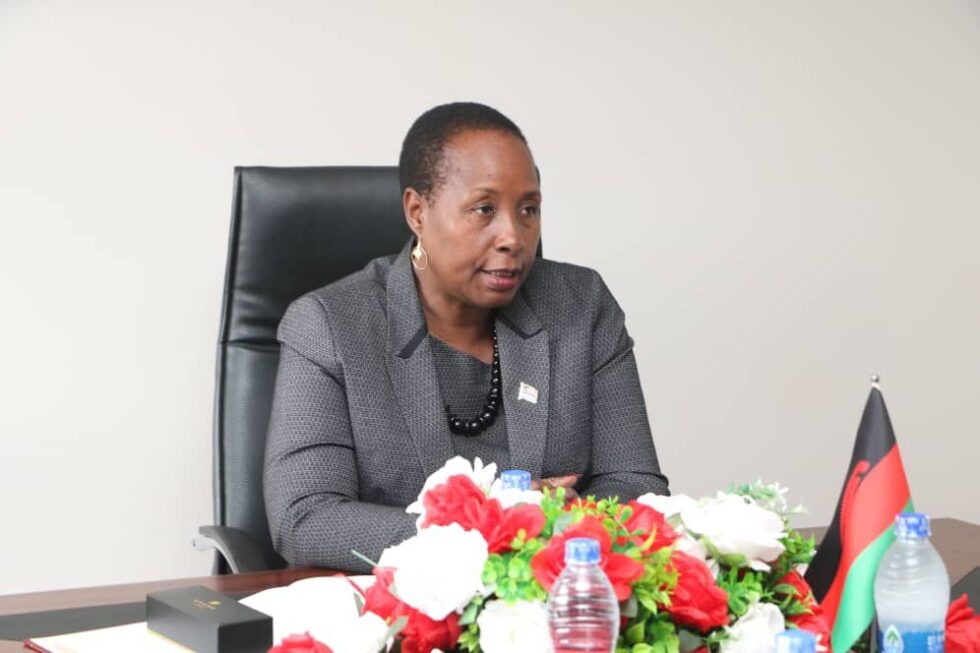
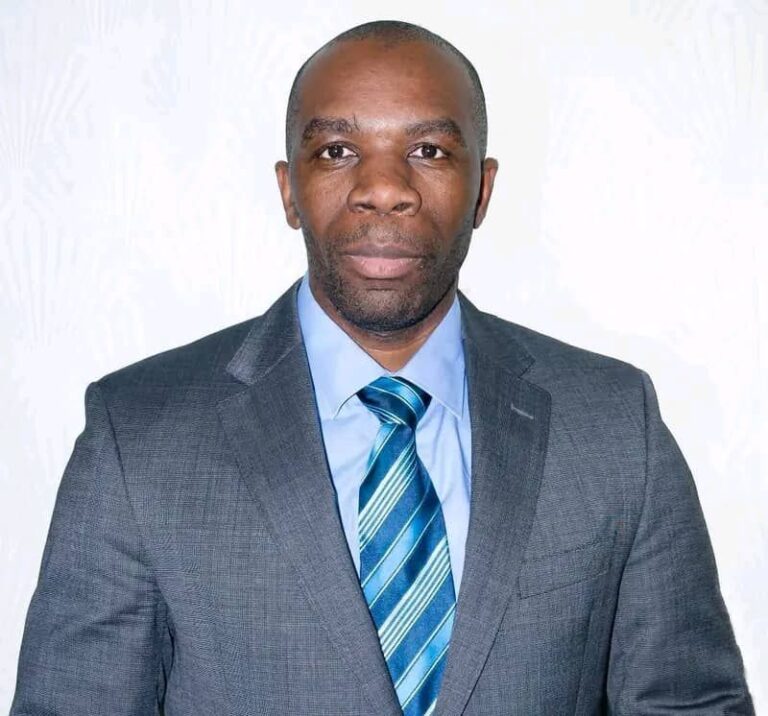
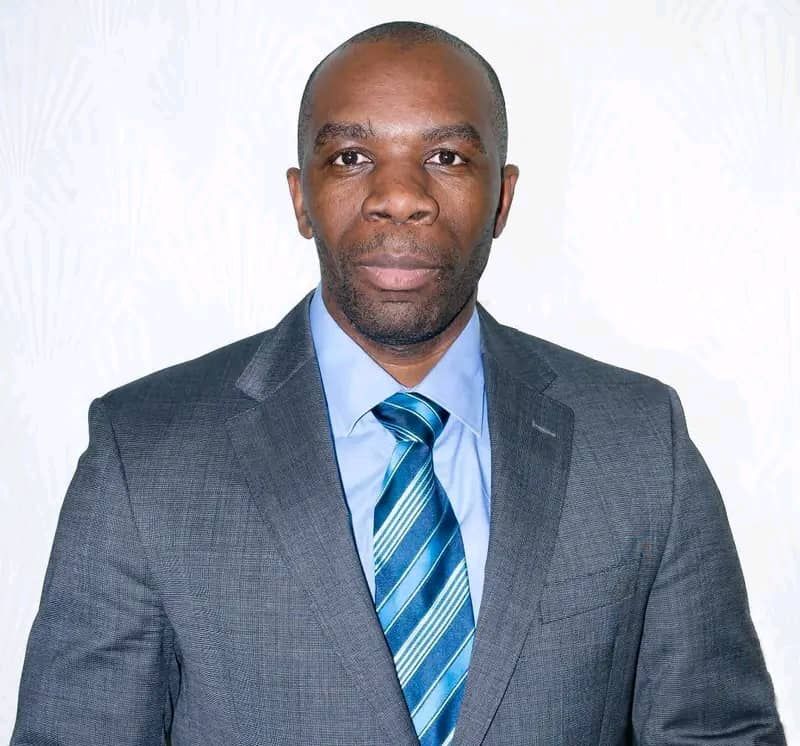
Dr. Jessie Kabwila, the Minister of Higher Education, conducted a familiarization tour at the Lilongwe University of Agriculture and Natural Resources (LUANAR), underscoring the critical role of agricultural education in Malawi’s economy.
During her visit, Dr. Kabwila acknowledged the impressive work being done at LUANAR and emphasized the importance of collaboration between the government and academic institutions. “Agriculture remains the backbone of our economy, and universities like LUANAR are essential in driving innovation, research, and the development of sustainable practices,” she stated.
Dr Kabwila
Dr. Kabwila highlighted the need for increased investment in agricultural research and education, committing to advocate for enhanced funding and resources in these areas. “We can ensure that LUANAR remains a center of excellence, producing graduates who are not only knowledgeable but also ready to tackle the pressing issues of our time,” she said.
Professor Emmanuel Kaunda, Vice Chancellor of LUANAR, echoed the Minister’s sentiments, expressing the university’s commitment to establishing partnerships with other academic institutions, governments, and organizations to bolster its educational and research capabilities. He expressed confidence that under Dr. Kabwila’s leadership, LUANAR would receive the essential support necessary for its growth and success.
The meeting concluded with a shared vision for a collaborative approach towards enhancing agricultural education and research, vital to addressing the challenges facing the sector today.
President Lazarus Chakwera has assented to nine new bills, marking a significant milestone in Malawi’s development journey.
The bills, which were passed by Parliament in 2024, cover a range of critical areas, including constitutional amendments, judicial service administration, financial services, insurance, public procurement, and taxation.
According to a statement from the State House, President Chakwera exercised his powers vested in him by Section 89 of the Constitution of Malawi to assent to the bills.
The move demonstrates the President’s commitment to creating a favorable business environment, promoting economic development, and improving the lives of Malawians.
The nine bills assented to by President Chakwera are:
– *Bill No. 22 of 2024: Constitution (Amendment)*: This bill seeks to amend the Constitution of Malawi, with the aim of strengthening the country’s governance framework.
– *Bill No. 23 of 2024: Judicial Service Administration*: This bill aims to improve the administration of justice in Malawi, by strengthening the independence and effectiveness of the judiciary.
– *Bill No. 25 of 2024: Financial Services (Amendment)*: This bill seeks to amend the Financial Services Act, with the aim of strengthening the regulation and supervision of financial institutions in Malawi.
– *Bill No. 26 of 2024: Insurance*: This bill provides a comprehensive framework for the regulation and supervision of the insurance industry in Malawi.
– *Bill No. 27 of 2024: Public Procurement and Disposal of Public Assets*: This bill aims to improve the transparency and accountability of public procurement and disposal of public assets in Malawi.
– *Bill No. 30 of 2024: Value Added Tax (Amendment)*: This bill seeks to amend the Value Added Tax Act, with the aim of strengthening the tax system and improving revenue collection in Malawi.
– *Bill No. 31 of 2024: European Investment Bank (Water Energy Framework) Loan Authorization*: This bill authorizes the government to borrow funds from the European Investment Bank for the development of water and energy infrastructure in Malawi.
– *Bill No. 32 of 2024: OPEC Fund for International Development (Shire’s Valley Transformation Programme Phase II) Authorization and Ratification*: This bill authorizes and ratifies the agreement between the government of Malawi and the OPEC Fund for International Development for the implementation of the Shire’s Valley Transformation Programme Phase II.
– *Bill No. 33 of 2024: Appropriation (Amendment)*: This bill seeks to amend the Appropriation Act, with the aim of adjusting the government’s budget and expenditure plans.
The assenting of these bills demonstrates President Chakwera’s commitment to driving progress and development in Malawi. By giving his thumbs up to these bills, the President has sent a strong signal that his administration is serious about creating a favorable business environment, promoting economic development, and improving the lives of Malawians.
As Malawi continues on its path to prosperity, the implementation of these bills is expected to have a significant impact on various sectors, including business, agriculture, and healthcare. With President Chakwera’s approval, these bills are now set to become law, paving the way for a brighter future for Malawi and its people.
The move has been welcomed by various stakeholders, including the private sector, civil society organizations, and the general public.
Many have praised President Chakwera for his leadership and vision, saying that the assenting of these bills marks a significant milestone in Malawi’s development journey.
As the country moves forward, it is expected that the implementation of these bills will be closely monitored to ensure that they achieve their intended objectives.
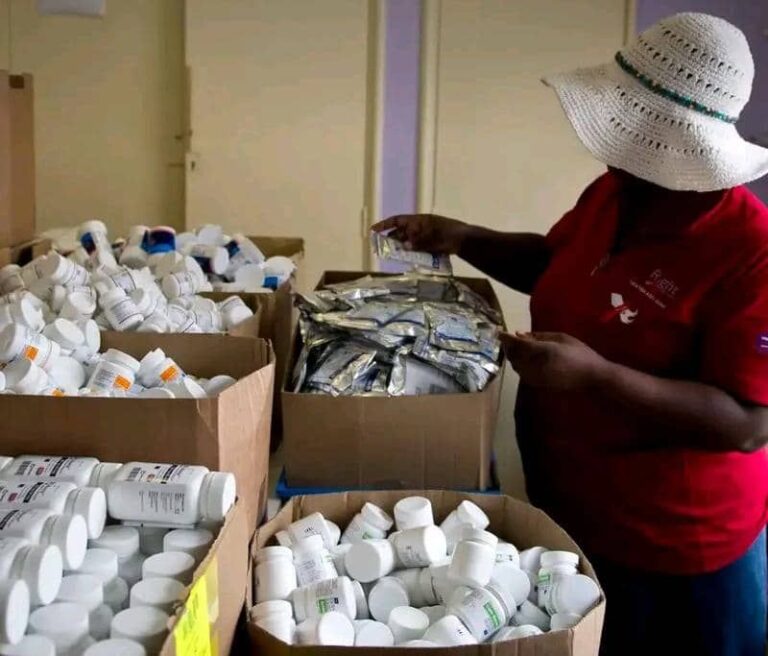
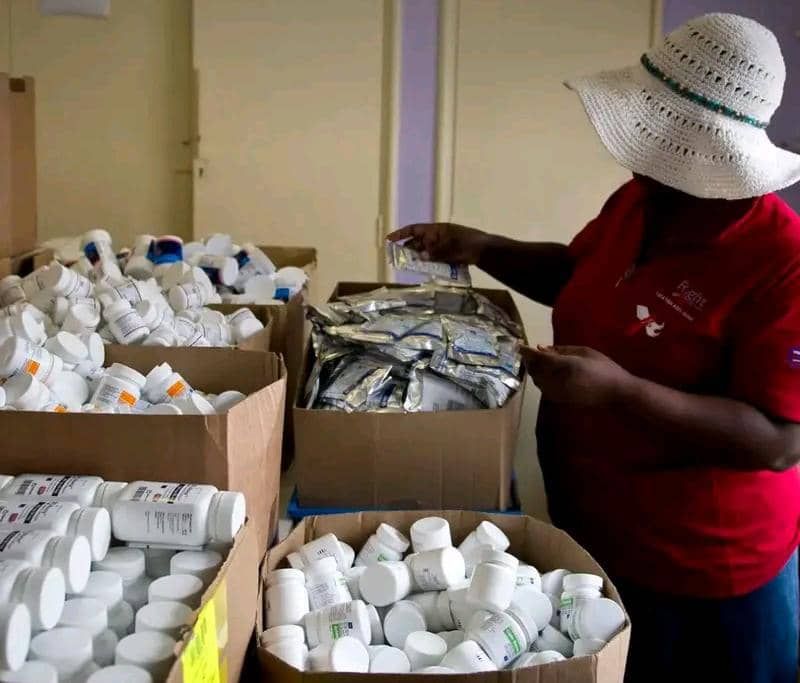
In a controversial move, the Trump administration has directed organizations in other countries to cease the disbursement of HIV medications purchased with U.S. aid, even in cases where the drugs have already been acquired and are currently sitting in local clinics. This decision has raised significant concerns among health experts, international aid organizations, and public health advocates, who fear that it could undermine efforts to combat the HIV/AIDS epidemic in low- and middle-income countries.
The U.S. has been a key player in the global fight against HIV/AIDS, contributing billions of dollars in foreign aid to support prevention, treatment, and care programs around the world. The President’s Emergency Plan for AIDS Relief (PEPFAR), launched during the Bush administration, has been one of the most successful initiatives in the global health sector, providing life-saving medications to millions of people living with HIV in sub-Saharan Africa, Southeast Asia, and other regions heavily affected by the disease.
However, this new directive from the Trump administration threatens to disrupt these efforts, as it instructs organizations funded by U.S. aid to halt the distribution of HIV drugs, even when they have already been purchased and are available for use in local health facilities. The rationale behind this decision remains unclear, but critics have voiced concerns that it could result in a substantial setback in the fight against HIV/AIDS, particularly in countries where access to life-saving medications is already limited
.
Many of the affected organizations are community-based health clinics, international NGOs, and local health ministries that rely on U.S. funding to ensure the continuity of their programs. These programs provide vital care for people living with HIV, including antiretroviral therapy (ART), which helps prevent the progression of the disease and enables individuals to live longer, healthier lives. The suspension of HIV medication distribution could lead to treatment interruptions, potentially exposing vulnerable populations to an increased risk of viral resistance and greater transmission of the virus.
Health advocates are particularly concerned about the impact of this decision on already vulnerable populations, including pregnant women, children, and those living in rural or remote areas where healthcare services are often sparse. In some regions, where HIV prevalence rates are high, the availability of ART is crucial for preventing the spread of the virus and reducing the number of new infections.
International organizations, such as the World Health Organization (WHO) and UNAIDS, have expressed alarm over the potential consequences of the policy. They warn that halting the distribution of HIV medications could lead to a resurgence of the epidemic, undoing years of progress made in reducing new infections and improving the quality of life for people living with HIV. These organizations have called for dialogue with the U.S. government to address concerns and ensure that such policies do not harm global public health efforts.
The Trump administration’s decision also raises broader questions about the future of international aid and the role of the U.S. in global health initiatives. While the U.S. has long been a leading donor in the fight against HIV/AIDS, this new directive may signal a shift in the country’s approach to foreign aid and international cooperation on health issues. The suspension of HIV medication distribution could be seen as part of a wider trend of the administration’s “America First” policy, which has prioritized domestic concerns over international partnerships and collaborations.
The ramifications of this policy will likely be felt in the coming months, as health organizations scramble to manage stockpiles of HIV medications that are no longer allowed to be distributed. In some cases, clinics may be forced to discard large quantities of medication, which could have been used to treat thousands of patients. The economic impact of this decision could also be significant, particularly for countries that rely heavily on U.S. aid for their health programs.
In response to the Trump administration’s directive, some local governments and healthcare providers have vowed to continue providing care to those in need, even if it means seeking alternative sources of funding or medications. However, the disruption caused by the U.S. decision could have long-lasting consequences for global health systems, especially in countries with limited resources and fragile healthcare infrastructures.
As the situation unfolds, the international community is calling for a reevaluation of this policy and urging the U.S. government to reconsider its decision. Public health experts and advocates are stressing the importance of maintaining a unified global response to HIV/AIDS, one that ensures access to treatment for all individuals, regardless of their location or economic status. Without continued support and collaboration, the gains made in the fight against HIV/AIDS could be reversed, leaving millions of people at risk of preventable death and illness.
This unprecedented move by the Trump administration highlights the delicate balance between national interests and global health responsibilities. The impact of this decision will be watched closely by international organizations, governments, and healthcare providers as they work to safeguard the progress made in the global fight against HIV/AIDS.
The Football Association of Malawi (FAM) has announced the appointment of renowned coach Kalisto Pasuwa as the new head coach of the Malawi national team, the Flames. This development follows a meeting of FAM’s technical subcommittee held over the weekend.
Pasuwa, who previously coached FCB Nyasa Big Bullets, brings a wealth of experience to the role. His appointment is expected to inject new energy into the Flames, who have been seeking to revive their fortunes on the international stage.
Pasuwa ,now Flames Coach
One of the key aspects of Pasuwa’s appointment is that he will have the freedom to choose his own backroom staff. This move is seen as a significant boost to the new coach, allowing him to assemble a team that shares his vision and philosophy.
As Pasuwa begins his new role, expectations are high that he will lead the Flames to success in upcoming international competitions. With his proven track record and expertise, Malawi football fans are optimistic about the future of their national team.
Pasuwa’s first task will be to assemble his technical team and begin preparations for the Flames’ next assignment.
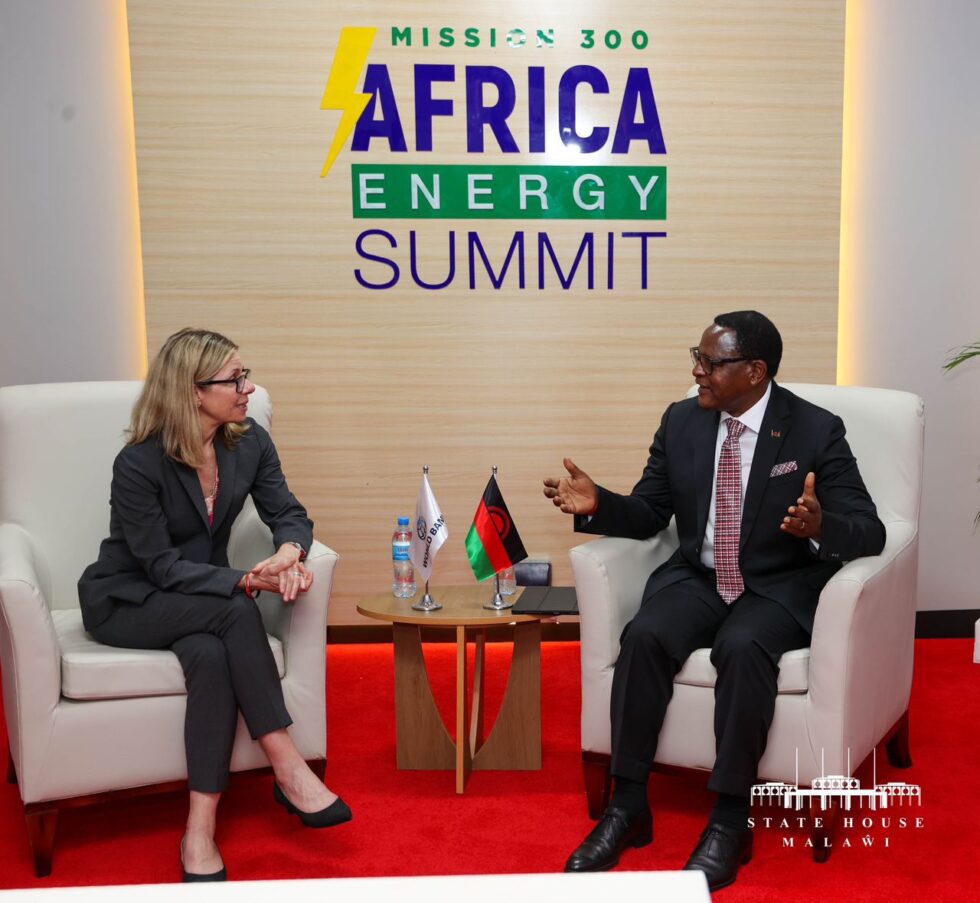
Chalo Mvula, the Deputy Director of International Affairs and Cooperation for the Malawi Congress Party (MCP), has commended President Lazarus Chakwera’s administration for successfully securing a $300 million energy compact with the World Bank. Writing on his official Facebook page, Mvula praised the president’s leadership and strategic vision, noting that this agreement represents a significant milestone in Malawi’s development and energy transformation.
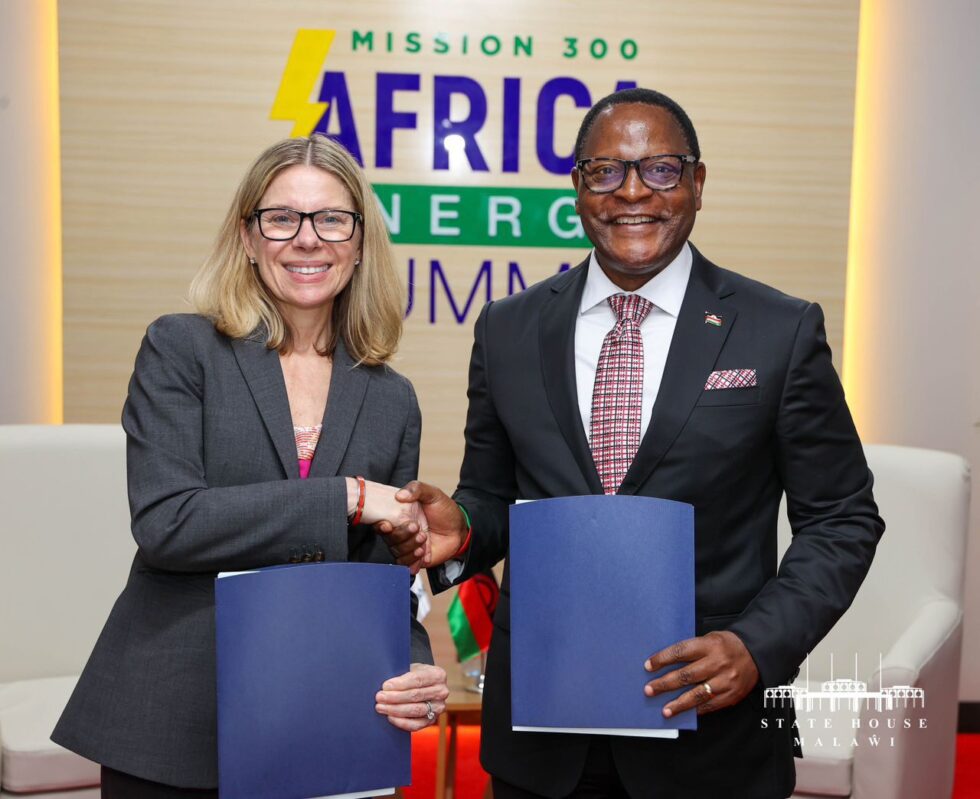
The compact, which was witnessed by World Bank Managing Director Anna Bjerde, is designed to address long-standing energy challenges that have hindered Malawi’s economic progress and limited access to essential services. The agreement outlines plans to add 848 megawatts of energy capacity, establish over 2 million on- and off-grid electricity connections, and significantly increase the share of renewable energy in the national grid.
For decades, Malawi has struggled with energy deficits, with only a small fraction of the population having access to reliable electricity. This lack of power has stifled industrial growth, limited education opportunities, and created barriers to improved healthcare services. The new energy compact is set to change this trajectory by addressing these critical issues head-on.
Chalo Mvula
By adding 848 megawatts of energy capacity, the compact will help bridge the gap between the country’s energy demand and supply. The creation of over 2 million electricity connections, particularly in rural areas, is expected to improve living standards for millions of Malawians and foster economic growth.
One of the most transformative aspects of the compact is its focus on renewable energy. By prioritizing clean and sustainable energy solutions, the agreement aligns Malawi with global efforts to combat climate change. The expansion of solar, wind, and hydroelectric power generation will not only address current energy deficits but also position Malawi as a leader in sustainable development in Africa.
President Chakwera’s leadership in championing renewable energy underscores his commitment to building a resilient and environmentally conscious energy sector. By reducing reliance on fossil fuels, the compact lays a foundation for long-term sustainability and economic stability.
Chalo Mvula highlighted how this energy compact aligns with President Chakwera’s broader vision for Malawi. The president’s focus on renewable energy and rural electrification reflects his dedication to fostering inclusive development. By prioritizing rural communities, which have historically been marginalized in energy access, the compact seeks to bridge the urban-rural divide and ensure that all Malawians benefit from the country’s progress.
The compact also demonstrates President Chakwera’s ability to forge strategic partnerships that advance national interests. The involvement of the World Bank, a trusted global financial institution, adds credibility to the initiative and underscores Malawi’s readiness to implement large-scale development projects.
President Chakwera and World Bank chief Anna Bjerde
The energy compact is expected to have far-reaching impacts on Malawi’s economy and social well-being. Expanded access to electricity will enable schools, clinics, and businesses to operate more effectively, improving education, healthcare, and livelihoods. The creation of over 2 million connections will also unlock economic opportunities, drive job creation, and encourage investments in the energy sector.
Chakwera’s leadership in securing this partnership is a testament to his commitment to improving the lives of Malawians. As Chalo Mvula noted, the president’s vision aligns with Malawi’s broader goals of achieving energy security and fostering a sustainable future.
The $300 million energy compact between Malawi and the World Bank is a transformative achievement that holds the potential to revolutionize the country’s energy landscape. Under President Chakwera’s leadership, the compact addresses immediate energy deficits while positioning Malawi as a model for sustainable development.
As implementation begins, this partnership carries the hopes of millions of Malawians for a brighter and more resilient future. With its focus on renewable energy, rural electrification, and strategic global partnerships, the compact lays a solid foundation for inclusive and sustainable progress.
President Chakwera’s leadership in securing this milestone deserves recognition as it paves the way for economic growth, environmental sustainability, and improved quality of life for all Malawians.