Former Deputy Minister of Transport and Public Works, Baba Steven K. Malondera, has donated K10.1 million to support 22 university students across Malawi who were struggling to pay their tuition fees.
Malondera said he was moved by the need to help students who are in their final year of study, describing education as a key investment for the nation’s future. He emphasized that his gesture was not influenced by any political or government affiliation but rather inspired by a genuine desire to see young people achieve their dreams.
Malondela
“I understand how tough it can be for students to complete their education due to financial challenges. This is my small way of contributing to their success and to the development of our country,” said Malondera.
The donation, which came from his personal pension savings, has been distributed among the selected students studying in various public and private universities.
Malondera, who also serves as the National Youth Director for the Malawi Congress Party (MCP) and Member of Parliament for Lilongwe Nyanja Constituency, said he believes empowering the youth through education is one of the most effective ways to build a stronger Malawi.
Malondera has since urged other well-wishers, including politicians and business leaders, to emulate the same spirit by assisting needy students regardless of political or regional background.
He also revealed plans to establish an education support fund aimed at helping bright but underprivileged students complete their tertiary education.
“I may be out of government but I believe leadership is about service. Even from outside, we can make a difference,” he added.
Students and education stakeholders have hailed the gesture, describing it as a timely and selfless act that demonstrates true patriotism and care for the youth.
Renowned Malawian musician Lawrence Mbenjere has come out to deny claims circulating on social media suggesting that he recently traveled to Salima to campaign during the parliamentary elections.
The viral posts, shared widely on Facebook and other platforms, included images purportedly showing Mbenjere visiting Salima and participating in political activities.
In a public statement, Mbenjere described the claims as completely false, expressing surprise at how quickly the content spread online.
Mbenjere
“I have never competed in any of the recent election.”Emphasizing that he has no plans to represent any constituency.
He explained that even if he had political ambitions, visiting Salima would make little sense as he has no family or personal connections in the area.
The musician also clarified that the image circulating online, which allegedly shows him in Salima, is not his and has been misused by social media users to create a false narrative.
Mbenjere expressed disappointment at how easily misinformation spreads, urging fans and followers to be cautious about what they believe online.
“Not everything you see on social media is true,” he noted, stressing the importance of verifying facts before sharing content.
The musician’s team has reportedly been monitoring the situation and is considering taking steps to report the misuse of his images to prevent further circulation.
Fans have shown support for Mbenjere online, posting comments defending him and calling for responsible use of social media to avoid harming public figures.
Mbenjere concluded by appealing to everyone to exercise caution and responsibility online, reminding the public that false stories can have serious consequences for individuals’ personal and professional lives.
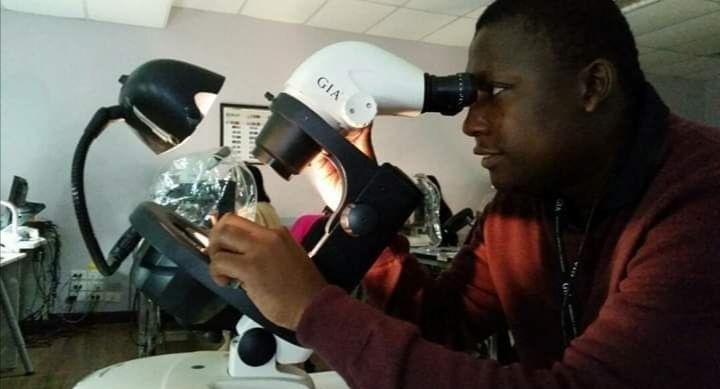
Malawi’s only Gemological Institute of America (GIA )-trained and accredited graduate gemologist,Yamikani Jimusole, has accused the former administration of ignoring experts advice that could have transformed the country’s gemstone industry into a major contributor to national revenue.
In an interview with 247 Malawi News,Jimusole, who has spent more than a decade conducting gemstone research, exploration, and ASM mining across the country, said several discoveries he made in recent years remain underutilized due to what he described as ‘institutional inertia and lack of seriousness’ from key officials in the Ministry of Mining and the Mining and Minerals Regulatory Authority (MMRA).
Jimusole
“I discovered exceptional gemstones about four years ago, but the ministry has shown little interest in supporting proper valuation, certification, or beneficiation.
“This neglect continues to cost the country millions of dollars in lost potential revenue,” he said.
Jimusole, who is the Founder and Chief Executive Officer (CEO) of Yami Gemstone Lab and Exports (YAGLE) and one of the few accredited gemologists in the country and Africa, said the absence of accredited gemologists and certified appraisers within government structures has created a credibility gap in gemstone valuation and trade.
He further criticized the outgoing Attorney General(AG), Thabo Chakaka Nyirenda, and the U.S.-based lawyer representing the Malawi Government, Marc Anthony Bonanno, for their handling of the controversial US$309.6 billion claim involving a foreign mining company.
The gemologist argued that the exaggerated figures and the lack of expert consultation have tarnished Malawi’s credibility and the reputation of local gemologists.
He also faulted the Export Development Fund (EDF) for what he described as ‘a selective and limited approach’ to supporting the sector.
Jimusole said that since EDF began buying a few gemstones in 2023, it has purchased less than 200,000 carats of rubies, sapphires, tourmaline, aquamarine, and rhodolite garnets despite Malawi having over 25 different gemstone types.
“EDF’s intervention was a good start, but it has not been enough to stimulate growth or create real structure.
“Without proper certification and appraisal systems, what we call a structured market is, in reality, still informal and this is indirectly encouraging illegal mining and smuggling,” he said.
Despite his criticism, Jimusole applauded the former Vice President, Dr. Michael Usi, for directing the suspension of gemstone exports earlier this year, citing undervaluation and weak valuation systems within the sector.
“That directive was a bold move and long overdue.It reflected exactly what we have been advocating for a reset in how Malawi handles its gemstone resources,” said Jimusole.
However,the gemologist expressed concern that seven months after the ban, there has been little clarity on progress.
“We are not really sure what is being done.We believe they are either training experts or collaborating with international partners.However, the absence of accredited experts continues to make a proper valuation system difficult to implement. Through collaboration and understanding, though, we can still develop fair pricing mechanisms that protect miners and ensure transparency,” he said.
Jimusole revealed that YAGLE recently submitted key documents to the Office of the Deputy Secretary to the President and Cabinet, Dr. Janet Banda, who has since confirmed receipt.
He said the documents are now awaiting review and decision from the new Deputy Chief Secretary,Stuart Ligomeka.
“We are encouraged by the government’s openness to dialogue and hopeful that this time, expertise will be taken seriously,” said Jimusole.
He expressed hope that the new government will prioritize reforms to restore integrity in gemstone valuation, certification, and marketing.
Jimusole said credible systems would not only ensure fair value for Malawi’s resources but also attract investors, improve foreign exchange earnings, and strengthen tax collection.
“With proper policies and professional oversight, gemstones alone could help Malawi ease its foreign exchange shortages and create thousands of jobs.We just need leadership that listens to expertise,” he said.
The gemologist since appealed to the Ministry of Mining and the MMRA to embrace the spirit of collaboration and innovation.
He said his company is ready to begin exporting certified and ethically mined gemstones, which would help ease the country’s foreign exchange shortages.
“All we need is a level playing field.We are not short of minerals or talent. We are short of coordination and willpower.If we work together, this sector can redefine Malawi’s economic future,” he concluded.
Malawi’s only Gemological Institute of America (GIA )-trained and accredited graduate gemologist,Yamikani Jimusole, has accused the former administration of ignoring experts advice that could have transformed the country’s gemstone industry into a major contributor to national revenue.
In an interview with 247 Malawi News,Jimusole, who has spent more than a decade conducting gemstone research, exploration, and ASM mining across the country, said several discoveries he made in recent years remain underutilized due to what he described as ‘institutional inertia and lack of seriousness’ from key officials in the Ministry of Mining and the Mining and Minerals Regulatory Authority (MMRA).
Jimusole
“I discovered exceptional gemstones about four years ago, but the ministry has shown little interest in supporting proper valuation, certification, or beneficiation.
“This neglect continues to cost the country millions of dollars in lost potential revenue,” he said.
Jimusole, who is the Founder and Chief Executive Officer (CEO) of Yami Gemstone Lab and Exports (YAGLE) and one of the few accredited gemologists in the country and Africa, said the absence of accredited gemologists and certified appraisers within government structures has created a credibility gap in gemstone valuation and trade.
He further criticized the outgoing Attorney General(AG), Thabo Chakaka Nyirenda, and the U.S.-based lawyer representing the Malawi Government, Marc Anthony Bonanno, for their handling of the controversial US$309.6 billion claim involving a foreign mining company.
The gemologist argued that the exaggerated figures and the lack of expert consultation have tarnished Malawi’s credibility and the reputation of local gemologists.
He also faulted the Export Development Fund (EDF) for what he described as ‘a selective and limited approach’ to supporting the sector.
Jimusole said that since EDF began buying a few gemstones in 2023, it has purchased less than 200,000 carats of rubies, sapphires, tourmaline, aquamarine, and rhodolite garnets despite Malawi having over 25 different gemstone types.
“EDF’s intervention was a good start, but it has not been enough to stimulate growth or create real structure.
“Without proper certification and appraisal systems, what we call a structured market is, in reality, still informal and this is indirectly encouraging illegal mining and smuggling,” he said.
Despite his criticism, Jimusole applauded the former Vice President, Dr. Michael Usi, for directing the suspension of gemstone exports earlier this year, citing undervaluation and weak valuation systems within the sector.
“That directive was a bold move and long overdue.It reflected exactly what we have been advocating for a reset in how Malawi handles its gemstone resources,” said Jimusole.
However,the gemologist expressed concern that seven months after the ban, there has been little clarity on progress.
“We are not really sure what is being done.We believe they are either training experts or collaborating with international partners.However, the absence of accredited experts continues to make a proper valuation system difficult to implement. Through collaboration and understanding, though, we can still develop fair pricing mechanisms that protect miners and ensure transparency,” he said.
Jimusole revealed that YAGLE recently submitted key documents to the Office of the Deputy Secretary to the President and Cabinet, Dr. Janet Banda, who has since confirmed receipt.
He said the documents are now awaiting review and decision from the new Deputy Chief Secretary,Stuart Ligomeka.
“We are encouraged by the government’s openness to dialogue and hopeful that this time, expertise will be taken seriously,” said Jimusole.
He expressed hope that the new government will prioritize reforms to restore integrity in gemstone valuation, certification, and marketing.
Jimusole said credible systems would not only ensure fair value for Malawi’s resources but also attract investors, improve foreign exchange earnings, and strengthen tax collection.
“With proper policies and professional oversight, gemstones alone could help Malawi ease its foreign exchange shortages and create thousands of jobs.We just need leadership that listens to expertise,” he said.
The gemologist since appealed to the Ministry of Mining and the MMRA to embrace the spirit of collaboration and innovation.
He said his company is ready to begin exporting certified and ethically mined gemstones, which would help ease the country’s foreign exchange shortages.
“All we need is a level playing field.We are not short of minerals or talent. We are short of coordination and willpower.If we work together, this sector can redefine Malawi’s economic future,” he concluded.
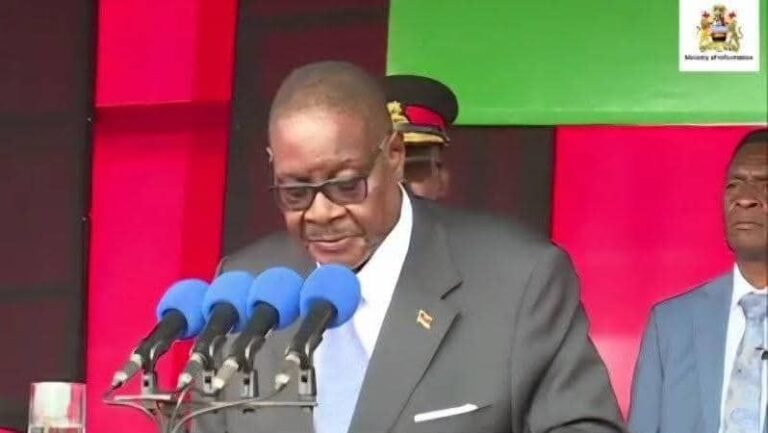
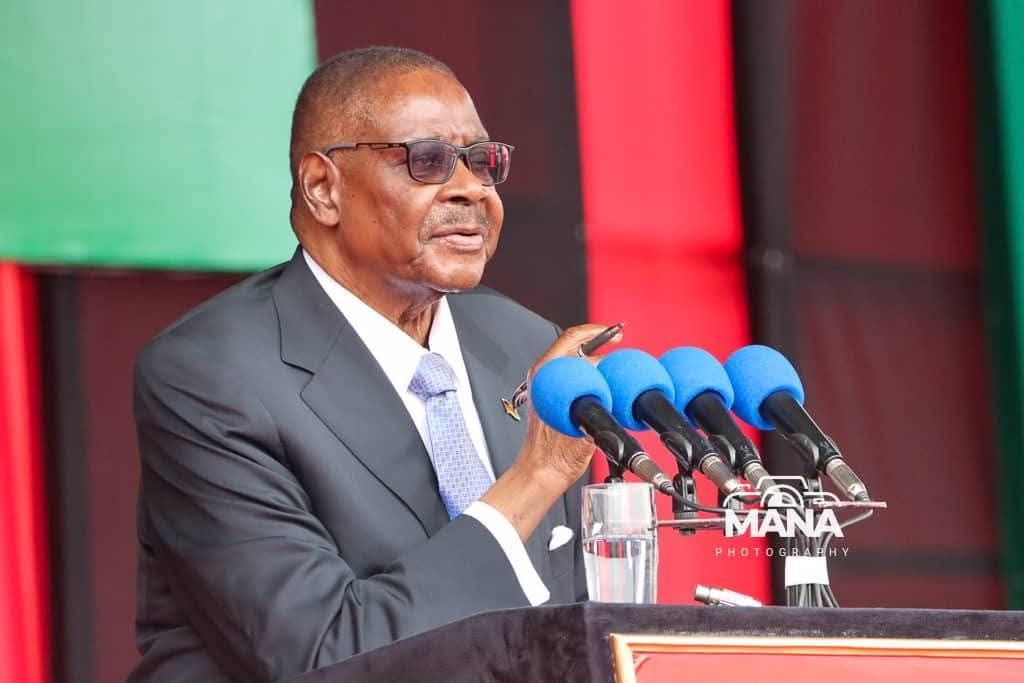
Assessing a new cabinet is both an art and a science that demands careful observation from political, administrative, and social perspectives.
Every appointment made by President Peter Mutharika carries significance for the future of governance, national unity, and policy implementation.
A comprehensive analysis of his new team must therefore focus on competence, representation, integrity, and public expectation.
The first step in assessing any cabinet is analyzing individual competence.
Each minister’s experience, professional background, and education must be examined to determine whether they are adequately prepared to manage their portfolios effectively.
A review of their past track record — including achievements or failures in public office or private leadership — helps predict their future performance.
Skill sets such as administrative efficiency, problem-solving, and communication are essential indicators of a minister’s ability to deliver on government priorities.
The second critical element involves assessing representation and balance within the cabinet.
A government that reflects Malawi’s regional, ethnic, and gender diversity stands a better chance of promoting inclusion and national unity.
It is equally important that women occupy meaningful positions, ensuring that gender balance is not symbolic but functional.
Political balance also plays a major role in fostering cohesion, especially when a president must manage competing interests within alliances or factions.
Examining policy alignment is another vital component of cabinet assessment.
Ministers must be aligned with the president’s vision and the administration’s development agenda.
A shared ideology and consistent policy direction help ensure that government decisions remain coordinated and effective.
Those appointed should also demonstrate a readiness to implement reform rather than cling to outdated approaches that hinder progress.
Integrity and credibility remain the moral foundation of any administration.
A credible cabinet must be free from corruption allegations, ethical controversies, or conflicts of interest that could erode public trust.
Ministers who command respect from citizens, civil society, and the international community lend legitimacy and strength to the president’s leadership.
Team dynamics are equally significant in determining the cabinet’s success.
Cohesion among ministers promotes collaboration, while discord can weaken policy delivery and public confidence.
Leadership style also matters; ministers must be approachable, decisive, and cooperative with bureaucrats and other stakeholders.
In times of crisis, their ability to remain calm, strategic, and responsive will define the administration’s resilience.
Public expectations of Mutharika’s government are high.
Malawians are demanding tangible results, economic stability, job creation, and improved service delivery.
Citizens want leaders who can communicate effectively, explain policy decisions, and take responsibility for outcomes.
A cabinet that listens to public concerns and adjusts policies accordingly will strengthen democratic governance and accountability.
The first few months of the new administration will be crucial for assessing early performance indicators.
Policy announcements, budget priorities, and institutional reforms will reveal the government’s true intentions and capabilities.
Equally, how ministers handle public resources and interact with parliament, the private sector, and international partners will indicate their level of professionalism.
A comparative analysis between early expectations and actual performance after the first three to six months will help separate political promises from practical achievement.
This process of evaluation will distinguish between hype and genuine capacity to lead.
As Peter Mutharika settles into his role as president, his cabinet’s success will depend on its ability to balance competence, unity, and accountability.
Ultimately, Malawians will judge his leadership not by the promises made but by the results delivered in the months and years to come.