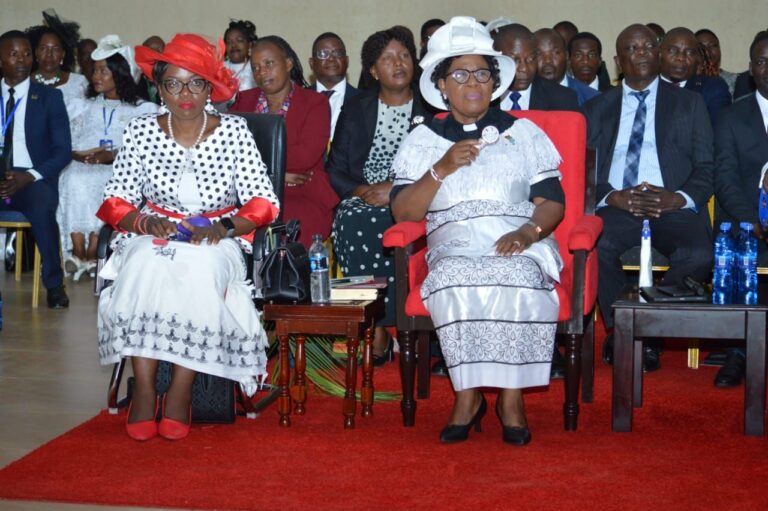
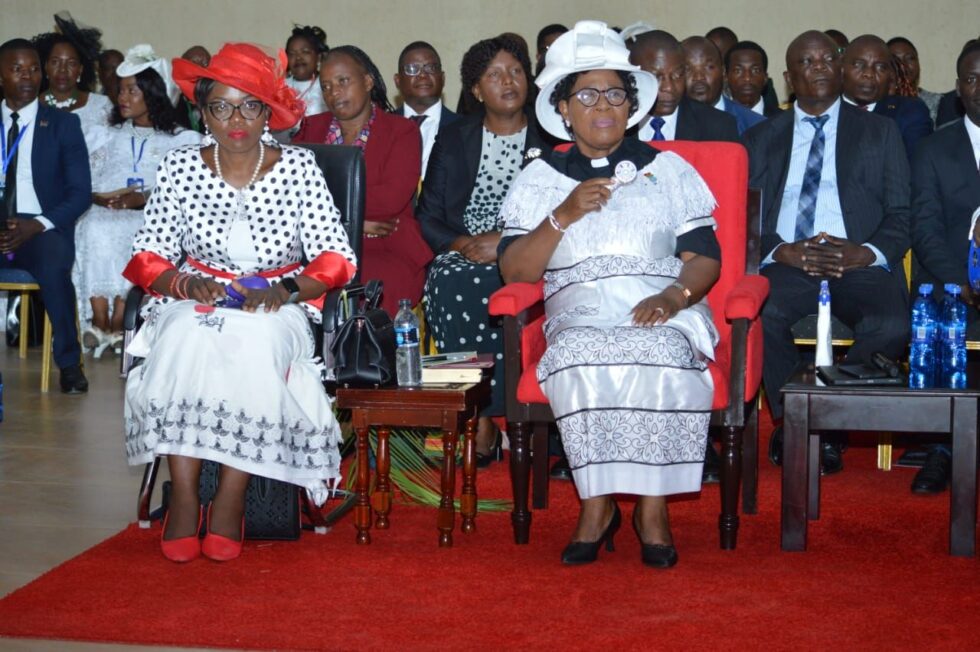
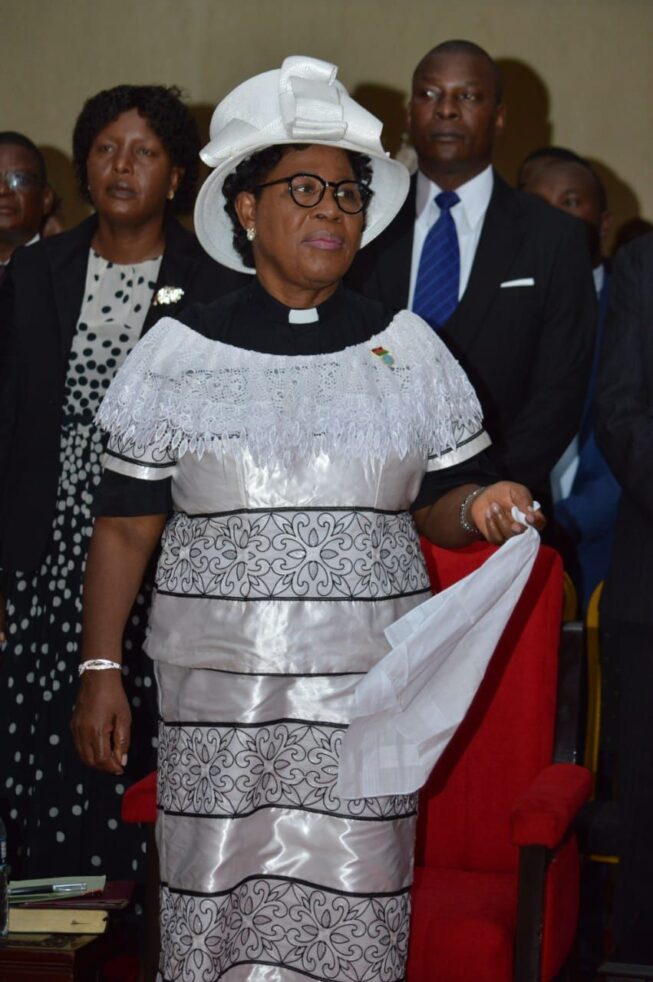
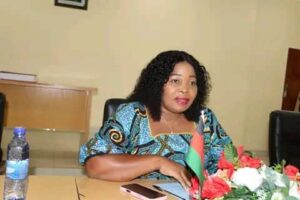
Vice President Dr. Jane Mayemu Ansah arrived at the PICC (Pentecostal International Church of Christ) at exactly 09:30, amidst jubilant celebrations, with attendees erupting in ululation and cheers as she took her place among the congregation.
The atmosphere was electric, with the Vice President’s presence injecting a sense of excitement and reverence into the proceedings.
Pastor Esau Banda sincerely thanked the Vice President for honoring the invitation to attend the PICC’s 16th anniversary celebrations, acknowledging the significance of her presence at the event.
Ansah
The Pastor’s words set the tone for a warm and heartfelt welcome, one that would characterize the rest of the Vice President’s visit.
“Thank you for coming to worship with us despite your busy schedule,” Pastor Banda said, emphasizing that her presence was a demonstration of her humility and commitment to her faith.
The Pastor’s words were met with nods of agreement and murmurs of appreciation from the congregation, who were clearly delighted to have the Vice President in their midst.
“You have demonstrated your greatest humility, and your presence is not taken for granted,” Pastor Banda continued, his voice filled with emotion.
The Pastor’s words were a testament to the Vice President’s reputation as a humble and compassionate leader, one who was not above worshiping alongside ordinary citizens.
When people rise to great positions like the Vice President, they don’t look at others, Pastor Banda observed, a hint of pride in his voice.
The Pastor’s words were a gentle reminder of the Vice President’s stature and influence, and the significance of her presence at the PICC’s 16th anniversary celebrations.
Once again, you are welcome, Madam VP, Pastor Banda said, extending a warm and sincere welcome to the Vice President.
The Pastor’s words brought the house down, with the congregation erupting in applause and cheers as the Vice President smiled and waved in appreciation.
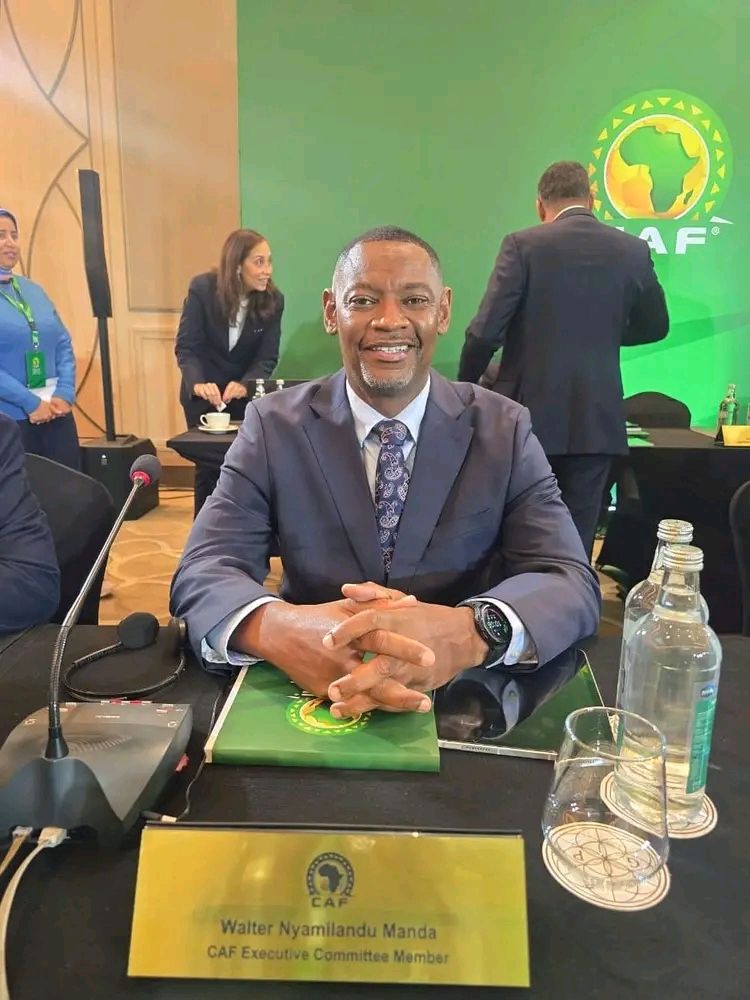
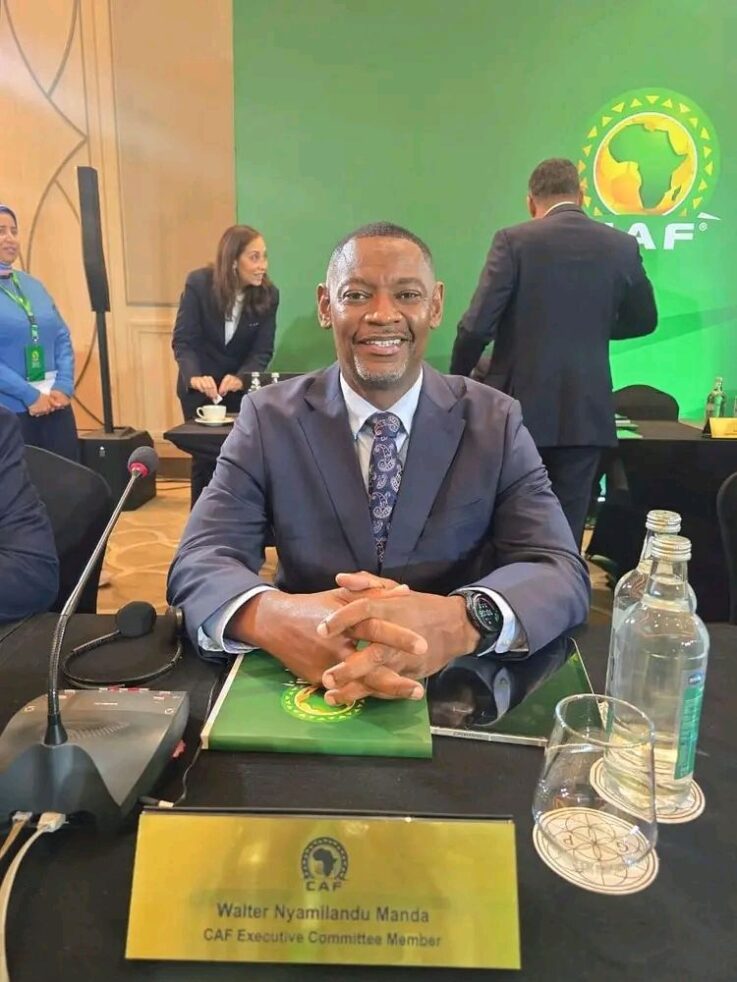
Tension is palpable in Cairo today as the CAF Executive meets to discuss the contentious AFCON controversy between Senegal and Morocco.
The Appeals Committee’s decision to award Morocco the title has sparked outrage in Senegal, with the country’s football federation branding it “administrative robbery” and vowing to take the case to the Court of Arbitration for Sport (CAS).
The drama unfolded after Senegal’s 1-0 win over Morocco in the AFCON final was overturned, with the Appeals Committee citing Article 82 of CAF’s regulations, which states that a team refusing to continue a match shall be considered to have forfeited.
Nyamilandu
Senegal’s players and officials are adamant that they were justified in walking off the pitch in protest at a disputed penalty award, and are determined to clear their name.
“We know we’re African champions,” Senegal coach Pape Bouna Thiaw said, emphasizing that tournaments should be won on the pitch.
The Senegalese government has also weighed in, calling for an independent investigation into alleged corruption within CAF and labeling the decision “grossly illegal and profoundly unjust”.
As the matter heads to CAS, the eyes of African football are watching, with many calling for fair play and justice to prevail.
The outcome of this dispute has significant implications for the integrity of African football, and it’s imperative that the governing body prioritizes transparency and accountability.
The CAF Executive meeting comes at a critical juncture, with governance reforms and potential revisions to CAF statutes on the agenda. The situation remains fluid, and developments are expected in the coming days.
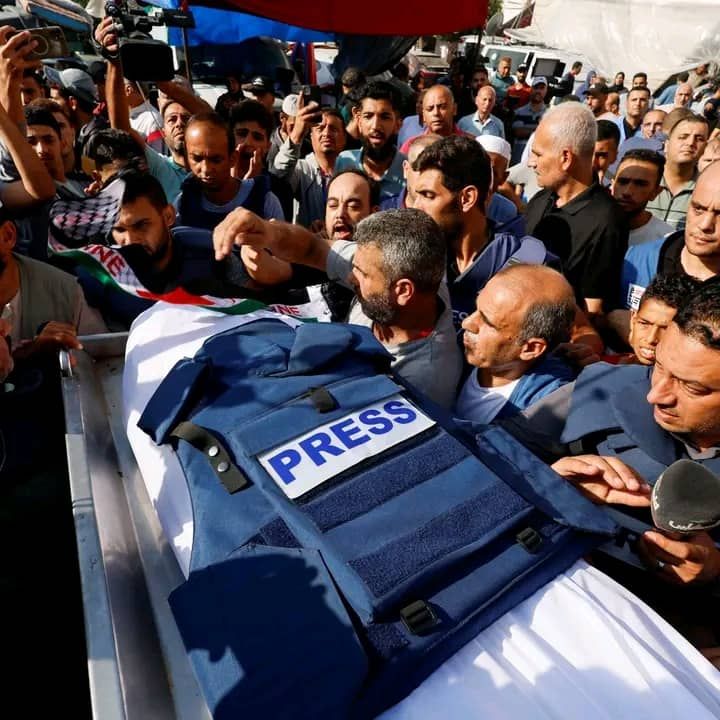
The killing of three journalists and nine paramedics in southern Lebanon on Saturday has shifted attention beyond battlefield developments to the growing risks faced by civilians working on the frontlines of information and healthcare.
The incident comes as tensions linked to the wider US-Israel confrontation with Iran continue to spill across the region, with southern Lebanon increasingly becoming an active and dangerous theatre.
According to reports, the journalists were traveling in a clearly marked press vehicle along Jezzine Road when it was struck by four precision missiles.
The attack killed Fatima Ftouni, her brother Mohammed Ftouni, and Ali Shuaib figures known in regional media circles.
Their deaths highlight a troubling pattern in modern conflict zones, where even clearly identified press personnel are no longer guaranteed protection under international norms.
Several other journalists were wounded in the same strike, suggesting the attack had a wider human impact than initially reported.
Around the same time, emergency responders also came under fire. Ambulances were reportedly targeted, resulting in the death of one paramedic at the scene.
The World Health Organization later confirmed that eight additional paramedics were killed in separate incidents across southern Lebanon that same day.
In total, five different attacks on healthcare services were recorded, leaving seven more medical workers injured further stretching an already fragile emergency response system in the region.
The Israeli military acknowledged responsibility for the strike on the journalists but defended the action, alleging that one of the victims, Ali Shuaib, had ties to Hezbollah intelligence operations.
According to Israel, Shuaib was not only gathering information on troop movements but also actively involved in disseminating Hezbollah-linked propaganda claims that remain contested.
Al-Manar, the network he worked for, rejected the allegations and described Shuaib as a veteran war correspondent who had spent decades documenting conflict in Lebanon.
This dispute underscores a recurring challenge in conflict reporting where accusations of affiliation are often made after deadly strikes, but independent verification remains difficult.
Media organizations have consistently pushed back against such claims, warning that labeling journalists as combatants without clear evidence risks normalizing attacks on the press.
The broader context adds further weight to these concerns, as Israel has previously been accused of targeting journalists in Gaza, with hundreds reported killed since the escalation of that conflict.
Saturday’s events in Lebanon now raise urgent questions about accountability, the protection of non combatants and whether international humanitarian laws are being upheld in increasingly complex war environments.
Mighty Wanderers’ assistant coach Macdonald Mtetemera has acknowledged that the team must fix several key areas if they are to perform strongly in the 2026/27 season.
His remarks follow a disappointing result that revealed deeper tactical concerns within the squad.
Wanderers lost 4-2 on penalties to Goshen City Dedza Dynamos in the 2026 Premier Bet Sapitwa 4 Bonanza after a goalless draw in regulation time at Mulanje Park on Saturday. Despite the tight scoreline, the performance exposed clear weaknesses in attack.
The match lacked sharpness in front of goal, with both sides failing to score in 90 minutes. However, Wanderers looked more disjointed, especially when trying to connect midfield play with their attacking line.
In the penalty shootout, Blessings Singini and Clement Nyondo missed their efforts, putting Wanderers at a disadvantage. Although Lameck Mithi and Blessings Mwalilino converted, it was not enough to turn the result around.
Dedza Dynamos were more composed from the spot, with Christopher Phiri, Alex Orotomal, Marco Chiwaya and George Mboma all scoring, while Precious Kwalenga missed but did not affect the final outcome.
Mtetemera highlighted the lack of coordination between midfielders and forwards as the main problem. This gap made it difficult for the team to create clear scoring opportunities.
From a tactical perspective, Wanderers struggled to build attacks effectively, often relying on long balls instead of structured play. This made their approach predictable and easier to defend against.
The result also points to a bigger issue of failing to control games under pressure. Even in a goalless match, Wanderers did not show enough authority to dictate play.
Looking ahead, Mtetemera said he plans to make changes in the squad for the third place playoff against Red Lions. This could see new players given a chance to prove themselves.
Such rotation may help the technical panel assess combinations that can improve the team’s balance, especially between midfield and attack.
Although the Bonanza is not part of the league, it has exposed areas that need urgent attention before the new season begins.
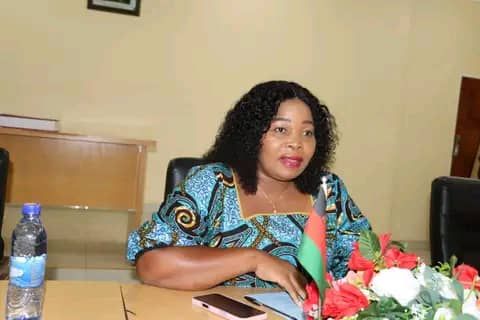
As the world draws the curtains on the vibrant celebrations of International Women’s Month this March, it is only fitting that we pause to honor a shining beacon of hope, resilience, and transformative leadership in Malawi—Honorable Mary Navicha, Minister of Gender, Disability, and Social Welfare.
Throughout this month dedicated to recognizing the strength, struggles, and successes of women worldwide, Minister Navicha has stood out as an emblem of unwavering commitment and impactful action.
Her remarkable contributions have not only uplifted the lives of countless women but have also deeply inspired communities and leaders alike, making her the rightful recipient of the distinguished title: Angelic Minister of the Month.
Navicha
In a time when gender equality and social justice remain critical challenges globally, Honorable Mary Navicha’s leadership has been nothing short of extraordinary. She has demonstrated a rare blend of compassion, strategic vision, and hands-on involvement that has set her apart as a true champion of women’s rights and social welfare.
Her efforts during International Women’s Month have underscored the immense potential that dedicated public servants have in shaping a more inclusive and just society.
From securing vital resources to advocating for the vulnerable, Navicha has embodied the essence of what it means to be a servant leader devoted to the empowerment and upliftment of women.
One of the most striking accomplishments of Minister Navicha during this period has been her success in securing approximately 4 million pounds from the British Embassy, earmarked specifically for combating gender-based violence and intimate partner violence in Malawi.
This significant funding injection reflects not only her adeptness at navigating international partnerships but also her unwavering commitment to protecting women and girls from violence and abuse.
Gender-based violence remains a scourge that undermines the dignity, safety, and well-being of women, and Navicha’s proactive approach to addressing this issue has provided renewed hope for survivors and advocates nationwide.
By channeling these resources into programs that safeguard women’s rights and offer support to victims, she has created a tangible impact that resonates far beyond the immediate beneficiaries.
Moreover, Minister Navicha has been a tireless advocate for women’s rights and empowerment through the promotion of justice and legal protections.
She has consistently emphasized the importance of Malawi’s progressive legal framework, including the Gender Equality Act and the Child Care, Protection and Justice Act, as pillars for advancing gender equality.
Her vocal support for these laws has helped to raise awareness about the critical role that legislation plays in protecting women and girls from discrimination and abuse.
By championing access to justice, Navicha ensures that women are not only aware of their rights but also able to exercise them fully within the judicial system.
This advocacy is crucial for dismantling systemic barriers and for empowering women to claim their rightful place in society.
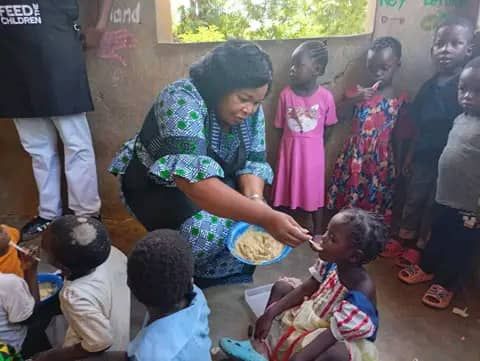
In addition to her policy work, Minister Navicha’s dedication extends into the heart of Malawi’s vulnerable communities. Her visit to Kachere Prison to meet with women inmates is emblematic of her hands-on approach to leadership and empathy for marginalized groups.
By engaging directly with incarcerated women, she has shed light on the challenges they face and underscored the importance of rehabilitation, support, and social reintegration.
This visit was more than symbolic; it was a call to action for greater attention to the needs of women in all spheres of life, including those often forgotten or overlooked by society.
Furthermore, Navicha’s involvement with the Social Cash Transfer Programme (SCTP) has brought hope and stability to approximately 1.5 million individuals, with a focus on female-headed households which make up 70% of the beneficiaries.
This program highlights her understanding of the intersectionality of social issues, recognizing that poverty alleviation is a critical component of gender empowerment. By supporting vulnerable families, especially those led by women, Minister Navicha is addressing the root causes of inequality and creating a foundation for sustainable development.
Her strategic vision ensures that social welfare initiatives are not just temporary relief but pathways to long-term empowerment.
Another remarkable facet of Minister Navicha’s leadership has been her passionate advocacy for disability inclusion.
Recognizing that gender and disability issues often intersect to create compounded marginalization, she has called for stronger investment in disability inclusion, ensuring that no one is left behind in the pursuit of equality. Her donation of K1 million to the Malawi Council for Disability Affairs (MACODA) is a testament to her commitment to inclusive development.
By promoting policies and initiatives that integrate persons with disabilities into the social and economic fabric of Malawi, Navicha demonstrates an expansive vision of empowerment—one that embraces diversity and champions the rights of all citizens.
Her role as a leading figure in national events such as the International Women’s Day celebrations further illustrates her dedication to elevating women’s voices and achievements.
During these celebrations, she highlighted the strides Malawi has made in gender equality and women’s empowerment, inspiring many to continue advocating for progress.
Her presence and speeches not only energized the occasion but also reinforced the critical message that gender equality is a shared responsibility requiring concerted action from all sectors of society.
In light of these extraordinary contributions, it is clear that Honorable Mary Navicha is not just a minister; she is an angelic force for good—a rare leader whose heart beats in rhythm with the aspirations and struggles of Malawi’s women. Her leadership during International Women’s Month has been a powerful reminder that true progress is rooted in compassion, courage, and consistent action.
The President of Malawi, and indeed all national leaders, should be encouraged to collaborate more closely with visionary leaders like Navicha who embody dedication, integrity, and effectiveness.
Her work deserves recognition beyond the confines of a single month; she is, without a doubt, the embodiment of the International Woman of the Month, a title that speaks to her profound influence and transformative impact.
Mary Navicha’s story is a beacon of hope and a blueprint for how governments can champion women’s rights and social welfare through concrete, impactful action.
As we close this International Women’s Month, let us celebrate her achievements and draw inspiration from her example.
The path to gender equality and social justice is long and complex, but with leaders like Navicha lighting the way, the future looks brighter than ever for the women of Malawi and beyond.
Her angelic spirit, unwavering resolve, and heartfelt dedication remind us all that when we invest in women, we invest in the prosperity and harmony of entire communities and nations.
In honoring Honorable Mary Navicha as the Angelic Minister of the Month, we acknowledge not only her current achievements but also the promise of what is yet to come.
Her journey is a testament to the power of leadership rooted in empathy and action—a true celebration of women’s strength, resilience, and boundless potential.
May her example continue to inspire and galvanize efforts for a more inclusive, equitable world where every woman can thrive and every voice can be heard.