Peter Pindani, a former striker for Silver Strikers FC, has openly criticized the Football Association of Malawi (FAM) for appointing FCB Nyasa Big Bullets coach Kalisto Pasuwa as head coach of the Malawi national team. Pindani argues that Pasuwa, being a club coach for Bullets, should remain focused on his club responsibilities and questions FAM’s reasoning behind choosing a club-affiliated coach for the national team role.
“I think Kalisto Pasuwa is Bullets’ coach, and for this role, he should have just stayed with Bullets,” said Pindani. “I don’t understand why the FA has assigned him a position in the national team.”
Peter Pindani
Pindani also criticized what he sees as bias in Pasuwa’s player selections, claiming that this favoritism is something many Malawian fans dislike. He specifically took issue with the exclusion of key players such as Chimwemwe Idana and Stanley Sanudi, which he believes is unjustifiable and lacks merit.
“Look at his decisions—he’s dropped key players like Chimwemwe Idana for reasons that aren’t valid, maybe because Idana left Bullets under difficult circumstances. Today, he’s excluded from the national team. Players like Brighton Munthali and Stanley Sanudi are essential to the team, and without them, nothing meaningful will happen,” he said.
Pindani made these remarks during a football podcast with Hankey Chimtengo and Alfred Manyozo Jnr., where he emphasized that leaving out talented players weakens the national squad. He urged FAM to prioritize fairness and choose coaches who will objectively select players based on performance and skill, rather than personal preferences or club affiliations.
Pindani’s comments have sparked a lively debate among Malawian football fans. Some support his view, agreeing that the national team deserves a coach with undivided focus, while others feel Pasuwa’s experience could benefit the squad.
Newton Kambala, a prominent leader within the UTM Party and one of the contenders for the party’s top leadership, has expressed his heartfelt gratitude for the overwhelming support received from a diverse range of people during a recent fundraising event. The funds are intended to support the upcoming UTM convention, where the party will elect its leaders.
“I am truly grateful to see the level of support people have shown us during this crucial time as we raise the funds needed to hold our convention,” Kambala said. “I want to publicly thank everyone who has contributed and encourage all UTM supporters to continue supporting us. Our accounts will remain open until the day of the convention. We need significant funds to ensure everything runs smoothly,” he added.
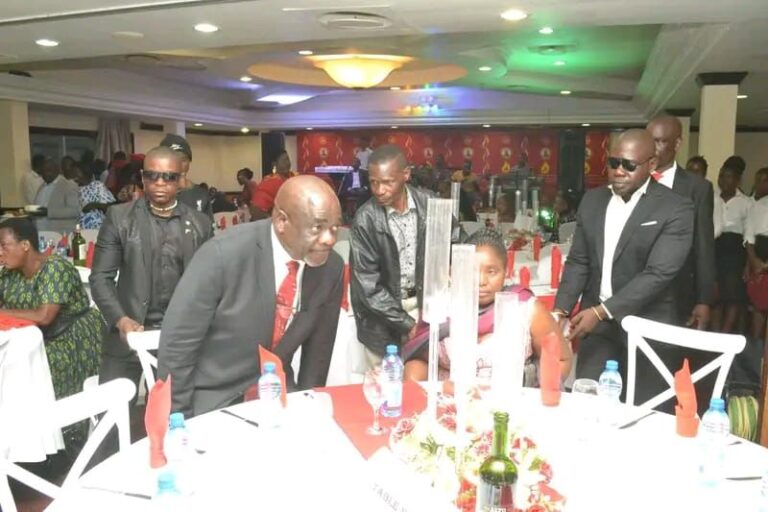
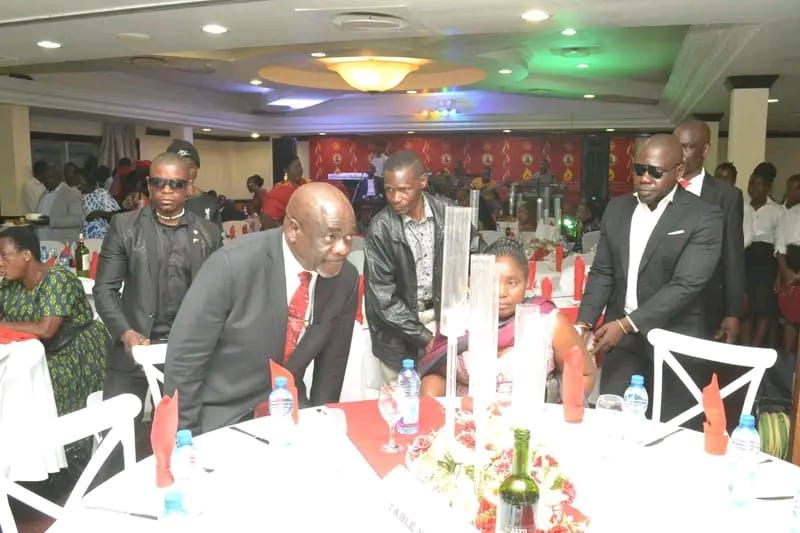
Newton Kambala
In a symbolic gesture during the event, Kambala purchased a portrait of the late Saulos Klaus Chilima, former Vice President and UTM figure, for MWK 25.2 million. This act reflects the dedication and respect Kambala holds for UTM’s legacy, while also demonstrating his commitment to the party’s mission and future.
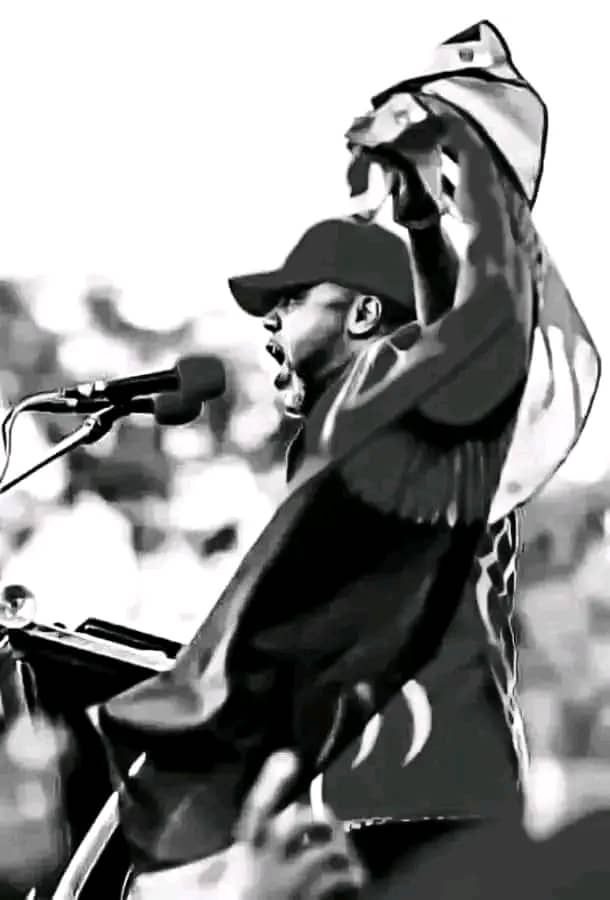
In a significant move that underscores the leadership and unity within the UTM Party, Kwesi Msusa, one of the party’s high-ranking officials, announced that the portrait of Saulos Chilima, the party’s founder and former Vice President, is now the official symbol of the party. This decision marks a new chapter for the UTM as it moves away from its previous symbol—the flames—and embraces the powerful image of its leader.
“We have done away with the flames, we have made SKC our official symbol,” stated Msusa during the UTM Party’s fundraising dinner in Blantyre on Saturday, 9 November 2024. This announcement was met with applause from party members and supporters, who viewed the decision as a reaffirmation of the party’s identity and commitment to the leadership of Chilima.
The portrait of Saulos Chilima has long been a symbol of leadership within the UTM. As the party’s founder, Chilima’s image represents not just the party’s vision but also its values of change, hope, and progress for the people of Malawi. By making his portrait the official symbol, the UTM Party has ensured that its identity is closely tied to the ideals and aspirations that Chilima has championed.
Msusa’s statement also addressed an internal issue that had been brewing within the party. He alleged that there had been attempts by some factions within the UTM to replace Chilima’s portrait with that of another figure. While Msusa did not name the individuals behind these efforts, his comments suggest that there had been disagreements or attempts to shift the party’s identity away from its founder.
“This decision has been made following attempts by some quarters of the party to replace Chilima’s face with someone else’s,” Msusa explained. The allegation highlights internal tensions that may have existed within the party, but the decision to reaffirm Chilima as the face of the UTM signals a resolution to these disputes. It reflects the party’s commitment to the leadership and vision that Chilima has provided since its formation.
The portrait of Saulos Chilima as the official symbol of the UTM Party is more than just a personal representation—it is a symbol of the party’s mission to bring about positive change in Malawi. Chilima’s leadership style, which emphasizes transparency, accountability, and a focus on the needs of the people, has resonated with many Malawians who are eager for a new direction in the country’s governance.
By adopting Chilima’s image as the symbol, the UTM Party is sending a strong message to the electorate that the party remains united and steadfast in its commitment to Chilima’s leadership. It also reinforces the idea that the UTM is a party of change, seeking to break away from the old political norms and bring about a new era of political leadership.
Party symbols are crucial in political movements as they often embody the core values and vision of a political organization. For the UTM Party, the portrait of Saulos Chilima serves as a powerful and unifying symbol that connects the party’s history with its future. It reminds the party’s supporters of the goals they are working toward and the person leading them toward those goals.
In Malawian politics, where party symbols can have significant influence on voter perceptions and support, this shift in symbolism may have important implications for the party’s future trajectory. It aligns the party even more closely with its founding principles, ensuring that the UTM remains synonymous with Saulos Chilima’s vision for a better Malawi.
The decision to make Saulos Chilima’s portrait the official symbol of the UTM Party marks a new phase in the party’s journey. It represents a moment of consolidation and focus, signaling that the UTM is committed to its founder’s leadership and that the party will continue to prioritize his vision in the coming years.
The announcement came at a time when the UTM Party is looking toward its future, especially with the upcoming elective convention slated for next weekend in Mzuzu. The party’s unity, reflected in this symbolic decision, will likely play a key role as it moves forward and prepares for future political challenges.
As the UTM Party prepares for its convention and continues to strengthen its leadership, the decision to adopt Chilima’s portrait as the official symbol will undoubtedly have a lasting impact on the party’s identity and its relationship with the electorate. With the flames now gone and Chilima’s image firmly in place, the UTM looks ahead to a future where the party’s message of change, transparency, and progress continues to resonate with the people of Malawi.
This bold move by the UTM Party demonstrates not only a commitment to Saulos Chilima’s leadership but also a strategic effort to solidify the party’s position as a force for political transformation in the country. As the party continues to grow and evolve, its symbol will serve as a reminder of the vision that brought it into existence and the leadership that continues to guide it.
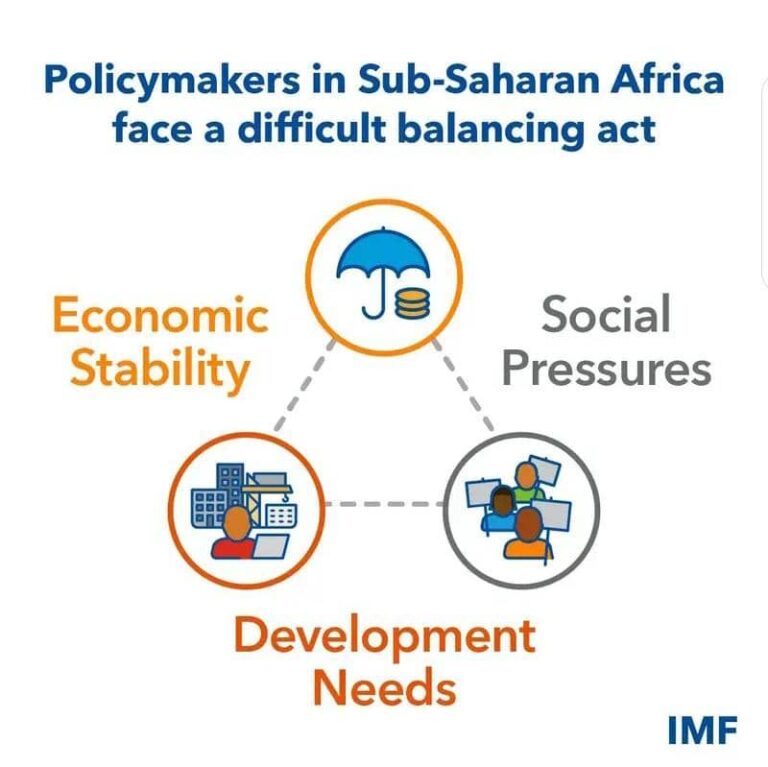
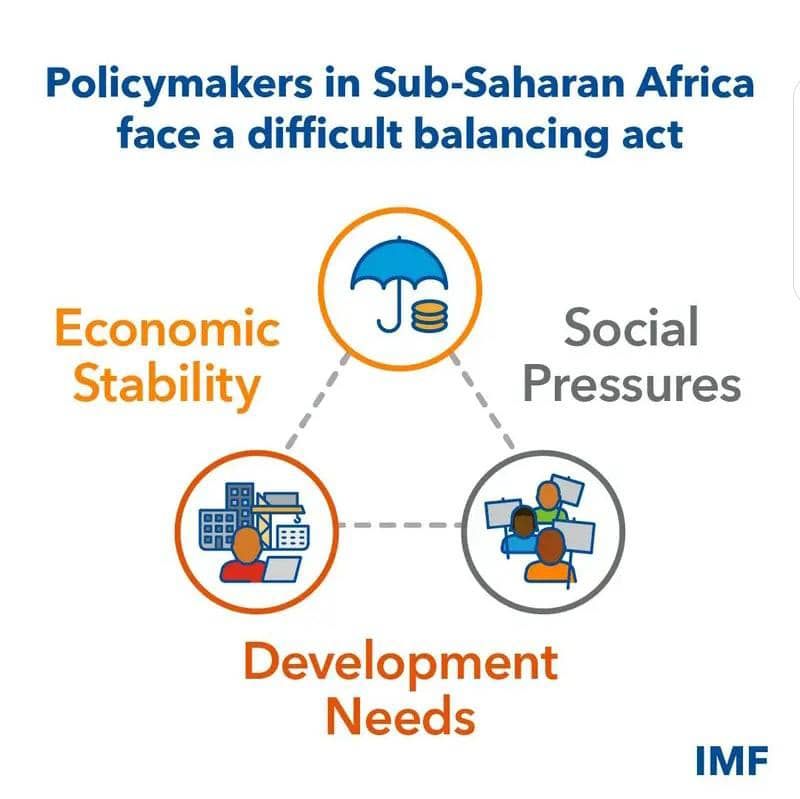
Sub-Saharan Africa is confronting a tough economic landscape as it attempts to restore stability through necessary, albeit challenging, reforms. These efforts are essential for addressing economic imbalances, yet the path to success is complex and marked by three primary challenges.
1) Subdued economic growth
With growth projected at 3.6% for 2024 and a slight increase to 4.2% in 2025, Sub-Saharan Africa’s economic expansion remains modest and inconsistent. This sluggish growth leaves the region particularly susceptible to economic shocks, which can exacerbate issues in countries already facing structural vulnerabilities. Slow growth not only limits the potential for economic resilience but also impacts employment and overall development goals, making it harder for governments to meet public demands.
2) Limited financing options
Many nations in the region are grappling with high debt burdens and restricted access to affordable financing, which hinders efforts to fund reforms or maintain essential services. This situation restricts fiscal policy options, reducing the capacity to invest in growth-stimulating projects. Given these constrained resources, policymakers have limited room to respond to crises or invest in initiatives that would benefit long-term economic stability, further slowing the region’s progress toward recovery.
3) Social frustration and rising hardships
The economic adjustments, while necessary, have had immediate social costs, particularly for those already facing poverty and limited job opportunities. The high cost of living, coupled with government inefficiencies, adds to public dissatisfaction. In many areas, this frustration stems from a perception that governments are not sufficiently addressing the pressing needs of ordinary citizens. The sacrifices required to implement these reforms, such as reduced subsidies or increased taxes, are often felt most acutely by vulnerable populations.
Balancing stability and social equity
Policymakers are tasked with the difficult balance of advancing economic stability while managing social needs. Reforms must not only aim at stabilizing economies but also at fostering inclusivity, creating employment opportunities, and protecting the most vulnerable. Ensuring that these changes resonate with local realities will be crucial in securing public support and sustaining reform momentum.
As Sub-Saharan Africa looks toward recovery, the effectiveness of these reforms will hinge on their ability to uplift and stabilize the livelihoods of all citizens. For long-term success, reforms need to foster both economic resilience and social cohesion, gradually steering the region toward sustainable growth and prosperity.
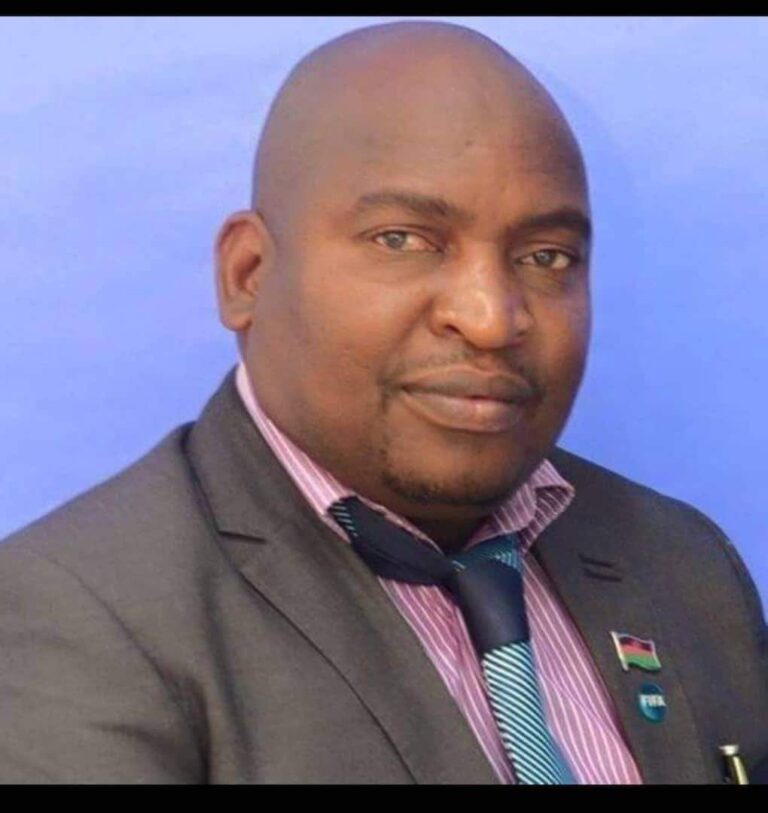
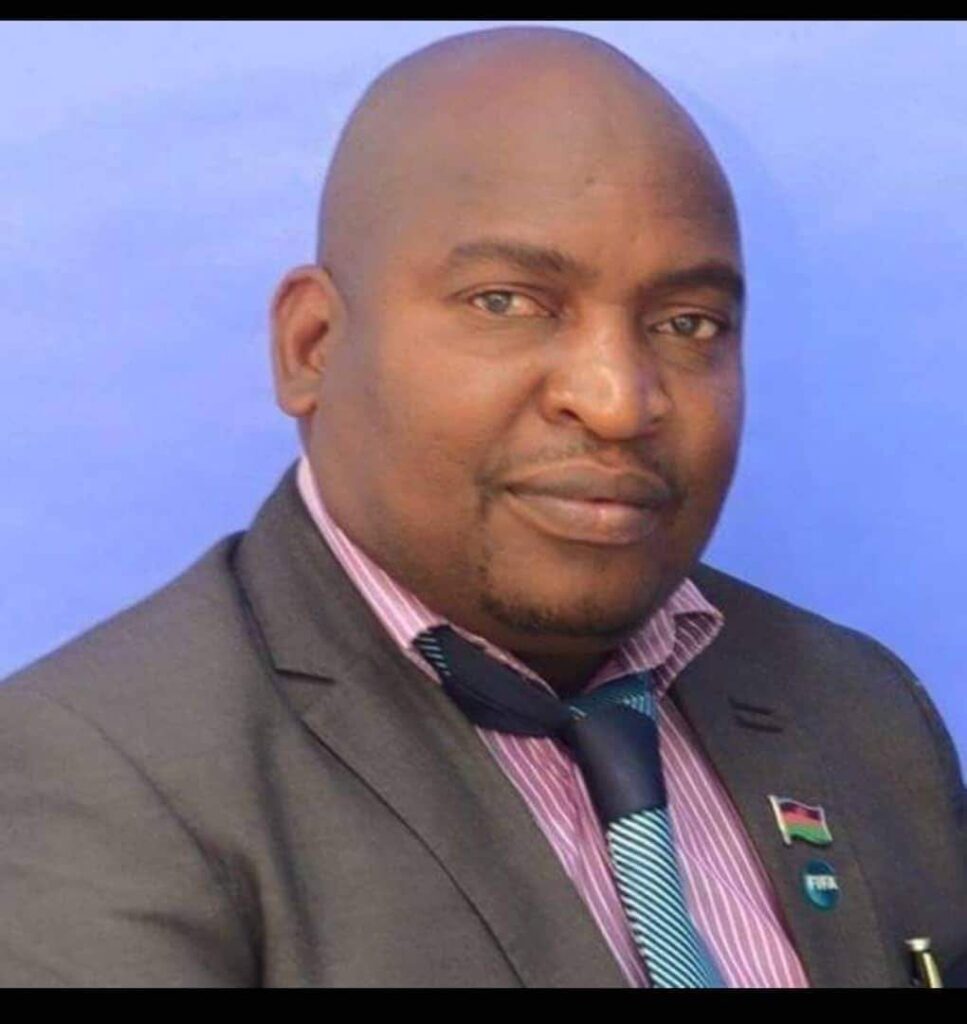
Death has been announced of Former Second Vice President of the Football Association of Malawi (FAM), Othaniel Hara.
Reports indicate that Hara died in a car accident that happened at Mtwalo in Mzimba district on his way back from his home village, Mpherembe in the district.
Hara
Hara’s brother Franklin, has confirmed about the death saying his brother’s body is being kept at Mzuzu Central Hospital Mortuary and burial arrangements will be announced later.
Hara who has died at the age of 58, served as FAM’s Second Vice President for eight years during the tenure of former FAM President Walter Nyamilandu.