Friday, April 17, 2026
No menu items!
spot_img
Home Blog Page 81

FDH Bank plc launches ‘Swipe to Dubai’ promotion

0

By Linda Kwanjana

FDH Bank plc has launched a four-month digital promotion called ‘Swipe to Dubai’, which will run from February 10 to June 13 this year.

Speaking during the official launch on Tuesday, FDH plc Head of Marketing Ronald Chimchere said the initiative reflects the Bank’s continued commitment to promoting digital marketing rewarding customers for using electronic payment platforms.

He urged customers to embrace digital transactions to increase their chances of winning.
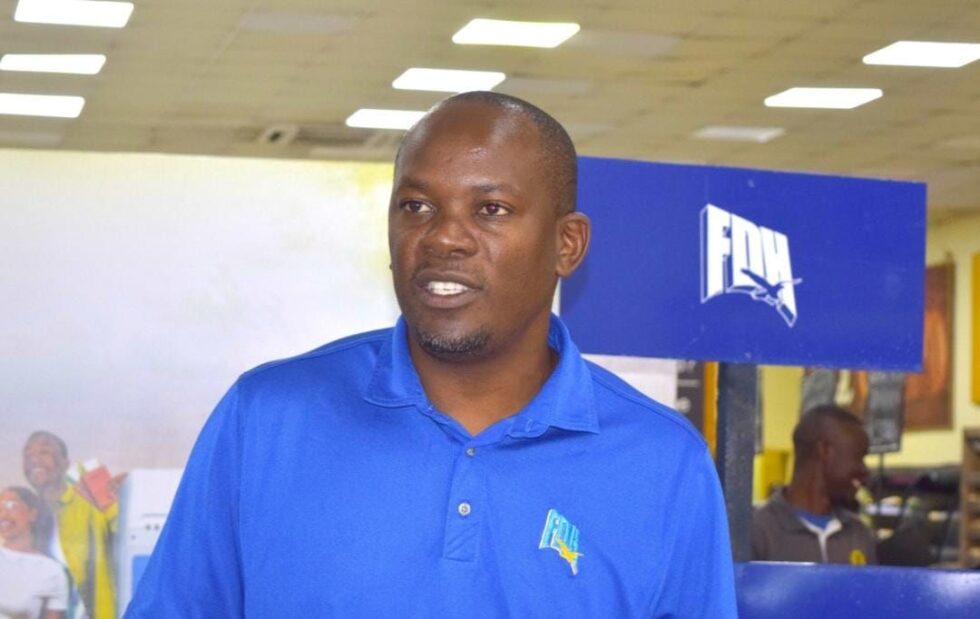
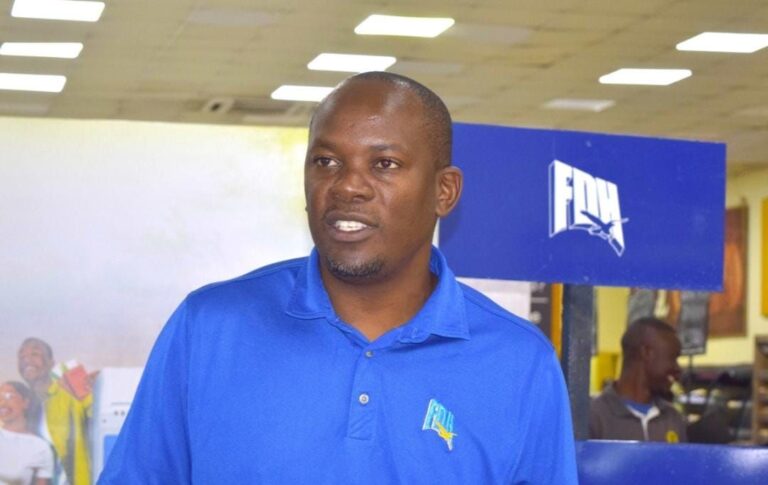
Ronald Chimchere


“We want to reward customers, with an outstanding prize, that is why we have launched this promotion. Three lucky winners will walk away with a fully sponsored trip to Dubai. To qualify, customers are required to spend K20,000 or more and swipe at any Point of Sale (POS) machine available at partnered outlets, including Chipiku and Ekhaya stores nationwide,” said Chimchere.

He also clarified that the competition is open to all bank card users, not only FDH plc customers.

In addition to the grand prize, the Bank will award monthly cash prizes of K100,000 to 25 customers.

“Once you swipe write your name and phone number at the back of the receipt. Your swipe will take you on a journey, so let the swiping begin,” said Chimchere.

One of the customers, Anthony James welcomed the promotion, describing it as an exciting opportunity.

“I am very excited that FDH plc has launched this promotion. It is a lifetime opportunity for us customers to win such an amazing price. I look forward to getting a chance to win with every shopping transaction I make,” said James.
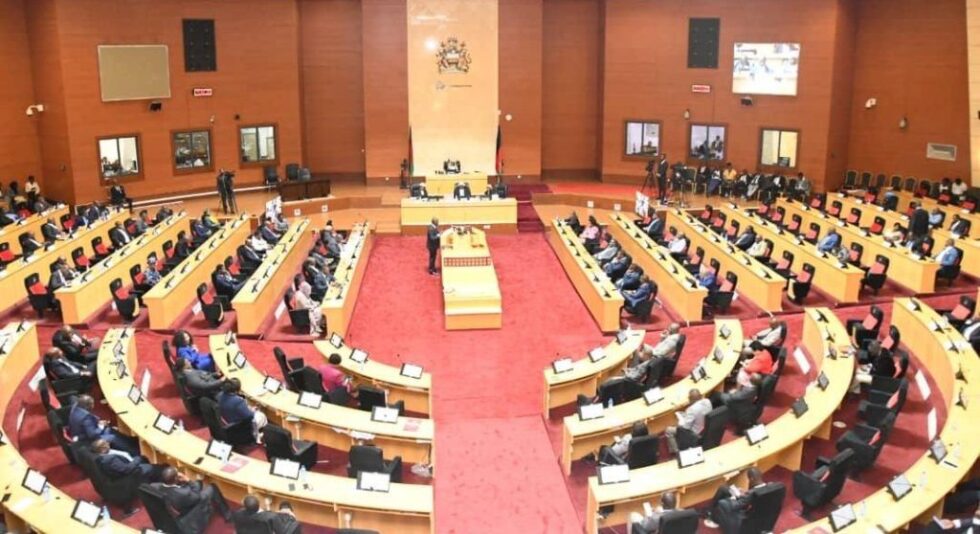
Malawi’s Budget Meeting kicks off: A look ahead to economic direction

0


By Burnett Munthali

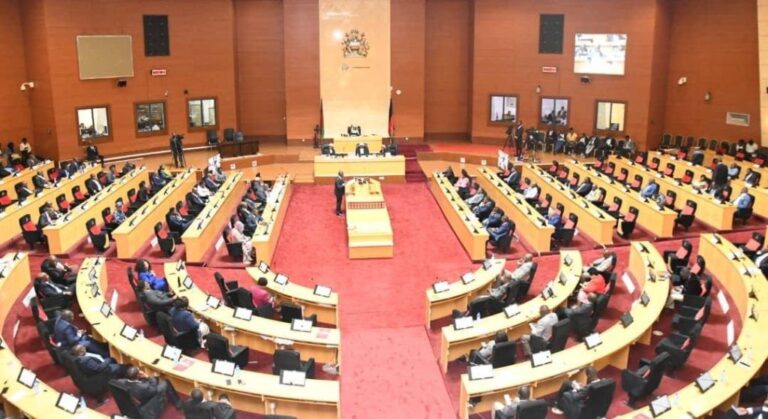
The 2026/2027 Budget Meeting of Parliament is set to commence on Friday, 13th February, 2026, with an official opening ceremony presided over by His Excellency the President, Professor Arthur Peter Mutharika, marking a crucial period for Malawi’s economic planning.

The meeting will take place in the Parliament Chamber in Lilongwe at 10:00 a.m. and will run until Friday, 10th April, 2026.

This budget meeting is significant as it will be the first full national budget tabled by the Democratic Progressive Party (DPP) administration since it assumed power following the September 16, 2025, General Election, and is expected to provide a clear economic direction for the country.


The Centre for Social Concern (CfSC) has described the meeting as timely, saying Malawians will be looking beyond figures to clear economic direction, emphasizing that the budget presents a critical test of the administration’s leadership.

The current 2025/26 National Budget, which expires on March 31, 2026, was revised upward by K512.6 billion during the mid-year review to K8.589 trillion from the initial K8.077 trillion, indicating a shift in economic priorities.

Malawi’s 2026/2027 budget meeting is focusing on key areas like manufacturing, tourism, and agriculture to drive economic growth, with the government aiming to reduce the fiscal deficit to 4.3% and debt-GDP ratio to 55.6%, while prioritizing sectors that can stimulate quick gains.

The budget prioritizes manufacturing and tourism for quick economic gains, with initiatives like electronic components manufacturing and tourism development, and supports agriculture, a crucial sector for Malawi’s economy, to improve food security and exports.

The government is committed to fiscal discipline, transparency, and policy consistency to restore macroeconomic stability, which is expected to have a positive impact on the country’s economic future.

The country’s medium-term economic outlook remains positive, with projected GDP growth of 4% in 2026 and 4.9% in 2027, however, challenges like climate shocks, high inflation, and foreign exchange pressures need to be addressed.

The success of the budget meeting will depend on the government’s ability to implement its economic plans and address the country’s pressing economic challenges.

From dependence to self-sufficiency: The rise of financially independent churches in Malawi


By Burnett Munthali

Over the years, churches in Malawi have undergone a significant transformation, evolving from relying heavily on external funding to becoming financially independent entities.

This shift is a testament to the growing maturity and resilience of the Malawian church, as well as the increasing commitment of its members to support their local congregations.

One of the key factors contributing to this trend is the growing emphasis on self-reliance and stewardship within the church, with many congregations encouraging members to contribute financially and participate in income-generating projects.


Churches have also diversified their income streams, investing in various ventures such as agriculture, real estate, and small businesses, generating revenue and reducing dependence on external aid.

The Catholic Church, for example, has established a number of successful business ventures, including farms, hotels, and printing presses, which have enabled it to support its charitable and social programs.

Similarly, some Pentecostal churches have invested in commercial properties, using the rental income to fund their ministries and community outreach programs.

This financial independence has enabled churches to respond more effectively to the needs of their communities, providing essential services such as education, healthcare, and social support.

Moreover, financially independent churches are better positioned to maintain their autonomy and integrity, free from the influence of external donors or benefactors.

As churches continue to grow and mature, there is a growing recognition of the importance of empowering local congregations and promoting financial sustainability.

The shift towards financial independence has also led to increased accountability and transparency within churches, with many adopting robust financial management systems and reporting mechanisms.

Ultimately, the rise of financially independent churches in Malawi reflects a broader trend of empowerment and self-reliance, as local institutions take ownership of their development and respond to the needs of their communities.

Asset Forfeiture Overshadows Funeral Standoff in Zambia


By Rahim Abdul

The Zambian government’s move to seize properties linked to the family of former President Edgar Lungu has added fresh intensity to an already tense national debate, unfolding while his remains are still held in South Africa months after his death.

A court ruling has ordered the forfeiture of a wide range of assets connected to the Lungu family, including dozens of vehicles, residential houses, commercial buildings, and a filling station, after finding they were unlawfully acquired.

Authorities say the decision is part of a broader effort to enforce accountability and recover public resources, stressing that the law must apply equally regardless of political status or family name.


The ruling has immediately stirred strong reactions across Zambia, with supporters praising it as a long-awaited stand against corruption involving powerful figures.

However, critics argue that the timing and scale of the seizures raise concerns about political targeting, especially given the unresolved dispute surrounding Lungu’s burial.

Former President Lungu died in June 2025, but his body has yet to be laid to rest, as disagreements between his family and the state continue to block final arrangements.

The Lungu family has pushed for a private burial in Johannesburg, citing personal wishes and dignity, while the Zambian government has insisted on repatriating his remains for a full state funeral.

Legal battles in South African courts have largely leaned in favour of the Zambian government’s position, though repeated appeals by the family have slowed the process.

As a result, the late former leader’s remains have remained in South Africa for months, an unusual situation that has drawn regional attention and public unease.

The overlapping asset forfeiture case and burial dispute have exposed deep mistrust between the Lungu family and the current administration.

Political analysts say the standoff reflects wider struggles over power, legacy and accountability in Zambia’s post-Lungu era.

Together, the court-ordered asset seizures and the delayed burial have become symbolic of Zambia’s ongoing challenge to balance justice, politics, and respect for former leaders.

Kabula Festival Returns to Blantyre with Bigger Ambitions


By Rahim Abdul

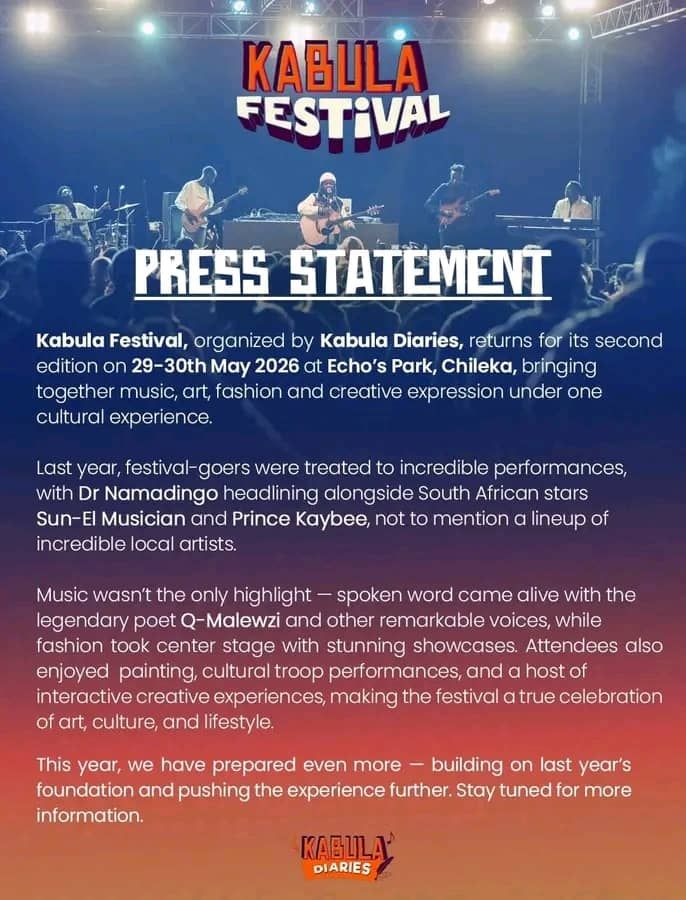
Organisers of the Kabula Festival have officially announced the dates for this year’s edition, confirming that the event will take place from 29 to 30 May at Chileka in Blantyre.

The announcement was made through a statement released by Kabula Diaries, the company responsible for planning and managing the festival, which has quickly grown into one of the anticipated entertainment events in the country.

According to the organisers, this year’s festival will mark the second time the Kabula Festival is being held in Malawi, following a successful inaugural edition that attracted wide attention from music lovers.

Kabula Diaries said preparations for this year’s event are being guided by experiences and lessons learned during last year’s festival, with the aim of improving both the quality and overall organisation of the show.


The organisers hinted that the upcoming edition will be “bigger and better,” suggesting enhanced performances, improved logistics, and a more memorable experience for attendees.

They also assured the public that more information, including the full list of performers and other festival activities, will be released gradually as the event date draws closer.

Last year’s Kabula Festival made headlines after bringing together a blend of local and international artists on one stage, creating a unique entertainment atmosphere.

Malawian music star Patience Namadingo was among the local artists who graced the event, earning praise for his performance and connection with fans.

The festival also featured celebrated South African artists, including Prince Kaybee and Sun-El Musician, whose participation helped elevate the profile of the event beyond Malawi’s borders.

With its return to Blantyre this May, the Kabula Festival is expected to once again celebrate music, culture, and creativity, while reinforcing Malawi’s growing presence on the regional entertainment scene.