The Centre for Democracy and Economic Initiatives (CDEDI) has canceled the protests it planned to stage to push President Dr. Lazarus Chakwera to establish a commission of inquiry into the plane crash that killed former Vice President Saulos Chilima and eight others.
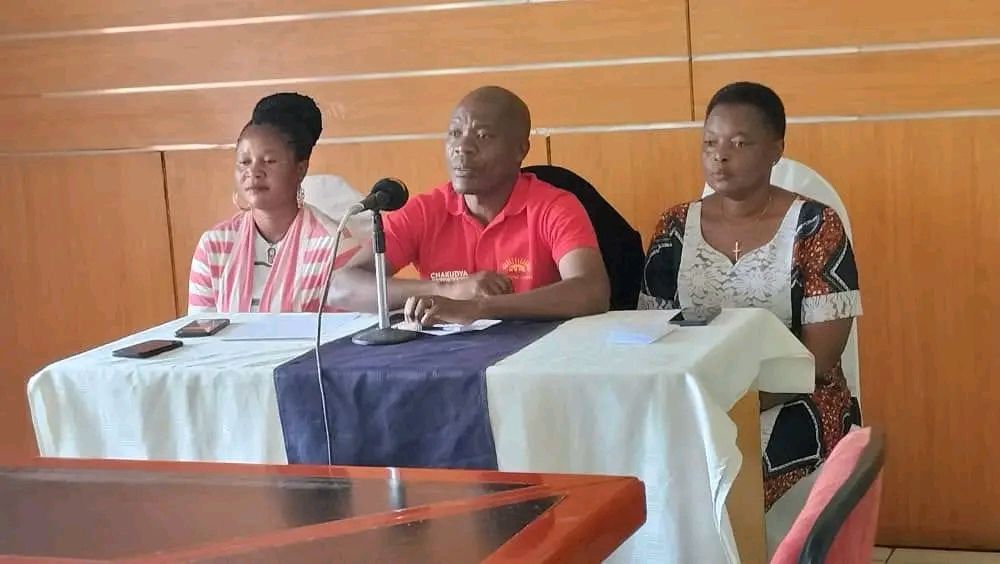
CDEDI executive director Sylvester Namiwa announced the decision to cancel the demonstrations on Sunday, stating that since the president has established a commission to investigate the matter, there is no need to hold the protests that were scheduled for October 29 in Ntcheu and October 30, 2024, in Lilongwe.
Namiwa
Namiwa also accepted his appointment to the commission, stating that his acceptance is intended to represent the public.
“While pledging support to the chairperson of the newly appointed commission, Justice Jabar Alide, and his entire committee, CDEDI wishes to assure the general public that the undersigned’s acceptance to serve on the commission is solely to represent the voiceless and should not be feared as a compromise of the organization’s noble duty,” he said.
Namiwa also stated that CDEDI remains committed to holding the Tonse Alliance government accountable for its actions and failure to act in the best interests of Malawians regarding the tragic accident.
Chilima and eight others died on June 10, 2024, in a plane crash in Viphya Plantations.
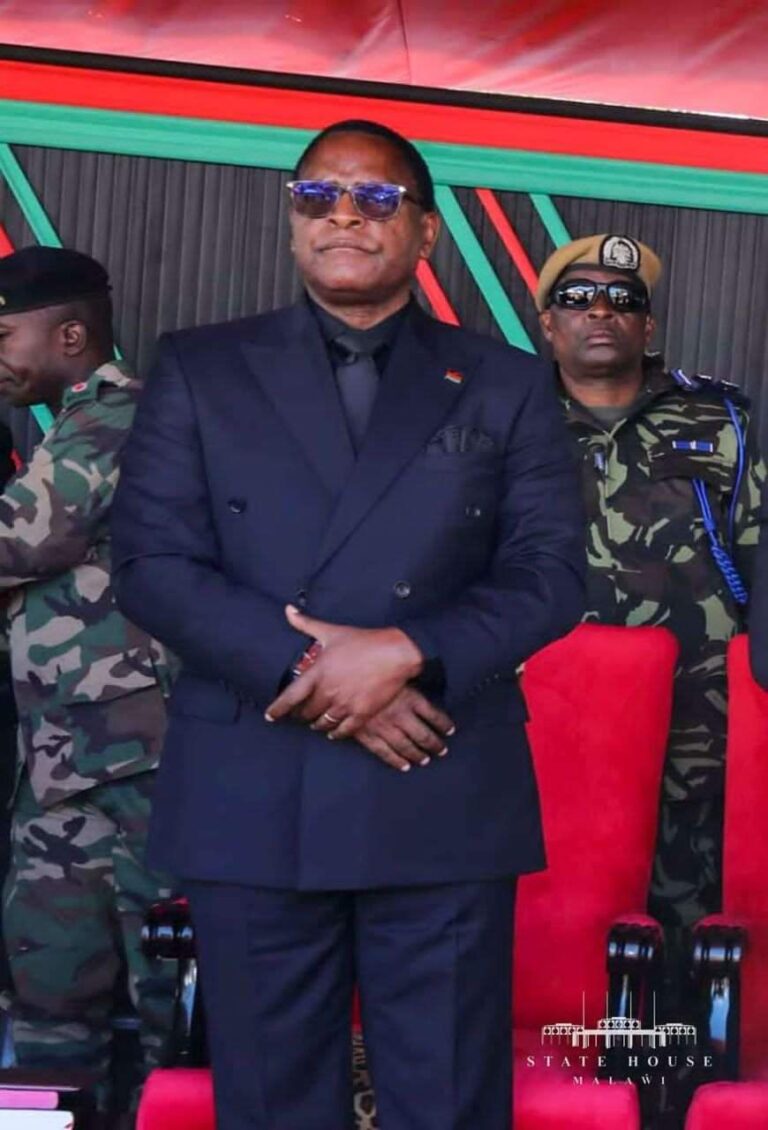
Malawi President Dr Lazarus McCarthy Chakwera says is deeply greaved following the untimely demise of retired Supreme Court Judge , Duncan Tambala
In his eulogy to the bereaved family , Chakwera the passing of the Justice Tambala , Malawi has lost great Jurist who has served the country well.
Chakwera said Justice Tambala will be remembered for ever especially for the cases he presided on.
President Chakwera
“The First Lady and I extend our deepest condolences to the family, friends and col- leagues of Justice Duncan Tambala, a renowned jurist who served Malavwi with distinction.
Chakwera described Justice Tambala as someone who has served this country well and with distinction.
“His passing leaves a void in the coun- try’s judicial landscape. We honour his remarkable legacy, including his tenure at the Supreme Court of Appeal and the African Court on Human and Peo-ples’ Rights. May his memory be a blessing to Our nationhood,” he said.
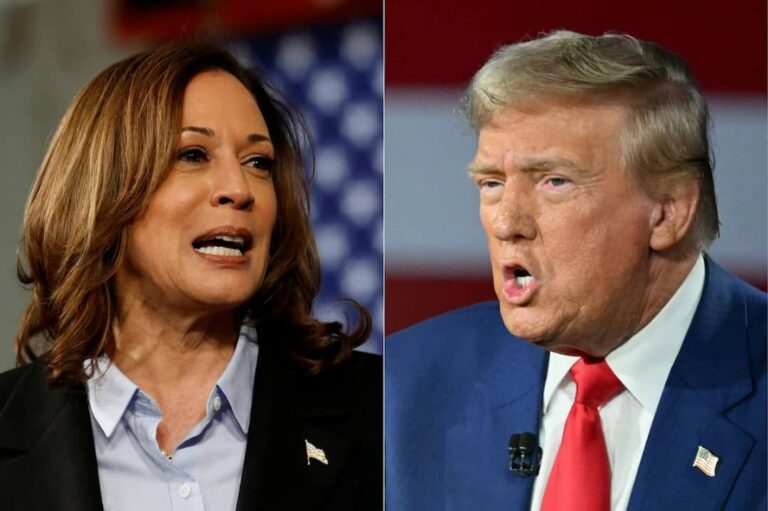
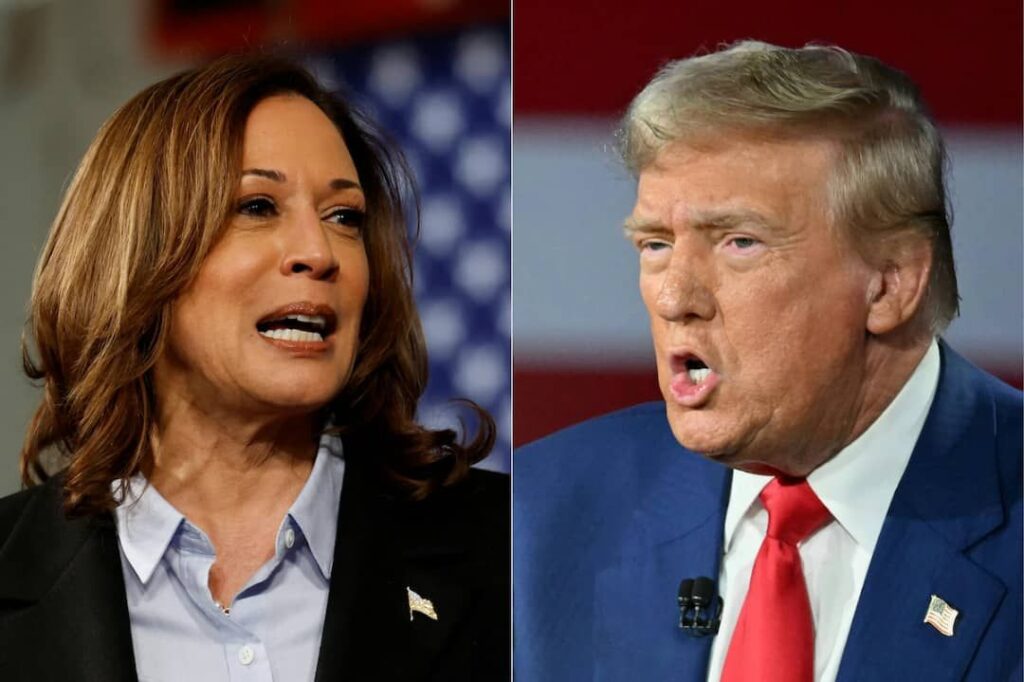
The final stretch of the 2024 U.S. presidential election is seeing both Democrats and Republicans intensifying their efforts in critical battleground states like Michigan. The upcoming rallies from both Vice President Kamala Harris and former President Donald Trump highlight the increasingly high stakes and the sharp contrast in strategies as each campaign seeks to secure a narrow path to victory.
Vice President Kamala Harris’s rally in Kalamazoo, where she will be joined by former First Lady Michelle Obama, represents a calculated move by the Democratic campaign to shore up support among key demographics, especially women and college-educated voters. Michigan, as a swing state, has been central to both parties’ electoral strategies in recent elections, and this time is no different. Harris’s rally aims to galvanize voters around the issue of reproductive rights, a hot-button topic that has dominated national debates in the aftermath of the Supreme Court’s 2022 decision to overturn Roe v. Wade.
Harris and Trump
For Democrats, reproductive rights are more than just a policy issue—they are a symbol of broader personal freedoms and access to health care, which resonate deeply with many voters, especially women. Harris’s ability to mobilize this demographic will be key in Michigan, a state where suburban women and young voters can swing the outcome. Bringing in Michelle Obama—a figure with lasting popularity, especially among minority groups and younger voters—could help energize the Democratic base. This move reflects a broader strategy to appeal to voters who are less likely to turn out in midterm elections but could prove decisive in a high-stakes presidential race.
Former President Donald Trump, meanwhile, is intensifying his efforts to appeal to a broader coalition of voters in Michigan. His rallies, including one in Novi, reveal an interesting blend of domestic economic concerns and more complex outreach to traditionally opposing voter groups, such as Arab and Jewish Americans. Despite his strong pro-Israel stance and support for Israeli military actions, Trump’s attempt to engage Muslim voters indicates a willingness to blur the lines between foreign policy positions and domestic political gains. This balancing act demonstrates Trump’s pragmatism, as he seeks to broaden his appeal beyond his traditional base.
At the heart of Trump’s message is a focus on economic issues. His promise to bring back manufacturing jobs and restore American industry continues to resonate with working-class voters, particularly in Michigan, where the decline of the auto industry has left a significant economic impact. By tapping into these economic anxieties, Trump is reinforcing his position as a champion of the working class, an image he has carefully cultivated since his 2016 campaign. His continued emphasis on early voting and electoral integrity also speaks to his base’s concerns about election security, though it remains a polarizing issue that could either mobilize or alienate voters.
The contrasting strategies of Harris and Trump reflect broader trends in the 2024 election. Harris is doubling down on social and cultural issues, particularly reproductive rights, to mobilize key demographics that align with the Democratic platform. By focusing on college-educated voters, women, and minorities, Harris and the Democrats are playing to the strengths of their base while hoping to attract undecided voters who are concerned about personal freedoms and health care.
Trump, on the other hand, is taking a different approach, focusing on economic populism and concerns over electoral integrity. His rallies aim to reinforce his core message of economic renewal and electoral skepticism, while his outreach to both Arab and Jewish voters underscores the complexities of his domestic and foreign policy agenda. Trump is betting that his base’s loyalty, combined with strategic inroads into new voter blocs, will help him overcome Democratic advantages in urban and suburban areas.
The presence of high-profile figures like Michelle Obama on the campaign trail signals the Democrats’ recognition that voter turnout will be critical in Michigan. Obama’s enduring popularity, particularly among African American voters and women, could provide a much-needed boost for the Democratic campaign. Meanwhile, Trump’s rallies continue to energize his supporters, especially with his inflammatory rhetoric on media bias and election integrity, which has long been a cornerstone of his appeal to his base.
Ultimately, both Harris and Trump are aiming to solidify their bases while trying to persuade the small fraction of undecided voters who could determine the outcome of the election. Michigan’s status as a swing state has been well-documented in past elections, and 2024 is no different. With both campaigns pulling out all the stops, the final days of this election will be crucial, as each side seeks to energize its supporters and sway those who remain undecided.
The rallies in Michigan serve as a microcosm of the broader national dynamics at play in the 2024 presidential election. Harris’s focus on reproductive rights and personal freedoms, coupled with Trump’s economic populism and foreign policy balancing act, reflect the competing visions being offered to voters. As both sides double down on their efforts in Michigan and other battleground states, the outcome of the election could very well hinge on the success of these final campaign pushes.
With just days remaining, Michigan once again finds itself at the epicenter of a fierce political battle that could determine the next president of the United States. The upcoming rallies underscore the importance of voter mobilization in this critical swing state, as both Harris and Trump seek to leave a lasting impression on Michigan voters in the final stretch of the race.
Lyson Goodwin Sibande has sparked fresh discussion on his Facebook page with a bold analysis of President Chakwera’s decision to commission an inquiry into the tragic Chikangawa plane crash, which claimed the lives of Vice President Saulos Chilima and eight others. According to Sibande, this move strategically weakens the Opposition ahead of the 2025 general elections.
The long-awaited inquiry into the crash is now underway, but rather than welcoming it, Sibande observes that political figures in the Opposition seem to be undermining it. He argues that they are casting doubt on the credibility and composition of the Commission of Inquiry, despite having initially called for it. Their skepticism, according to Sibande, is a calculated move to keep alive the narrative that the crash was not accidental but rather an assassination engineered by the ruling party.
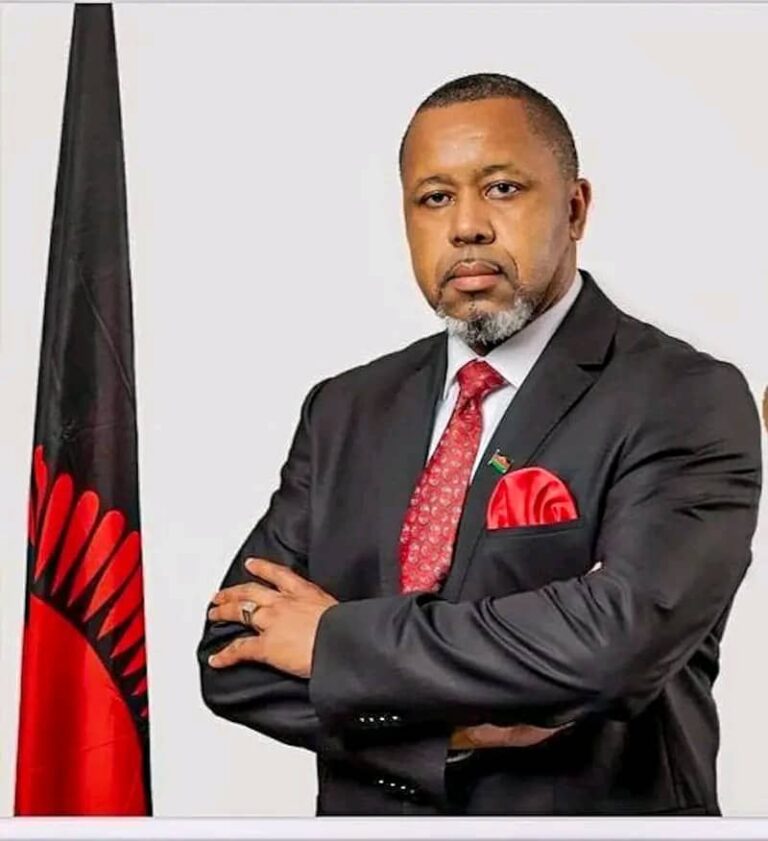
Chilima
Sibande claims that this tactic is central to the Opposition’s strategy for the 2025 elections. If they can sustain public suspicion that the Malawi Congress Party (MCP) was involved in Chilima’s death, they can use it as a powerful weapon against President Chakwera during the campaign. However, with Chakwera now moving forward with the inquiry, the Opposition’s primary narrative is at risk of being dismantled.
Further complicating matters for the Opposition, the inquiry is set to conclude by November 30, 2024. Sibande predicts that the release of the report will trigger intense debate in early December but that public interest will fade as the festive season approaches. By the time the 2025 campaign period officially begins, the Chikangawa plane crash will no longer be a central issue, leaving the Opposition without the ammunition they had counted on.
In Sibande’s view, this is a masterstroke by President Chakwera. By addressing the crash inquiry early and efficiently, the MCP has effectively “denuclearized” the Opposition’s primary campaign strategy. As a result, the Opposition may find itself scrambling for a new narrative as the election approaches.
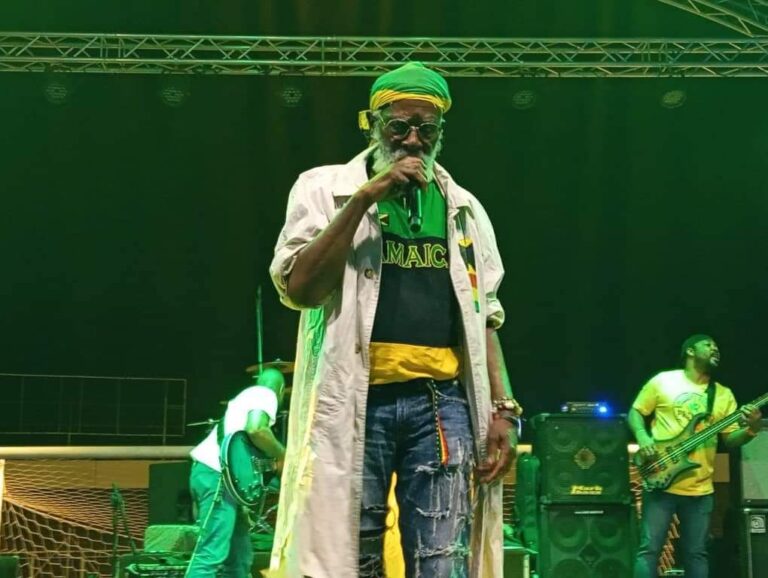
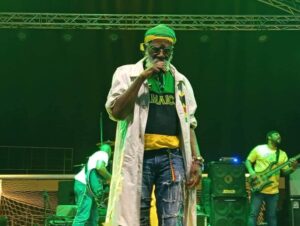
On Saturday night, 26 October 2024, a large crowd left disappointed at Civo Stadium in Lilongwe after renowned Jamaican reggae artist Burning Spear did not perform two of his much-anticipated songs, Identity and Not Stupid. The latter is a powerful song that criticizes oppressive leadership, dishonesty, and the mistreatment of people by those in power.
Not Stupid is known for its hard-hitting message that challenges leaders to fulfill their promises, particularly by making life better and lowering the cost of living. The lyrics include a memorable line: “They told us things will be better” and “They told us things will be cheaper,” reminding leaders to uphold their commitments to economic improvement.
Burning Spear at Civo stadium
Spear initially left the stage after a set, but when the audience demanded Identity and Not Stupid, he returned. However, he did not perform the two requested tracks, leaving many fans upset as they had been eagerly waiting for these iconic songs.
The show, despite its high expectations, ended on a note of frustration for many attendees.