Saturday, December 13, 2025
No menu items!
spot_img
Home Blog Page 839

The role of Judicial corruption in fueling civil unrest in Malawi

By Twink Jones Gadama

Introduction

Malawi, a nation known for its rich cultural heritage and resilient people, has faced significant challenges in its quest for democracy and good governance.

Among these challenges, the judiciary’s integrity has come under scrutiny, particularly regarding allegations of corruption and bribery.

The Malawi Congress Party (MCP), the ruling party, has been accused of exerting undue influence over the judiciary, leading to a crisis of confidence in the legal system.

This essay explores how judicial corruption, fueled by political interference, can exacerbate civil unrest and contribute to the potential for civil war in Malawi.

The Judicial System in Malawi

The judiciary is a cornerstone of any democratic society, tasked with upholding the rule of law, protecting citizens’ rights, and ensuring justice.

In Malawi, the judiciary is meant to be an independent body that operates free from political influence.

However, the reality is often starkly different.

Allegations of corruption and bribery have plagued the Malawian judiciary for years, undermining public trust and confidence in the legal system.

Judges are expected to be impartial arbiters of justice, but when they are perceived as being influenced by political parties, particularly the ruling MCP, their decisions can be seen as biased.

This perception can lead to a breakdown of the rule of law, as citizens may feel that justice is not being served.

When people believe that the judiciary is corrupt, they are more likely to resort to protests and civil disobedience, which can escalate into broader civil unrest.
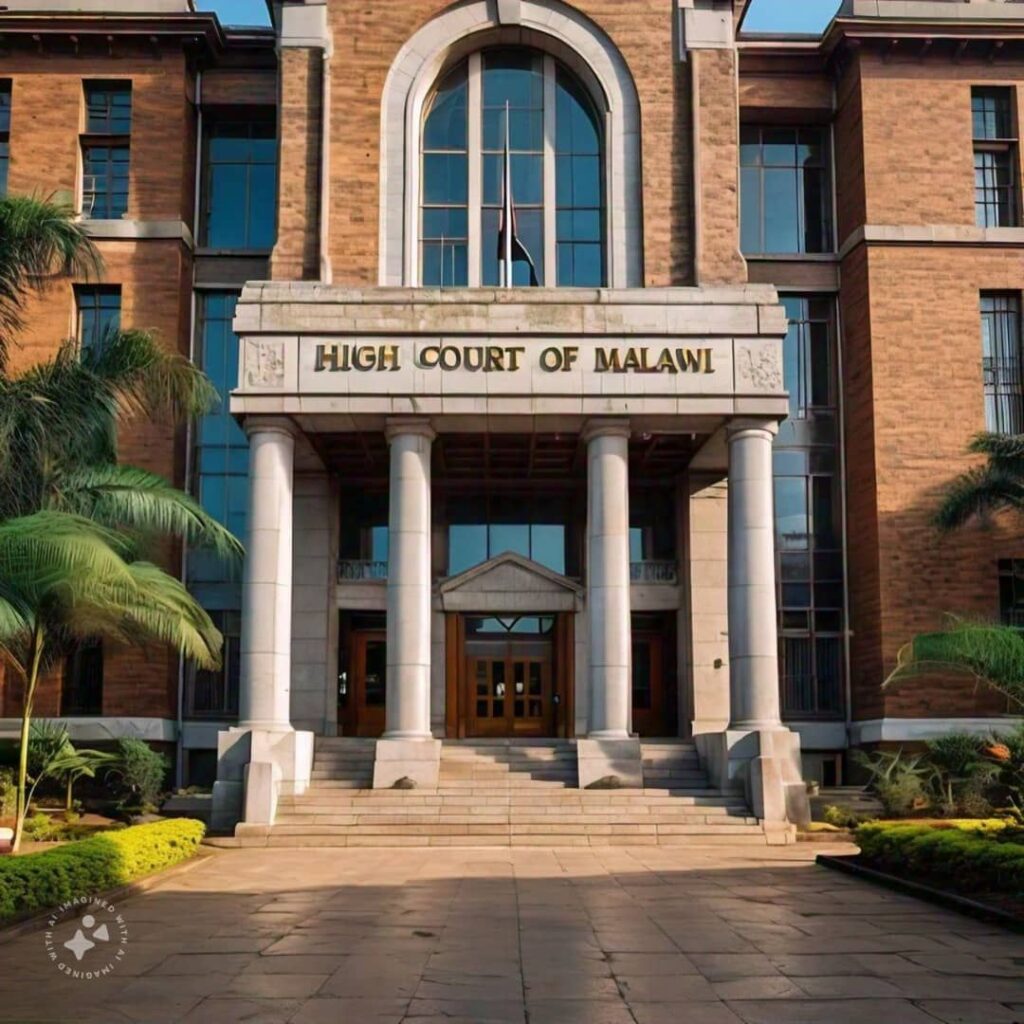


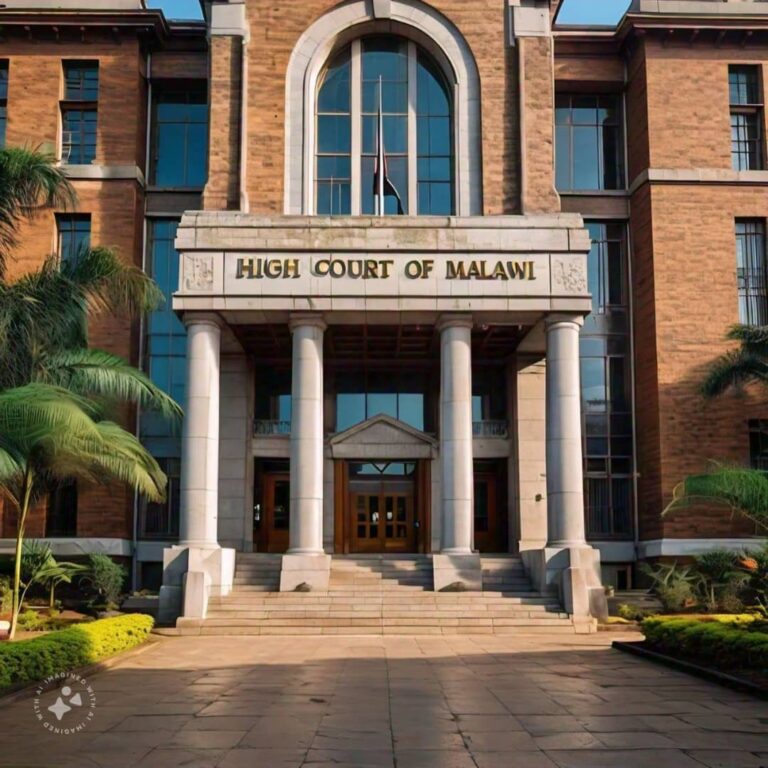
The Influence of the Malawi Congress Party

The Malawi Congress Party, which has a storied history in Malawian politics, has been accused of using its power to manipulate the judiciary for its own benefit.

Allegations of bribery and corruption have surfaced, suggesting that judges may be swayed by political pressure or financial incentives.

This influence can manifest in various ways, including favorable rulings for party members, the dismissal of cases against political allies, and the persecution of political opponents.

When the ruling party is perceived to have control over the judiciary, it creates a dangerous precedent.

Citizens may feel that their grievances will not be addressed fairly, leading to a sense of disenfranchisement.

This disenfranchisement can fuel civil unrest, as people take to the streets to demand justice and accountability.

The lack of faith in the judiciary can also lead to a culture of impunity, where those in power feel they can act without fear of legal repercussions.

The Cycle of Corruption and Unrest

The relationship between judicial corruption and civil unrest is cyclical.

As corruption within the judiciary becomes more entrenched, public trust erodes, leading to increased protests and civil disobedience.

These protests can be met with heavy-handed responses from the government, further escalating tensions.

In Malawi, this cycle has been evident in recent years, with widespread protests against perceived injustices and corruption.

For instance, the 2019 presidential elections in Malawi were marred by allegations of fraud and irregularities. But the court never found the then ruling party DPP guilty of rigging the votes.

The judiciary was called upon to adjudicate disputes arising from the elections, but many citizens were skeptical of its ability to deliver impartial justice.

When the Constitutional Court ruled in favor of the opposition, nullifying the election results, it was seen as a rare moment of judicial independence.

The ruling was questionable though.

However, the subsequent appeal by the ruling party raised concerns about the potential for political interference in the judicial process.

The ongoing struggle for judicial independence in Malawi highlights the fragility of the rule of law.

When citizens perceive that the judiciary is compromised, they may resort to extrajudicial means to seek justice, leading to a breakdown of social order.

This breakdown can manifest in protests, riots, and, in extreme cases, civil war.

The Impact on Society

The consequences of judicial corruption extend beyond the courtroom.

When citizens lose faith in the legal system, it can lead to a breakdown of social cohesion.

Trust in institutions is essential for a functioning democracy, and when that trust is eroded, it can create a fertile ground for conflict.

In Malawi, the impact of judicial corruption is felt across various sectors of society.

For example, businesses may be reluctant to invest in a country where the rule of law is uncertain.

This lack of investment can stifle economic growth and exacerbate poverty, leading to further discontent among the populace.

Additionally, marginalized groups may feel particularly vulnerable in a corrupt system, leading to increased tensions and potential violence.

Moreover, the media plays a crucial role in shaping public perception of the judiciary.

Investigative journalism can expose corruption and hold judges accountable, but when journalists face intimidation or censorship, the public may remain unaware of the extent of the problem.

This lack of transparency can perpetuate the cycle of corruption and unrest, as citizens are left in the dark about the true state of the judiciary.

The Path Forward

Addressing judicial corruption in Malawi requires a multifaceted approach.

First and foremost, there must be a commitment to judicial independence.

This can be achieved through reforms that insulate the judiciary from political influence, such as establishing independent oversight bodies and ensuring that judges are appointed based on merit rather than political affiliation.

Additionally, civil society organizations and the media must play an active role in advocating for judicial reform and holding judges accountable.

Public awareness campaigns can help educate citizens about their rights and the importance of an independent judiciary.

By empowering citizens to demand accountability, it is possible to create a culture of transparency and integrity within the legal system.

International support can also play a crucial role in promoting judicial reform in Malawi.

Donor countries and organizations can provide technical assistance and funding for initiatives aimed at strengthening the judiciary.

However, it is essential that this support is provided in a manner that respects Malawi’s sovereignty and prioritizes the needs and voices of the Malawian people.

Conclusion

Judicial corruption is a significant threat to democracy and social stability in Malawi.

The influence of the Malawi Congress Party over the judiciary has created a crisis of confidence that can fuel civil unrest and potentially lead to civil war.

To break this cycle, it is essential to prioritize judicial independence, promote transparency, and empower citizens to demand accountability.

Only through a concerted effort can Malawi hope to restore faith in its legal system and build a more just and equitable society. The path forward may be challenging, but the resilience of the Malawian people offers hope for a brighter future.

Malawi Consulate warns of demonstrations in Mozambique: Avoid travel Thursday and Friday

0

By Twink Jones Gadama

The Malawi Consulate in Tete, Mozambique, has issued a warning to all Malawian road users to steer clear of the Mozambique route on Thursday and Friday.

This caution comes amidst expected demonstrations in the former Portuguese colony, which may cause inconvenience to travelers.

Consul General Happy Jonathan Sakah revealed in an interview on Wednesday that his office received official communication regarding the impending lockdown and demonstrations. “There will be a lockdown, with demonstrations taking place over the next two days, starting from tomorrow up to Friday, and all schools will be closed,” Sakah stated.


In light of this, Sakah advised all transporters, including bus drivers, to exercise caution when using the Malawi-Mozambique route via Zimbabwe.

This precautionary measure aims to ensure the safety of travelers and prevent any potential disruptions.

Mozambique has experienced pockets of instability following the presidential elections held earlier this month.

As a result, Sakah appealed to Malawians residing in Mozambique to remain indoors for the next two days to avoid any inconvenience caused by the demonstrations.

The Malawi Consulate in Tete has been working to strengthen bilateral relations between Malawi and Mozambique.

Consul General Sakah has been instrumental in promoting trade, investment, and tourism between the two nations.

In recent months, the Consulate has facilitated several initiatives, including the promotion of Saint Andrews International High School’s academic services in Mozambique.

This effort aims to attract Mozambican students to pursue quality education in Malawi.

Additionally, the Consulate has collaborated with the Mozambique Confederation of Economic Associations (CTA) to organize business forums, fostering economic cooperation and partnerships between Malawian and Mozambican businesses.

In light of the demonstrations, the Malawi Consulate advises all travelers to avoid traveling to Mozambique via the Malawi-Mozambique route on Thursday and Friday,exercise caution when using alternative routes, stay informed about local developments and follow official guidance and remain indoors and avoid any areas of demonstration.

The Consulate will continue to monitor the situation and provide updates as necessary.

Travelers are encouraged to register with the Consulate to receive important safety and security updates.

By taking these precautions, travelers can minimize potential disruptions and ensure a safe journey.

Malawi Govt finds lasting solution on fuel shortage in Malawi

0

By Linda Kwanjana

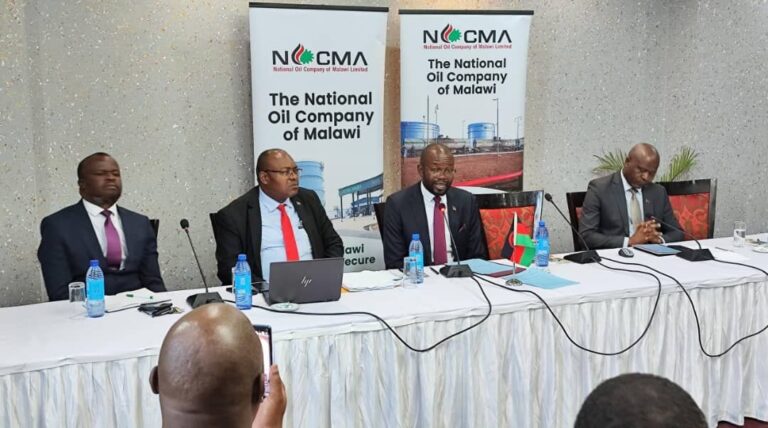
Malawi Government says has found a long term measure which is aimed at addressing pesistent fuel shortage the country has been experiencing since 10 years now.

Minister of Information and Digitalization,  Moses Kunkuyu said this during a media briefing held in Lilongwe.

Kunkuyu revealed that discussions are underway to obtain a $100 million facility from the Arab Bank for Economic Development in Africa.


He said this money will be enough to cover the costs each month.  Kunkuyu said shortage of forex has been main cause of fuel shortage in the country.

Kunkuyu, said Government recognized the difficulties and dissatisfaction that Malawians are experiencing due to the current fuel shortage.

He elaborated that fuel suppliers in Tanzania and Mozambique had suspended fuel loading for a period of 10 days due to unpaid invoices.

He indicated that a monthly sum of $51 million is necessary for fuel imports, yet the government has only managed to allocate $37 million.

He mentioned that $21.5 million has already been secured, which will enable the importation of 29.9 million litres of fuel.

Additionally, he emphasized the government’s dedication to ensuring that 20 percent of the fuel is transported via rail to improve logistics.

Jumah praises Kunkuyu as a master-minder of change in Malawi

0

By Vincent Gunde

President and Commander in Chief of Muvi wa Chilungamo Revolutionary Party (MRP) Bantu Saunders Jumah, has praised Minister of Information and Digitalization Moses Kunkuyu as a master-minder of change in Malawi.

Jumah said he expected Kunkuyu to bring transformation in the MCP led government of President Dr. Lazarus Chakwera saying it is sad that the MCP is being hated because it has lost direction with its campaign promises not fulfilled.

He said the MCP commanded 1.7 million votes in the June, 2020 elections but today, the party cannot claim that these voters are still with them claiming that many people have lost hope with the party forgetting that the party came into power because of DPP arrogance.

Moses Kunkuyu

Speaking through a Revolutionary voice, Jumah has expressed fears that 1.7 million people that voted for the MCP into government in June, 2020 are the victims of lies making others think that DPP and Professor Arthur Peter Mutharika were the devils better off than the MCP and President Chakwera.

Jumah said the country’s economy has faced an earthquake under President Chakwera and is more similar to the war taking place in Gaza between Israel and militants, democracy under siege, people dying of eating wild roots, no forex beside the MCP government borrowing K12.5 trillion in just 4 years.

He said the national debt has risen from K3.16 trillion the MCP found in June, 2020 to K15.5 trillion claiming that every government is changed because people want transformation through reforms but unfortunately, President Chakwera has maintained what the DPP was doing in government.

The MRP President has assured Kunkuyu being a democrat himself that Malawi will never and ever go back to one-party state and dictatorship saying in 2020 every Malawian expected a blanket transformation and reforms in the country not knowing that Chakwera was cheating them.

He said the Malawi citizens are angry with President Chakwera for over-turning the hard-won democracy of 1994 to a one-party state and dictatorship assuring Kunkuyu and Chakwera that no single person, party or government will change Malawi back to one- party state and dictatorship.

Jumah has assured the MCP that even if they can manipulate figures with the NRB, Smartmatic firm for already a broken system to rig the 2025 elections, this will not work claiming that even the Chewas in the central region of Malawi are feeling the pain more than those in other regions of Malawi.

“President Chakwera has abandoned all the friends and colleagues who supported him to perform his doctrine in government for a one-party state and autocracy,” said Jumah.

He has finally pleaded with 21 registered political parties in Malawi to love and be patriotic the country first their interest second for a democratic government in Malawi to be of the people, for the people and by the people.

Nkhoma Synod of CCAP to provide food relief to over 1,700 families in Salima

0


By Burnett Munthali

The Nkhoma Synod of the CCAP has announced plans to provide food assistance to over 1,700 families in the area of Traditional Authority Salima in Salima District, in an effort to alleviate the hunger crisis facing the community.

Speaking on the initiative, the Synod’s General Secretary, Reverend Vasco Kachipapa, explained that the church saw it necessary not only to minister spiritually to the affected communities but also to offer practical support through food aid.

Reverend Vasco Kachipapa


“As a church, we felt it was wise to extend our hand by providing food assistance to these families alongside our spiritual work. The initiative will cost around MWK 869 million and will run from this month until March next year,” said Reverend Kachipapa.

He further added that the relief will include maize flour, beans, and cooking oil for the affected families, who have been struggling due to droughts and floods that have severely impacted crop yields in the district.

Traditional Authority Salima expressed deep gratitude to the Nkhoma Synod for the support, noting that many families in the area failed to harvest enough crops because of the droughts and floods.

“The assistance from the Synod is a blessing for my people, who are suffering due to poor harvests caused by the extreme weather conditions,” said Chief Salima.

The food relief initiative is expected to make a significant difference in the lives of many families in the district who are currently facing severe hunger.