
Saturday, April 4, 2026
No menu items!
spot_img
Home Blog Page 842

The Art and Science of Cyclone Naming: Understanding the Process and Its Implications

0

By Twink Jones Gadama

Cyclones, also known as hurricanes or typhoons depending on their location, are among the most powerful and destructive natural phenomena on Earth. Their ability to wreak havoc on communities, economies, and ecosystems makes them a subject of intense study and preparation. One aspect of cyclones that often piques public interest is their naming conventions. The names assigned to these storms serve not only a practical purpose but also carry cultural significance and reflect the evolving nature of meteorological practices. This article delves into the intricacies of cyclone naming, exploring its historical context, the criteria used, and the implications of these names on public perception and safety.

Historically, the naming of cyclones can be traced back to the early 20th century. Before formal naming conventions were established, storms were often referred to by the year and the order in which they occurred, such as “the 1933 hurricane.” However, this method proved to be cumbersome and confusing, particularly when multiple storms occurred simultaneously. In the 1950s, the United States began using a system of names for tropical storms, which was later adopted by other countries and organizations. The World Meteorological Organization (WMO) now oversees the naming process, ensuring a standardized approach across different regions.

The current naming system involves predetermined lists of names that are rotated every six years. Each list contains a mix of male and female names, reflecting a commitment to gender equality in meteorological practices. For instance, the Atlantic hurricane season utilizes six lists of names, with each list containing 21 names. The letters Q, U, X, Y, and Z are typically omitted due to the scarcity of names starting with those letters. When a storm is particularly deadly or costly, its name is retired from the list to avoid confusion and sensitivity in future seasons. This practice underscores the serious implications of cyclone naming, as certain names can evoke memories of devastation and loss.
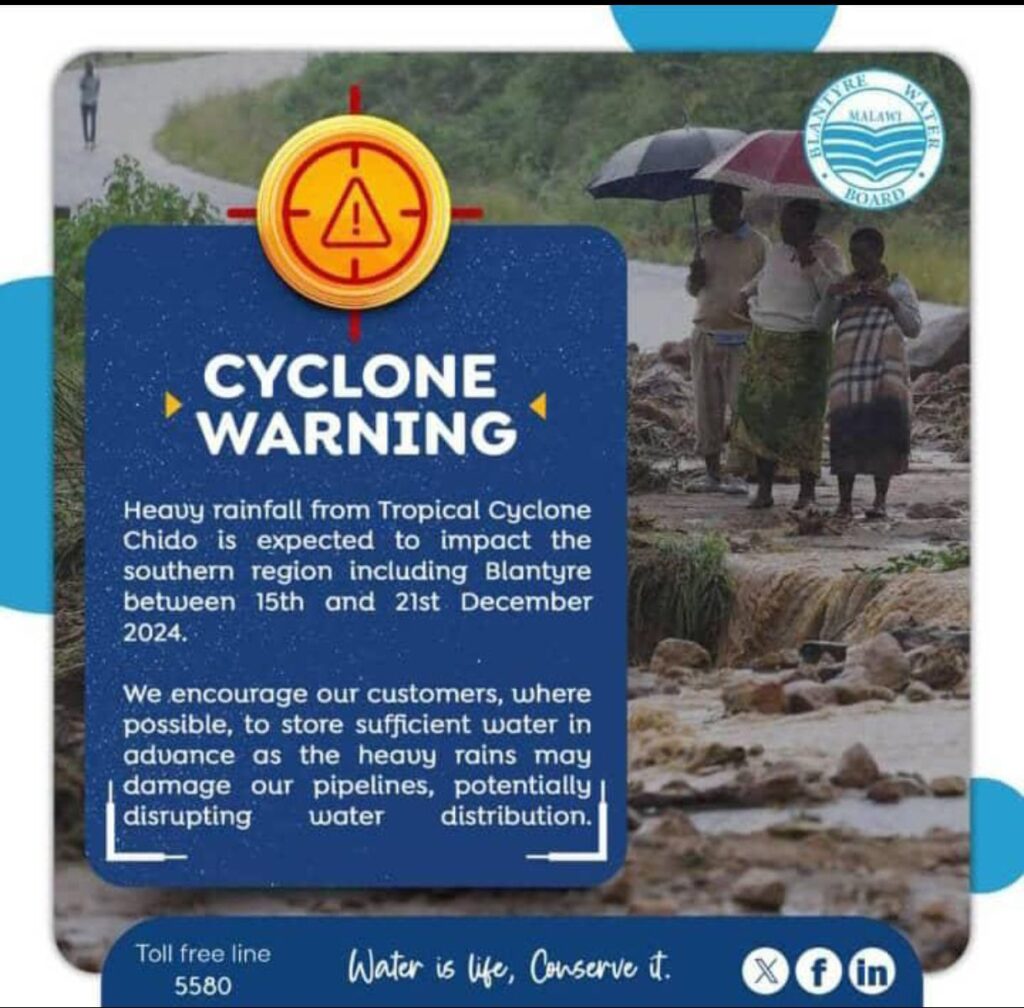
The naming of cyclones is not merely a bureaucratic exercise; it has significant implications for public awareness and safety. A well-chosen name can enhance communication and understanding among the public, media, and emergency services. For example, names that are easy to pronounce and remember can facilitate quicker dissemination of information, which is crucial during a storm’s approach. In contrast, complex or unfamiliar names may hinder effective communication, potentially putting lives at risk. This is particularly important in regions where communities may not have access to advanced warning systems or where literacy rates are low.

Cultural considerations also play a vital role in the naming of cyclones. Different regions have unique naming conventions that reflect local languages, traditions, and values. For instance, in the Indian Ocean, cyclones are named based on suggestions from member countries of the regional meteorological organization. This practice not only fosters a sense of ownership among nations but also ensures that the names resonate with local populations. Cyclone Chido, for example, may have been named based on a cultural or linguistic significance in the region it affected, highlighting the importance of local context in the naming process.

The phenomenon of El Niño, while not a cyclone itself, is often associated with changes in weather patterns that can lead to increased cyclone activity. The naming of cyclones in relation to El Niño events reflects the interconnectedness of meteorological phenomena. Cyclones that develop during an El Niño year may be more intense or frequent, prompting meteorologists to pay close attention to these storms. The use of names like Cyclone Elnino serves to remind the public of the broader climatic context in which these storms occur, emphasizing the need for preparedness and awareness.

In recent years, the impact of climate change on cyclone patterns has become a pressing concern. As global temperatures rise, the intensity and frequency of cyclones are expected to increase, leading to more severe weather events. This shift raises questions about the adequacy of current naming conventions and whether they can effectively convey the urgency of the situation. As storms become more unpredictable and dangerous, the need for clear and impactful names becomes even more critical. The challenge lies in balancing the traditional aspects of naming with the need for a more proactive approach to climate-related disasters.

Moreover, the psychological impact of cyclone names cannot be overlooked. Names can evoke emotions and memories, influencing how individuals perceive and respond to storms. For instance, a name associated with a particularly devastating storm may instill fear and anxiety, while a less memorable name might lead to complacency. This psychological dimension underscores the importance of careful consideration in the naming process, as it can shape public behavior and preparedness.

In conclusion, the naming of cyclones is a multifaceted process that intertwines historical practices, cultural significance, and practical considerations. As we continue to grapple with the realities of climate change and its impact on weather patterns, the importance of effective cyclone naming will only grow. Names serve as more than mere labels; they are vital tools for communication, awareness, and preparedness. As we move forward, it is essential to recognize the power of names and their role in shaping our understanding of these formidable natural events. The art and science of cyclone naming will continue to evolve, reflecting the changing landscape of meteorology and the communities affected by these storms.

Sendera Sisters to launch Album “Abetcha Lawyer”

0


By Twink Jones Gadama

In a move that’s sending shockwaves throughout Malawi’s political music scene, the Democratic Progressive Party’s (DPP) Sendera Sisters are set to launch their highly anticipated album, “Abetcha Lawyer,” on December 29 at COMESA Hall in Blantyre.

This electrifying event promises to be a milestone in Malawi’s music history, with senior DPP party officials and music enthusiasts alike descending upon the venue to witness the unveiling of the Sisters’ latest masterpiece.

The Sendera Sisters have been making waves in Malawi’s music scene with their unique blend of political songwriting and captivating melodies. Their music has resonated deeply with the Malawian people, shaking the foundations of the ruling Malawi Congress Party (MCP) government.

As one MCP official, who is also a senior government minister speaking on condition of strict anonymity, candidly admitted, “We try in our MCP party but we can’t match DPP Sendera Sisters. They are blessed”. Another MCP member of Parliament echoed this sentiment, calling them the “Queens of political music” and acknowledging that their music has been a thorn in the MCP’s side.

The album’s title track, “Abetcha Lawyer,” is expected to be a crowd-pleaser, with insiders hinting at its potential to further disturb the MCP government.

But it’s not the only song that’s causing a stir. “Tikuwasaka,” another piece on the album, has already disturbed the ruling party, leaving them scrambling to respond.

Despite the MCP’s attempts to weaken them, the Sendera Sisters have continued to compose and perform, their message resonating deeply with the Malawian people.

As one MCP MP confessed, “We managed to grab their vocalist of a Bingu Sendera thinking that we will weaken them, but to no avail. And nothing is happening in our women despite having taken their leader”.

The launch of “Abetcha Lawyer” promises to be a spectacular event, with fans and supporters eagerly anticipating the Sisters’ performance. Will the album’s provocative lyrics and catchy melodies shake the foundations of the MCP government even further? Only time will tell, but one thing is certain – the Sendera Sisters are about to take Malawi’s music scene by storm.

The Sendera Sisters’ rise to fame has been nothing short of meteoric.

Their unique blend of political songwriting and captivating melodies has resonated deeply with the Malawian people.

As Burnett Munthali notes, “The Sendera Sisters, known for their influential role in Malawi’s music scene, are leveraging their popularity to contribute to the party’s campaign strategy”.

The release of “Abetcha Lawyer” underscores the growing intersection of culture and politics in Malawi, where music is increasingly used as a tool for political mobilization.

The DPP’s choice to enlist the Sendera Sisters for this purpose reflects a broader trend of incorporating cultural elements into political campaigns to enhance outreach and resonate with a wider audience.

The Sendera Sisters’ album, “Abetcha Lawyer,” promises to be a game-changer, with its heart-soothing rhythms and provocative lyrics set to disturb the MCP government even further. The launch of the album is expected to be a spectacular event, with fans and supporters eagerly anticipating the Sisters’ performance.

As the countdown begins, excitement is building, and music enthusiasts are eagerly anticipating the opportunity to experience the Sendera Sisters’ unique sound live.

The Sendera Sisters are poised to make a lasting impact on Malawi’s music landscape.

Their music has already left an indelible mark on Malawi’s political landscape, and their upcoming album promises to be a milestone in Malawi’s music history.

National Identity Card Distribution Boosts Malawi’s National Identification System

0

By Twink Jones Gadama

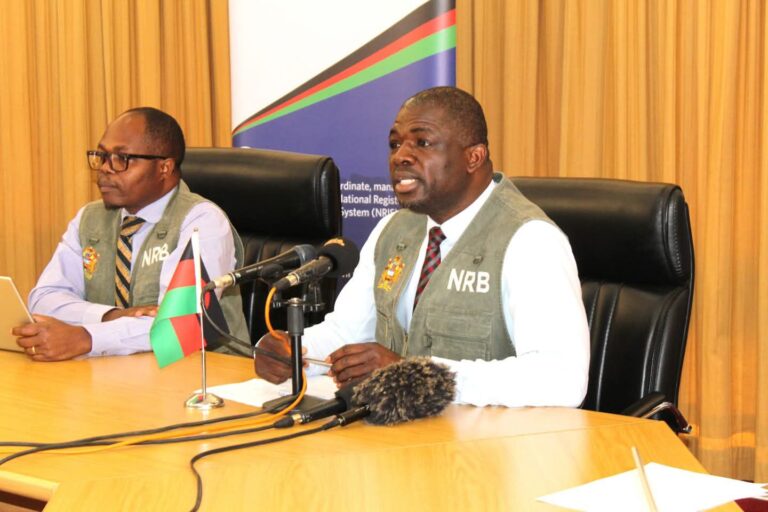
Malawi’s National Registration Bureau (NRB) has made a significant stride in strengthening the country’s National Identification System with the successful printing and distribution of 3 million National Identity Cards (National IDs) to eligible citizens. This milestone, achieved up to September 2024, underscores the NRB’s commitment to ensuring all citizens have access to this essential document.

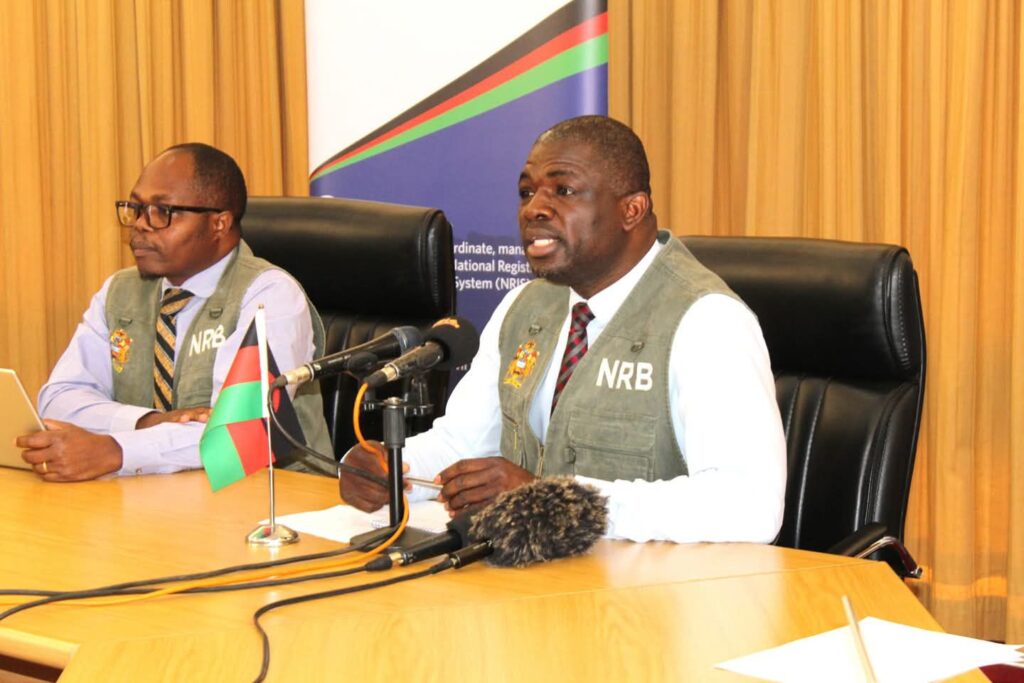
The NRB has assembled a dedicated team, led by the Chief Registration Officer and District Registration Officers (DROs), to oversee the scanning, recording, quality check, sorting, packing, and dispatching of National IDs at the NRB National ID card Sorting Centre in Kanengo.

NRB Boss Mphatso Sambo


This centre, located within the National Food Reserve Agency (NFRA) premises, has been a critical hub for National ID distribution logistics since June 2024.

The distribution process has been efficient and accurate, with National IDs dispatched to District Registration Offices in all district councils, and further distributed to local registration centers, ensuring timely delivery to citizens who need them.

To ensure transparency and accuracy, the NRB urges citizens to rely on official communications from the NRB and verify information from trusted sources.

This achievement represents a significant step forward in strengthening Malawi’s National Identification System, enhancing access to public services, supporting national development initiatives, and fostering a more inclusive and equitable society.

The NRB remains steadfast in its mission to serve all Malawians with integrity and efficiency, ensuring that every eligible citizen receives their National ID in a timely manner.

The National Registration Bureau’s efforts have been bolstered by the introduction of the National Registration and Identification System (NRIS), which aims to address problems associated with lack of universal and compulsory registration.

The NRIS involves the registration of births, adults, marriages, resident foreigners, and deaths, as well as image capturing, automated fingerprint identification, and a national database program.

The benefits of the National Registration and Identification System are multifaceted, including improved internal security, socio-economic planning, and access to essential services such as education and healthcare.

The system also enables government and stakeholders to effectively process emigration and immigration data, improving voters registration and identification processes.

The National Registration Bureau’s successful distribution of National Identity Cards marks a significant milestone in Malawi’s National Identification System.

As the country continues to implement the NRIS, citizens can expect improved access to public services, enhanced security, and a more inclusive society.

Plane Crash Report: Major Selemani’s testimony on weather-related flight decisions

0


By Burnett Munthali

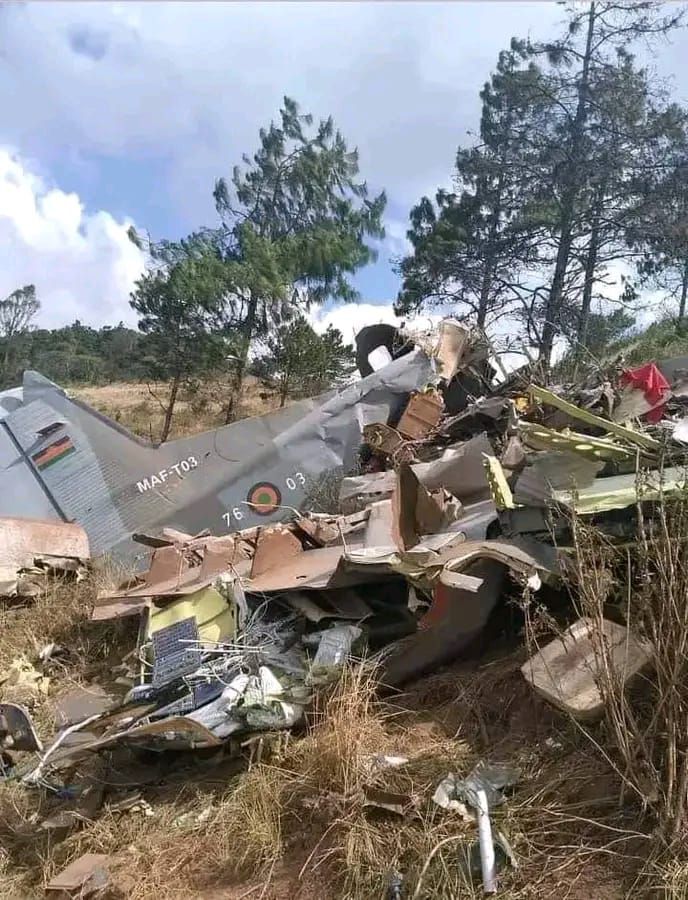
The recent Commission of Inquiry into the tragic Dornier plane crash, which claimed the lives of Vice President Dr. Saulos Chilima and eight others, has provided significant insights into the events surrounding the crash. A key piece of testimony comes from Major Selemani, who played a central role in the flight decisions leading up to the disaster. According to her testimony, the decision to take a direct route instead of the normal flight path was influenced by the challenging weather conditions the crew encountered earlier in the day.

In her statement to the Commission, Major Selemani explained that the decision to switch to a direct route was made after encountering severe weather conditions during an earlier flight from Mzuzu Airport to Kamuzu International Airport (KIA). This flight, which occurred earlier that day, took the aircraft along the usual flight path, known as W601, but faced unexpected weather disruptions.

According to Major Selemani, the crew experienced turbulence, poor visibility, and other challenging atmospheric conditions that made it difficult to continue on the planned route. She further clarified that the decision to opt for a direct route was meant to minimize the risk posed by these adverse weather conditions.


The testimony highlights the pivotal role that weather played in the flight decisions made that day. The weather conditions on the original flight path, W601, were deemed too dangerous for continued travel. Major Selemani noted that, based on the experience of the earlier flight, the crew decided that the direct route would offer better chances for a smoother journey, although it came with its own set of risks.

The decision to change the route reflects a common practice in aviation, where flight crews may alter their planned paths based on real-time assessments of weather conditions. However, as the Commission’s investigation has pointed out, this decision, while made with safety in mind, may have ultimately contributed to the tragic outcome.

This testimony is significant in the broader context of aviation safety. Weather conditions are a key factor in the operation of flights, and pilots and crew members are often required to make quick decisions when faced with severe conditions. The choice to divert from the normal route in this case was driven by the crew’s experience of the earlier flight, but it also underscores the importance of accurate weather forecasting, real-time data, and continuous monitoring during flights.

The crash, which occurred later that day, has sparked intense scrutiny into the weather-related decisions made by the flight crew. Although Major Selemani and the rest of the crew acted with the intention of ensuring the safety of the passengers, the outcome suggests that the weather conditions may have been too severe to safely continue the flight, even on the direct route.

The testimony of Major Selemani is one of many pieces of evidence that the Commission of Inquiry has collected to better understand the causes of the crash. By analyzing the weather conditions, flight data, and crew decisions, the Commission has been able to paint a clearer picture of the events leading up to the tragedy.

The inquiry is also examining the broader context of aviation practices, including how crews are trained to handle bad weather, the technology available for weather prediction, and the role of air traffic control in guiding flights through hazardous conditions. These insights will help shape future safety regulations to prevent similar incidents from occurring.

The testimony of Major Selemani serves as a reminder of the complexities involved in aviation decision-making. Flight crews are often faced with difficult choices that can have life-or-death consequences, and the pressure to make the right decision in a split second can be overwhelming. While weather may have influenced the decision to take a direct route, the tragic outcome of this flight calls attention to the need for improved systems, communication, and procedures in aviation.

As the Commission continues its investigation, the insights provided by Major Selemani’s testimony offer valuable lessons for the aviation industry. The role of weather in aviation safety cannot be overstated, and the tragic crash has prompted calls for enhanced protocols for managing adverse conditions. The hope is that, through careful examination of the events surrounding the crash, future aviation practices will be strengthened, ensuring safer journeys for all.

Conspiracy theorists silenced by commission of inquiry’s findings on plane crash

0


By Burnett Munthali

Dickson Kashoti writes that those who spread lies and fueled conspiracy theories surrounding the tragic plane crash that killed Vice President Dr. Saulos Chilima and eight others are now facing the consequences of their misinformation. With the release of the Commission of Inquiry’s report, which attributed the crash to bad weather, the baseless claims have been debunked, and those responsible for propagating them are now walking with their heads down in shame.

In the days following the devastating crash, numerous unfounded conspiracy theories emerged. Some individuals speculated that the crash was not due to weather conditions, but rather other factors such as sabotage, mechanical failure, or even political motives. These theories quickly spread across social media platforms, causing confusion and distress among the public.


Many of these conspiracy theorists seemed eager to exploit the tragedy for personal gain, sowing doubt and fear rather than allowing for a fair and unbiased investigation into the cause of the crash. However, their claims were always based on speculation and not on concrete evidence.

The Commission of Inquiry, led by Justice Jabbar Alide, meticulously examined the circumstances surrounding the crash. After analyzing flight data, witness testimonies, and other critical factors, the Commission concluded that adverse weather conditions were the primary cause of the accident. The investigation found that the plane encountered heavy turbulence, which contributed to the tragic outcome.

The Commission’s conclusion serves as a blow to those who sought to distract from the real causes of the crash with baseless allegations. The findings reaffirm the importance of relying on thorough investigations and credible evidence in understanding such tragedies.

Kashoti notes that those who chose to amplify lies and spread unfounded theories about the crash are now left embarrassed. Their misleading narratives have been exposed for what they were: a form of exploitation during a time of national mourning. The Commission’s findings have silenced their falsehoods and highlighted the importance of truth in the aftermath of such a devastating event.

As the nation continues to process the loss of Vice President Dr. Chilima and the other victims of the crash, the focus must now be on the truth. The findings of the Commission of Inquiry offer a clear explanation of the tragedy and provide a foundation for moving forward with the necessary steps to ensure such incidents are prevented in the future.

Kashoti calls for a collective effort to respect the findings of the Commission and to avoid further propagation of false narratives. It is time for the nation to heal, and that can only happen when truth and integrity are prioritized over sensationalism and deceit.