Saturday, April 4, 2026
No menu items!
spot_img
Home Blog Page 849

Investiture Ceremony Set to Empower Adventist Youth at Bethel Seventh-day Church in Blantyre

0


By Twink Jones Gadama

The Bethel Seventh-day Church in Blantyre’s Michiru zone is gearing up for a momentous occasion as it prepares to host the Adventist Youth Ministries (AYM) Investiture ceremony on Saturday, December 14.

The event, scheduled to commence at 8:00 a.m., promises to be an inspiring and empowering experience for the young people involved.

Pastor Chikumbi Phiri, Senior Youth Leader Anthony Ngwira, and Chiletso Chapata, another Senior Youth Leader, have been invited as guests of honor to share their wisdom and guidance with the youth.



The investiture ceremony is a significant milestone in the lives of the Adventist youth, marking their formal induction into leadership roles within the church.

Investiture, in the context of the Seventh-day Adventist (SDA) Church, refers to the ceremonial act of conferring authority, responsibility, and dignity upon an individual, typically a youth leader, to serve in a specific capacity.

This ritual is rooted in biblical principles, emphasizing the importance of leadership, accountability, and service to others.

In the SDA Church, investiture is a sacred rite that symbolizes the transfer of power and trust from one generation to the next.

It serves as a reminder that leadership is not about personal ambition, but about serving others and glorifying God.

Through investiture, the church affirms its commitment to developing young leaders who will carry on the legacy of faith and service.

The AYM Investiture ceremony at Bethel Seventh-day Church will provide a platform for the youth to receive guidance, encouragement, and empowerment.

Pastor Phiri, Ngwira, and Chapata will share their experiences, insights, and wisdom, helping the young leaders to navigate the challenges and opportunities of their roles.

The investiture ceremony will also serve as an opportunity for the church to recognize and celebrate the achievements of the Adventist youth.

It will be a moment of joy, reflection, and commitment, as the young leaders pledge to uphold the values and principles of the SDA Church.

As the world grapples with numerous challenges, the SDA Church recognizes the critical role that young people play in shaping the future.

Through the AYM Investiture ceremony, the church is investing in the next generation of leaders, equipping them with the skills, knowledge, and character necessary to make a positive impact in their communities.

The Bethel Seventh-day Church’s Michiru zone is eager to witness the impact of this investiture ceremony on the lives of the Adventist youth.

As the church community comes together to support and encourage these young leaders, they will be inspired by the promise of a brighter future, built on the foundation of faith, service, and leadership.

The AYM Investiture ceremony at Bethel Seventh-day Church in Blantyre’s Michiru zone is a significant event that will empower and inspire the Adventist youth.

As the church invests in the next generation of leaders, it reaffirms its commitment to developing young people who will carry on the legacy of faith and service.
President Chakwera returns from UAE, optimistic about Malawi’s future

0


By Burnett Munthali

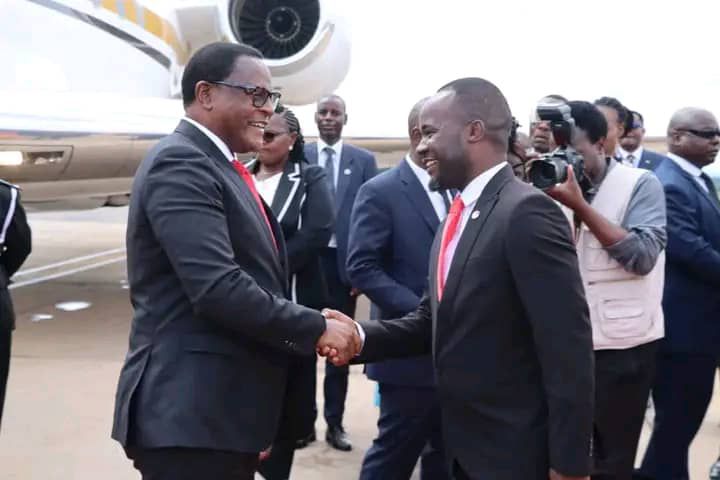
President Dr. Lazarus Chakwera has expressed optimism that the outcomes of his recent discussions with the United Arab Emirates (UAE) government will soon yield positive results for Malawi, particularly in areas of fuel supply stability and foreign investment.

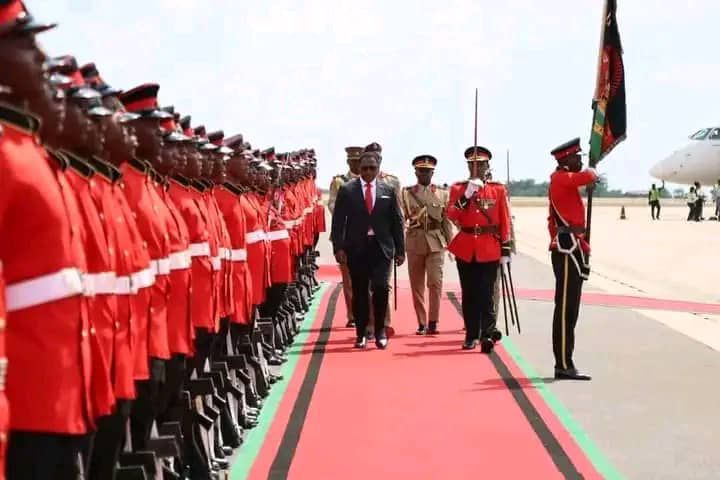
Dr. Chakwera arrived at Kamuzu International Airport in Lilongwe on Tuesday, where he was welcomed by the Deputy Secretary to the President, Janet Banda, along with several Cabinet Ministers and senior leaders from the Malawi Congress Party (MCP).

Chakwera being welcomed back home


The President had departed for the UAE on Thursday last week to engage in bilateral talks with UAE’s President, Mohammed bin Zayed Al Nahyan, on key issues affecting Malawi. Among the topics discussed were fuel supply, foreign investment, and infrastructure development—issues that have significant implications for Malawi’s economic growth and stability.

Speaking after his arrival, President Chakwera expressed confidence that the talks would lead to tangible benefits for the country. He specifically highlighted the UAE’s commitment to supporting Malawi in addressing its fuel supply challenges and exploring avenues for increased foreign investment, which could help boost the country’s infrastructure and economic development.

“These discussions were productive, and I am confident that Malawi will soon begin to see the positive outcomes of this engagement,” Chakwera said. “We are particularly hopeful about the stability in fuel supply and the opportunities for foreign investment in infrastructure development that have been opened by this visit.”

Chakwera’s trip to the UAE underscores his administration’s efforts to build stronger international relationships and attract investment to Malawi, which remains a key priority for his government. The bilateral discussions are expected to play a crucial role in enhancing Malawi’s economic resilience and addressing the various challenges it faces in sectors like energy, transport, and infrastructure.

The President’s visit is also seen as part of a broader strategy to strengthen Malawi’s ties with the Gulf states, positioning the country for greater economic cooperation and support.

As the country looks to the future, the hope is that these international engagements will bring lasting benefits, creating more opportunities for Malawians and contributing to the nation’s long-term growth and development.

Vice President Michael Usi emphasizes collaboration between human rights organizations and government

0


By Burnett Munthali

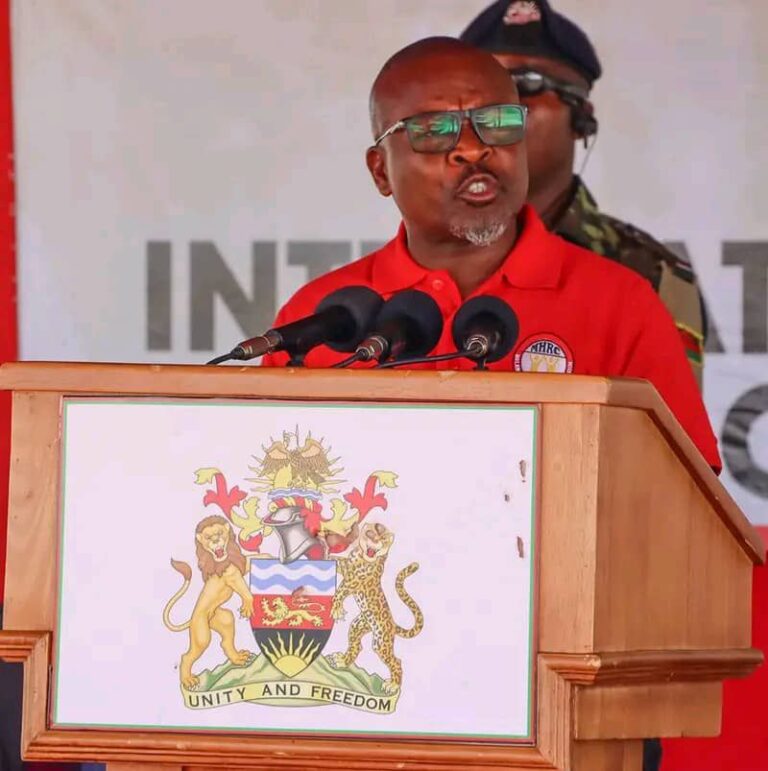
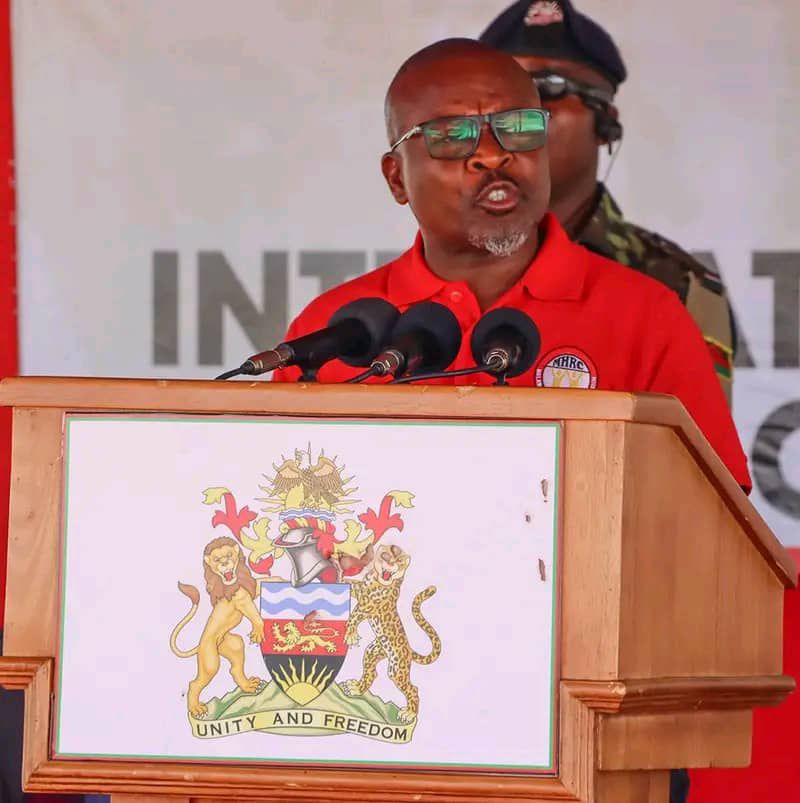
Malawi’s Vice President, Dr. Michael Usi, has underscored the importance of fostering strong collaboration between human rights organizations and the government in promoting and protecting human rights across the country.

Speaking during a recent event, Dr. Usi emphasized that human rights advocacy requires a united effort from all stakeholders to ensure that the rights of all Malawians are upheld and safeguarded.

“The protection and promotion of human rights are not the responsibility of one entity alone. It demands a harmonious relationship between human rights organizations and the government to create an environment where every Malawian feels valued and protected,” said Dr. Usi.

Usi


The Vice President called on both parties to work towards strengthening their partnerships by fostering mutual trust, transparency, and open dialogue. He acknowledged the critical role human rights organizations play in holding the government accountable and advancing democracy but stressed that cooperation rather than conflict yields better outcomes.

“Criticism is necessary, but it should be constructive. Together, we can address challenges and build a nation where justice, equality, and dignity are the pillars of governance,” he added.

Dr. Usi reaffirmed the government’s commitment to human rights, noting that protecting the rights of citizens is a cornerstone of Malawi’s democracy. He also encouraged human rights organizations to engage the government proactively in addressing issues such as access to justice, freedom of expression, and socioeconomic rights.

The Vice President’s call for collaboration aligns with Malawi’s broader vision of achieving sustainable development and social justice. By working together, human rights defenders and the government can tackle systemic challenges and create a fair and inclusive society for all Malawians.

The message comes at a time when the country faces growing calls for accountability, transparency, and the protection of freedoms, highlighting the need for joint efforts in building a rights-respecting Malawi.

President Lazarus Chakwera departs Abu Dhabi after key bilateral talks with UAE President Mohamed Bin Zayed

0


By Burnett Munthali

President Dr. Lazarus Chakwera and First Lady Madam Monica Chakwera have concluded their official visit to Abu Dhabi, United Arab Emirates (UAE), where they engaged in crucial bilateral discussions with the UAE President, Mohamed Bin Zayed Al Nahyan. The talks, which centered on finding sustainable solutions to the ongoing fuel shortage in Malawi, were seen as a significant step in strengthening the bilateral ties between the two nations.

A key focus of the discussions was addressing the energy crisis in Malawi, which has been impacting the country’s economy and daily life. The President’s diplomatic efforts are aligned with the nation’s long-term goals, as part of Malawi’s broader development agenda for 2063, which aims to bolster infrastructure development, enhance agricultural productivity, and increase trade connectivity.

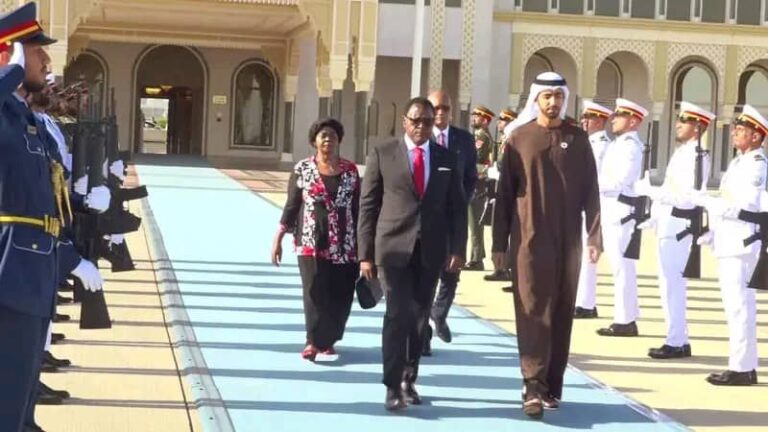
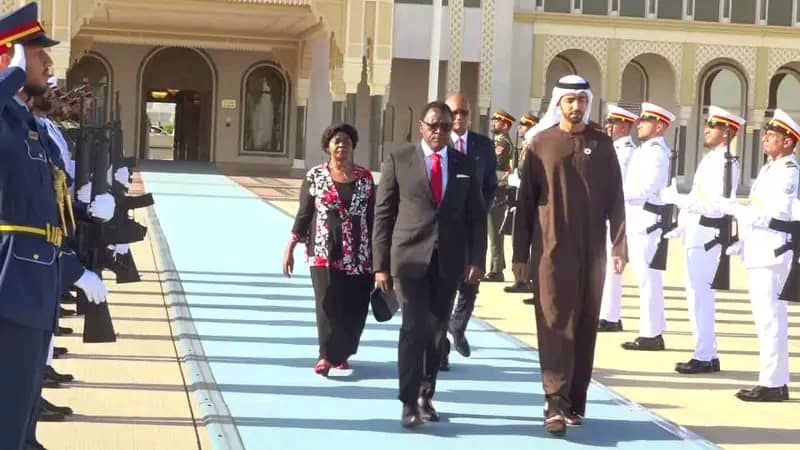
Chakwera leaving UAE


Younos Abdul Karim, the Ambassador for Kuwait and Gulf countries (excluding Qatar), underscored the importance of these talks, highlighting that they resonate directly with Malawi’s 2063 agenda. The Ambassador emphasized the UAE’s support in Malawi’s efforts to address key challenges in energy, infrastructure, and economic growth.

Following the successful conclusion of the discussions, President Chakwera and First Lady Monica departed from the Al Bateen Executive International Airport, marking the end of their fruitful engagement in the UAE. According to the Ministry of Foreign Affairs, Dr. Chakwera is scheduled to arrive at Kamuzu International Airport in Lilongwe at approximately 1 o’clock this afternoon, where he will continue to focus on the implementation of the solutions discussed during his visit.

The visit to the UAE marks a significant diplomatic milestone in Malawi’s quest to secure international partnerships aimed at resolving pressing domestic issues and achieving sustainable development.

Bon Kalindo challenges Malawi’s leadership and Police over alleged fake news and unprofessionalism

0


By Burnett Munthali

An audio released on Tuesday, December 10, 2024, by prominent activist Bon Kalindo, also known as the DC, has gone viral on social media, stirring up significant attention across Malawi. In the audio, Kalindo passionately speaks out against the current state of affairs in Malawi, accusing the country’s leadership, particularly the Malawi Police Service (MPS), of spreading false information and engaging in unprofessional conduct. His message, which has resonated deeply with many citizens, carries serious implications for the country’s governance and the rule of law.

Kalindo begins by addressing the lack of regular audio updates from his side, explaining that he only produces audios when he believes the content is vital for the public. He emphasizes that his activism is not driven by money but by the desire to expose the truth to Malawians, no matter how uncomfortable it may be for those in power. According to Kalindo, in a democratic society, there should be no fear of speaking out, even if it means facing repercussions such as surveillance or arrest. His boldness is evident as he declares, “If the leadership is tired of leading the nation in the right direction, the best thing to do is to resign.”

Bon Kalindo


One of the major points of contention in Kalindo’s message is the alleged false report released by the Inspector General of the Malawi Police Service regarding an arrest of suspects who were supposedly armed and disrupted a peaceful demonstration. Kalindo vehemently denies the claims, challenging the Inspector General to provide concrete proof, such as the names and photographs of the suspects. He insists that the police are merely fabricating stories to deceive the public and the international community, asserting that no such arrests have been made.

Kalindo’s challenge to the Inspector General is clear and direct: “If you think I am lying, come and arrest me.” He accuses the police of trying to appease the international community and local NGOs, who have been condemning the MPS for failing to address political violence. Kalindo claims that the police’s portrayal of arrests is merely an attempt to appear as though they are taking action, when in reality, nothing has been done.

The activist also raises serious concerns about the involvement of some police officers in the violence that has marred peaceful demonstrations. He names several individuals, including some traffic police officers and a police commissioner from Area City, accusing them of being hired to incite violence and undermine the legitimacy of peaceful protests. Kalindo has warned the leadership of the Malawi Police Service and the Malawi Defence Force to be cautious, as he believes their actions will soon have serious consequences.

In a further bold move, Kalindo demands that the names of the arrested suspects be made public within 48 hours, including their photographs, to prove that the MPS is truly upholding the law. He warns that if the police fail to provide this information, the public will be made aware of the MPS’s failure to protect citizens and uphold the constitution.

Kalindo’s criticism extends beyond the police to include the country’s electoral process. He takes aim at the Malawi Electoral Commission (MEC) and its recent voter registration exercise, calling it the “most fake registration exercise” in the country’s history. He accuses the police officers assigned to registration centers of being involved in corruption, citing a specific instance in Machinga where police officers were allegedly instructed to pay bribes to perform their duties. Kalindo has praised civil society leaders like Sylvester Namiwa, who have called for transparency and accountability from the police.

Kalindo also condemns the current government’s handling of issues such as the Admarc employees’ pay dispute, the erratic distribution of fertilizers, and the treatment of citizens by local authorities. He likens the current situation to “slavery” within Malawi, where the poor and vulnerable are exploited by those in power. He highlights the unjust treatment of workers and citizens, including an incident in Mulanje where a man was allegedly arrested without evidence and denied bail.

Throughout the audio, Kalindo’s message is clear: Malawians are no longer willing to accept lies and manipulation from their leaders. He warns that the time for fooling the public is over, and those in power must be held accountable for their actions.

The audio, which has captured the attention of many, is likely to spark further debate about the state of governance and law enforcement in Malawi. Kalindo’s calls for transparency, accountability, and justice have echoed across social media, as many citizens rally behind his message of truth and reform. As the nation watches closely, the next few days will likely determine whether the Malawi Police Service and other government institutions will respond to these allegations or continue to ignore the growing public outcry for change.