
Monday, April 6, 2026
No menu items!
spot_img
Home Blog Page 873

Dr. Paul Chibingu returns to the DPP after stint with UTM

0

By Burnett Munthali

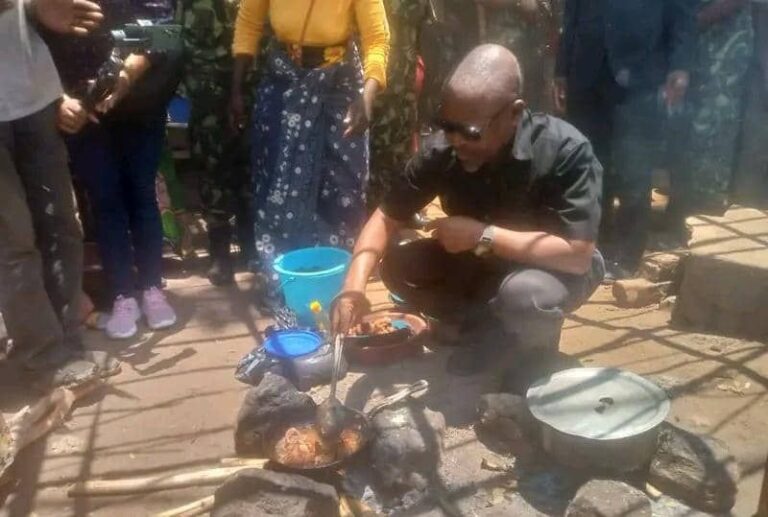
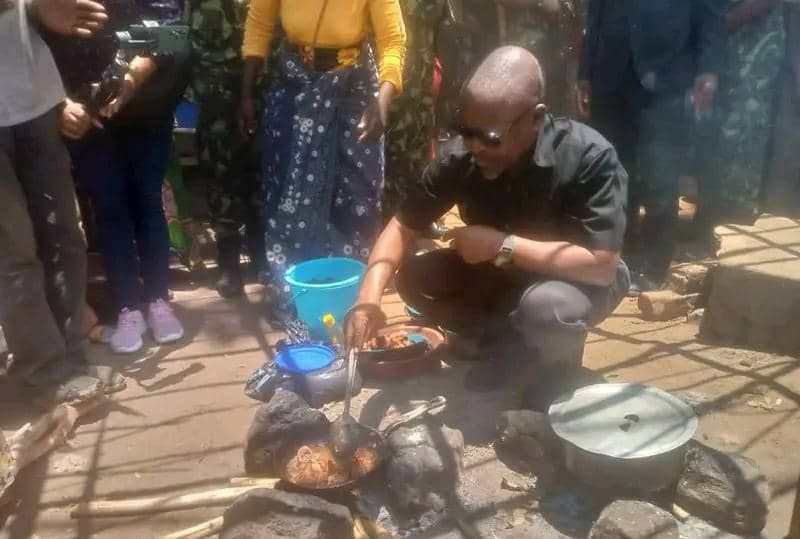
In a surprising political twist, Dr. Paul Chibingu, the former senior member of the UTM Party and one-time Member of Parliament for Mwanza West, has rejoined the Democratic Progressive Party (DPP). Dr. Chibingu was officially welcomed back to the party today in a grand ceremony held at Thambani in Mwanza District.

Dr. Chibingu’s return marks a significant shift in the political landscape of Mwanza and highlights the ongoing power dynamics between Malawi’s leading political parties. Once a loyal member of the DPP, Chibingu left the party to join UTM, a move that was seen as a response to the growing frustrations within the DPP ranks during the party’s transition to the opposition after the 2020 elections.
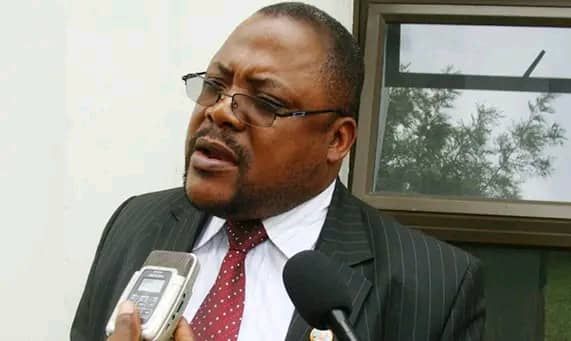
Chibingu


Speaking at the event, DPP officials praised Dr. Chibingu for his decision to return, describing it as a step toward unity and strength within the party. “Today marks a new chapter, not just for Mwanza West but for the entire DPP family. Dr. Chibingu is a seasoned leader whose expertise and experience will greatly contribute to the party’s vision of rebuilding Malawi,” said a senior DPP member who attended the ceremony.

Dr. Chibingu also addressed the crowd, expressing his gratitude for the warm reception. “I have come back to the party of my roots, the party that resonates with my vision for Mwanza West and Malawi as a whole. My decision is driven by the need to work with a team that prioritizes development and the well-being of our people,” he said.

The event at Thambani was characterized by jubilation, with party supporters from across Mwanza District converging at the venue to celebrate the return of their former representative. Traditional leaders, religious figures, and local party officials were also in attendance, further emphasizing the importance of the occasion.

Dr. Chibingu’s return is likely to bolster the DPP’s political influence in Mwanza West ahead of the 2025 elections. As the political arena heats up, his comeback could sway support back to the DPP in a region where UTM has previously made inroads.

As political parties gear up for the next general elections, Dr. Chibingu’s re-entry into the DPP signals the fluidity of alliances and the strategic realignments that continue to shape Malawi’s political future. For the people of Mwanza West, today’s events may be a turning point in their constituency’s representation and development priorities.

This development adds yet another layer to Malawi’s vibrant and competitive political landscape. Only time will tell what Dr. Chibingu’s return to the DPP means for the region and the nation as a whole.
Kabambe pledges sacrifices for country’s development

0

By Chisomo Phiri

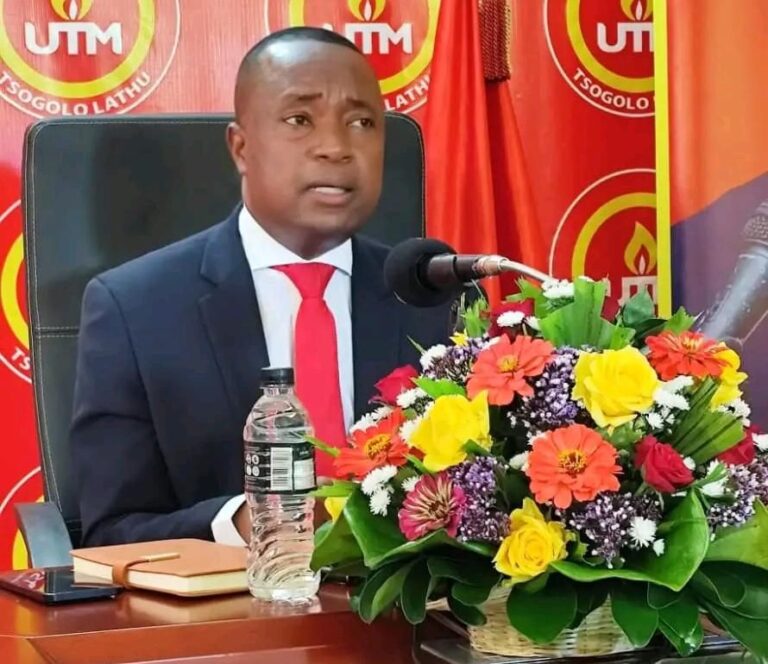
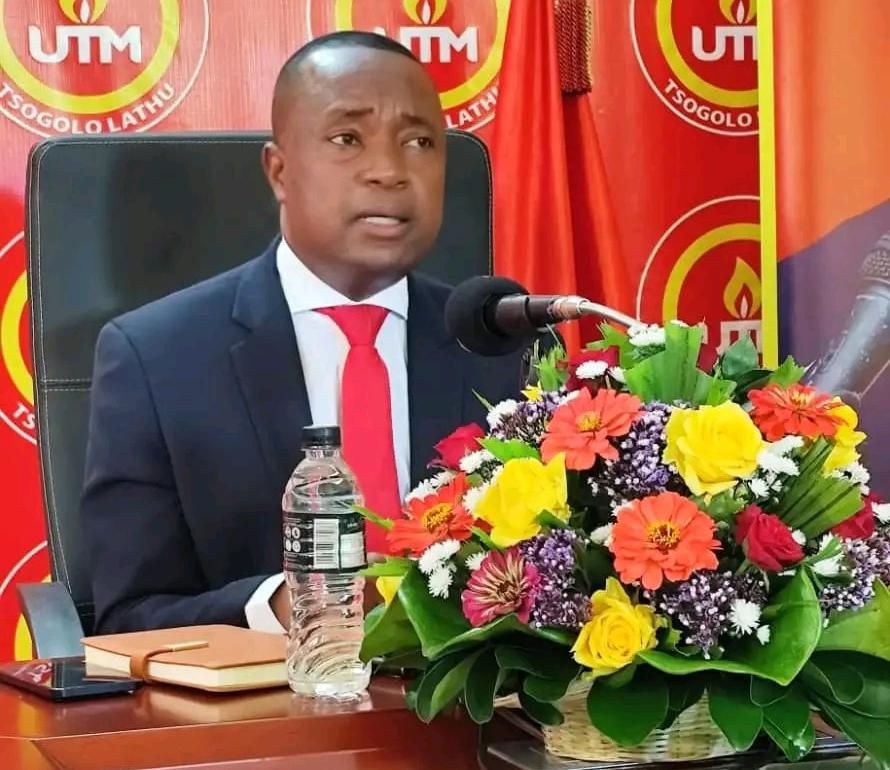
The newly elected United Transformation Movement (UTM)  president Dalitso Kabambe has pledged that if elected as President of this country, he and his administration will make personal sacrifices for the country’s development which include walking on foot and allocating K100 billion annually to each district.

Addressing the members of the media on Thursday in Lilongwe, Kabambe explained that Chief Executive Officers (CEOs) in districts and their teams will manage the funding to ensure that essential services like electricity and water are provided to all Malawians.

Kabambe


He also committed to allocating K500 billion annually to key sectors like mining, tourism, and manufacturing to drive development across the country.

Kabambe emphasized that on the first day of the UTM administration, they will reset fiscal and monetary policies and change the budget.

He said with his experience as a former Reserve Bank of Malawi(RBM) Governor, he can stabilize the economy and make informed decisions about resource allocation.

The new UTM president also talked about the current challenges facing Malawians.

He attributed them to poor economic policies by the current administration.

Kabambe said there is a need to fix country’s economic policies, hoping that the kwacha will stabilize, leading to an automatic reduction in goods prices.

According to him, President Lazarus Chakwera’s approach to moving from one country to another will not bring a solution to the current challenges.

Additionally, Kabambe urged Chakwera to fire the Minister of Finance, Simplex Chithyola Banda, and the RBM Governor, Wilson Banda.

Kabambe was elected the UTM President at the party’s elective convention held on November 17, 2024.

Vice President Michael Usi engages with Mulanje traders

0


By Burnett Munthali

Today, Malawi’s Vice President, Dr. Michael Usi, visited Mulanje District to interact with local traders and discuss their challenges.

Dr. Usi made a stop at Chonde Market, where he held discussions with market vendors and business owners to better understand the difficulties they face in their daily operations.

Speaking to the traders, the Vice President emphasized the government’s commitment to supporting small businesses, recognizing their critical role in driving the economy. He listened attentively as traders shared issues such as poor infrastructure, limited access to capital, and the rising cost of goods.

Usi


“This visit is about hearing your concerns and finding practical solutions to improve your businesses and livelihoods. We are here to serve you,” Dr. Usi told the traders.

The engagement is part of the Vice President’s broader effort to connect with grassroots communities and address challenges directly affecting them. Local authorities and representatives from the Ministry of Trade accompanied him during the visit.

Traders expressed gratitude for the Vice President’s presence, urging the government to prioritize improvements in market infrastructure, access to affordable loans, and better transport systems for their goods.

Dr. Usi pledged to relay their concerns to the relevant departments, emphasizing the need for collaborative efforts between government and the private sector to create a favorable environment for small businesses.

The visit underscores the administration’s focus on empowering local businesses as a cornerstone of economic growth and community development.

FAM ordered to pay Mwase K440 million

0

By Chisomo Phiri

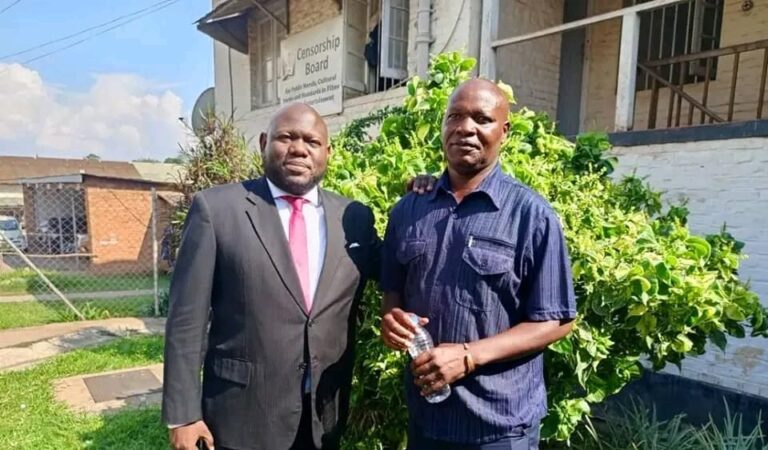
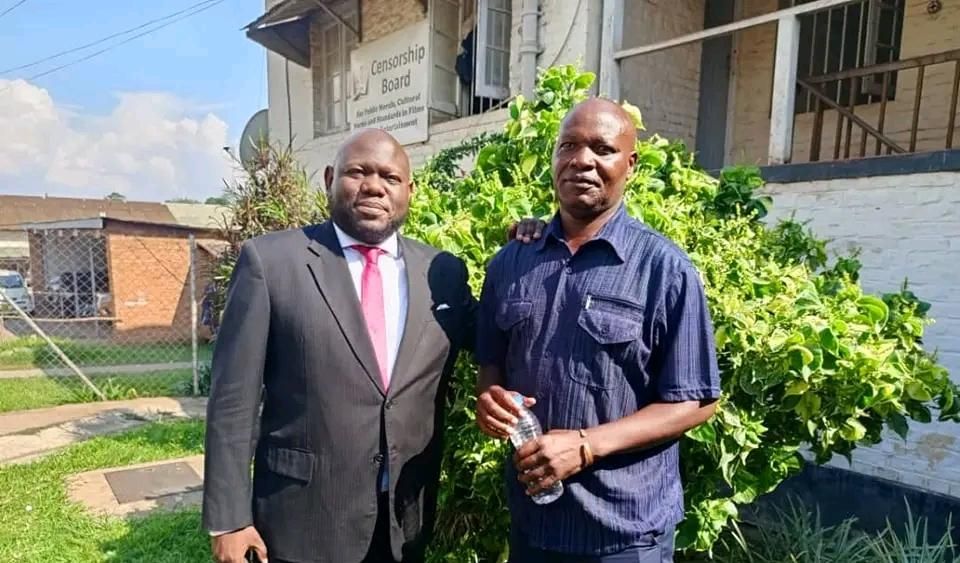
The Industrial Relations Court (IRC) in Blantyre on Thursday ruled in favor of former Flames coach Meck Mwase, ordering the Football Association of Malawi (FAM) to pay him K440 million in compensation for unlawful termination of contract, redeployment, and constructive dismissal.

In an interview with journalists, IRC Deputy Chairperson Edna Bodole, said the amount covers Mwase’s entire 36-month contract, which is on the same scale as his predecessors, Romanian Mario Marinica and Belgian Ronny Van Geneugden.

Mwase to be compesated

However, Bodole said court excluded motor vehicle allowance, insurance cover, annual gold card membership, and life insurance from the list of benefits for Mwase.

On his part, Mwase’s lawyer David Kanyenda expressed satisfaction with the outcome, stating that although the compensation is less than their expected total of K518 million, they are pleased with the result.

On the other hand, FAM’s lawyer Luciano Mickeus indicated that they will discuss whether to appeal the decision.

Mwase was hired as fulltime head coach for Flames in April 2019 on a one year contract before FAM offered him a two year deal in 2020 that should have elapsed in April 2023.

The case was brought before the courts in 2022 and was concluded within the same year pending judgement.

FAM fired Mwase with a year left on his contract in April 2022 at its executive committee meeting in Mangochi where they appointed Marinica, previously the technical director, as his replacement.

Later, Mwase was redeployed to coach Malawi under-23 national football team, but he turned down the offer, resorting to suing the local football governing body.

Earlier, Mwase guided the Flames to 2021 Africa Cup of Nations (AFCON) finals in Cameroon before being ‘demoted’ to an assistant coach as Marinica took charge of the team.

NGORA Drums Up Support for Localization

0

By Linda Kwanjana


Non-Governmental Organisation Regulatory Authority (NGORA) has hinted on the need for Non-Governmental Organisations in the country to take drastic measures in addressing resource drainage issues.

NGORA Chief Executive Officer (CEO) Edward Chileka Banda addressed Localisation workshop in Lilongwe and urged NGOs to empower local communities to implement projects on their own without draining local resources through monitoring and evaluation allowances.

Chileka Banda


Said Chileka, “It is sad to see NGO leaders travelling long distances, spending millions of donor money just to monitor development projects.”

Country Manager for Self Help – Africa (SHA) Kate Hartley Lous concurs with Chileka Banda stressed that the role of NGOs is specifically to empower the locals.

Said Kate, “Malawi continues suffering from climate shocks, Covid-19, Tropical Cyclone Freddy and extenal wars.”

Continued Kate, “During this healing time there is need for NGOs to join hands so that every realised resources benefits the locals. Localisation in this context is that local actors drive development agenda including designing their programs, feeding in and being active participants and active stakeholders in the development of Malawi. So if we look at Malawi, 2063, there is a big focus on self reliance, around local drive to achieve the development goals. So we’re talking about partnership, unlocking localization. That’s a partnership between communities, local actors, both national and international.”

The workshop held under the theme ” Upscaling Local-Led Solutions for Sustainable Humanitarian and Development Impact in Malawi” had pivotal agenda in the humanitarian and development sectors andemphasised the need of empowering both the local and national actors on community interventions.

Since the global adoption of the Localisation Agenda in 2016, UN and NGOs have been steadfast in implementing projects and programs through local and national partners.

This approach ensures that interventions are more contextually relevant, sustainable, and resilient.
In line with this commitment, Council for Non-Governmental organisations in partnership with INGOs, NGORA and other local and international NGOs in Malawi are championing the localisation drive.