
Monday, April 6, 2026
No menu items!
spot_img
Home Blog Page 898

The Role of Commissions of Inquiry: Balancing Evidence Gathering and Accountability

By Twink Jones Gadama

In democratic societies, the establishment of a commission of inquiry is often seen as a vital mechanism for addressing issues of public concern, investigating allegations of misconduct, and promoting transparency and accountability.

When a president institutes such a commission, it is typically tasked with examining specific issues, gathering evidence, and making recommendations based on its findings.

However, the effectiveness of a commission of inquiry largely depends on its approach to evidence gathering and the methods it employs to engage with the public and relevant stakeholders.


At the heart of a commission’s mandate is the need to uncover the truth.

This often involves investigating complex issues that may have significant political, social, or economic implications.

The commission must navigate a landscape fraught with potential biases, conflicting interests, and the challenge of ensuring that all voices are heard.

Therefore, the question arises: should a commission actively seek out individuals with evidence to testify, or should it adopt a more passive approach, inviting those with information to come forward voluntarily?

One of the primary responsibilities of a commission of inquiry is to establish a framework for evidence gathering that is both comprehensive and fair.

This involves not only identifying key individuals who may possess relevant information but also creating an environment where witnesses feel safe and encouraged to share their experiences.

A proactive approach, where the commission actively reaches out to potential witnesses, can be beneficial in ensuring that no critical information is overlooked.

This method can help to identify individuals who may not come forward on their own due to fear of reprisal, lack of awareness, or other barriers.

Moreover, a commission that takes the initiative to identify and interview specific individuals can enhance the credibility of its findings.

By demonstrating a commitment to thoroughness and diligence, the commission can build public trust in its process and outcomes.

This is particularly important in cases where the issues at hand are contentious or politically charged.

When the public perceives that a commission is taking its responsibilities seriously and is willing to engage with a wide range of stakeholders, it can foster a sense of legitimacy and authority in the commission’s work.

However, there are also arguments in favor of a more passive approach, where the commission invites individuals to come forward with evidence.

This method can empower witnesses and encourage grassroots participation in the inquiry process.

By allowing individuals to self-identify as having relevant information, the commission may uncover a broader range of perspectives and experiences.

This can be particularly valuable in cases where the issues are deeply rooted in community dynamics or where marginalized voices may otherwise go unheard.

Additionally, a passive approach can help to mitigate concerns about the commission overstepping its bounds or appearing to target specific individuals.

By creating an open invitation for testimony, the commission can position itself as a neutral arbiter, focused on gathering information rather than pursuing a predetermined agenda.

This can be crucial in maintaining public confidence in the commission’s impartiality and integrity.

Nevertheless, the challenge with a purely passive approach lies in the potential for underreporting or incomplete evidence gathering.

Individuals may be hesitant to come forward due to fear of repercussions, lack of trust in the process, or simply a lack of awareness that their testimony is sought.

In such cases, the commission may miss critical information that could inform its findings and recommendations.

To strike a balance between these two approaches, a commission of inquiry could adopt a hybrid model.

This would involve actively identifying key individuals and groups who may have relevant information while also creating an open platform for voluntary testimony.

By combining proactive outreach with an invitation for public participation, the commission can maximize its chances of gathering comprehensive and diverse evidence.

Furthermore, the commission should prioritize creating a safe and supportive environment for witnesses.

This may involve implementing measures to protect the identities of those who come forward, providing legal protections against retaliation, and ensuring that the inquiry process is transparent and accessible.

By fostering a culture of trust and respect, the commission can encourage more individuals to share their experiences and insights.

In conclusion, the establishment of a commission of inquiry is a critical step toward addressing issues of public concern and promoting accountability.

The effectiveness of such a commission hinges on its approach to evidence gathering.

While there are merits to both proactive and passive methods, a hybrid approach that combines elements of both can enhance the commission’s ability to uncover the truth.

By actively seeking out witnesses while also inviting voluntary testimony, the commission can create a comprehensive and inclusive inquiry process.

Ultimately, the goal should be to ensure that all relevant voices are heard, and that the commission’s findings are grounded in a thorough and impartial examination of the evidence.

In doing so, the commission can fulfill its mandate and contribute to the broader goals of justice and transparency in society.
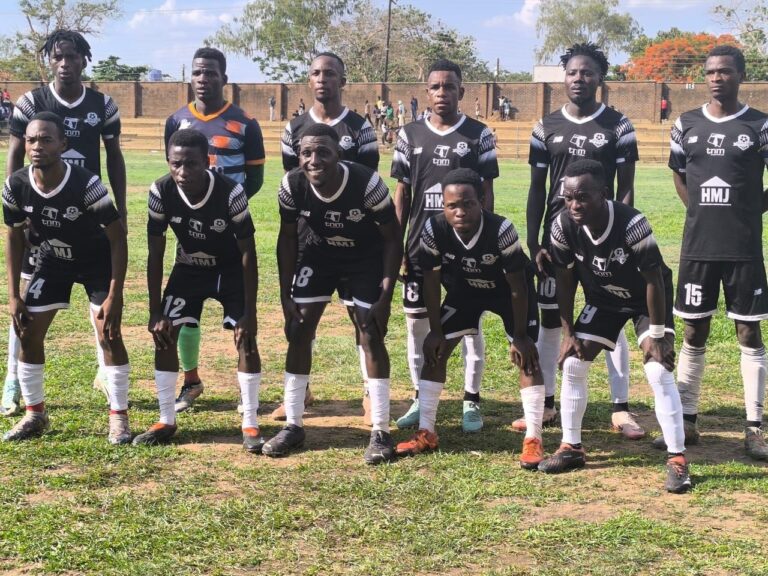
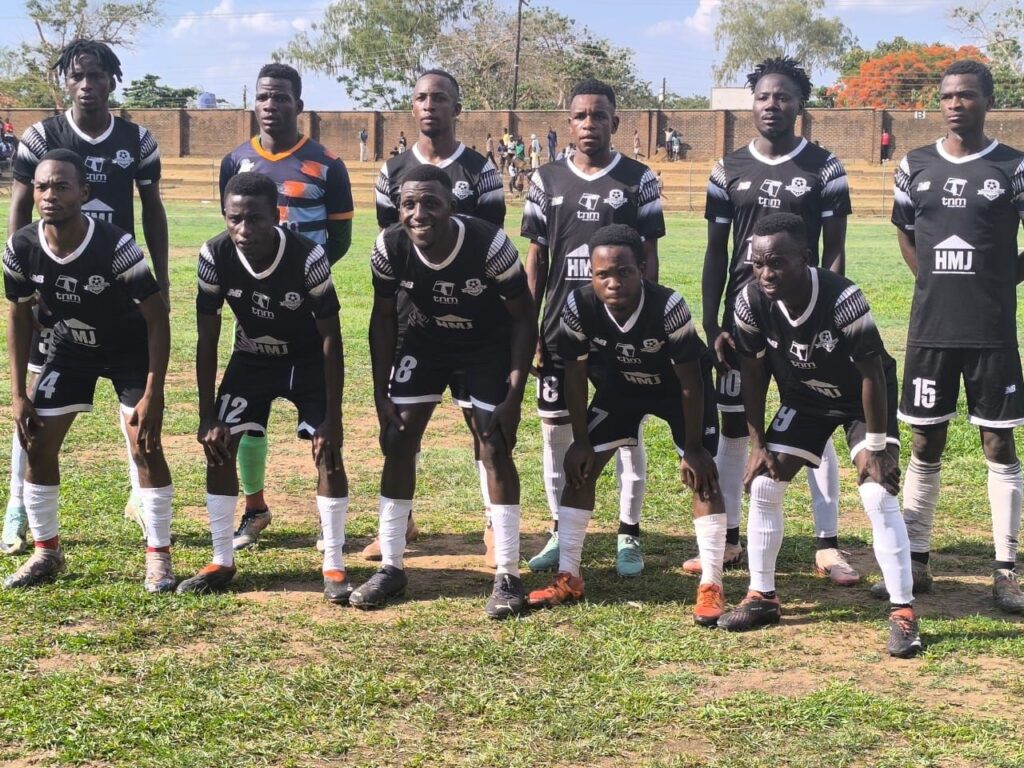
James Msowoya strikers late to snatch win for Bangwe All Stars at Balaka Stadium

0


By McLloyd Kudzingo


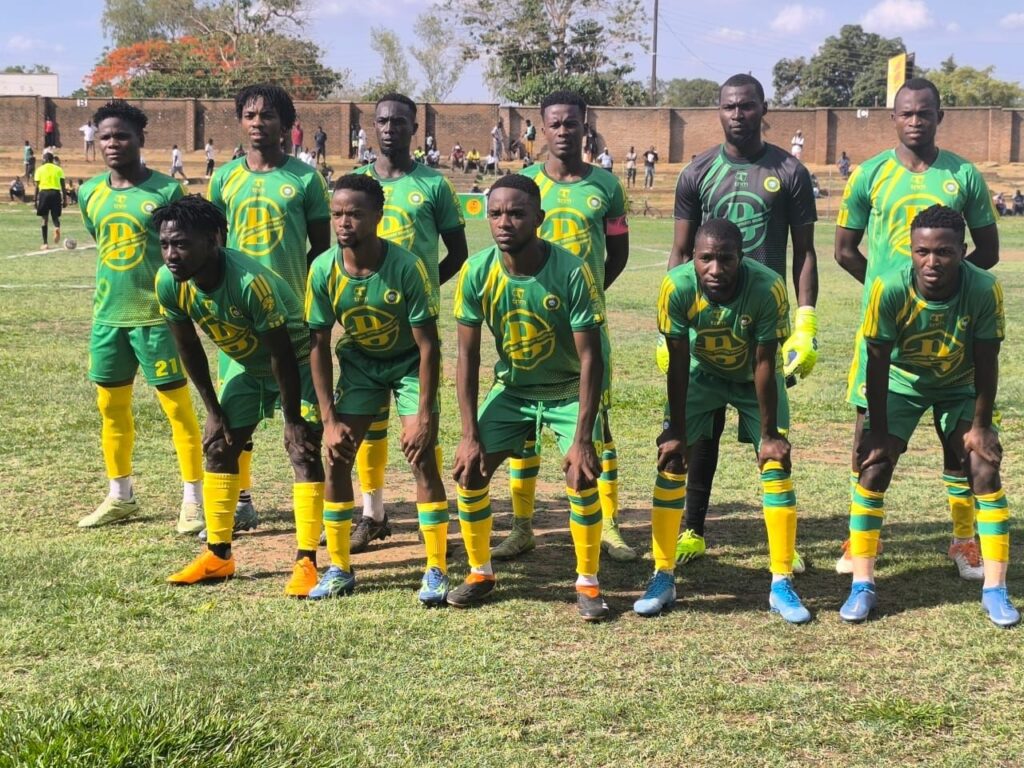
James Msowoya’s 90th minute goal fired Bangwe All Stars to a 1-0 win over Civil Service United in a TNM Super League match played at Balaka Stadium on Saturday afternoon.

Substitute Beston Jimu found fellow substitute, James Msowoya who scored the all-important goal with a beautiful strike which send the the entire Balaka Stadium into a frenzy.

The home side were the first to knock at their opponents goal as Patrick Phiri’s shot was saved for a corner-kick by Civil goalkeeper Richard Mwaila just five minutes after kickoff.

The visitors almost found the back of the net in the 8th minute through Chikaiko Batson but his header was saved for a corner-kick by Bangwe’s goalkeeper Elias Missi.

Bangwe All Stars

Phiri had another chance to open the score-sheet but his header from a Richard Rapson cross went over the cross bar for a goal-kick in the 22nd minute.

The match ended 0-0 in the first half and in the second half, Bangwe started by a double substitution bringing in the fresh legs of Clever Chikwata and James Msowoya for Kondwani Chilembwe and Felix Demakude.

The visitors made their first substitution in the 61st minute as Chifundo Ngapemba and Mathews Hamuza replaced Chikaiko Batson and Blessings Malinda.

Civil’s longest serving player Damiano Kunje almost put the visitors in front in the 67th minute but his header was beautifully saved by Missi for a corner-kick.

Bangwe coach Trevor Kajawa made another substitution in the 81st minute bringing in Eric Atsiga for Osman Ackim and later on Beston Jimu replaced Patrick Phiri.

Civil on the other hand replaced Righteous Banda and the injured Festus Duwe with Mphatso Magaleta and Samson Phiri.

After the match, Bangwe All Stars defender Ausman Julias was voted man of the match.

The win has helped Bangwe to cement their 13th position as they have now accumulated 27 points from 27 games, 5 points above 14th and 15th placed Chitipa United and FOMO FC who have both played 26 games.

In other Super League matches played on Saturday, bottom placed Baka City gave away their 2-nil lead to draw 2-2 against Mighty Tigers at Karonga Stadium.

Tambulani Mwale and Edgar Phiri were on target for the home side while Tigers got their goals through Precious Chipungu and an own goal from Kelvin Nyondo.

Baka remain bottom on the log table with 12 points from 27 games and Tigers are on position 12 with 29 points after playing 28 games.

In Lilongwe, Mafco FC came from behind to beat fellow soldiers Kamuzu Barracks (KB) 2-1 at Nankhaka Stadium.

Olson Kanjira had put KB in front in the 21st minute but Peter Kasonga equalised from the penalty spot in the 53rd minute before Bernard Chimaimba scored the winner in the 74th minute.

Mafco have now moved to position 6 on the log table with 38 points followed by Creck Sporting, Kamuzu Barracks and Karonga United who have accumulated 37 points each.

On Sunday, Karonga United will host Premier Bet Dedza Dynamos at Karonga Stadium as Creck Sporting Club play Chitipa United at Dimba Stadium.

Civil Service United
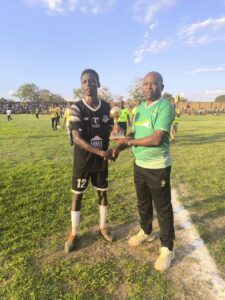
Man of the match Ausman Julias
Bangwe All Stars defender Ausman Julias receiving the Man of the match award from a SULOM official Sam Mangasanja

Chewa chiefs rebuke AFORD President Enock Chihana over Kudambwe remarks

0

By Linda Kwanjana

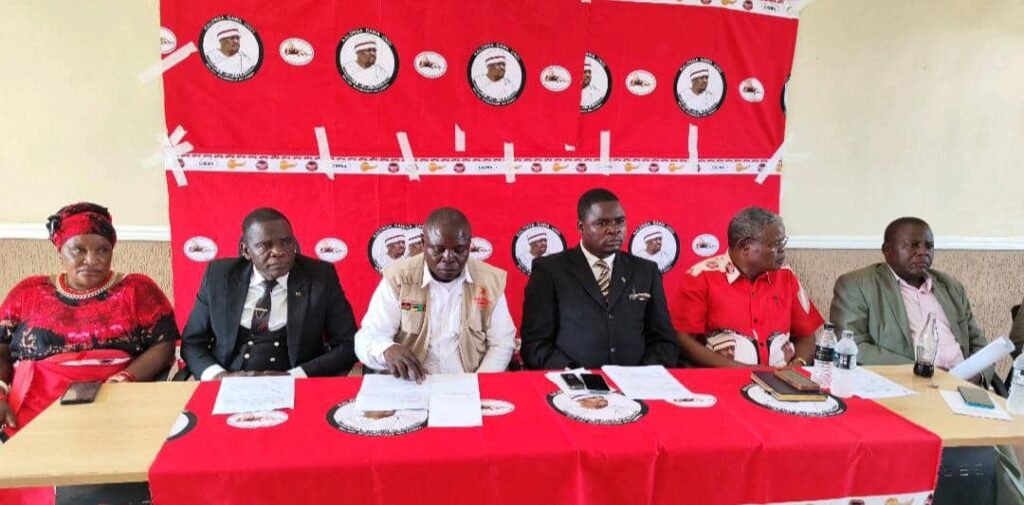
Chewa Heritage Foundation (CHEFO) on Saturday expressed concern over the remarks that Alliance for  Democracy (AFORD) President Enock Chihana said on 13 November 2024 .

On the material day, Chihana was quoted as saying “Chimashini chimenechi cha
Smartmatic mudzikavoterana ku dambwe komweko (Chewa Traditional chrines)”.

Senior Chief Chadza described the remarks as tribalistic and unfair to the Chewa people.

“We have noted with sadness the provocative and insensitive
speech made by Mr Chihana. His remarks tantamournt to hate
speech and demonstrates that he hates the Chewa people and
has no respect for their culture. Mr Chihana is telling the Chewa people that they have no space to vote in the 2025 General Elections unless they do that kudambwe,” he said.

Senior Chief Nthondo from Ntchisi said that Malawi is one, and Chewas are Malawians just like him.

Nthondo said Chihana has
shown that he is not a mature politician and is not capable of
being a leader in Malawi because he is tribalistic.

“CHEFO has observed that if Mr Chihana was to be elected, the
president of Malawi, he would chase the Chewas out of this country and ultimately divide this country, which has enjoyed unity for a long time,” he said.

According to Senior Chief Nthondo, Chewa, people have noted that Mr Chihana is immature and can not be entrusted with the responsibility of
leading a country.

Taking his turn Senior Chief Dambe from Mchinji said Enock Chihana should apologise within three days.

During the presser, CHEFO chairperson Dr Stanley Chakhumbira Khaila appealed to Chihana to apologise via the same channels that he used to when uttering the sentiments

Khaila said the grouping that exists to safeguard chewa culture is very disappointed with the political remarks.

A Ken Zikhale Ng’oma amema anthu akalembetse mu kaundula

0

By Staff Reporter

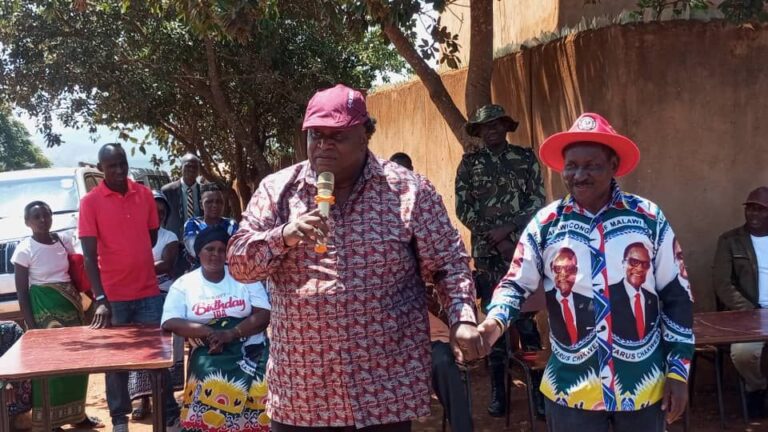
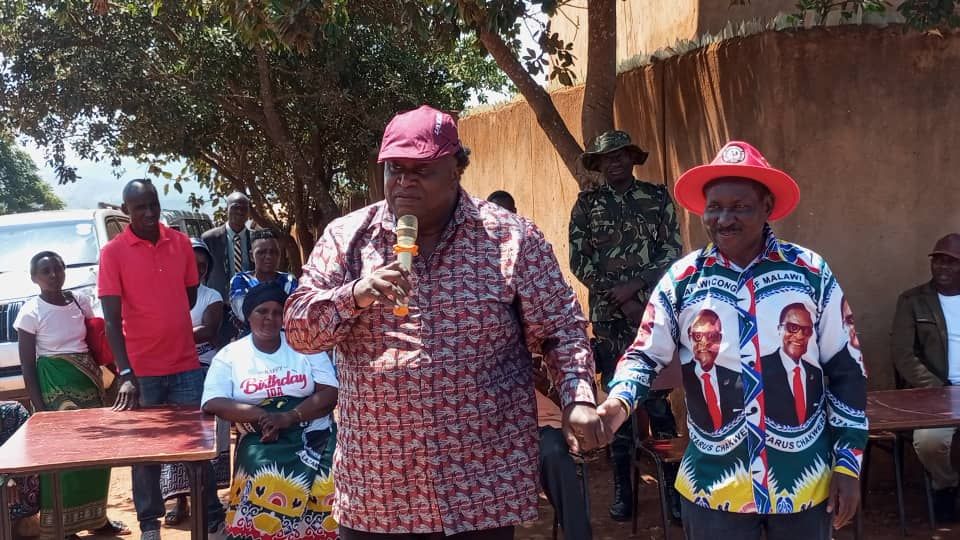
Hon Zikhale Ng’oma akupitiliza ntchito yomemeza anthu kuti akalembetse mwaunyinji mu kaundula wa voti pomwe lero ali Ku Usiska Ku Nkhata-bay North Constituency.

Pa ulendowu,a Zikhale akuyenda limodzi ndi shadow MP wa Nkhata-bay Central a Ralph Mhone Komaso a Shadow MP a Nkhata-bay North Constituency a Mganda Chiume.

A Zikhale omweso ndi nduna ya chitetezo cha m’dziko,ati akuchita izi pofuna kulimbikitsa anthu kuti alembetse mwa unyinji ndikuti azavotere Dr Lazarus McCarthy Chakwera pa chisankho cha mu 2025.

Hon Zikhale and Hon Mganda Chiume


Iwo ati ndikhumbo lawo kuti chipani cha Malawi Congress ( MCP) chizapeze aphungu ochuluka kuchoka m’boma la Nkhata-bay.

Lero a Zikhale akuyembekezeka kufika m’madera a Bula, Kaulasisi, Chigwere,Chipunga ndipo akachititsa msokhano waukulu pa Chikwina trading centre.

Lachisanu, ndunayi inayendera anthu aku Bwerero,Lisale, Kachenga Mlombwa ndi Chilambwe.

Empowering Youth to Combat Rural Corruption

0


By Our Correspondent

Strengthening awareness and access to information is key to reducing corruption and bribery in rural communities.

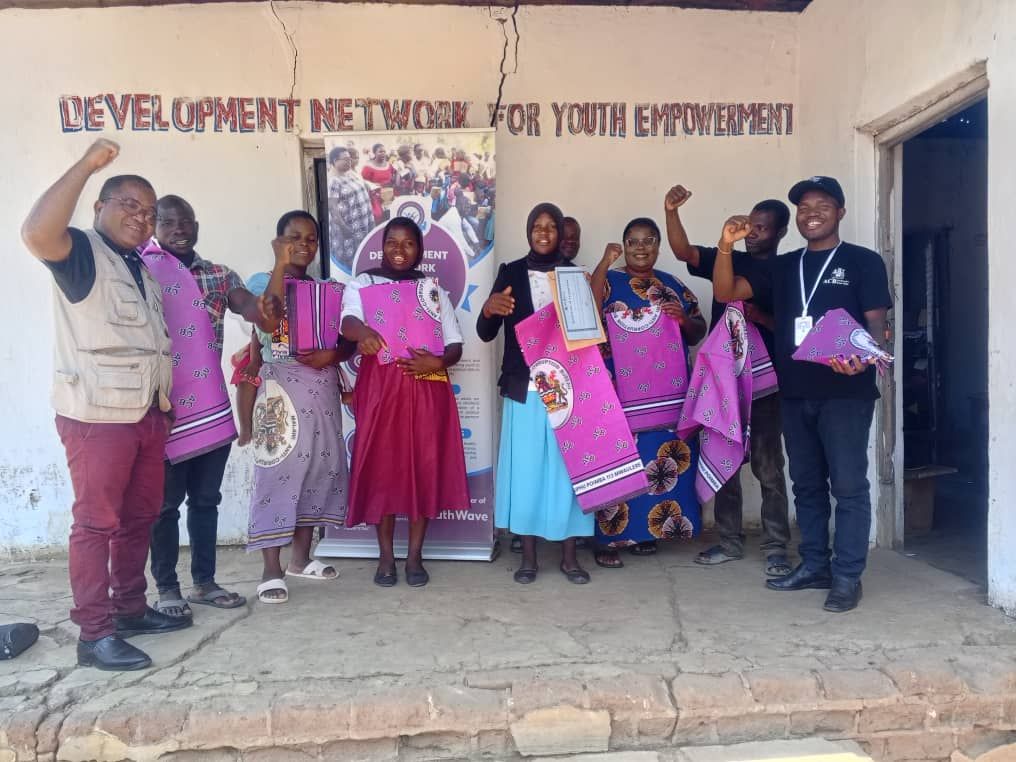
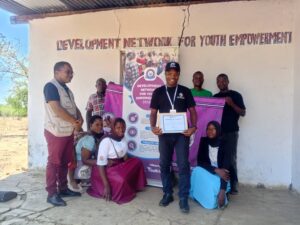
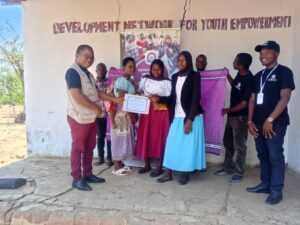
Recognizing this need, the Anti-Corruption Bureau (ACB) has taken a hands-on approach by equipping youth-led initiatives, such as the Development Network for Youth Empowerment (DENEYE), with the tools to make a tangible impact.


DENEYE’s relentless work in promoting transparency has not gone unnoticed.

The organization was recently recognized by the ACB with a certificate of commendation for its exceptional contribution to fighting corruption at the grassroots level.

Andrew Ussi, the ACB’s Public Education Manager for the Eastern Region in Zomba, praised the group’s achievements,

“Your dedication serves as an inspiration for others to follow. We are proud to honor your efforts.” he said

The recognition reflects the collaborative effort between the ACB and youth-driven entities in the battle against corruption.

Shalid Ishmael, Executive Director of DENEYE, highlighted the importance of partnership and support from institutions like the ACB.

“Their backing emboldens our mission to create transparent, accountable communities,” Ishmael explained.

Held senior group Chipolonga the certificate presentation underscored the vital role of youth in fostering accountability and integrity in rural areas.

The event also highlighted the growing momentum for change, led by empowered and informed community advocates.