
Saturday, December 13, 2025
No menu items!
spot_img
Home Blog Page 90

“I don’t believe in 100 days”: Leader vows to tackle food prices, fuel, and fertilizer immediately

0


By Burnett Munthali

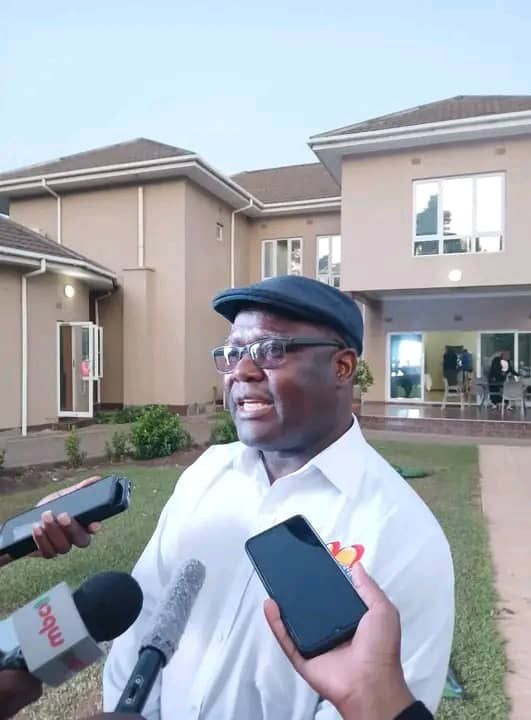
When asked what he plans to do within the first 100 days in office, the leader gave a bold response.

He dismissed the idea of a 100-day yardstick, saying he does not operate within such limitations.

“I don’t believe in 100 days,” he declared firmly.

His priority, he explained, is to ensure that the price of food is reduced so that ordinary Malawians do not continue to suffer.
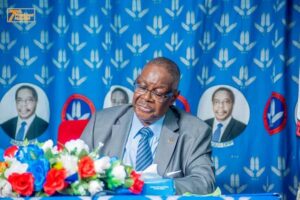
Mutharika


He also emphasized that fuel prices must come down as quickly as possible to ease the burden on transport and the wider economy.

Another urgent matter on his list is the immediate availability of affordable fertilizer to help farmers prepare for the next farming season.

According to him, these are basic needs that cannot wait for arbitrary timelines or long bureaucratic processes.

“Food, fuel, and fertilizer are essentials,” he stressed, “and people must not struggle to access them.”

He made it clear that he does not subscribe to the notion of setting a fixed 100-day agenda.

Instead, he believes leadership should focus on concrete actions that deliver relief to people without delay.

In his words, “Projects are either short-term, medium-term, or long-term. But I do not limit myself to 100 days.”

This perspective, he argued, allows for flexibility and long-term vision, while still addressing the urgent needs of the nation.

His comments reveal a leadership style that prioritizes immediate economic relief over symbolic benchmarks.

They also suggest a determination to set a new tone of urgency and pragmatism in government.

Traditionally, governments around the world have used the “first 100 days” as a symbolic milestone to demonstrate early momentum and political will.

It is often seen as a window of opportunity to win public trust, showcase priorities, and set the tone for the rest of the administration.

In Malawi, this tradition has played a visible role in shaping public perception of new leaders.

When Bingu wa Mutharika assumed office in 2004, his early focus on food security through the fertilizer subsidy program won him quick credibility and cemented his reputation as a reformer.

Joyce Banda, who rose to power in 2012, used her first 100 days to restore international donor confidence by reversing controversial policies and engaging global partners.

Peter Mutharika’s 2014 entry was judged heavily on whether he could stabilize the economy after Cashgate, and his initial reforms were closely scrutinized within that 100-day window.

Even Lazarus Chakwera in 2020 faced heightened expectations to deliver within 100 days, particularly on job creation and anti-corruption promises, though implementation fell short of the public’s impatience.

By rejecting this benchmark, the current leader challenges the conventional measure of success and instead roots his legitimacy in practical delivery rather than arbitrary timelines.

This approach could redefine public expectations by shifting the focus from political symbolism to tangible results in people’s daily lives.

However, it also raises the stakes: if immediate relief on food, fuel, and fertilizer is not delivered, the public may judge his leadership more harshly than if he had deferred progress to a longer-term agenda.

In this way, the “no 100 days” philosophy is both a bold rejection of tradition and a risky gamble that places performance and urgency at the center of governance.


Three Arrested Over Dedza Police Officer’s Murder

0


By Rahim Abdul

Police in Dedza have arrested three men in connection with the brutal killing of police officer Mphatso Namadwa, who was murdered earlier this month while carrying out his duties.

The arrests were confirmed by Deputy Police Public Relations Officer, Superintendent Alfred Chimthere, who said the suspects are being held as investigations continue. They are expected to appear in court soon while police work to track down more individuals believed to have been involved.

According to Chimthere, officers also recovered a firearm, a baton stick and other items belonging to the late Namadwa, which were stolen during the attack.

The suspects have been identified as Bright Mazizi, aged 20, Robert Moses, 37 year old, and Chikaiko Mark, 23, all from Traditional Authority Kachere in Dedza District.

Namadwa was killed on September 8, 2025, in Chikufikani Village. He and two other officers had gone there to apprehend individuals accused of illegally detaining a man from Mangochi.

Superintendent Alfred Chimthere,


The suspects were allegedly demanding K4.5 million from the victim’s family for his release.

The incident shocked the local community and prompted a large-scale police operation. Chimthere assured the public that authorities are working tirelessly to bring all perpetrators to justice.

The three suspects remain in custody pending further investigations.

Ritaa speaks out against false dating rumors

By Rahim Abdul

Malawian singer Ritaa has broken her silence over rumors linking her romantically to a former cabinet minister, describing the claims as false, hurtful and disrespectful.

The singer said she is disappointed by how some people have been spreading lies about her personal life, using an old photo taken during a music show last year.

Ritaa


According to Ritaa, the picture, which simply captured her performing at an event that the former minister also attended, is now being twisted to create false narratives.

“I am shocked by how far people can go to tarnish someone’s image. That picture was taken at a show where many other people were present, including this former minister. It was a normal performance, nothing more,” Ritaa explained.

The award-winning artist also addressed recent gossip surrounding her newly purchased car with some speculating that it was gifted to her by a politician or a wealthy man.

She firmly dismissed these claims, insisting that she works hard and has multiple sources of income that allow her to afford such assets.

“There’s so much that I do to earn a living. Apart from music, I am also a student and run several businesses. I am financially independent and very capable of buying my own car,” she said.

Ritaa expressed frustration over how women’s achievements are often undermined and tied to men, urging society to respect women who work hard to succeed.

“Why is it that when a young woman achieves something big, people rush to say it’s because she’s dating someone powerful or wealthy?” she questioned.

“Women are capable of achieving greatness on their own. It’s unfair and discouraging to have every success story reduced to a scandal,”she added.

The singer emphasized that she is currently in a committed relationship with someone she deeply trusts, and clarified that the former minister in question has a family of his own, making the rumors not only false but also potentially harmful to innocent people.

“My partner knows me well, and we are happy together. It’s sad that people want to create unnecessary drama that can hurt families and relationships,” she added.

Ritaa urged her fans and the public to focus on positive conversations rather than spreading lies that can destroy reputations. She also called for more support for women who are striving to make their mark in different fields.

As one of Malawi’s rising stars, Ritaa has built a strong reputation in the music industry, with several hit songs and performances under her belt. She said she remains focused on her career and will not let rumors derail her dreams.

“I choose to rise above negativity. My energy will remain on my music, my education, and my businesses. Those who support me know my truth,” she concluded.

Journalists Urged to Amplify Voices of Children with Disabilities in Climate Change Discussions

0


By Rahim Abdul

Journalists in Malawi have been challenged to take a more active role in amplifying the voices of children with disabilities, particularly on issues related to climate change and natural disasters.

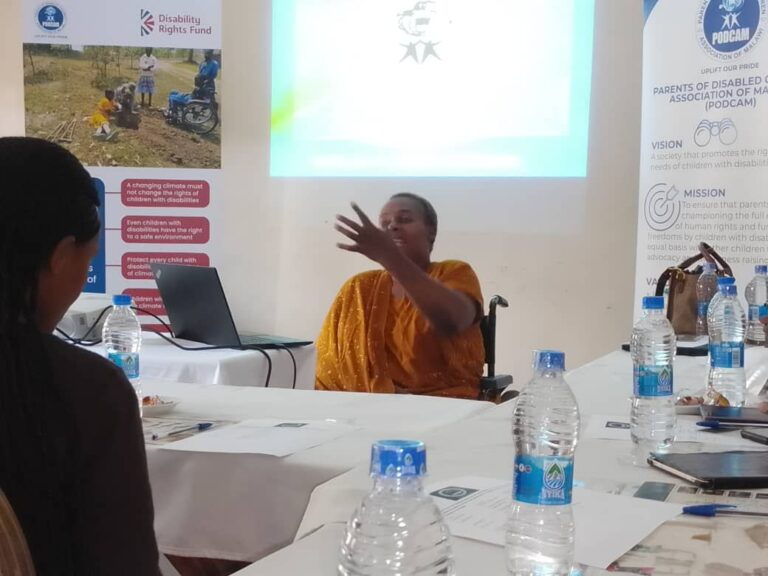
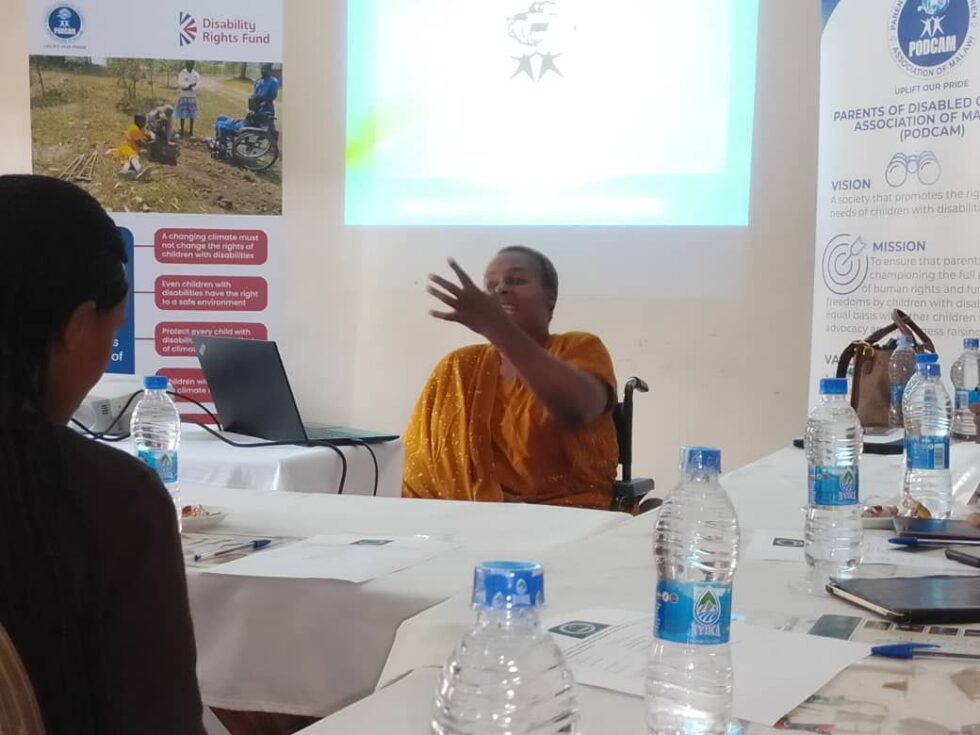
The call was made by Lyness Manduwa, Executive Director of the Parents of Disabled Children Association of Malawi (PODCAM), during a media workshop held in Blantyre on Saturday.

The workshop was part of the Disability Rights Fund (DRF) project, which seeks to highlight the unique challenges children with disabilities face during environmental calamities such as floods, cyclones and droughts.

According to Manduwa, climate-related disasters have been worsening in Malawi due to environmental degradation and global warming, leaving children with disabilities among the most vulnerable groups.


“When disasters strike, children with disabilities are often the most affected because they face multiple barriers such as lack of access to timely information, difficulties in mobility and discrimination,” Manduwa said.

“Journalists have the power to bring these stories to light and influence policies that can save lives,”she added.

She further explained that during events like Cyclone Freddy, many families with disabled children were left stranded without immediate help. Some were unable to reach evacuation centers due to inaccessible infrastructure or lack of appropriate transportation.

Grace Kachingwe, a mother from Bangwe Township in Blantyre who has a son with albinism, shared her personal experience, emphasizing the urgent need for accurate data collection.

“During disasters, authorities often do not know how many children with disabilities live in certain areas. This makes it difficult to provide targeted support,” she said.

“Having proper data would ensure that children like my son are included in evacuation plans and relief distribution,”she explained.

Climate experts warn that Malawi will continue to experience extreme weather events, including prolonged droughts and flash floods, due to climate change. For children with disabilities, this means increased risks of injury, disease outbreaks and psychological trauma, especially when humanitarian response systems fail to consider their unique needs.

Manduwa urged the government and non-governmental organizations to integrate disability-friendly strategies into climate adaptation and disaster response plans. This includes building inclusive evacuation centers, developing sign language-based early warning systems and training community volunteers on how to assist disabled children during emergencies.

She also challenged journalists to go beyond event reporting by investigating systemic barriers affecting disabled children and holding decision-makers accountable.

“Media coverage is not just about reporting tragedies; it should push for solutions,” she emphasized. “When journalists highlight these challenges consistently, policymakers will be compelled to act.”

Representatives from several media houses who attended the workshop pledged to prioritize disability issues in their reporting.

The initiative comes at a time when Malawi is still recovering from Cyclone Freddy, which displaced over half a million people and caused widespread devastation earlier this year. Disability rights advocates argue that lessons from such disasters should shape future policies to ensure no child is left behind when calamities strike.

The workshop concluded with a call for stronger collaboration between the media, civil society organizations and government agencies to build resilience among children with disabilities, ensuring they are protected and included in Malawi’s fight against climate change.

Malawi Eyes Tourism Boom with 1.3 Million Visitors Target for 2025

0


By Rahim Abdul

Malawi’s tourism industry is setting its sights on a significant milestone this year as authorities project a rise in tourist arrivals from 1.1 million in 2024 to 1.3 million by the end of 2025.

The announcement was made in Blantyre on Saturday during the commemoration of World Tourism Day, an event that brought together government officials, tourism stakeholders and community representatives to celebrate the sector’s role in driving economic transformation.

Speaking at the event, Secretary for Tourism Chauncy Simwaka highlighted that tourism currently contributes 6.7 percent to Malawi’s Gross Domestic Product (GDP), a figure expected to grow as the industry continues to attract more international visitors.

Simwaka


“Malawi remains a unique destination because of our rich culture, peaceful environment, and diverse wildlife,” Simwaka said.

“This year, we are focused on increasing international arrivals by strengthening marketing campaigns and enhancing visitor experiences,”Simwaka added.

Simwaka emphasized that while Malawi is home to the Big Five animals, the country’s greatest advantage lies in its hospitality, safety and cultural heritage, which appeal to travelers seeking authentic and peaceful destinations.

Malawi Tourism Council Executive Director, Memory Momba Kanthunzi, said that beyond boosting visitor numbers, tourism growth should directly benefit local communities.

“Tourism must empower communities. When local people are involved, it creates sustainable jobs and improves livelihoods,” Kanthunzi explained.

The 2025 World Tourism Day was celebrated under the global theme “Tourism for Sustainable Transformation.” Guests were treated to a visit to Majete Game Reserve, where they witnessed Malawi’s wildlife conservation efforts.

The event also featured traditional dances, ballet performances and local cuisine, showcasing the nation’s cultural diversity.